
An automated SEO audit and backlink analysis is the fastest way for a small business or agency to understand what’s helping — and what’s hurting — a website’s search visibility. Instead of manually checking every page and link by hand, automated tools scan an entire site in minutes, flag technical problems, and map the quality of every inbound link pointing to it. For busy business owners, that speed matters just as much as the findings themselves.
Direct answer: An automated SEO audit and backlink analysis uses software to scan a website’s technical structure and check the quality, source, and risk level of every backlink pointing to it — all without manual review. The result is a prioritized report showing what to fix first and which links help or hurt rankings.
What Is an Automated SEO Audit and Backlink Analysis?
In short, it’s a combined technical health check and link-quality review performed by software rather than a person. Specifically, it covers crawlability, page speed, metadata, structured data, and mobile usability on the technical side. On the backlink side, it evaluates how many sites link to yours, how authoritative those sites are, and whether any links look manipulative or spammy.
Because the process is automated, it can run continuously rather than as a one-time project. Consequently, issues get caught closer to when they happen, rather than months later during an annual review. According to Moz’s research on ranking factors, backlink quality and relevance remain among the strongest signals search engines use to judge trustworthiness, which is exactly why automated backlink checks carry so much weight in a full audit.
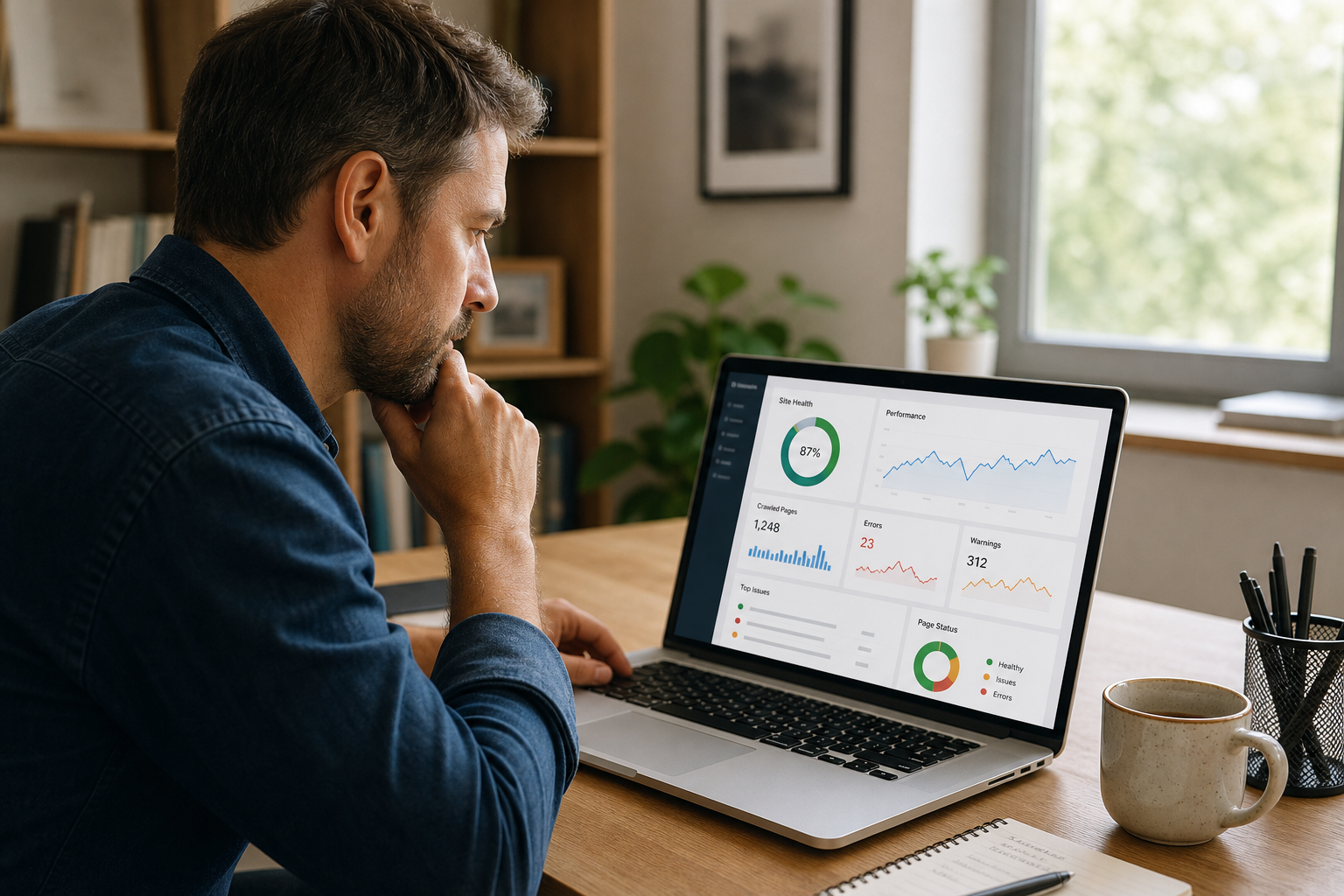
Reviewing the findings from an automated SEO audit and backlink analysis helps prioritize what to fix first.
Why Manual Site Audits Can’t Keep Up with AI Search
Search has changed faster than most audit habits have. Today, visibility depends not only on traditional Google rankings but also on whether AI answer engines choose to cite a site at all. As a result, the technical bar has risen — pages need clean structure, clear schema markup (structured data that helps machines understand page content), and credible backlinks to earn that trust.
Manual audits simply can’t scale to that demand. A specialist checking pages by hand might review a sample of 20 or 30 URLs, while an automated crawler can scan thousands in the same timeframe. In addition, manual backlink checks rely on static exports that go stale within weeks, whereas automated monitoring flags new or lost links as they happen. For a deeper look at this shift, see this guide on how to automate your website’s SEO efforts effectively.
Core Components of an Automated Backlink Analysis
A thorough automated backlink analysis looks at several layers at once rather than a single metric. Specifically, the strongest tools evaluate:
- Total referring domains and how that number trends over time
- Authority or trust score of each linking domain
- Anchor text patterns, which can reveal over-optimization risks
- Toxic or spammy links that may need disavowing
- Competitor link gaps — sites linking to rivals but not to you
Notably, link quantity alone rarely tells the full story. A handful of links from respected, topic-relevant sites typically outweighs dozens of low-quality directory links. That’s why tools such as the backlink rank checker focus on quality scoring rather than raw counts alone.
How to Run an Automated SEO Audit and Backlink Analysis in 5 Steps
Running the process yourself, or through a platform, generally follows the same sequence. Below is the typical workflow used by most automated audit tools.
- Crawl the site and benchmark technical health. Run a full-site crawl to identify broken links, slow-loading pages, missing meta tags, and indexing errors that could be limiting visibility.
- Analyze the backlink profile. Pull a complete list of inbound links, review their source authority, and flag any spammy or toxic domains dragging down trust signals.
- Prioritize issues by impact. Rank the flagged technical and link issues by likely effect on rankings, fixing high-impact problems like broken schema or harmful links first.
- Deploy automated fixes and resubmit for indexing. Apply approved technical fixes automatically where possible, then submit updated pages for indexing. Rank Authority can submit changes for indexing, but Google alone determines whether and when a page is actually indexed.
- Monitor visibility and link changes continuously. Set up ongoing monitoring to track new backlinks, lost links, and ranking or AI citation changes so issues get caught early instead of months later.
Tools designed specifically for this workflow, such as those covered in this breakdown of tools that help streamline SEO processes, can turn a multi-day manual project into something that runs largely on its own.
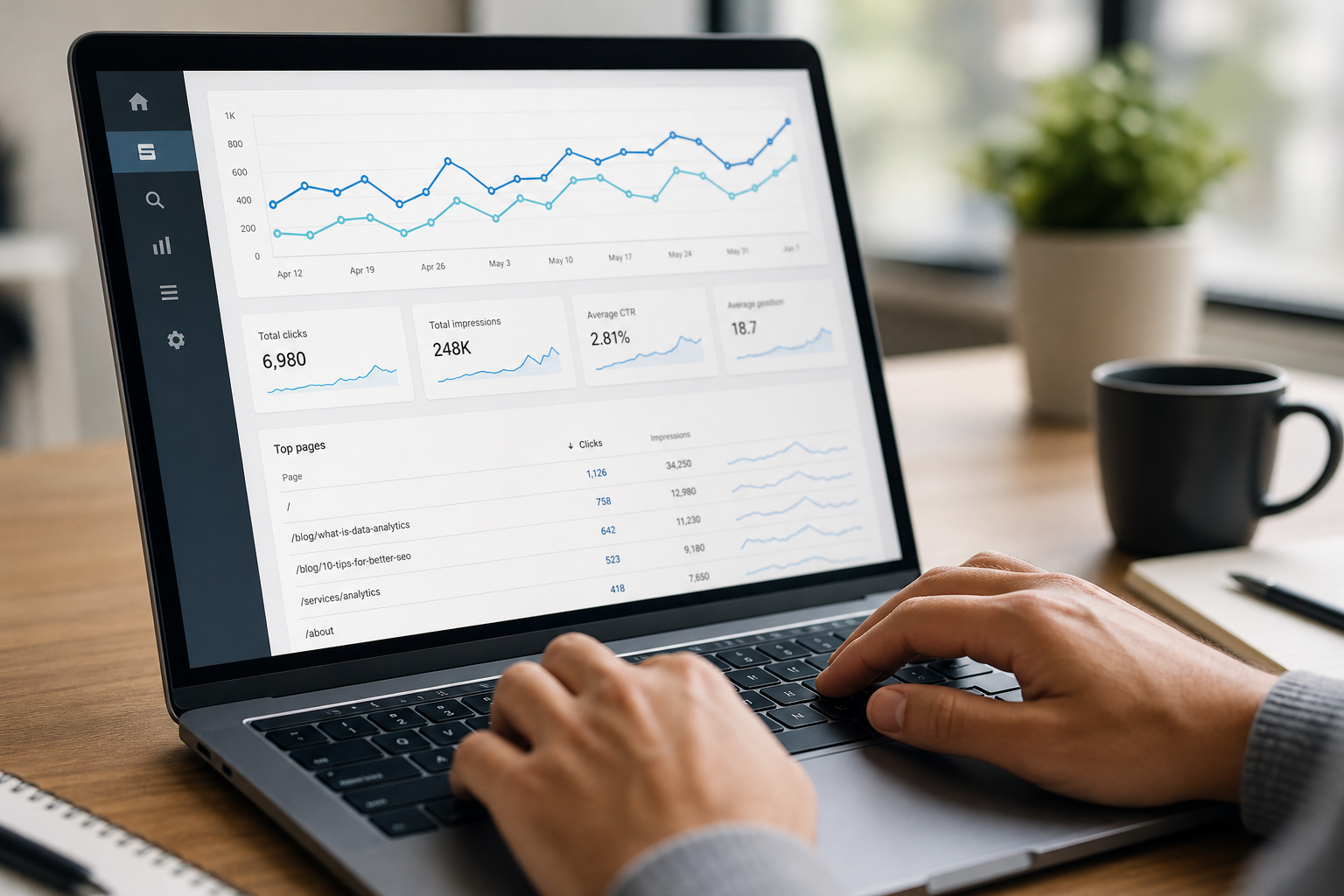
Automated backlink tracking replaces slow, manual spreadsheet reviews.
Choosing the Right SEO Audit Automation Tool
Not every automation platform covers the same ground. Therefore, it helps to compare a few specific capabilities before committing to one.
First, check whether the tool actually fixes issues or simply lists them. Some platforms generate reports and leave implementation entirely to you, while others, including 1-Click AI AutoPilot, streamline approved technical fixes directly. Second, confirm the backlink database is updated frequently; stale link data leads to missed toxic links. Third, look for continuous monitoring rather than a single snapshot report. Finally, consider whether the platform also addresses newer visibility needs like AI citation tracking, since automated SEO tools built for modern search increasingly need to serve both traditional and AI-driven discovery. For context on official crawling and indexing behavior, Google’s own documentation on how search works is a useful reference point.
How Rank Authority Automates SEO Audits and Backlink Tracking
Rank Authority combines technical auditing, backlink monitoring, and AI visibility tracking inside one dashboard. The platform’s free Site Audit Checker and Backlink Checker give an immediate snapshot of site health, while the paid plans add continuous monitoring and automated fixes through 1-Click AI AutoPilot.
Beyond the audit itself, two tools extend the value further. RankFast analyzes competitor pages and rebuilds content to compete more directly for the same rankings, while RankLink automates topical siloing and internal linking so authority flows more efficiently across a site. Every site also receives a Rank Authority Score (RA Score), a single benchmark that tracks technical health, content strength, and link quality over time. Individual results vary, and reviews reflect individual user experiences rather than guaranteed outcomes for every account. You can explore the platform and its seven-day trial directly at rankauthority.com.
Common Mistakes to Avoid During a Backlink Audit
Even with automated tools, a few habits can undercut the results. Above all, watch for these recurring mistakes.
One common error is disavowing links too aggressively based on a low authority score alone, without checking relevance or actual harm. Another is treating the audit as a one-time task rather than an ongoing process — new toxic links can appear at any time. Similarly, some site owners chase link volume instead of relevance, picking up dozens of low-value links that add little trust. Finally, many teams fix technical issues but never resubmit pages for indexing, leaving search engines unaware that anything changed. As noted earlier, submission helps surface updates faster, though indexing decisions remain entirely up to Google.
Frequently Asked Questions About Automated SEO Audit and Backlink Analysis
What is an automated SEO audit and backlink analysis?
An automated SEO audit and backlink analysis is a software-driven process that scans a website for technical issues and evaluates its inbound links without manual review. It typically flags crawl errors, slow pages, missing schema, and risky or toxic backlinks in a single report.
How does automated SEO audit and backlink analysis differ from manual review?
Automated tools crawl thousands of pages and links in minutes, while manual review relies on a specialist checking samples by hand. As a result, automation tends to catch more issues faster, though human judgment still helps prioritize which fixes matter most.
How long does an automated SEO audit take?
Most automated audits finish within minutes to a few hours, depending on site size. A small business site with a few dozen pages can usually be fully scanned in under 15 minutes.
What does a backlink analysis reveal about a website?
A backlink analysis shows which sites link to you, how authoritative those sites are, and whether any links look spammy or manipulative. It also reveals lost links and gaps compared with competitors.
Why are toxic backlinks a problem?
Toxic backlinks come from low-quality or spammy sites and can signal manipulation to search engines. Left unaddressed, they may suppress rankings or, in severe cases, trigger manual penalties.
How much does automated SEO audit and backlink analysis cost?
Pricing varies widely, from free diagnostic scans to monthly platform subscriptions that include ongoing monitoring. Many platforms, including Rank Authority, offer free audit tools and a trial period before any paid commitment.
Can automated audits replace an SEO specialist entirely?
Automation handles the repetitive technical work, but strategic decisions still benefit from human oversight in complex cases. For most small businesses, however, automated audits cover the majority of what a specialist would otherwise bill hourly for.
What is domain authority and why does it matter in backlink analysis?
Domain authority is a third-party score that estimates how likely a website is to rank, based largely on its backlink profile. During backlink analysis, it helps identify which linking sites carry real weight versus which add little value.
How often should a website run an automated SEO audit?
Monthly audits work well for most active websites, while larger or frequently updated sites benefit from weekly or continuous monitoring. Consistent scanning helps catch new technical errors or lost links before they affect rankings.
What’s the biggest mistake businesses make with backlink analysis?
The most common mistake is checking link counts without reviewing link quality or relevance. A smaller number of authoritative, relevant backlinks typically outperforms a large volume of weak or unrelated ones.
Does Rank Authority guarantee ranking improvements?
No. Rank Authority automates technical fixes, content optimization, and link monitoring, but search engines and AI answer platforms make the final ranking and citation decisions. Individual results vary, and reviews reflect individual user experiences rather than guaranteed outcomes for all users.
How does automated SEO audit and backlink analysis help with AI search visibility?
Clean technical health and a credible backlink profile make it easier for AI crawlers and answer engines to trust and cite a site. Combining audit automation with GEO and AEO formatting gives content a better chance of being surfaced in AI-generated answers.
What tools are used in an automated backlink analysis?
Backlink analysis tools typically combine web crawlers, link databases, and authority-scoring algorithms to map a site’s link profile. Rank Authority’s backlink checker and RA Score reporting, along with the instant SEO automation tools on the platform, are built specifically for this purpose.

Teams increasingly rely on automated reports to guide backlink and technical SEO decisions together.
Final Thoughts
Ultimately, an automated SEO audit and backlink analysis gives business owners a clear, fast view of what’s working and what needs attention — without requiring deep technical expertise. From catching broken schema to flagging toxic links before they cause harm, automation turns a slow manual process into something that runs continuously in the background. As AI search continues to reshape how people find businesses online, pairing that technical foundation with GEO and AEO strategy becomes even more important. Platforms like Rank Authority bring both sides together, so visibility improvements don’t depend entirely on in-house SEO knowledge.