
Moz Rank is a logarithmic, link-based authority score developed by Moz that evaluates the quality and quantity of backlinks pointing to a specific webpage on a scale from 0 to 10. Understanding this metric is essential for any website owner or SEO professional trying to benchmark link authority and identify growth opportunities.
What Is Moz Rank and How Does It Work?
Moz Rank is a proprietary metric modeled after the same foundational principles as Google’s original PageRank algorithm. However, it is entirely independent and calculated from Moz’s own link index rather than Google’s internal data. Because the scale is logarithmic, each point increase becomes progressively harder to achieve.
For example, moving from a score of 2 to 3 requires far less link equity than moving from 6 to 7. Therefore, the difference between a score of 7 and 8 represents an enormous gap in link authority. In practice, most ordinary websites fall somewhere between 3 and 5.
The algorithm weighs both the number of linking pages and the quality of those pages. As a result, a single backlink from a highly authoritative domain — such as a major news publisher or a government website — can be worth more than hundreds of links from low-quality sources.
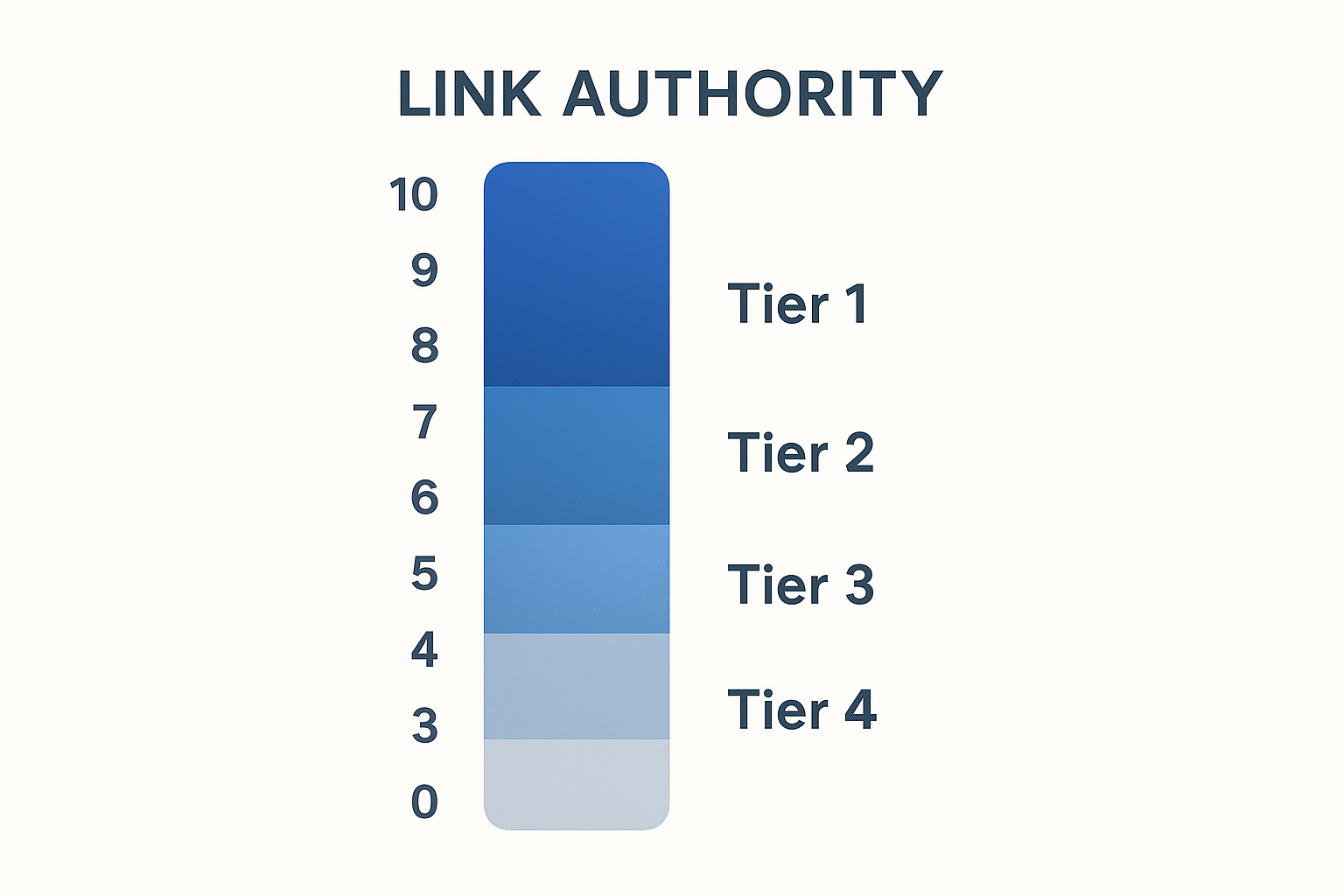
The Moz Rank scale runs from 0 to 10, with higher scores indicating stronger backlink authority for a given page.
How Moz Rank Differs from Domain Authority and Page Authority
Many SEO practitioners confuse Moz Rank with Moz’s other metrics, particularly Domain Authority (DA) and Page Authority (PA). Although all three are developed by Moz, they measure distinct things.
Moz Rank measures only the link popularity of a single page on a 0–10 scale. Page Authority, meanwhile, is a broader 0–100 score that predicts how likely a page is to rank in search results using multiple signals, not just links. Domain Authority extends that concept to the entire root domain rather than an individual page.
In contrast to DA and PA, Moz Rank is a more narrowly focused signal. It is especially useful when you want to quickly assess the raw backlink strength of a specific URL without the broader predictive modeling that Page Authority applies.
Understanding Score Ranges: What the Numbers Mean
Because the scale is logarithmic, each score range carries a specific meaning in practical terms. The following breakdown helps you interpret where any given page stands:
| Score Range | Interpretation | Typical Examples |
|---|---|---|
| 0 – 2 | Very low authority | New or rarely linked pages |
| 3 – 5 | Average authority | Established blogs and SMB sites |
| 6 – 7 | High authority | Industry-leading publications |
| 8 – 10 | Exceptional authority | Major news sites, government domains |
Additionally, it is important to remember that scores are relative and can shift over time as Moz updates its link index. Therefore, tracking trends over months is more meaningful than fixating on a single snapshot score.
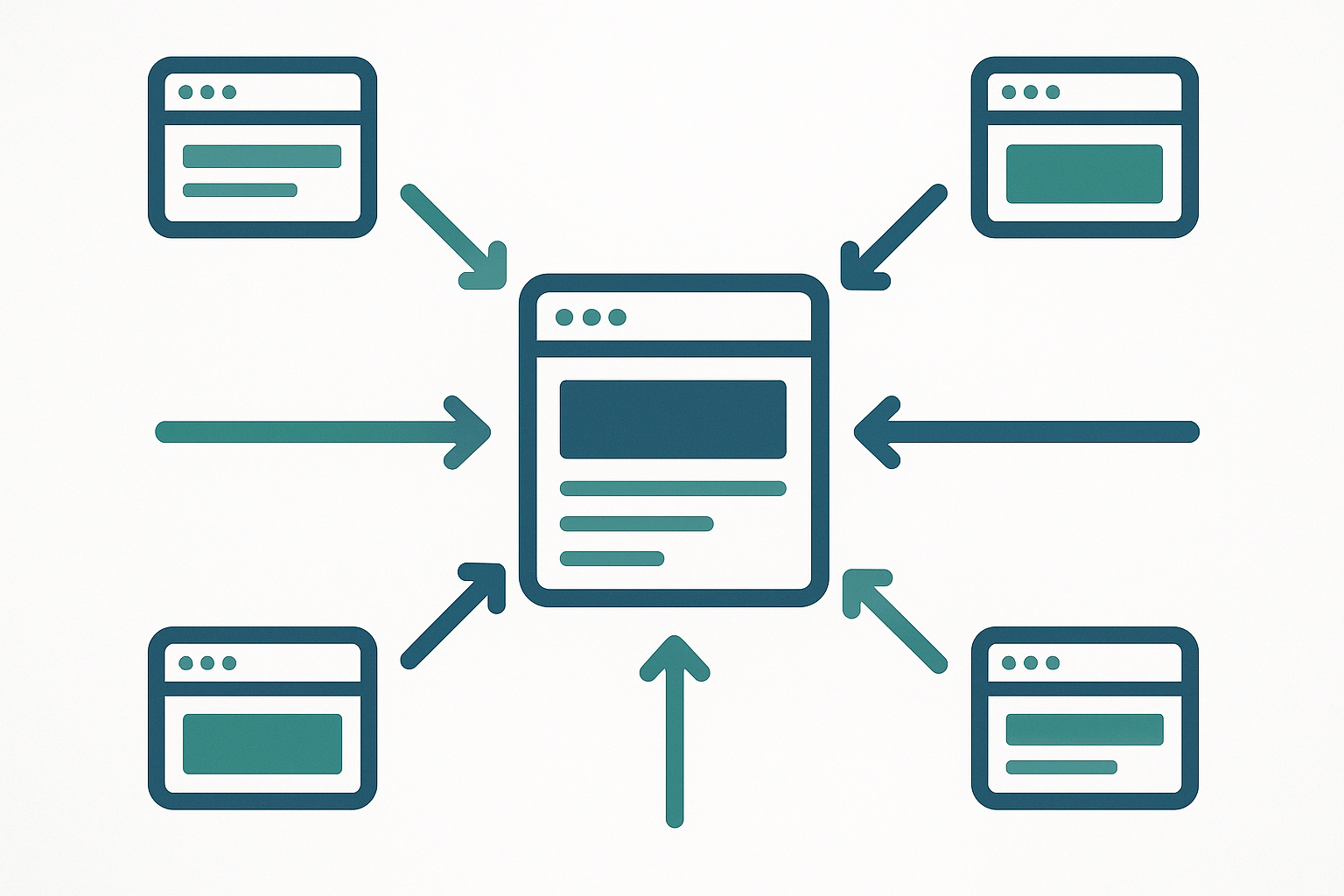
Backlinks from high-authority external sites transfer greater link equity, which directly raises a page’s Moz Rank score.
Practical Steps to Improve Your Score
Improving your link authority score requires a deliberate and sustained link-building strategy. The following steps provide a clear path forward regardless of where your site currently stands.
- Audit your existing backlink profile. First, use Moz’s Link Explorer or a comparable tool to identify which pages already have strong link equity and which have none. This baseline data guides where to focus your efforts.
- Create genuinely link-worthy content. Next, publish original research, comprehensive guides, or data-driven studies that give other publishers a reason to cite your pages. High-value content earns links naturally over time.
- Conduct targeted outreach. Identify authoritative websites in your niche and reach out with personalized pitches. Guest posting, expert quotes, and resource page inclusions are all effective outreach tactics.
- Reclaim lost or broken backlinks. Additionally, monitor for links that have been removed or now point to 404 pages. Reaching out to restore those links is one of the fastest ways to recover lost link equity.
- Optimize internal linking. Finally, use strategic internal links to distribute existing link equity from high-scoring pages to pages that need a boost. This amplifies the impact of every external link you earn.
Resources like Rank Authority offer additional guidance on building a sustainable link profile that steadily improves your scores over time.
Common Mistakes That Hurt Link Authority
Many site owners unknowingly undermine their link authority by making avoidable errors. Understanding these pitfalls helps you protect the equity you have already built.
Buying low-quality links is one of the most damaging mistakes. Although these links may temporarily inflate your score, Moz’s index updates regularly, and spammy links from low-authority domains contribute very little positive value. In some cases, they can signal poor link hygiene to search engines.
Ignoring link decay is another common oversight. Links naturally disappear over time as websites restructure or close. Because of this, a passive approach to link maintenance will cause your score to drift downward even if you are not actively doing anything wrong.
Focusing only on homepage links also limits growth. Deep links pointing to specific blog posts, product pages, or resource pages distribute authority more broadly across your site. As a result, your overall link profile becomes more resilient and comprehensive.
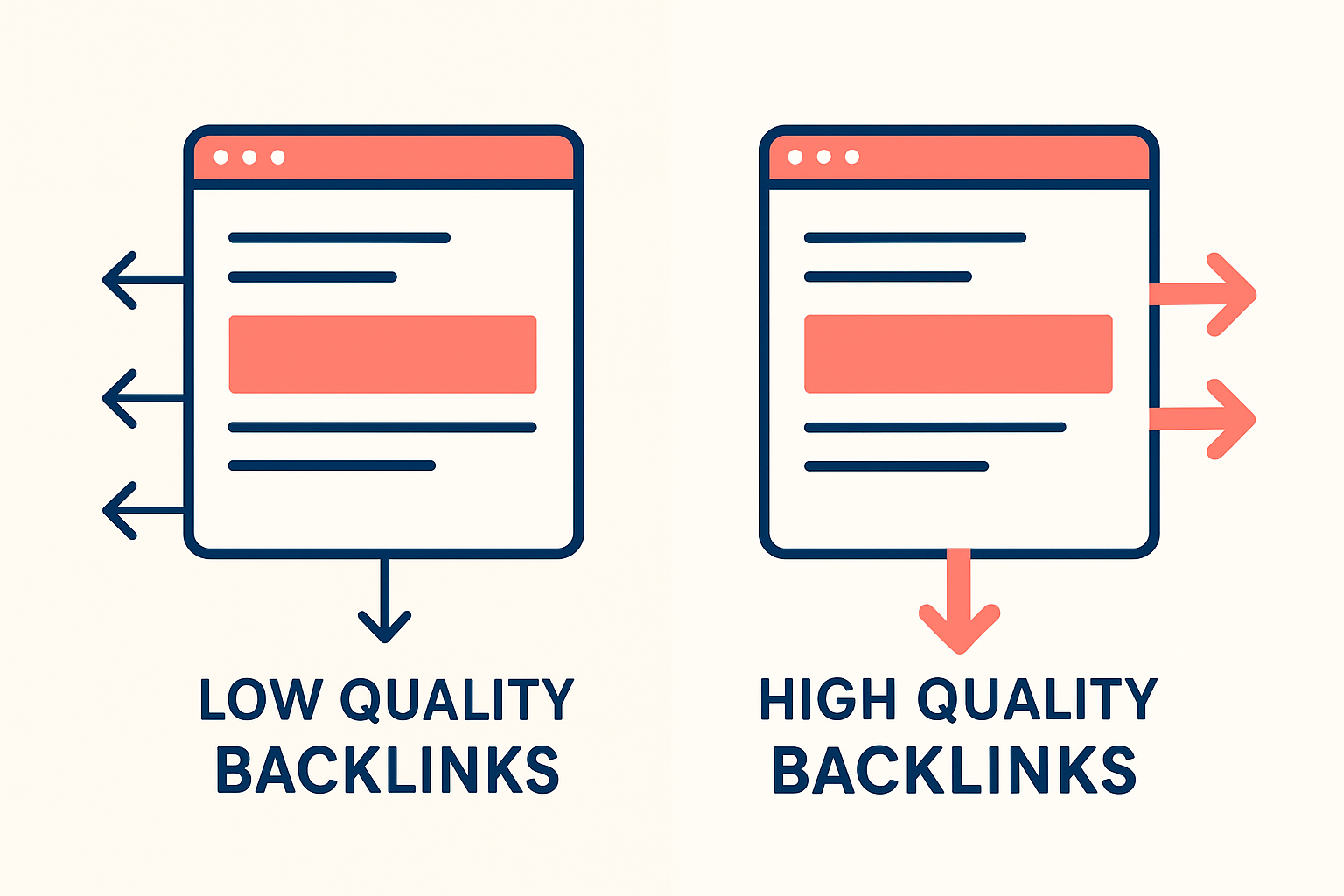
Earning fewer, higher-quality backlinks is far more effective than accumulating many low-quality links when building link authority.
How This Metric Fits Into a Broader SEO Strategy
No single metric tells the complete story of a page’s SEO performance. However, Moz Rank serves as a fast and reliable proxy for link strength when you are evaluating competitors, prospecting for link opportunities, or reporting progress to stakeholders.
When combined with metrics like Domain Authority, Page Authority, and organic traffic data, it gives you a multi-dimensional view of where a page stands. For instance, a page with a high Moz Rank but low organic traffic may have strong links but weak on-page optimization or poor keyword targeting.
Platforms such as Rank Authority help SEO professionals contextualize these metrics alongside real-world ranking data, making it easier to prioritize the right actions at the right time.
Key Takeaway on Moz Rank
Moz Rank is a practical, fast-read indicator of a page’s backlink authority that every SEO practitioner should understand. While it does not directly influence Google’s algorithm, the underlying factor it measures — link quality — is one of the most powerful ranking signals in search. Therefore, improving your Moz Rank almost always correlates with stronger organic performance. By focusing on earning high-quality backlinks, maintaining a clean link profile, and distributing equity intelligently through internal linking, you can steadily raise your score and build lasting search visibility.
Frequently Asked Questions About Moz Rank
What is Moz Rank?
Moz Rank is a logarithmic 0–10 score developed by Moz that measures the link authority of a webpage based on the quantity and quality of external backlinks pointing to it. A higher score indicates stronger link equity and greater potential to rank in search engines.
How is Moz Rank calculated?
It is calculated using a logarithmic algorithm similar to Google’s original PageRank. Both the number and quality of linking pages are considered, so one link from a high-authority site can outweigh hundreds from low-quality sources.
What is a good Moz Rank score?
A score between 3 and 5 is considered average for most websites. Scores above 6 indicate strong link authority, while scores of 7 or higher are typically reserved for highly authoritative domains like major news outlets or government sites.
What is the difference between Moz Rank and Domain Authority?
Moz Rank measures the link authority of an individual page, while Domain Authority measures the overall ranking strength of an entire domain. Both are Moz metrics, but they evaluate different scopes of a website’s authority.
Is Moz Rank the same as Google PageRank?
No, they are not the same. Moz Rank is a third-party metric developed by Moz, whereas PageRank is Google’s internal proprietary algorithm. Additionally, Google no longer publicly displays PageRank scores.
How can I check my Moz Rank?
You can check it using Moz’s Link Explorer tool or the MozBar browser extension. Third-party SEO platforms that integrate Moz data also display the score alongside other link metrics.
How do I improve my Moz Rank?
Focus on earning high-quality backlinks from authoritative websites in your niche. Creating link-worthy content, publishing original research, and conducting targeted outreach to relevant sites are among the most effective strategies.
Does Moz Rank directly affect Google rankings?
Moz Rank itself does not directly influence Google’s algorithm because it is a third-party metric. However, the backlink quality it measures is a core Google ranking signal, so improving your score typically correlates with better search performance.
Why did my Moz Rank drop suddenly?
A sudden drop usually means high-authority sites that previously linked to your page have removed or changed those links. It can also result from Moz refreshing its index and recalculating scores based on updated link data.
What is the difference between Moz Rank and Page Authority?
Moz Rank measures link popularity on a 0–10 scale, while Page Authority is a broader 0–100 score that predicts how likely a specific page is to rank using multiple factors. Page Authority is generally considered the more comprehensive metric.
What does the logarithmic scale mean for Moz Rank?
A logarithmic scale means each point increase requires significantly more link equity than the previous point. Therefore, moving from 5 to 6 is far harder than moving from 2 to 3, because the difficulty increases exponentially at higher levels.
Can internal links affect Moz Rank?
Yes, internal links can distribute link equity across your site and modestly influence individual page scores. However, external backlinks from authoritative third-party domains have a far greater impact on raising a page’s score.

