

Perplexity is an AI-powered search engine that combines large language models with real-time web retrieval to deliver conversational, source-cited answers — rather than a traditional list of blue links. It represents a fundamentally different approach to how people find and consume information online. See our guide to hidden content SEO for optimization tactics that improve discovery by AI systems.
How the Perplexity AI search engine actually works
At its core, Perplexity operates by running a live web search when you submit a query, then passing those retrieved results to a large language model (LLM) that synthesizes them into a single coherent answer. Read about AI search optimization features that make sources more discoverable to RAG systems.
Additionally, every claim in the generated answer is tied to a numbered citation that links directly to its source page. Therefore, users can immediately verify any piece of information rather than taking the AI’s word for it. This transparency sets Perplexity apart from tools like ChatGPT in its default configuration. See our GEO best practices.
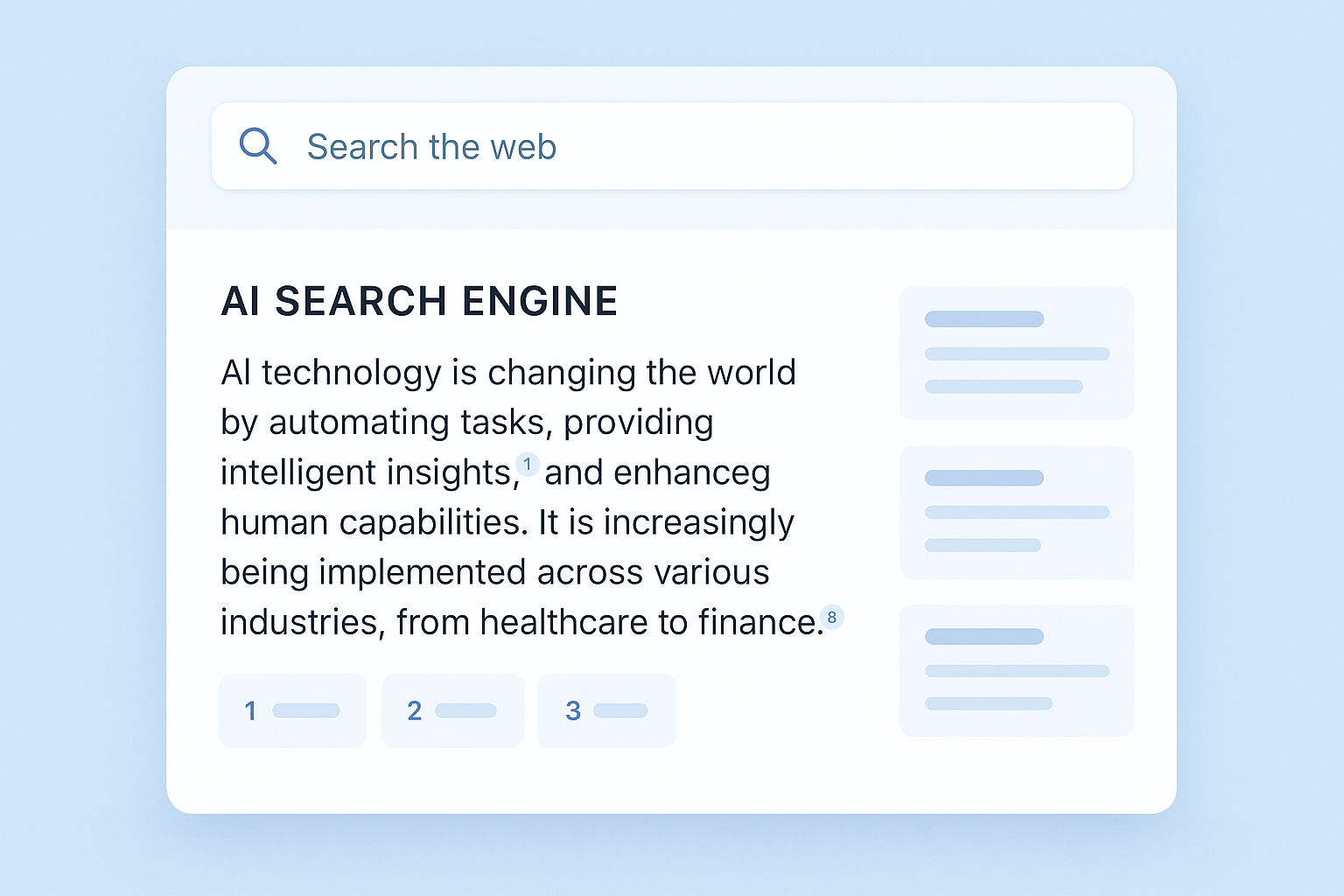
Perplexity delivers synthesized answers with inline citations, replacing the traditional link-list format of conventional search. Learn how to optimize for AI answers in our LLM visibility optimization guide.
Key Features of Perplexity AI Search
Perplexity ships with several capabilities that make it genuinely useful for research, writing, and day-to-day information needs. Below are the most important ones to understand about AI-driven SEO tools.
Threaded Follow-Up Conversations
Unlike a traditional search engine, Perplexity supports multi-turn conversations. You can ask a follow-up question and the system retains the prior context, so your next query builds naturally on what came before. For example, if you ask about the history of large language models and then follow up with “who were the key researchers?”, Perplexity understands the subject without you repeating it. See our AI content writing for SEO guide for conversational prompts.
Model Selection for Pro Users
Pro subscribers can choose which underlying AI model powers their search. Options have included models from OpenAI, Anthropic’s Claude, and Perplexity’s own in-house models. As a result, power users can match the model to the task — for instance, selecting a reasoning-heavy model for complex analytical questions.
File Upload and Document Analysis
Pro users can upload PDFs, spreadsheets, and images and then interrogate the content directly. This is particularly valuable for summarizing long research papers, extracting key data from reports, or comparing multiple documents side by side. In practice, this turns Perplexity into a personal research analyst.
Spaces for Team Collaboration
Perplexity Spaces are shared workspaces where teams can pool searches, upload shared documents, and build a collective knowledge base. This feature is designed for professional environments where multiple people need to query the same body of information consistently.
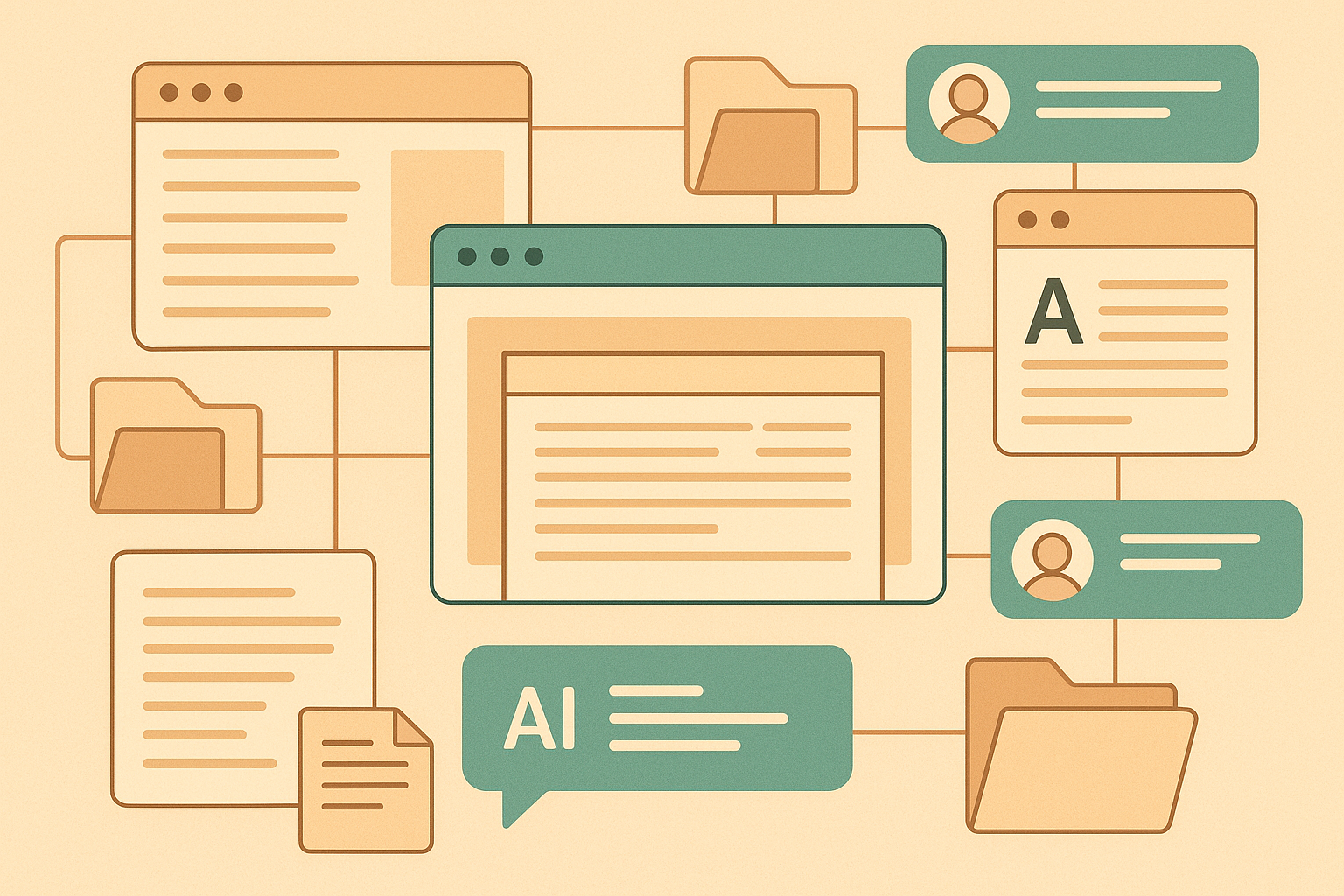
Perplexity Spaces allow teams to collaborate on AI-assisted research within a shared, organized environment; learn how tools integrate with team workflows in AI search optimization tools.
Perplexity vs. Google: A Practical Comparison
Google Search and Perplexity serve different but sometimes overlapping needs. Google excels at navigational queries — finding a specific website, browsing product options, or discovering a broad topic through multiple perspectives. However, when you need a direct, synthesized answer to a specific question, Perplexity is often faster and more useful. For broader context on ranking fundamentals, read our search engine optimization guide.
Consider a query like “What are the main differences between BERT and GPT architectures?” Google would return a list of articles you must individually open and read. Perplexity, in contrast, synthesizes the key distinctions into a single structured answer with citations you can verify. For researchers and professionals, this saves significant time.
That said, Google still leads in local search, e-commerce discovery, and real-time trending news. Therefore, the most effective approach is to use both tools depending on the type of query you have, rather than treating them as direct substitutes.
Quick Answer: What Is Perplexity Best For?
Perplexity is best suited for research questions that require synthesized, cited answers — such as technical explanations, academic topic summaries, comparative analyses, and current events. It is less ideal for navigational searches or e-commerce browsing where link exploration matters more. For tools that support content automation, see automated SEO tools.
Free Plan vs. Pro Plan: What Do You Actually Get?
The free tier of Perplexity provides access to standard AI search with a limited number of Pro-mode searches per day. For casual users who primarily ask straightforward questions, the free plan is genuinely sufficient. Meanwhile, the Pro plan — priced at approximately $20 per month — unlocks unlimited Pro searches, advanced model selection, image generation, and document upload analysis.
For marketers, journalists, analysts, or anyone who relies on AI-assisted research daily, the Pro plan delivers clear value. According to Rank Authority, understanding how AI search tools like Perplexity retrieve and cite content is increasingly important for content strategy and SEO planning.
Why This Matters for SEO and Content Visibility — Rank Authority features
Because Perplexity cites the web pages it draws from, appearing as a cited source in its answers can drive brand awareness and referral traffic. This has given rise to a new discipline sometimes called generative engine optimization (GEO) — the practice of structuring content so that AI search engines surface and cite it prominently. Learn which features matter in AI-driven SEO tools to increase citation likelihood.
In practice, content that is well-structured, factually accurate, and clearly authoritative tends to be cited more often. Additionally, pages that directly answer specific questions — rather than burying answers in long preambles — align better with how retrieval-augmented systems select and quote source material. Resources like Generative Engine Optimization cover these emerging optimization strategies in depth.
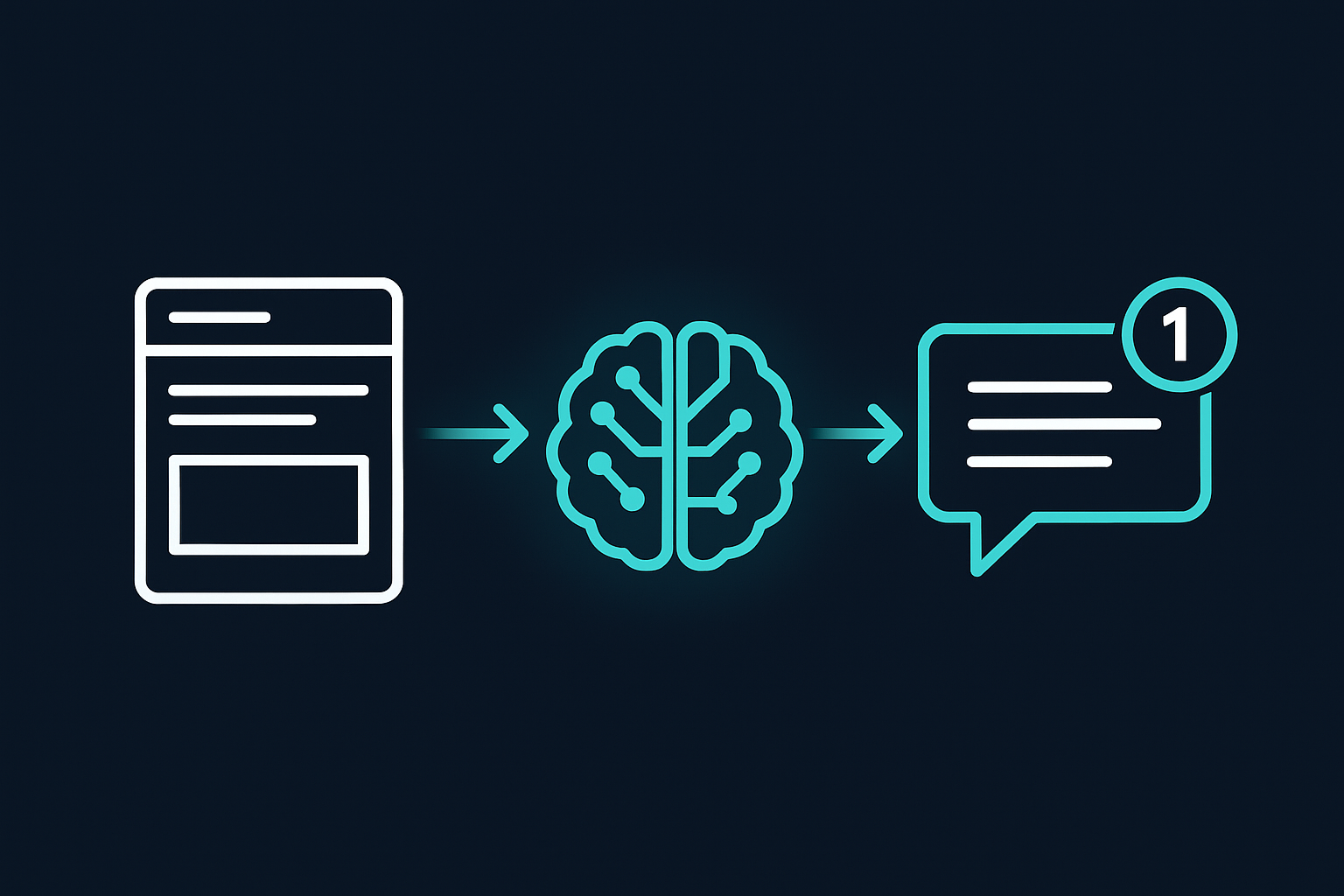
Retrieval-augmented generation lets Perplexity pull from live web sources and cite them directly in each answer.
Common Mistakes When Using Perplexity
Even though Perplexity is more reliable than a citation-free chatbot, users still make avoidable errors. First, many people treat its answers as final without clicking through to the cited sources — particularly for medical, legal, or financial information. Always verify high-stakes facts at the primary source.
Second, users sometimes phrase queries too broadly. Because Perplexity is designed for conversational specificity, a narrow, well-formed question typically returns a more precise and useful answer than a vague one-word search. For guidance on optimizing content visibility for AI systems, see AI and search rankings. Finally, overlooking the model-selection feature on Pro means missing the opportunity to match the AI’s reasoning style to your specific task.
Frequently Asked Questions About Perplexity
Final Thoughts on Perplexity as a Research Tool
In summary, perplexity has established itself as one of the most practical AI search tools available today, particularly for users who need fast, cited, and conversational answers to specific questions. Learn more about AI-driven SEO tools that increase the chances of being surfaced and cited.
As AI-driven information retrieval continues to mature, understanding tools like Perplexity becomes increasingly important not just for end users but also for content creators and SEO professionals who want their work to be discovered and cited in this new landscape. The shift from link lists to synthesized answers is already underway — and Perplexity is at the center of it.

