
Ahrefs SEO tool guide: Ahrefs is an all-in-one SEO platform that gives marketers, site owners, and SEO professionals deep visibility into <a href="https://rankauthority.com/how-to-search-backlinks-and-boost-your-seo-rankings">search backlinks</a>, keyword rankings, and site health. Because it combines multiple research tools under one roof, it has become one of the most trusted names in the SEO industry. Whether you are just starting out or scaling an established content strategy, understanding what Ahrefs offers can meaningfully accelerate your results. Learn about other top SEO tools that complement Ahrefs.
What Is Ahrefs and Why It Matters — Ahrefs SEO tool guide
Ahrefs is a web-based SEO toolset founded in 2011 and headquartered in Singapore. It is best known for maintaining one of the largest backlink indexes on the internet, crawling billions of pages every day to keep its data fresh. As a result, SEO teams around the world rely on it as a primary source of competitive intelligence.
The platform matters because organic search is still one of the highest-ROI marketing channels available. Therefore, having accurate data about who links to your competitors, which keywords drive traffic, and what technical issues hold your site back gives you a significant strategic edge.
Direct Answer: Ahrefs is an SEO platform that combines backlink analysis, keyword research, site auditing, rank tracking, and content research in one interface. It helps users understand why competitors rank, where how to search backlinks opportunities exist, and which technical issues are limiting organic growth.
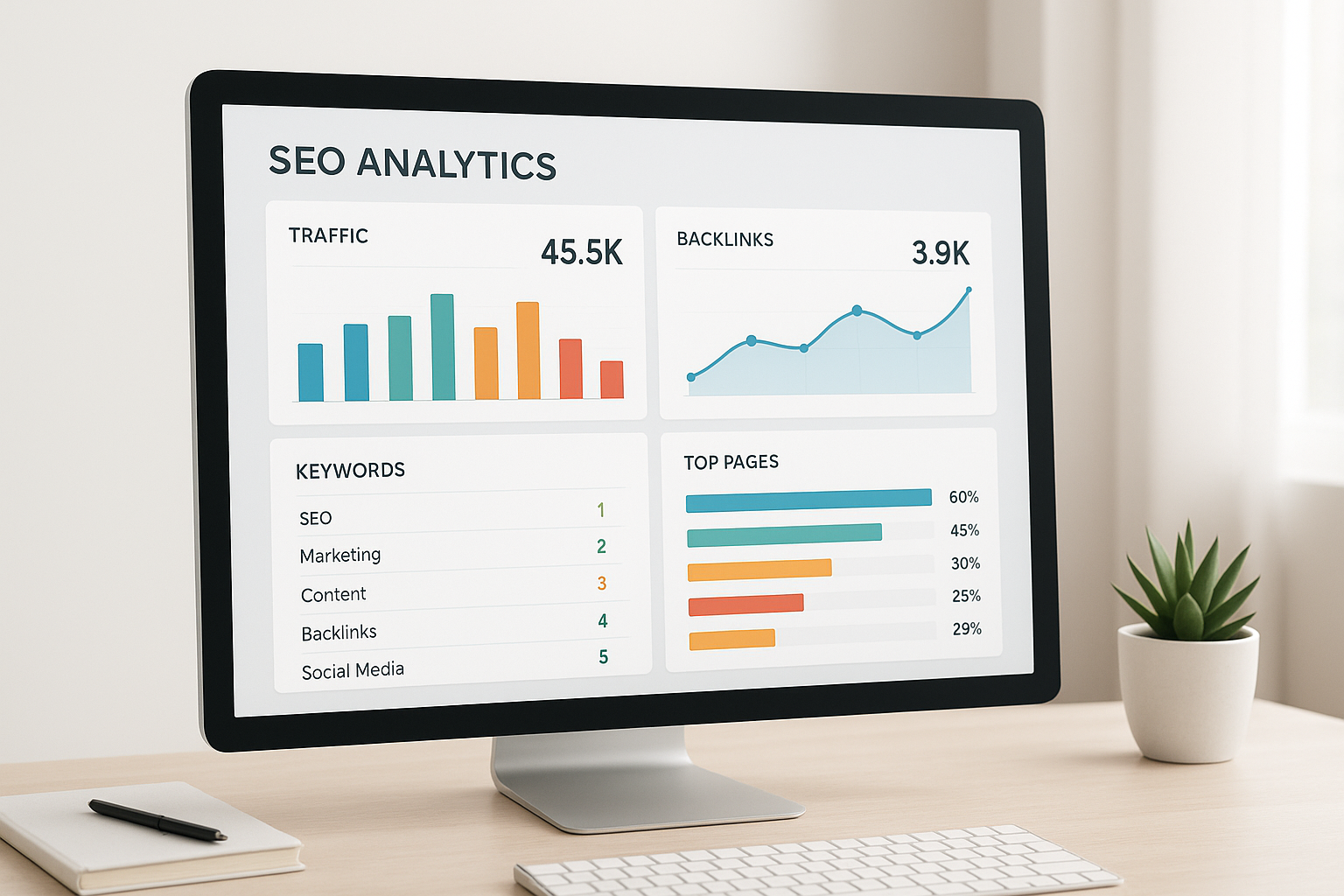
Ahrefs provides a centralized dashboard for tracking backlink checker, keyword rankings, and site health metrics in one place.
Core Features Inside the Platform
Ahrefs is organized around five primary tools. Each one addresses a specific part of the SEO workflow, and together they cover nearly every research task a practitioner needs. For a broader comparison, see our best SEO tools guide.
Site Explorer
Site Explorer is the flagship feature. It lets you enter any domain or URL and instantly see its organic traffic estimate, top ranking keywords, and full backlink profile. Additionally, you can filter referring domains by Domain Rating, anchor text, and link type to identify the most valuable link sources.
For competitive research, Site Explorer is particularly powerful. You can compare your backlink growth against a competitor’s and spot exactly when they earned high-authority links — giving you a roadmap for your own outreach.
Keywords Explorer
Keywords Explorer provides keyword ideas, search volume estimates, keyword difficulty (KD) scores, and click-through rate data. In practice, the Keyword Difficulty score is one of the most useful filters — it estimates how many backlinks a page likely needs to rank in the top 10. However, it should be used alongside content quality signals rather than as a standalone metric.
One underused feature is the “Questions” filter, which surfaces long-tail queries phrased as questions. These are often ideal for featured snippet targeting and FAQ content.
Site Audit
Site Audit crawls your website on a schedule and identifies technical SEO issues such as broken internal links, missing canonical tags, slow Core Web Vitals, and duplicate content. It then assigns each issue a priority level so you know where to focus first.
Because technical issues can silently suppress rankings for months, running a regular Site Audit is one of the highest-value habits an SEO team can build. The tool integrates with Google Search Console data for even more granular diagnostics.
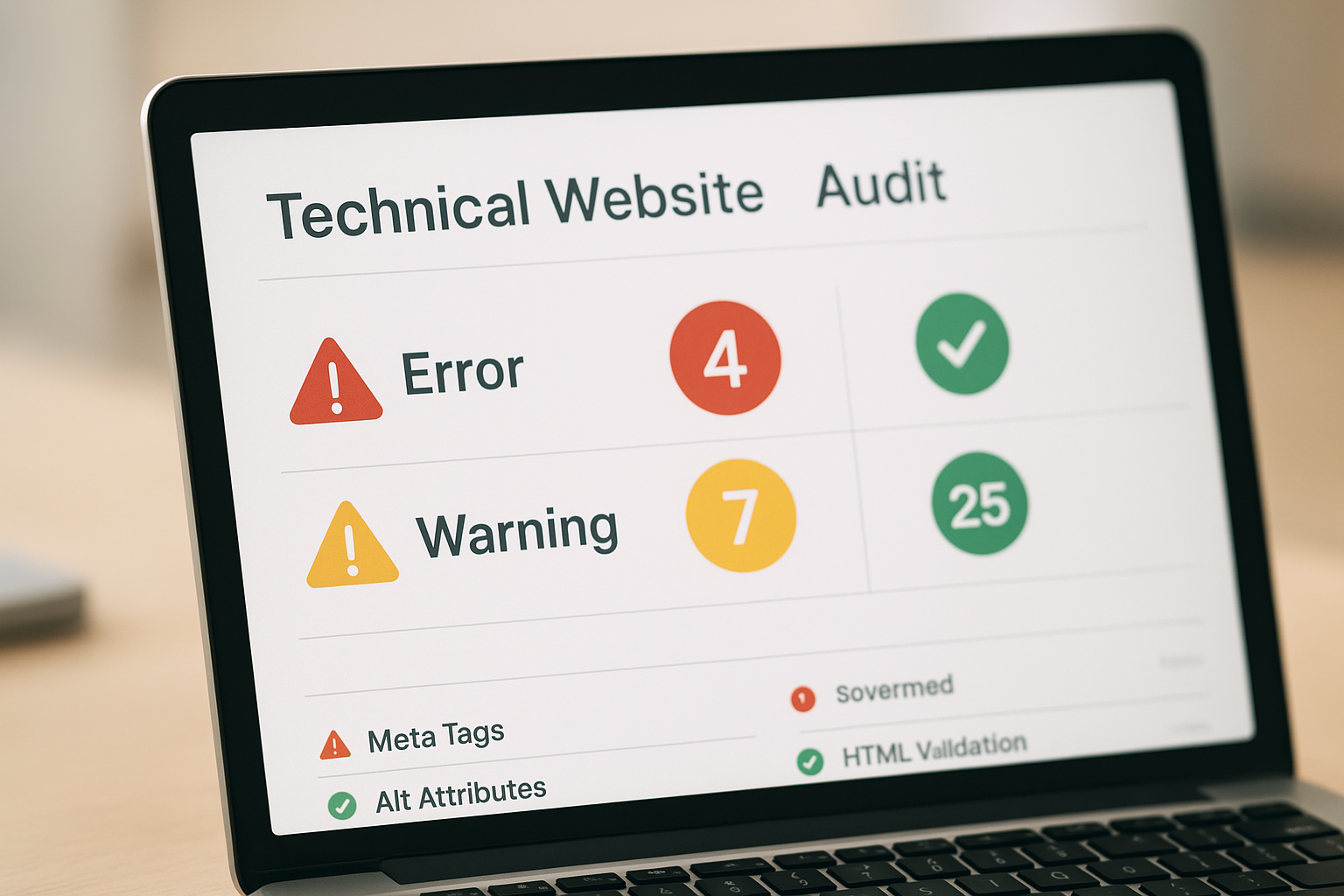
A regular site audit helps surface hidden technical issues that can quietly suppress your organic rankings over time.
Rank Tracker and Content Explorer
Rank Tracker monitors keyword positions across countries, devices, and search engines over time. It provides visibility reports and SERP feature tracking so you can see whether you are gaining or losing featured snippets and image packs. For strategies on sustained performance, read our long-term search rankings guide.
Content Explorer, meanwhile, functions as a searchable database of over a billion web pages. You can search any topic and filter results by Domain Rating, organic traffic, and referring domains to find proven content ideas and backlink checker.
Understanding Domain Rating and URL Rating
Two proprietary metrics define much of how Ahrefs users evaluate link quality; see our Ahrefs domain comparison for a deeper walkthrough. Domain Rating (DR) measures the strength of an entire website’s backlink profile on a scale of 0 to 100. URL Rating (UR) applies the same concept to individual pages. Both metrics use a logarithmic scale, meaning the jump from DR 70 to DR 80 requires significantly more link equity than the jump from DR 20 to DR 30.
It is important to note that DR and UR are not Google ranking factors. However, they correlate strongly with organic performance because high-DR sites tend to earn links naturally, which does influence rankings. For this reason, they serve as useful proxies when evaluating potential link partners or content benchmarks.
Ahrefs Pricing and Plan Options
Ahrefs offers a free entry point through Ahrefs Webmaster Tools (AWT), which gives site owners access to Site Audit and Site Explorer data for their own verified domains. This is particularly valuable for small businesses and solo creators who need actionable data without a paid subscription.
Paid plans in 2025 include:
- Lite — approximately $129/month, ideal for freelancers and small teams
- Standard — approximately $249/month, adds historical data and more crawl credits
- Advanced — approximately $449/month, includes additional users and advanced reports
- Enterprise — custom pricing for large agencies and in-house teams
For teams evaluating their options, resources like SEO pricing guide offer detailed comparisons of SEO tools to help you choose the right plan for your specific goals and budget.
How to Get the Most Value From the Tool
Getting real results from Ahrefs requires more than logging in and exploring dashboards. First, connect your Google Search Console account for richer data inside Site Audit. Next, build a competitor list of three to five sites in your niche and run them through Site Explorer to map their top-performing content and strongest backlink sources.
Additionally, use the Content Gap tool — found inside Site Explorer — to identify keywords your competitors rank for that your site does not. This is often the fastest path to finding high-opportunity topics. Finally, schedule a weekly Rank Tracker check to monitor movement and tie ranking changes to your publishing and link-building activity.
For deeper strategic guidance on building authority alongside these tools, Rank Authority covers proven frameworks for turning Ahrefs data into measurable ranking improvements. Learn practical steps in our increase website authority guide.
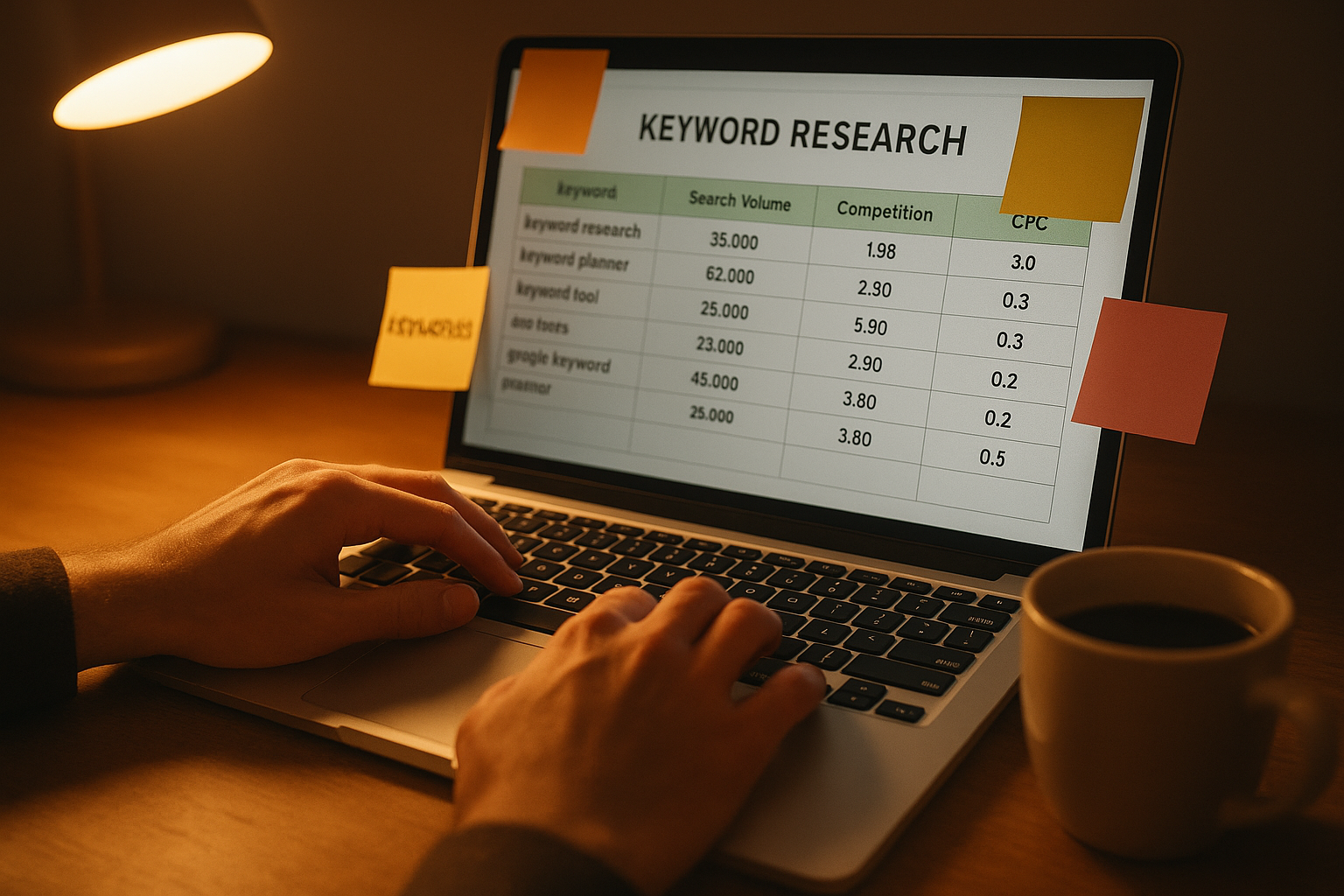
A structured keyword research workflow using tools like Ahrefs can uncover high-value opportunities your competitors have already validated. See our keyword research guide for a step-by-step approach.
Common Mistakes to Avoid
Even experienced users make avoidable errors with Ahrefs. One of the most frequent is treating Domain Rating as the only measure of a backlink’s value. In contrast, a link from a highly relevant but lower-DR site can drive more SEO value than one from a high-DR site in an unrelated niche; consider automated backlink building tactics.
Another common mistake is ignoring the “Lost Backlinks” report inside Site Explorer. Because backlinks disappear regularly due to site redesigns and content removals, monitoring lost links lets you reclaim them through targeted outreach before their absence affects your rankings.
Finally, many users skip the Site Audit entirely after initial setup. However, technical issues accumulate over time, and a monthly crawl is the most reliable way to catch problems before they compound.
Ahrefs vs. Competing SEO Tools
The two most common comparisons are Ahrefs versus Semrush and Ahrefs versus Moz. Semrush offers a broader digital marketing suite that includes PPC data, social media tracking, and a more extensive content marketing toolkit. Ahrefs, however, is widely regarded as superior for backlink data freshness and depth.
Moz, meanwhile, pioneered many of the domain authority concepts that Ahrefs later refined. Although Moz remains a solid choice for beginners, Ahrefs provides more granular data at scale. For most professional SEO workflows, Ahrefs or Semrush will be the primary tool, with the other used for cross-validation.
In summary: Ahrefs is one of the most capable and data-rich SEO platforms available in 2025. Whether you use it for backlink audits, keyword gap analysis, or technical site health, the insights it provides are directly actionable. Pairing Ahrefs with a clear strategy — such as the frameworks outlined at Rank Authority and our best SEO tools roundup — is one of the most effective ways to turn raw data into sustainable organic growth.
Frequently Asked Questions About Ahrefs
What is Ahrefs and what is it used for?
Ahrefs is an all-in-one SEO platform used for backlink analysis, keyword research, competitor analysis, site audits, and rank tracking. It is widely used by SEO professionals and digital marketers to improve organic search visibility.
How much does Ahrefs cost in 2025?
Ahrefs offers a free Ahrefs Webmaster Tools plan for site owners. Paid plans begin at approximately $129 per month for the Lite tier, with Standard, Advanced, and Enterprise plans available at higher price points.
Is Ahrefs better than Semrush?
Both are industry-leading SEO tools. Ahrefs is generally considered superior for backlink analysis and link data freshness, while Semrush offers a broader digital marketing toolkit including PPC and social data. The best choice depends on your specific workflow.
What is Domain Rating in Ahrefs?
Domain Rating (DR) is an Ahrefs metric that measures the strength of a website’s backlink profile on a scale from 0 to 100. A higher DR generally indicates a more authoritative site in terms of inbound links, though it is not a direct Google ranking factor.
Can beginners use Ahrefs effectively?
Yes, beginners can use Ahrefs effectively, especially starting with the free Webmaster Tools plan. The platform includes tutorials and a detailed help center, and its interface guides new users through core SEO tasks without requiring advanced technical knowledge.
What is Ahrefs Keywords Explorer?
Keywords Explorer provides keyword ideas, search volume estimates, keyword difficulty scores, and click-through rate data across multiple search engines. It is particularly useful for identifying long-tail opportunities and estimating the competition level for any given search term.
How does Ahrefs Site Audit work?
Site Audit crawls your website and identifies technical SEO issues such as broken links, duplicate content, slow page speed, and missing meta tags. It then scores your site’s overall health and prioritizes issues by their likely impact on rankings.
What is Ahrefs Rank Tracker?
Rank Tracker monitors your keyword positions over time across different countries, devices, and search engines. It helps you measure the impact of SEO campaigns and quickly identify ranking drops that need investigation.
Does Ahrefs offer a free trial?
Ahrefs no longer offers a traditional free trial for paid plans. However, the free Ahrefs Webmaster Tools plan gives site owners meaningful access to Site Audit and Site Explorer data for their own verified domains at no cost.
What is the Ahrefs Content Explorer used for?
Content Explorer is a searchable database of over a billion web pages that helps you discover top-performing content in any niche, identify link-building opportunities, and research which topics generate the most backlinks and shares. It is especially useful for content ideation and outreach campaigns.
How accurate is Ahrefs keyword search volume data?
Ahrefs keyword search volume data is based on clickstream estimates rather than direct Google data, making it reliable for relative comparisons but less precise for exact traffic predictions. It is best used alongside other signals such as SERP competition and click-through rate data.
What common mistakes should you avoid when using Ahrefs?
Common mistakes include relying solely on Domain Rating to judge link quality, skipping regular Site Audits, and overlooking the Content Gap and Lost Backlinks reports. Additionally, many users fail to connect Google Search Console, which limits the diagnostic depth of the Site Audit tool.

