

If you have ever asked yourself how to start a blog, you are in excellent company — over 600 million blogs currently exist on the internet, and thousands of new ones launch every single day, according to Wikipedia’s overview of blogging. Starting a blog is one of the most accessible ways to build an online presence, share your expertise, and even generate income. Last updated: June 10, 2026.
However, the process can feel overwhelming without a clear roadmap. Therefore, this guide breaks every step down into plain language so you can go from zero to published — confidently and quickly.
What Is a Blog and Why Should You Start One?
A blog is a regularly updated website or web page, typically written in an informal or conversational style, where an individual or organization publishes articles on a specific topic. Blogging began as a form of online journaling in the late 1990s but has since evolved into a powerful tool for marketing, education, and brand building.
There are compelling reasons to start one. For example, businesses that blog consistently generate 67% more leads per month than those that do not, according to research cited by HubSpot’s marketing statistics. Furthermore, a well-maintained blog builds long-term search authority that compounds over time.

Starting a blog from a home office has never been more straightforward with today’s beginner-friendly platforms.
How Can I Start a Blog: The Complete Step-by-Step Process
Below is a proven, sequential process for launching your first blog. Follow each step in order for the smoothest possible experience.
Step 1 — Choose Your Blog Niche
Your niche is the specific topic or audience your blog will serve. Choosing wisely is critical because it shapes every future decision — from your domain name to your content strategy.
Start by listing topics you genuinely know and care about. Then, validate demand using free tools like Google Trends to confirm that people are actively searching for that subject. Specifically, look for niches with consistent search volume and manageable competition.
Avoid niches that are too broad (like “health”) or too narrow (like “left-handed guitarists in Nebraska”). Instead, aim for a focused topic with a real audience — for example, “plant-based cooking for busy parents.”
Step 2 — Pick the Right Blogging Platform
Your blogging platform is the software that powers your site. Several strong options exist, and the right choice depends on your goals and technical comfort level.
- WordPress.org — Self-hosted, fully customizable, and ideal for long-term growth and SEO.
- WordPress.com — Hosted version, easier to start but with fewer customization options on free plans.
- Blogger — Free, owned by Google, and suitable for hobby bloggers with no monetization goals.
- Ghost — A modern, minimalist platform popular with newsletter-focused creators.
For most people who want to grow, monetize, and optimize their blog, WordPress.org is the clear winner. It powers over 43% of all websites on the internet, according to W3Techs usage statistics. Additionally, its vast plugin ecosystem makes advanced SEO and AI SEO content creator workflows far more accessible.
Step 3 — Register a Domain Name and Set Up Hosting
Your domain name is your blog’s address on the internet (for example, yourblogname.com). Choose a name that is short, memorable, and relevant to your niche. Avoid hyphens and numbers when possible, as they are harder to remember.
Web hosting is the service that stores your blog’s files and makes them accessible online. Many hosting providers — such as Bluehost, SiteGround, and Hostinger — offer one-click WordPress installation, which removes the technical barrier entirely. Expect to pay roughly $3 to $10 per month for reliable starter hosting.
Step 4 — Install and Customize Your Theme
A theme controls the visual appearance of your blog. WordPress offers thousands of free and premium themes. For best results, choose a theme that is lightweight (loads fast), mobile-responsive (looks great on phones), and easy to customize without coding.
Popular beginner-friendly themes include Astra, Kadence, and GeneratePress. After installing your theme, customize your colors, fonts, and header logo to create a consistent brand identity that readers will recognize.
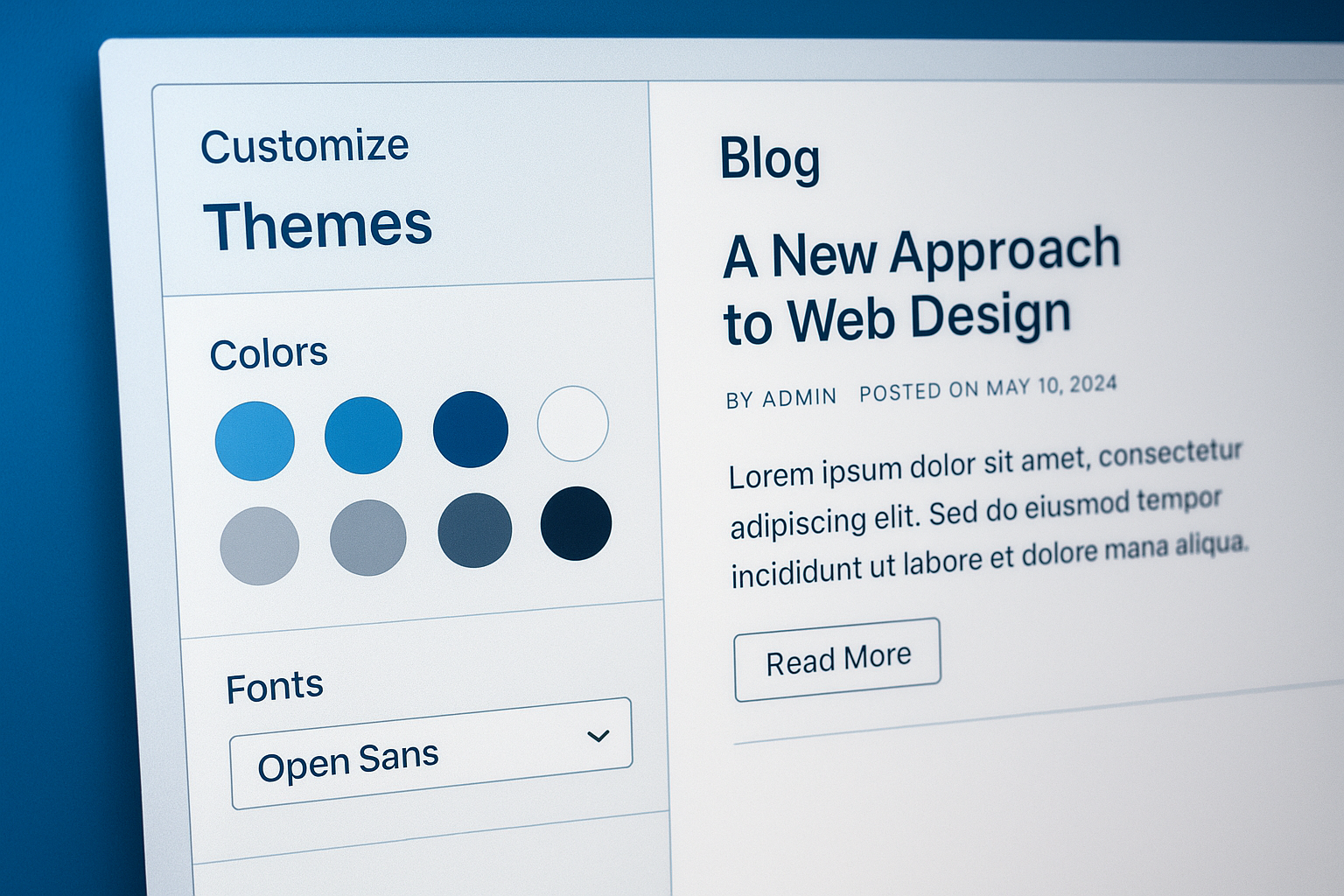
Customizing your WordPress theme is a key step when learning how to create a blog that stands out visually.
Step 5 — Write and Publish Your First Blog Post
Now comes the exciting part. Your first post does not need to be perfect — it needs to be published. Here are the core elements of a strong first blog post:
- A clear, keyword-targeted headline
- An engaging opening paragraph that hooks the reader
- Logical subheadings (H2 and H3) that break up the content
- Short paragraphs of two to four sentences each
- At least one relevant image with descriptive alt text
- A strong call to action at the end
For deeper guidance on publishing AI-assisted content efficiently, explore this detailed resource on AI-assisted blog publishing for WordPress — it covers the entire workflow from draft to live post.
Step 6 — Optimize Your Blog for Search and AI Discovery
Publishing without optimization is like opening a shop with no sign outside. Therefore, SEO — search engine optimization — is non-negotiable for any blog that wants organic traffic. For a step-by-step SEO walkthrough, see How to Do SEO.
Start by installing an SEO plugin such as Yoast SEO or Rank Math. Next, submit your sitemap to Google Search Console so your posts get indexed quickly. Additionally, perform keyword research before writing each post and include them naturally in your title, headings, and body text.
Why AI Optimization Matters for New Bloggers
Search is changing rapidly. AI-powered engines like Google’s Search Generative Experience and ChatGPT are reshaping how people find content online; learn how search engines work to optimize your strategy.
This is where platforms like rankauthority.com provide a genuine edge. Their automated Generative Engine Optimization (GEO) and Answer Engine Optimization (AEO) solutions help bloggers improve discoverability across both traditional and next-generation search — without requiring deep technical expertise. The 1-Click AI AutoPilot feature is particularly useful for bloggers who want results without a steep learning curve. Learn about the AI content creator tools that power faster publishing.
For bloggers focused on local audiences, this complete guide on AI blog posts for local businesses explains how to attract nearby customers through targeted content. Similarly, if you want to accelerate rankings from day one, the AI blog builder for SEO resource covers smarter content strategies that rank faster.
Common Mistakes to Avoid When Starting a Blog
Even motivated beginners make avoidable errors. Here are the most common pitfalls and how to sidestep them:
- Publishing without a content plan: Inconsistency kills momentum. Create a simple editorial calendar before you launch.
- Ignoring mobile optimization: Over 60% of web traffic now comes from mobile devices. Test every post on a phone before publishing.
- Skipping keyword research: Writing without understanding what your audience searches for is a wasted effort.
- Choosing a free domain: A subdomain like yourblog.wordpress.com looks unprofessional and limits SEO potential.
- Expecting overnight results: Most blogs take three to six months to gain meaningful organic traffic. Consistency and patience are essential.
How to Grow Your Blog After Launch
Launching is just the beginning. Consequently, sustained growth requires a combination of consistent publishing, active promotion, and ongoing optimization.
Build an email list from day one — even a simple opt-in form offering a free resource can convert readers into loyal subscribers. Share each new post across relevant social media channels, and consider repurposing your content into short videos or social graphics to extend its reach using content optimization tools.
Furthermore, internal linking — connecting related posts within your own blog — strengthens your site architecture and helps search engines understand your content hierarchy. For a streamlined approach to building and managing a content-rich blog, explore the AI blog builder tool, which automates much of the heavy lifting involved in scaling a blog’s content output.
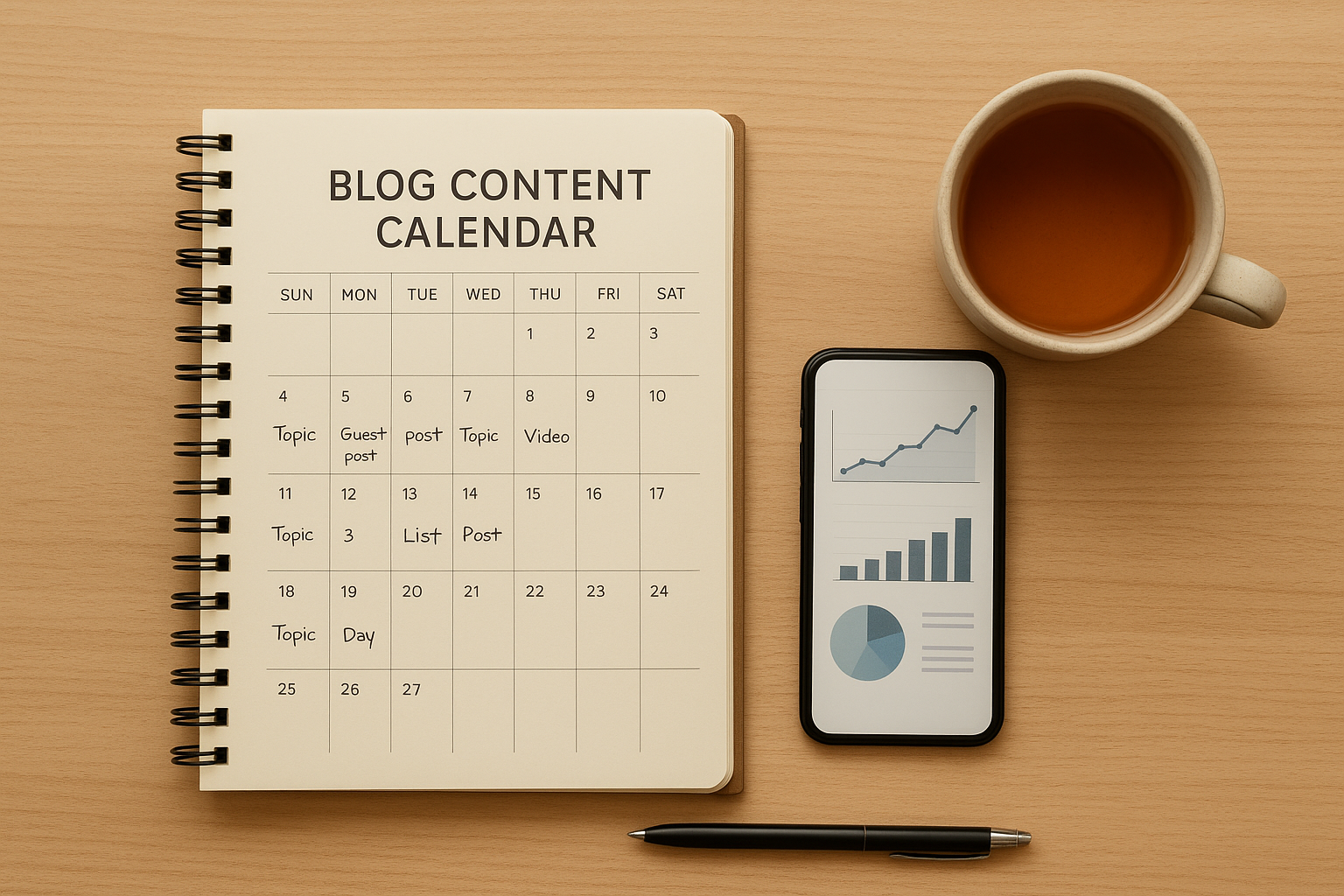
Planning your content calendar and monitoring analytics are essential habits for growing a successful blog.
Frequently Asked Questions About How to Start a Blog
How can I start a blog with no experience?
You can start a blog with no experience by choosing a beginner-friendly platform like WordPress.com or Blogger, picking a niche you know well, and publishing your first post. Most platforms offer guided setup wizards that walk you through every step without requiring any technical knowledge.
How much does it cost to start a blog?
Starting a blog can cost as little as $0 on free platforms, or around $50 to $150 per year when you purchase a custom domain and hosting. Premium themes and plugins are optional additions for beginners.
What is the best platform to start a blog on?
WordPress.org is widely considered the best platform for starting a blog because it offers full ownership, flexibility, and extensive SEO capabilities. Beginners often start on WordPress.com before migrating to self-hosted WordPress as their needs grow.
How long does it take to set up a blog?
You can set up a basic blog in under an hour using a hosted platform. A self-hosted WordPress blog with a custom domain and theme typically takes two to four hours to configure properly.
Do I need technical skills to start a blog?
No, you do not need technical skills to start a blog. Modern platforms like WordPress offer drag-and-drop editors and one-click installers that completely remove the need for coding knowledge.
How do I choose a blog niche?
Choose a blog niche by combining your personal interests with topics that have proven audience demand. Use free tools like Google Trends to validate search volume before committing to a direction.
How do I get traffic to my new blog?
Drive traffic through SEO, social media sharing, email newsletters, and guest posting on established sites. Consistent publishing and keyword-optimized content are the most reliable long-term strategies.
Can I make money from a blog?
Yes, bloggers can earn money through display advertising, affiliate marketing, sponsored posts, digital products, and online courses. Approximately 17% of bloggers earn a full-time income from their blogs, according to industry surveys.
What is the difference between a blog and a website?
A blog is a type of website that features regularly updated posts displayed in reverse chronological order. A traditional website typically contains static pages, while a blog emphasizes fresh, ongoing content.
How often should I publish blog posts?
Most SEO experts recommend publishing at least one to two posts per week when starting out. Consistency matters more than raw frequency — a reliable schedule builds audience trust and signals activity to search engines.
What is SEO and why does it matter for my blog?
SEO, or search engine optimization, is the practice of improving your blog’s visibility in search engine results. It matters because organic search is the largest traffic source for most blogs, often outperforming social media by a significant margin.
How can AI tools help me grow my blog faster?
AI tools can help you generate content ideas, optimize posts for search intent, automate publishing workflows, and improve discoverability across AI-powered search engines. Platforms like rankauthority.com offer automated GEO and AEO solutions specifically designed to help bloggers rank faster.
Conclusion: Your Blogging Journey Starts Now
Understanding how can I start a blog is the first step toward building something meaningful online. In summary, the process involves choosing a focused niche, selecting the right platform, securing a domain and hosting, customizing your design, publishing quality content, and optimizing for search visibility from day one.
Above all, the most important action you can take is to start. Imperfect action beats perfect inaction every time. As your blog grows, leverage AI-powered tools and smart content strategies — including the resources available through this comprehensive WordPress publishing guide — to accelerate your results and stay ahead in an increasingly AI-driven search landscape. Last updated: 2026-07-02. Author: Rank Authority editorial team.
Your audience is already searching for what you know. Therefore, the only thing left to do is show up.

