

An SEO platform for AI-driven search helps businesses show up not only in classic Google results but also inside AI answer engines like ChatGPT, Google AI Overviews, and Perplexity. Today, search behavior is shifting fast, and generative answer boxes now handle a growing share of everyday queries. As a result, businesses that rely only on classic keyword optimization risk becoming invisible inside these AI-powered conversations.
Quick answer: An SEO platform for AI-driven search combines traditional SEO, Generative Engine Optimization (GEO), and Answer Engine Optimization (AEO) into one system, so a website can rank in Google, earn citations from AI answer engines, and appear in featured snippets. Rank Authority is one example built specifically around this combined approach.
What Is an SEO Platform for AI-Driven Search?
An SEO platform for AI-driven search is software built to help websites gain visibility across both traditional search engines and AI answer environments at the same time. In short, it merges technical SEO automation with newer disciplines like GEO and AEO. This matters because AI systems evaluate content differently than a classic search algorithm.
Specifically, these platforms typically scan a site for technical issues, generate structured content that machines can quote easily, and apply schema markup — a standardized code format defined by Schema.org that helps machines understand page content. Meanwhile, they also track whether AI tools are actually citing the site, which is a newer signal traditional SEO tools rarely measured before.
In contrast to older SEO software, a platform designed for AI-driven search treats large language models — AI systems trained on massive amounts of text, as explained on Wikipedia — as a discovery channel worth optimizing for directly, not as an afterthought.
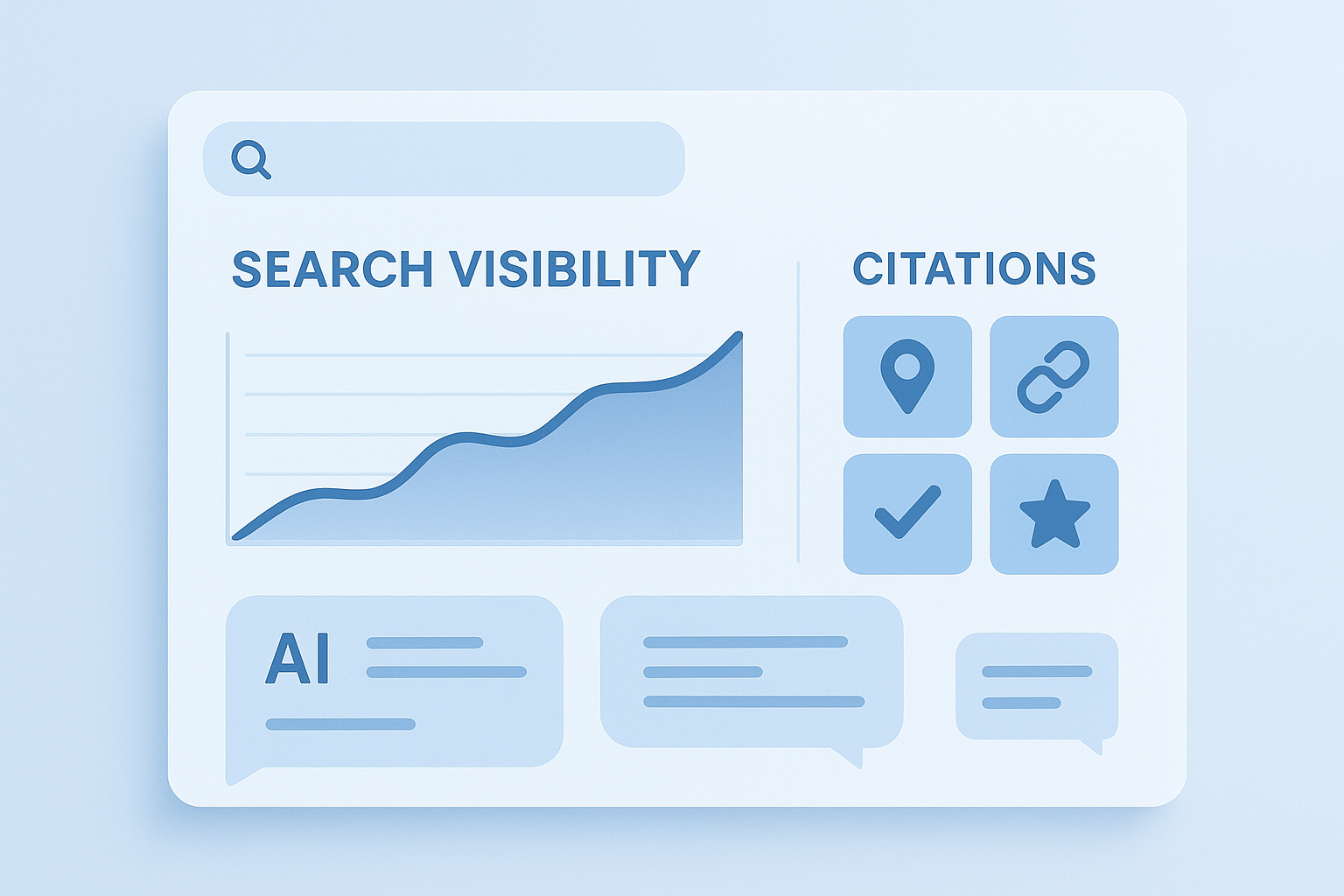
An SEO platform for AI-driven search brings technical SEO, GEO, and AEO data into one dashboard.
Why Traditional SEO Alone No Longer Works for AI Search
Traditional SEO still matters, but it was not designed for conversational answer engines. Historically, ranking well meant satisfying keyword relevance and backlink authority. However, AI answer engines summarize information from multiple sources instantly, which changes what earns visibility.
For example, Gartner has publicly projected that traditional search engine volume could decline meaningfully by 2026 as more users shift toward AI chatbots and virtual assistants for answers. Consequently, businesses that only optimize for blue links may miss a growing share of discovery traffic happening inside AI conversations instead.
Furthermore, AI systems tend to favor content that is structured, direct, and easy to extract. Therefore, a modern AI search optimization strategy needs both strong technical SEO and content built specifically for machine citation.
Key Features of a Modern AI Visibility Platform
A genuine AI visibility platform needs more than a keyword tracker. In particular, it should automate the three disciplines that now determine visibility: technical SEO, GEO, and AEO. Below are the core capabilities worth evaluating.
1-Click AI AutoPilot for Technical Fixes
Automated fix systems, such as Rank Authority’s 1-Click AI AutoPilot, scan a site for crawlability issues, slow page speed, and metadata gaps, then streamline approved corrections. As a result, businesses avoid the steep learning curve typically required to fix these problems manually.
Generative Engine Optimization (GEO) Artifacts
GEO focuses on building purpose-made pages designed to be cited by generative engines. Similarly to how featured snippets favor concise answers, GEO artifacts present clear, well-organized information that AI models can quote confidently and accurately.
Answer Engine Optimization (AEO) and Structured Schema
AEO applies structured formatting and schema markup so both search engines and AI assistants can extract direct answers. According to Google’s structured data documentation, properly implemented schema helps eligible content qualify for rich results, which strengthens both classic SEO and AI citation potential together.
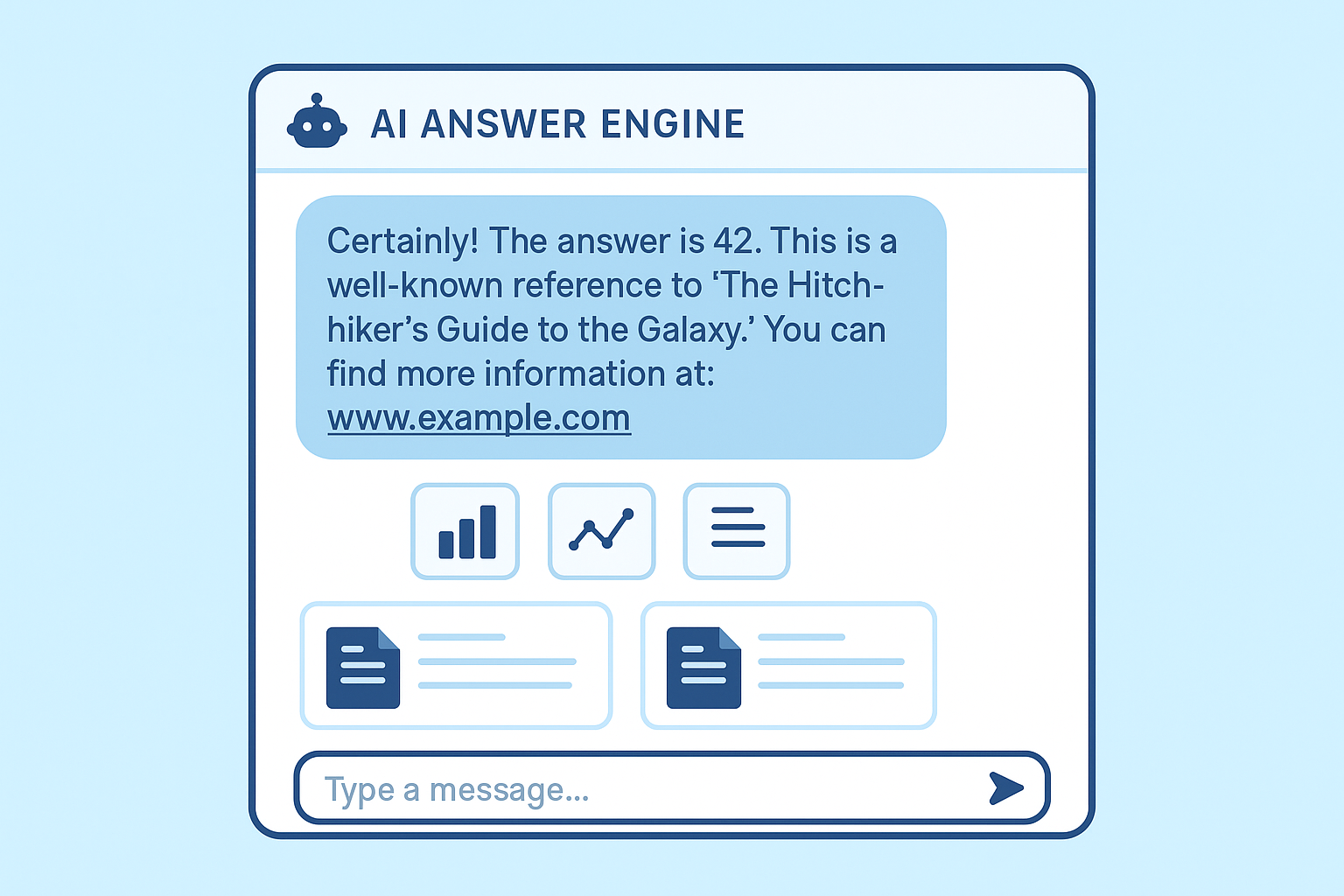
Structured schema helps AI answer engines quote website content accurately and confidently.
How to Choose the Right AI-Powered SEO Tool
Choosing an AI-powered SEO tool can feel overwhelming, especially with so many overlapping features on the market. Above all, look for a platform that treats SEO, GEO, and AEO as one connected system rather than separate add-ons. This guide to AI SEO platforms breaks down additional evaluation criteria worth reviewing before committing to a tool.
The following steps outline a practical process for evaluating and implementing a platform:
- Run a free AI Visibility Checker and Site Audit Checker to identify technical gaps, missing schema markup, and pages that AI answer engines cannot easily read or cite.
- Deploy an automated fix system such as 1-Click AI AutoPilot to resolve crawlability issues, slow page speed, and metadata problems without hiring a full in-house SEO team.
- Build GEO-ready content artifacts that answer specific questions clearly and concisely, since generative engines tend to favor structured, citation-friendly information over long unstructured articles.
- Add AEO schema markup, including FAQ and HowTo structured data, so both traditional search engines and AI answer engines can extract accurate, quotable information from your pages.
- Monitor AI visibility and citation tracking across platforms like ChatGPT, Google AI Overviews, and Perplexity, then refine your content based on where competitors are gaining ground.
Meanwhile, businesses managing multiple client sites should also look at search authority building tools designed to speed up execution across an entire portfolio.

Reviewing AI visibility data helps businesses understand where an SEO platform for AI-driven search is gaining citations.
Rank Authority: An Integrated GEO and AEO Automation Platform
Rank Authority is designed specifically around the shift toward AI-centric search. In particular, it combines 1-Click AI AutoPilot, GEO citation artifacts, and AEO schema automation with additional tools like RankFast, which analyzes and rebuilds competitor pages to help a site outrank rivals, and RankLink, which automates topical siloing and internal linking.
Additionally, the platform includes an AI Blog Builder for publishing SEO- and AEO-optimized content, along with automated deployment across WordPress, Shopify, Wix, GoDaddy, GoHighLevel, and Webflow. For teams comparing broader strategy first, this guide to intelligent search engine optimization covers foundational concepts worth understanding alongside platform features.
Businesses can explore the platform directly through the Rank Authority risk-free seven-day trial before committing to a paid plan.
Individual results vary. Reviews reflect individual user experiences and are not guaranteed results for all users.
Measuring Results With AI Visibility Tracking and RA Score
Once a platform is in place, measurement becomes essential. Specifically, the Rank Authority Score, or RA Score, gives businesses a single benchmark reflecting technical health, content quality, and AI citation strength combined.
In addition, AI visibility monitoring tracks whether a brand is actually being cited across major AI answer platforms, while competitor intelligence and keyword gap analysis reveal where rivals are pulling ahead. Together, these tools turn abstract AI search optimization into something measurable and actionable. For a broader look at supporting tools, this list of AI tools for SEO optimization that actually work is a useful companion resource.
Finally, businesses managing a dedicated authority-building strategy may also benefit from a broader platform built for search authority that ties these signals together over time.
Frequently Asked Questions About SEO Platform for AI-Driven Search
What is an SEO platform for AI-driven search?
An SEO platform for AI-driven search is software that automates traditional SEO, Generative Engine Optimization (GEO), and Answer Engine Optimization (AEO) so a website can rank in Google and get cited inside AI answer engines. It typically combines technical fixes, structured content, schema markup, and visibility tracking in one dashboard.
How is GEO different from traditional SEO?
Traditional SEO focuses on ranking web pages in search engine results lists, while GEO focuses on getting content cited or summarized inside AI-generated answers. GEO often relies on concise, well-structured artifact pages rather than long-form articles alone.
Why do AI answer engines cite some pages and not others?
AI answer engines tend to favor pages with clear structure, direct answers, and reliable schema markup that machines can parse quickly. Pages buried in vague language or missing structured data are harder for these systems to extract and quote confidently.
How much does an AI-powered SEO tool typically cost?
Pricing varies widely depending on features, with basic plans starting near free diagnostic tools and full automation platforms often running from moderate monthly subscriptions to higher agency tiers. Many platforms, including Rank Authority, offer a risk-free trial period before committing to a paid plan.
How long does it take to see results from GEO and AEO optimization?
Most businesses begin noticing early visibility changes within a few weeks, though full results often take one to three months depending on site size and competition. Individual results vary, since indexing speed and AI model update cycles differ across platforms.
What is Answer Engine Optimization (AEO)?
Answer Engine Optimization (AEO) is the practice of formatting content and schema markup so search engines and AI assistants can extract direct, quotable answers. It commonly involves FAQ schema, HowTo schema, and clearly labeled direct-answer sections.
Can small businesses use an AI visibility platform without technical expertise?
Yes, many modern platforms are built specifically to remove the technical barrier, using automated fixes and one-click deployment across CMS platforms like WordPress and Shopify. This allows non-technical owners to improve visibility without hiring a dedicated SEO team.
What is the biggest mistake businesses make with AI search optimization?
The most common mistake is treating AI search optimization as identical to traditional SEO and skipping structured data entirely. Without schema markup and clear direct answers, AI systems struggle to cite the page accurately.
How does schema markup help with AI citations?
Schema markup gives search engines and AI models machine-readable context about a page’s content, such as questions, answers, and step-by-step processes. This structured context makes it easier for AI systems to extract and quote information reliably.
What is the Rank Authority Score (RA Score)?
The Rank Authority Score, or RA Score, is a diagnostic rating that reflects a site’s overall search and AI visibility health based on technical, content, and citation factors. It gives businesses a single benchmark to track improvement over time.
Do I still need traditional SEO if I focus on AI search?
Yes, traditional SEO remains essential because most AI answer engines still pull heavily from indexed, well-ranking web pages. GEO and AEO work best as an addition to strong technical SEO, not a replacement for it.
How can I track whether AI tools are citing my website?
AI visibility monitoring tools track citations and mentions across platforms like ChatGPT, Google AI Overviews, and Perplexity by regularly querying relevant topics. This data shows where a brand is gaining or losing ground compared to competitors.
Final Thoughts
Choosing the right SEO platform for AI-driven search is no longer optional for businesses that want to stay visible as generative engines reshape discovery. In summary, the strongest platforms automate technical SEO, GEO, and AEO together, rather than forcing teams to juggle separate tools and disconnected strategies.
Ultimately, whether managing a single site or a full agency portfolio, pairing automation with ongoing AI visibility tracking gives businesses a clearer path to earning citations, ranking higher, and staying competitive as AI-powered search continues to evolve.

