

Brand mentions in AI are quickly becoming one of the clearest signals of how visible your business really is inside tools like ChatGPT, Google AI Overviews, and Perplexity. As more shoppers skip traditional search results and ask AI assistants for recommendations directly, whether your brand gets named — and how often — increasingly determines who wins the sale. This guide breaks down what brand mentions in AI actually mean, why they matter more every quarter, and the concrete steps you can take to earn more of them.
Quick answer: Brand mentions in AI happen when an AI answer engine names your business inside a generated response. Earning more of them requires clear, fact-based content, accurate schema markup, and ongoing citation tracking — not just traditional link building.
What Are Brand Mentions in AI?
Brand mentions in AI describe the practice of measuring how often, and in what context, large language models — the underlying technology behind tools like ChatGPT — reference your business by name when responding to a user’s question. Unlike a click or a ranking position, the mention happens inside the AI’s generated answer itself, often without a visible link back to your website.
In other words, the AI is acting as a recommender rather than a directory. If it trusts your content enough to summarize or quote it, your brand becomes part of the answer. If it doesn’t, a competitor typically fills that space instead. You can learn more about how these systems evaluate businesses in this breakdown of how AI search really sees your brand.
Why Brand Mentions in AI Search Matter for Your Business
AI search is no longer a niche behavior. Gartner has projected that traditional search engine volume could fall meaningfully over the next few years as consumers shift toward chatbots and AI-driven virtual agents for recommendations. As a result, the businesses that get named inside those answers gain a real advantage before a shopper ever visits a traditional results page.
Consequently, brand mentions in AI now function similarly to how top-three rankings once worked in classic search. However, the criteria are different. Instead of link authority alone, AI systems weigh clarity, structure, and how confidently a source states facts. In particular, businesses that fail to appear in AI answers risk losing visibility even while ranking well on Google. For a deeper look at how this visibility is measured, see what AI visibility actually means for modern search.
Brand mentions in AI happen inside the generated answer itself, not on a separate results page.
How AI Answer Engines Decide Which Brands to Cite
AI answer engines rely on large language models, which are trained to predict likely, accurate responses based on patterns found across indexed content. When one of these models generates an answer, it draws on sources that clearly state facts, use structured formatting, and reduce ambiguity.
Specifically, structured data — often written using the schema.org vocabulary — helps machines confirm details like your business type, services, and location without guessing. Google’s own developer documentation on structured data explains how this markup improves machine readability, and the same principle applies to AI answer generation more broadly.
Similarly, topical authority plays a role. A site that consistently publishes accurate, well-organized content on a subject is more likely to be treated as a trustworthy source than one with thin, inconsistent pages. This is precisely where Generative Engine Optimization (GEO) and Answer Engine Optimization (AEO) come in — they’re designed to make content easier for these systems to extract and cite confidently.
How to Monitor Your Brand Mentions in AI Platforms
Because AI answers don’t behave like traditional search rankings, monitoring them requires a different approach. Rather than checking position one through ten, you need to know whether your brand appears at all, how it’s described, and whether that description is accurate.
Above all, consistent tracking matters more than a single snapshot. A free scan using a tool like the AI Visibility Checker can show whether your brand currently shows up in AI-generated answers and how that compares to close competitors. For ongoing monitoring across multiple platforms, this guide to answer engine citation monitoring outlines what to track and how often.
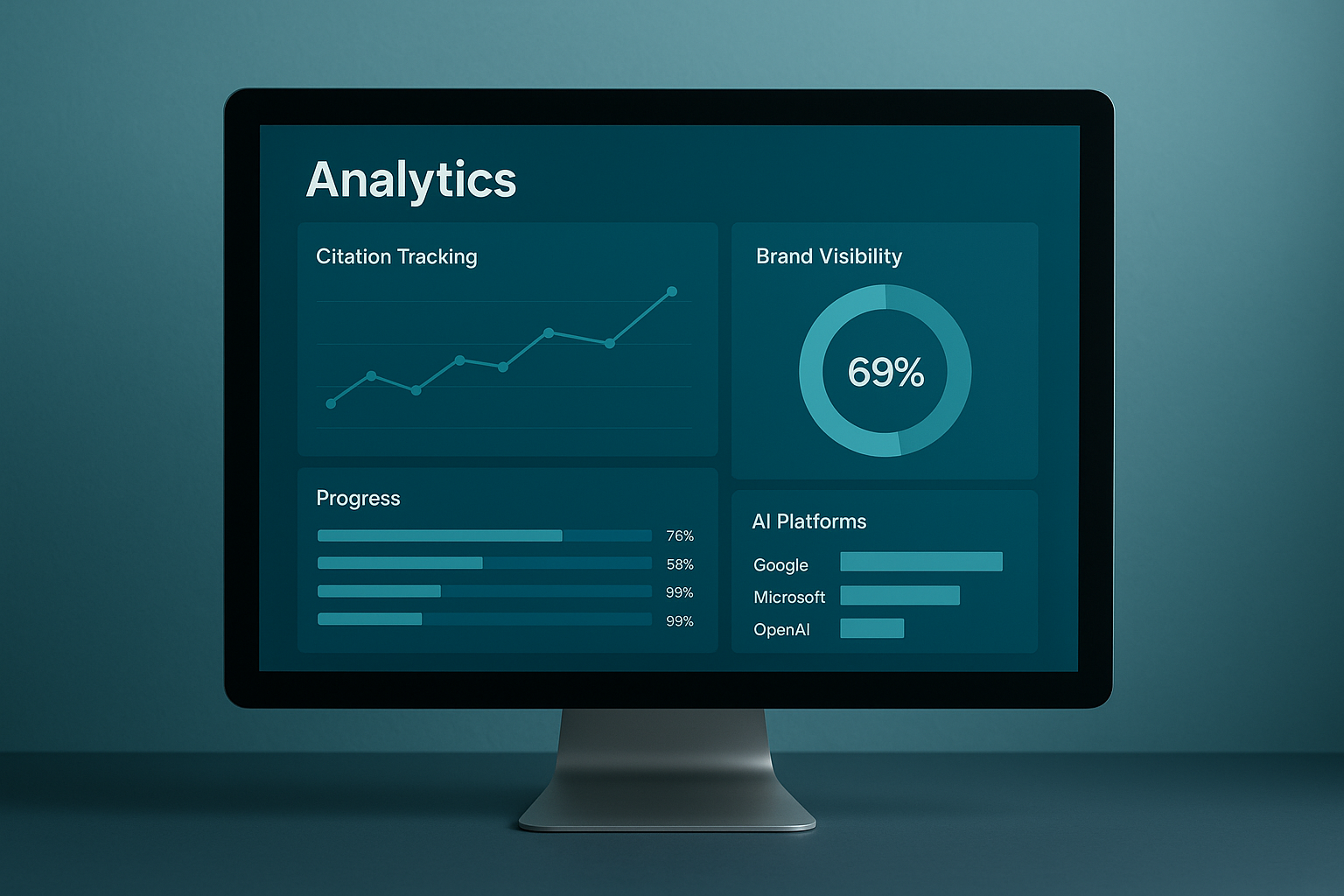
Consistent monitoring reveals patterns in brand mentions in AI that a single check would miss.
Steps to Increase Brand Mentions in AI Search Results
Earning more brand mentions in AI is a repeatable process. The following steps outline a practical sequence for improving citation frequency over time.
- Audit current AI visibility. Run a free AI visibility scan to see whether AI tools already mention your brand, what they say about it, and how that compares to competitors in your industry.
- Build GEO-ready content. Create clear, fact-dense pages that directly answer common customer questions, since AI models favor content that states information plainly instead of burying it inside narrative writing.
- Format answers for AEO. Structure key sections with a direct answer near the top, followed by supporting detail, so answer engines can extract a concise, quotable response and attribute it to your brand.
- Deploy accurate schema markup. Add structured data describing your organization, products, and services so AI systems can confirm facts about your brand quickly and reduce inaccurate citations.
- Monitor citations and iterate. Track which platforms mention your brand, how often, and in what context, then refine underperforming pages based on what competitors are being cited for instead.
Platforms like Rank Authority automate much of this sequence through 1-Click AI AutoPilot, the AI Blog Builder, and RankFast, which analyzes competitor pages and rebuilds them to outrank rivals in both traditional and AI-driven results. Individual results vary depending on industry competitiveness and existing site health.
Common Mistakes That Limit AI Citations
Several recurring issues quietly prevent businesses from earning more brand mentions in AI. For example, vague content that never states clear facts gives AI systems little to quote confidently. Similarly, missing or outdated schema markup makes it harder for machines to verify who you are and what you offer.
In addition, thin or duplicate pages dilute topical authority, while ignoring competitor citations means missing obvious content gaps. Therefore, a periodic audit — rather than a one-time fix — is essential for maintaining consistent AI visibility over time.
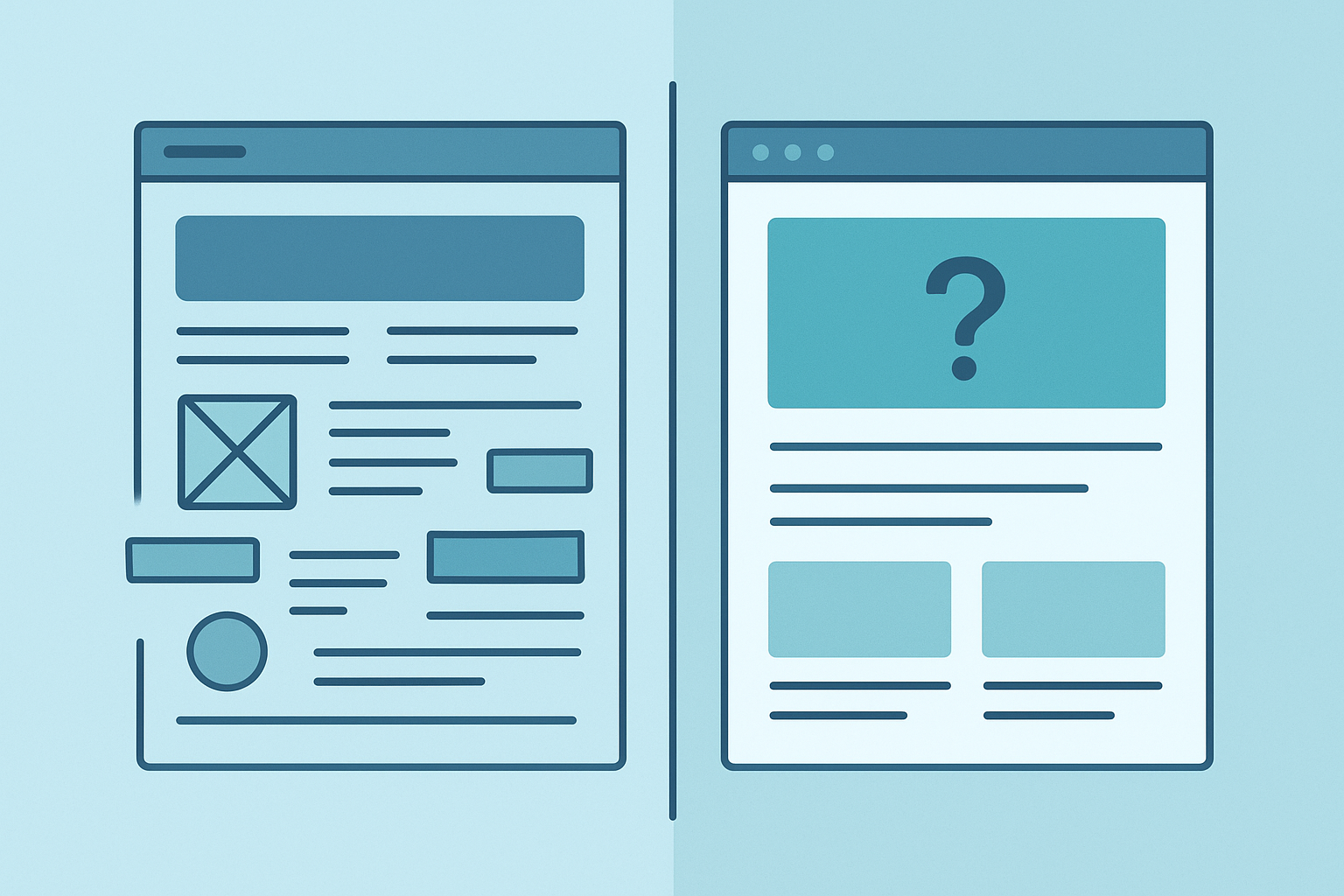
Clear, structured content is far more likely to generate brand mentions in AI than cluttered pages.
Brand Mentions in AI vs. Traditional Backlinks
Traditional backlinks are hyperlinks from one site to another, used by search engines to gauge authority and trust. In contrast, a brand mention in AI is a citation inside a generated answer, which may or may not include a clickable link back to your site.
As a result, the two signals aren’t interchangeable, though they often reinforce each other. A well-linked, authoritative page is more likely to be indexed thoroughly, which in turn increases its chances of being referenced by an AI model. For a broader comparison of which service best supports this kind of optimization, see this overview of Answer Engine Optimization services.
Frequently Asked Questions About Brand Mentions in AI
What are brand mentions in AI?
Brand mentions in AI refer to instances where an AI-powered answer engine, such as ChatGPT, Google AI Overviews, or Perplexity, names your business inside a generated response. They differ from clicks or rankings because the mention happens directly inside the AI’s written answer.
How do AI answer engines decide which brands to mention?
AI answer engines pull from indexed content, structured data, and patterns of topical authority to decide which brands to cite. Content that is clearly structured, well-sourced, and marked up with schema is easier for these systems to extract and repeat.
Why do brand mentions in AI matter for a business’s SEO strategy?
Brand mentions in AI matter because a growing share of buyers ask AI tools for recommendations instead of scrolling search results. If your brand isn’t mentioned in those answers, a competitor’s likely will be, which directly affects consideration and sales.
How is a brand mention in AI different from a traditional backlink?
A traditional backlink is a hyperlink from one webpage to another that search engines use to evaluate authority. A brand mention in AI is a citation inside a generated answer, which may or may not include a clickable link back to your site.
How much does it cost to improve brand mentions in AI search results?
Costs vary widely depending on whether you hire specialists or use an automated platform. Tools like Rank Authority offer a risk-free seven-day trial, letting businesses test AI visibility improvements before committing to a paid plan.
How long does it take to see more brand mentions in AI answers?
Most businesses begin noticing changes in AI visibility within a few weeks of publishing structured, citation-ready content and fixing technical gaps. Full results depend on competition and how frequently AI models refresh their sources, and individual results vary.
What common mistakes reduce a brand’s chances of being mentioned by AI?
Common mistakes include vague content that never states clear facts, missing schema markup, thin or duplicate pages, and ignoring how competitors are already being cited. These gaps make it harder for AI systems to confidently reference a brand.
What is the best practice for earning more brand mentions in AI?
The best practice is to publish clear, well-structured answer content, add accurate schema markup, and monitor citations over time so you can adjust quickly. Combining Generative Engine Optimization (GEO) and Answer Engine Optimization (AEO) tends to produce the strongest results.
Can small businesses realistically compete for brand mentions in AI?
Yes, small businesses can compete because AI answer engines prioritize clarity and structure over sheer domain size. A smaller site with precise, well-formatted answer content can be cited ahead of a larger competitor with disorganized pages.
Which AI platforms should businesses monitor for brand mentions?
Businesses should monitor ChatGPT, Google AI Overviews, Perplexity, and other major AI answer platforms where their customers are likely searching. Tracking multiple platforms gives a fuller picture of overall AI visibility rather than relying on a single source.
Does schema markup help increase brand mentions in AI answers?
Schema markup helps because it labels key facts about your business in a format machines can parse quickly. This structured data makes it easier for AI systems to extract accurate details and cite your brand correctly.
How do I track my brand mentions in AI over time?
You can track brand mentions in AI by running regular scans with a dedicated AI visibility or citation monitoring tool. Consistent tracking reveals which topics trigger mentions, how competitors compare, and where content gaps still exist.
In summary, brand mentions in AI are reshaping how businesses measure online visibility, moving the goalposts from rankings alone to whether an AI system trusts your brand enough to name it. Getting there requires structured, fact-based content, accurate schema markup, and consistent citation tracking rather than a one-time fix. As AI-powered search continues expanding, businesses that treat brand mentions in AI as a core visibility metric — alongside traditional SEO — will be better positioned to stay discoverable no matter where customers search. Platforms like Rank Authority are built to automate that ongoing work, from technical fixes to AI Blog Builder content to citation monitoring, so smaller teams can compete without building an in-house specialist stack.

