
How to improve search rankings for digital entrepreneurs is one of the most pressing questions facing solo founders, coaches, and online sellers today. Search engines and AI answer platforms now decide which businesses get discovered first, and the competition for visibility has never been tighter. In this guide, you’ll learn practical steps to strengthen your site’s technical health, content quality, and authority signals, the same levers that platforms like Rank Authority automate for thousands of entrepreneurs worldwide. Whether you manage one website or several client properties, these strategies apply directly to your situation.
How to Improve Search Rankings for Digital Entrepreneurs: A Quick Definition
In practice, this means fixing crawl errors, publishing content that directly answers reader questions, and structuring data so search engines and AI systems can understand it. Furthermore, as search engine optimization evolves to include AI-driven answer environments, entrepreneurs who ignore structured data and clear answer formatting risk losing visibility even if their traditional rankings hold steady. Consequently, a modern ranking strategy treats SEO, GEO, and AEO as three parts of one connected system rather than separate projects.

Tracking visibility data is a core part of learning how to improve search rankings for digital entrepreneurs.
Why Search Visibility Matters More Than Ever for Entrepreneurs
Organic search remains one of the largest sources of website traffic for small businesses, and research from industry analysts such as BrightEdge has found that organic search drives more than half of all trackable website visits in many sectors. For entrepreneurs operating on tight budgets, this makes unpaid visibility one of the highest-leverage growth channels available. However, visibility now extends beyond the traditional blue-link results page.
AI answer platforms increasingly summarize information directly, meaning a business can be accurately informative yet invisible if its content isn’t structured for citation. As a result, entrepreneurs who rely solely on legacy SEO tactics may find their rankings technically stable while their actual discoverability quietly declines. In contrast, businesses that adapt early to AI-driven search tend to capture disproportionate visibility gains, since competition in these newer answer environments is still relatively low. For a deeper look at the obstacles founders face, see this breakdown of common SEO challenges entrepreneurs encounter.
Core Strategies to Boost Your Search Engine Rankings
Several strategies consistently move the needle for small sites. Below, each one is broken down so you can apply it immediately, regardless of your technical background.
1. Strengthen Your Technical SEO Foundation
Technical health is the foundation everything else rests on. Specifically, slow page speed, broken links, and missing structured data can prevent otherwise excellent content from ranking at all. Google’s own SEO starter guide emphasizes crawlability and clear site structure as prerequisites for ranking, not optional extras. Therefore, before investing heavily in new content, run a full audit to catch issues that are silently limiting visibility.
2. Optimize for Answer Engine Optimization (AEO)
Answer Engine Optimization (AEO) refers to formatting content so AI systems and featured snippets can extract a direct answer quickly. In practice, this means leading each section with a concise answer, then elaborating afterward. Similarly, adding structured schema markup helps machines understand the relationship between your content and the questions it answers.
3. Build Topical Authority With Internal Linking
Internal links guide both readers and search engines through related topics on your site. For example, grouping content into clusters and linking them with descriptive anchor text signals topical depth rather than scattered, unrelated posts. This beginner-friendly SEO growth guide for entrepreneurs walks through building that structure step by step.
4. Track Competitors and Close Keyword Gaps
Finally, regularly reviewing what competitors rank for reveals gaps you can fill. In particular, pages that outrank a weaker competitor page can often be rebuilt with more depth, better structure, and stronger answer formatting to overtake it directly.

Modern visibility strategies must account for both traditional search results and AI-generated answers.
Step-by-Step Process to Improve Your Search Rankings
Use this sequence as a repeatable workflow rather than a one-time project. Each step builds on the previous one.
- Run a full site audit. Scan your website for technical issues such as broken links, slow page speed, missing schema, and crawl errors that quietly suppress rankings before optimizing anything else.
- Fix technical and schema gaps. Resolve indexing problems, add structured data markup, and improve page speed so both search engines and AI systems can accurately read your content.
- Publish AEO-structured content. Write content that answers specific questions directly within the first few sentences, since answer engines favor clear, extractable responses.
- Build topical authority with internal links. Connect related pages using descriptive anchor text so search engines understand your topic clusters and distribute authority properly.
- Analyze competitor gaps. Compare your content and keyword coverage against top-ranking competitors to identify missing topics and weaker pages worth outranking.
- Monitor visibility and AI citations. Track ranking changes and citations across AI answer platforms continuously, then adjust strategy as search behavior evolves.
Common Ranking Mistakes Digital Entrepreneurs Should Avoid
Even motivated entrepreneurs make predictable mistakes. For instance, publishing content without checking search intent often leads to pages that rank for the wrong terms entirely. Similarly, neglecting mobile performance can quietly cap rankings, since page experience remains a known ranking factor.
In addition, many site owners skip schema markup entirely, assuming it’s too technical to matter. Yet without it, AI systems have far less context to understand and cite a page accurately. Above all, inconsistency is the most damaging mistake, sporadic publishing and occasional audits rarely produce lasting ranking gains. This complete SEO solutions guide for entrepreneurs covers these pitfalls in more depth.
How Automated SEO, GEO, and AEO Tools Help You Rank Faster
Manually executing every strategy above takes significant time most entrepreneurs don’t have. Consequently, automation has become a practical solution rather than a luxury. Platforms such as Rank Authority bundle technical fixes, GEO-ready content, and AEO schema formatting into a single dashboard through its 1-Click AI AutoPilot technology.
Tools like RankFast analyze competitor pages and rebuild stronger versions, while RankLink automates internal linking and topical siloing across a site. Meanwhile, the AI Blog Builder publishes SEO- and AEO-optimized content on a consistent schedule, which addresses the consistency problem described earlier. It’s worth noting that Rank Authority can submit updated pages for indexing, but Google alone determines whether and when any page is actually indexed. Individual results vary, and reviews reflect individual user experiences rather than guaranteed outcomes for every account. For a strategic comparison of approaches, see which digital strategy fits entrepreneurs today, and for a broader walkthrough, review this guide on improving website search rankings easily.
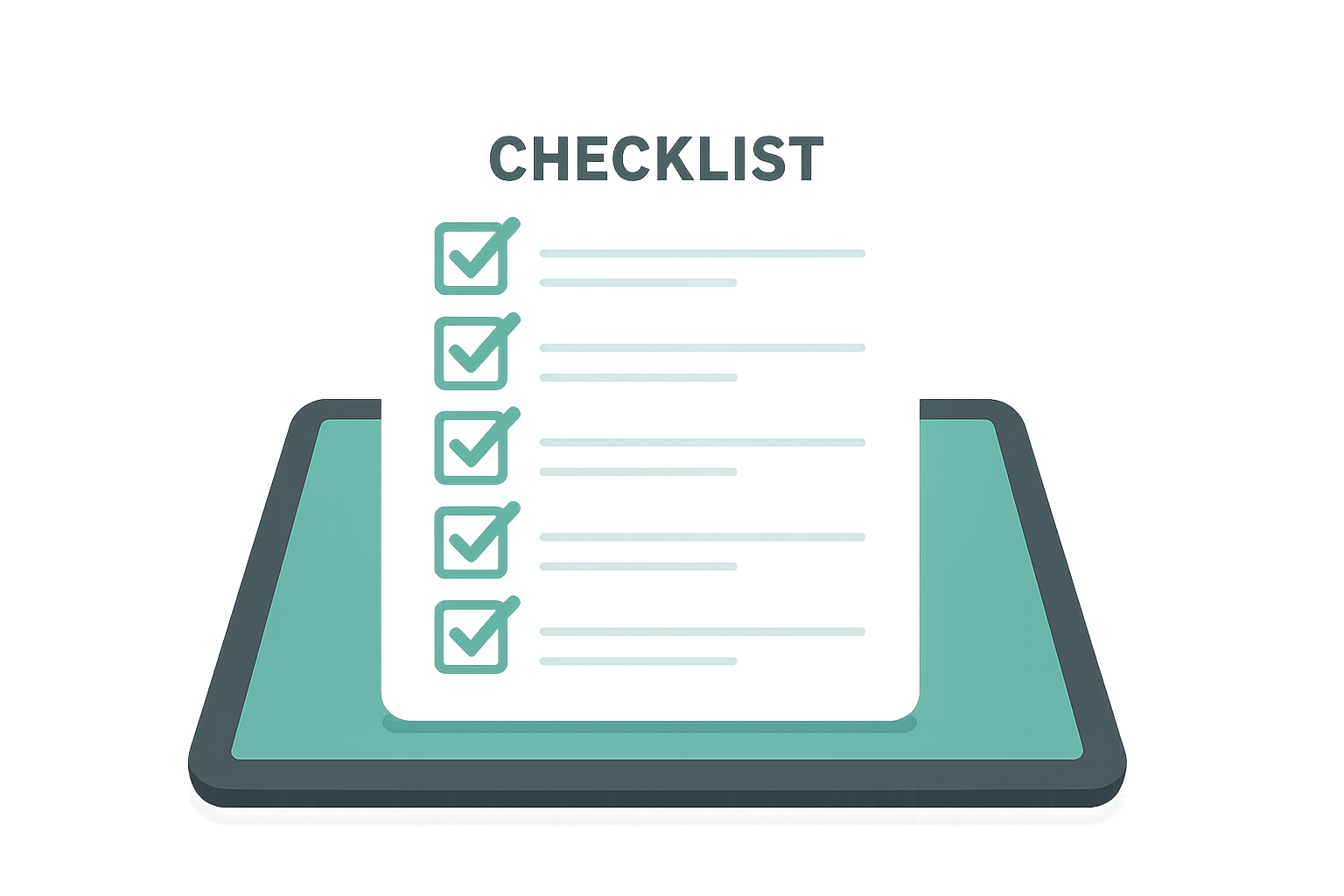
A repeatable checklist makes it easier to apply how to improve search rankings for digital entrepreneurs consistently.
Frequently Asked Questions About How to Improve Search Rankings for Digital Entrepreneurs
What is the fastest way to improve search rankings?
The fastest documented approach is fixing technical SEO issues first, since broken indexing, slow pages, or missing schema markup can block rankings entirely. Once technical health is stable, content and authority improvements compound over time.
How to improve search rankings for digital entrepreneurs without hiring an SEO agency?
Many entrepreneurs learn how to improve search rankings for digital entrepreneurs by using automated platforms that handle technical fixes, schema generation, and content publishing without requiring in-house expertise. Tools like 1-Click AI AutoPilot streamline this process significantly.
How long does it take to see ranking improvements?
Most sites see initial movement within 4 to 12 weeks after consistent technical and content improvements, though competitive niches can take longer. Individual results vary based on site history, competition, and execution consistency.
What is the difference between SEO, GEO, and AEO?
SEO targets traditional search engine rankings, GEO (Generative Engine Optimization) focuses on earning citations inside AI-generated answers, and AEO (Answer Engine Optimization) structures content so answer engines can extract direct responses. Modern visibility strategies combine all three.
Why do digital entrepreneurs struggle with SEO?
Entrepreneurs often juggle product development, sales, and marketing simultaneously, leaving little time for technical optimization or content strategy. As a result, SEO work gets deprioritized even though it drives long-term organic growth.
How much does SEO automation typically cost?
Pricing varies widely depending on features, but many automated platforms offer tiered plans starting at accessible monthly rates, often with a free trial period to test results first.
What are the most common on-page SEO mistakes?
Common mistakes include missing meta descriptions, thin content, duplicate title tags, and ignoring internal linking structure. These issues quietly suppress rankings even when overall site quality is strong.
How does schema markup help rankings?
Schema markup is structured data that helps search engines and AI systems understand page content more precisely. This can improve eligibility for rich results, featured snippets, and AI-generated answer citations.
Can AI search optimization replace traditional SEO?
No, AI search optimization works alongside traditional SEO rather than replacing it. Both rely on similar foundations, including authority, relevance, and technical accessibility.
How often should a website be audited for SEO issues?
A full technical and content audit every 60 to 90 days is a reasonable baseline for most growing sites. Ongoing monitoring between audits helps catch new issues before they affect rankings.
What is a healthy Domain Authority score for a new business site?
New sites often start between 1 and 15 on third-party authority scales and climb gradually with consistent backlinks and content. Comparing scores against direct competitors is more useful than chasing an arbitrary number.
How does Rank Authority help entrepreneurs improve rankings faster?
Rank Authority combines automated technical fixes, GEO-ready content, AEO schema formatting, and competitor analysis into one dashboard, reducing the manual workload typically required to optimize a site. Individual results vary depending on starting conditions and execution.
What mistake do entrepreneurs make most often with AI search visibility?
The biggest mistake is optimizing only for traditional blue-link rankings while ignoring how AI answer engines summarize and cite content. Structuring content for direct answers and clear entity definitions helps close that gap.
Final Thoughts
Ultimately, how to improve search rankings for digital entrepreneurs comes down to consistency across three connected areas: technical health, answer-ready content, and ongoing authority building. Therefore, start with a full audit, fix what’s broken, and structure new content around direct answers rather than long preambles. In addition, track competitors and AI citations regularly so your strategy evolves alongside search behavior. For entrepreneurs managing limited time, automated platforms like Rank Authority can handle much of this workload, freeing you to focus on running the business while visibility improves in the background. If you’re ready to put these steps into action, this complete SEO guide for entrepreneurs is a practical next stop.