
How to leverage AI for automated ranking improvements is one of the most pressing questions facing small business owners, marketers, and agencies as search shifts from static results pages to AI-generated answers. Traditional SEO (search engine optimization) still matters, but it no longer works alone. Today, ranking well means being discoverable by both classic search algorithms and the generative AI models that increasingly summarize answers for users before they ever click a link.
Direct answer: You leverage AI for automated ranking improvements by using a platform that audits your site, deploys schema markup, publishes AI-optimized content, and continuously tracks visibility across search engines and AI answer platforms, removing the manual workload typically required for GEO (Generative Engine Optimization) and AEO (Answer Engine Optimization).
What Is AI-Driven Ranking Automation?
AI-driven ranking automation is the use of machine learning tools to identify, prioritize, and apply the technical and content changes needed to improve a website’s visibility. Instead of manually auditing pages, writing schema code, and tracking rankings by hand, the software performs these tasks continuously and at scale.
In practice, this means a single dashboard can scan hundreds of pages, flag missing structured data, and even generate replacement content, as described in this complete guide to smarter rankings. As a result, teams spend less time on repetitive diagnostic work and more time on strategy.
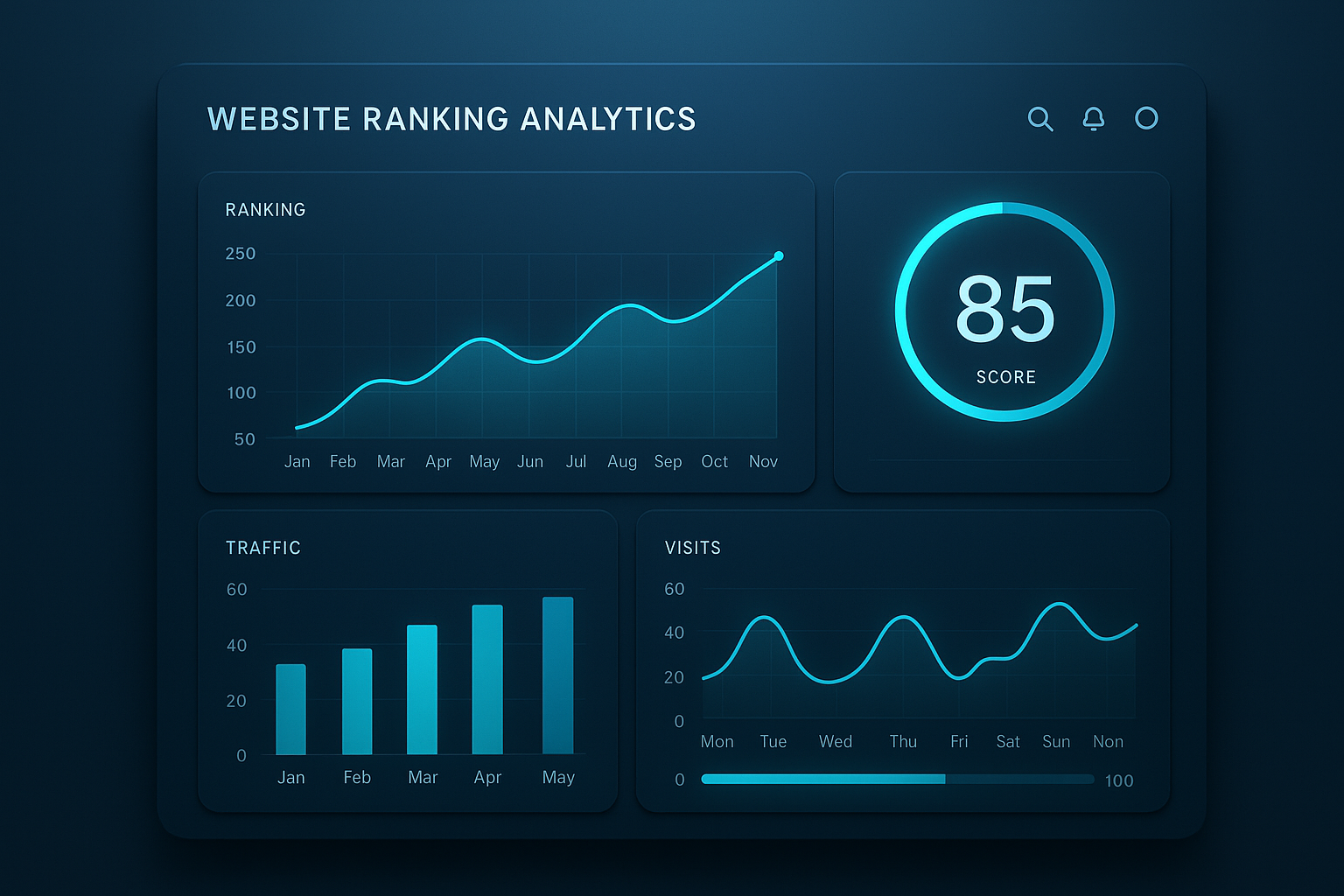
A visibility dashboard illustrating how to leverage AI for automated ranking improvements across technical, content, and AI citation signals.
How to Leverage AI for Automated Ranking Improvements
Businesses that want measurable gains should follow a structured, repeatable process rather than applying automation randomly. Below is a practical sequence used by teams moving from manual SEO to automated workflows.
- Run a full AI visibility and site audit. Start with a diagnostic scan to identify technical SEO issues, missing schema, and content gaps, producing a baseline score such as an RA (Rank Authority) Score.
- Deploy automated schema markup. Structured data helps both search engines and AI models understand page context, entities, and intent more precisely.
- Publish GEO and AEO optimized content. Create direct-answer formatted pages designed for citation in featured snippets and AI-generated responses, similar to the approach outlined in this breakdown of how AI search algorithms rank content.
- Automate internal linking and topical silos. Grouping related content strengthens topical authority, which signals trustworthiness to both crawlers and AI models.
- Submit pages for indexing and monitor visibility. Submit updates for indexing and track citation performance over time; note that submission can speed up the process, but Google alone determines whether and when a page is actually indexed.
Why GEO and AEO Matter Alongside Traditional SEO
Generative Engine Optimization (GEO) and Answer Engine Optimization (AEO) exist because AI platforms do not rank pages the same way traditional search engines do. Instead, they synthesize answers from multiple sources and cite the ones that are structured clearly and demonstrate topical depth.
Consequently, a page optimized only for classic SEO keyword targeting may still rank on page one of Google while being invisible to AI Overviews or chatbot answers. For example, pages formatted as concise, well-sourced “artifact” content tend to perform better in AI citation contexts, a strategy explored further in this complete guide to automated search ranking solutions. In addition, according to industry analysis from Google’s structured data documentation, pages with accurate schema markup are more eligible for rich results, which also improves their chances of AI citation.
Essential Tools for Automating Search Visibility
Several categories of tools make automated ranking improvements possible without requiring deep technical expertise. Understanding what each does helps teams choose the right combination for their site.
Automated audit and scoring tools diagnose technical issues and content gaps, often producing a composite score for tracking progress. Schema generation tools build and deploy structured data automatically, reducing developer dependency. Content automation tools, such as an AI Blog Builder, generate SEO- and AEO-formatted articles ready for publishing. Competitive intelligence tools, like RankFast, analyze rival pages and rebuild content designed to outrank them, an approach detailed in this guide to outranking rivals fast with AI. Finally, monitoring tools track whether a brand appears in AI-generated answers across major platforms, closing the feedback loop so strategies can be refined continuously.
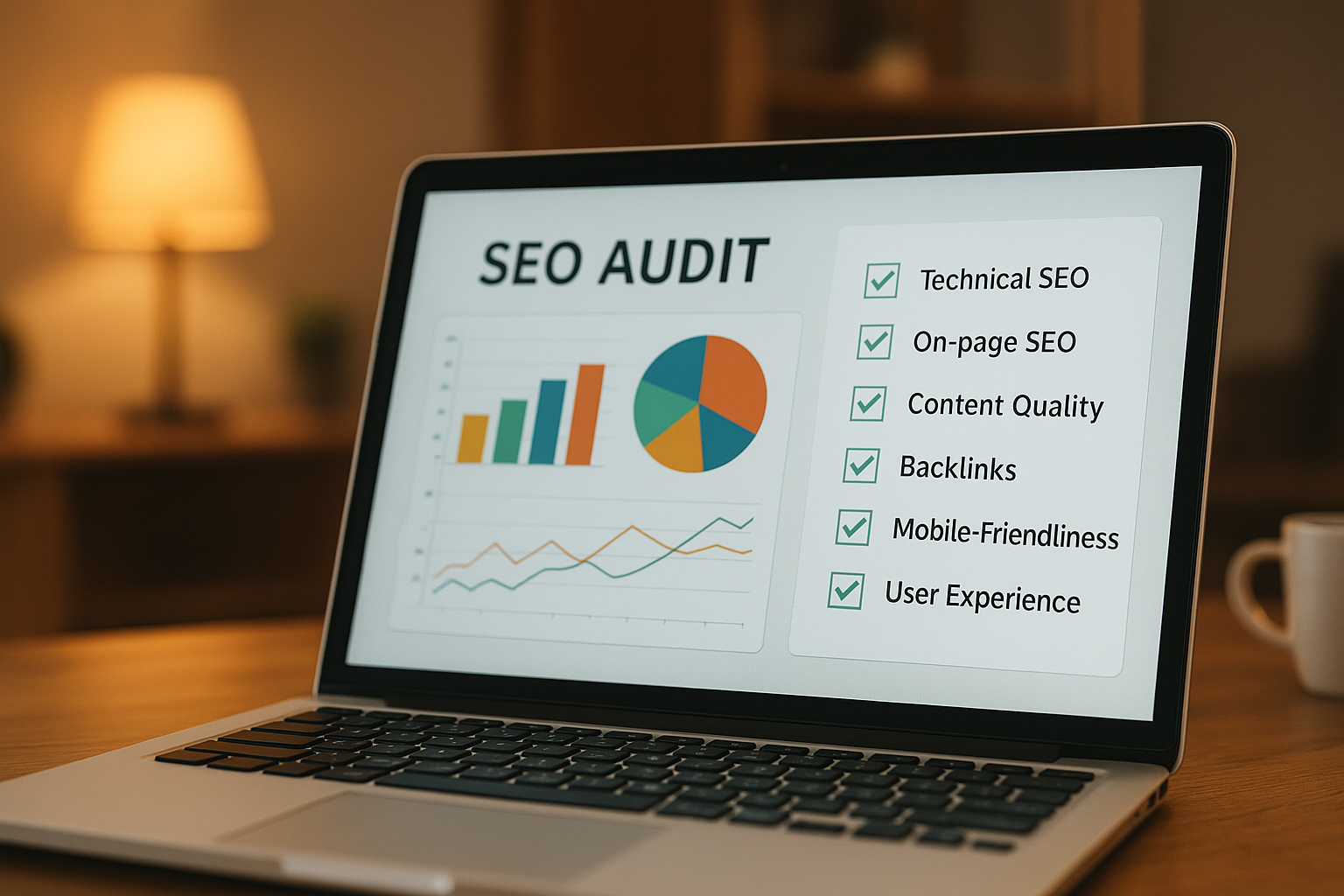
An automated audit report highlighting technical and content opportunities for ranking improvement.
Common Mistakes to Avoid When Automating Rankings
Automation reduces workload, but it is not foolproof if left entirely unchecked. One frequent mistake is ignoring internal linking structure, which leaves topical authority fragmented across unconnected pages. Another is skipping schema validation, which can introduce errors that confuse rather than clarify page content for search engines.
Furthermore, some teams automate content publishing without a review step, risking factual inaccuracies slipping through. According to Wikipedia’s overview of search engine optimization, algorithm updates continue to reward quality and accuracy over volume, so periodic human review remains a best practice even within automated workflows.
How to Measure AI-Driven Ranking Success
Measuring success requires tracking more than keyword position. A composite metric, such as an RA Score, combines technical health, content quality, and AI visibility signals into one trackable number. In addition, monitoring citation frequency across AI answer platforms shows whether GEO and AEO efforts are translating into actual visibility gains, not just theoretical improvements.
For instance, one documented analysis found that sites with complete, validated schema markup saw meaningfully higher rich-result impressions compared to sites without it, according to Google’s own structured data guidance. Individual results vary, and reviews reflect individual user experiences rather than guaranteed outcomes for every site. You can explore free diagnostic options directly at rankauthority.com to see how your current RA Score compares.
Getting Started Without a Technical Team
Small businesses and solo marketers often assume automated SEO requires specialized staff, but that is increasingly untrue. Platforms built around a one-click model, such as 1-Click AI AutoPilot, are designed to streamline approved fixes without requiring an in-house SEO team.
In practice, this means connecting a CMS such as WordPress, Shopify, or Wix, running an initial audit, and letting the platform handle schema deployment, content gaps, and indexing submissions. Those managing multiple client sites can apply the same workflow across properties, as outlined in this guide on improving website rankings quickly with AI, which addresses agency-scale use cases specifically.
Frequently Asked Questions
What is AI-driven ranking automation?
AI-driven ranking automation uses machine learning tools to scan websites, detect technical and content gaps, and apply or recommend fixes without manual effort. It combines traditional SEO with GEO and AEO to improve visibility across both search engines and AI answer platforms.
How to leverage AI for automated ranking improvements effectively?
The most effective way to leverage AI for automated ranking improvements is to run a full site audit, deploy automated schema markup, publish AI-optimized content, and continuously monitor AI visibility across platforms. Tools such as 1-Click AI AutoPilot streamline this from one dashboard.
How long does it take to see results from automated SEO?
Many sites see initial technical improvements within days, while meaningful ranking and visibility gains typically take several weeks to a few months. Individual results vary, and no platform can guarantee a specific timeline.
How much does AI-powered SEO automation cost?
Pricing varies widely, from free diagnostic tools to monthly subscriptions for full automation suites. Rank Authority offers a risk-free ten-day trial so businesses can evaluate the platform before committing to a paid plan.
What is the difference between GEO, AEO, and traditional SEO?
Traditional SEO focuses on ranking in classic search results pages, while GEO builds content designed for citation by AI models, and AEO structures answers and schema for featured snippets and direct AI responses. Together, they cover the full modern search landscape.
Can AI automation replace an in-house SEO team?
AI automation reduces the workload and expertise required for technical and on-page SEO, but strategic oversight still adds value for complex sites. For many small businesses, automation handles the bulk of repetitive optimization work.
What common mistakes should I avoid when automating rankings?
Common mistakes include ignoring internal linking structure, skipping schema validation, and automating content without checking factual accuracy. Periodic review helps prevent these errors from compounding.
Does Google index pages faster when using automated submission tools?
Automated submission tools can submit updated pages for indexing more quickly than manual methods, but Google alone determines whether and when a page is actually indexed. Submission speed does not guarantee indexing or ranking outcomes.
What is the Rank Authority Score (RA Score)?
The RA Score is a diagnostic metric that evaluates a website’s technical health, content quality, and AI visibility signals in one composite number. It gives site owners a benchmark for tracking optimization progress over time.
How does schema markup help AI search visibility?
Schema markup provides structured data that helps search engines and AI models understand page content, entities, and context more precisely. This structured clarity increases the likelihood of being cited in featured snippets and AI-generated answers.
Is AI automated SEO safe for Google rankings?
AI automated SEO is safe when it follows established best practices such as valid schema, quality content, and legitimate technical fixes rather than manipulative tactics. Platforms aligned with Google’s published guidelines carry minimal risk.
What tools help monitor AI visibility across platforms?
AI visibility monitoring tools track whether a brand or page is being cited across AI answer platforms, chatbots, and traditional search results. A consolidated dashboard can track this alongside competitor intelligence and keyword gap analysis.
How do I start automating my website’s SEO with AI?
Start with a free site audit to identify gaps, then connect your CMS for automated deployment of fixes, schema, and content. Ongoing monitoring helps refine the strategy as AI search algorithms evolve.
Why is topical authority important for AI search citations?
Topical authority signals to AI models that a site is a comprehensive, trustworthy source on a subject, increasing citation likelihood. Internal linking and siloed content structures help establish this authority systematically.
Final Thoughts
Ultimately, learning how to leverage AI for automated ranking improvements comes down to combining the right processes: continuous auditing, structured data, AI-optimized content, and ongoing visibility monitoring. Rather than replacing strategic thinking, automation removes the repetitive technical burden that has historically kept smaller businesses from competing with larger, better-resourced competitors.
As AI search environments continue to evolve, businesses that automate GEO, AEO, and traditional SEO together, rather than treating them as separate efforts, are better positioned for sustained visibility. Individual results vary, but starting with a free diagnostic scan is a low-risk way to see where your site currently stands before committing to a full automation strategy.