

SEO for multi-site management is the discipline of optimizing search visibility across two or more websites simultaneously — using unified strategies, shared tooling, and scalable workflows. For agencies, digital marketers, and entrepreneurs overseeing multiple web properties, getting this right is the difference between sustainable growth and constant firefighting. According to Semrush’s State of Content Marketing report, businesses that actively manage SEO across multiple channels see up to 3x higher organic traffic than those relying on a single-site approach.
In short: the more sites you manage, the more you need a system. Without one, quality slips, rankings drop, and time disappears fast.
What Is SEO for Multi-Site Management?
SEO for multi-site management is a structured approach to improving organic search performance across a portfolio of websites. Instead of treating each domain as a separate, isolated project, multi-site SEO centralizes strategy, reporting, and optimization tasks so that effort scales efficiently. This is especially valuable for agencies managing client websites, brands operating regional sub-domains, and entrepreneurs running multiple niche sites.
Furthermore, multi-site SEO requires careful coordination. Each property must maintain its own unique identity in search — distinct keyword targets, original content, and separate link-building efforts — while still benefiting from shared infrastructure and tools.
Direct Answer: SEO for multi-site management means applying search optimization strategies across multiple domains from a centralized system — reducing duplication of effort while maintaining individual site performance. It typically involves unified dashboards, automation, and shared content frameworks adapted per site.
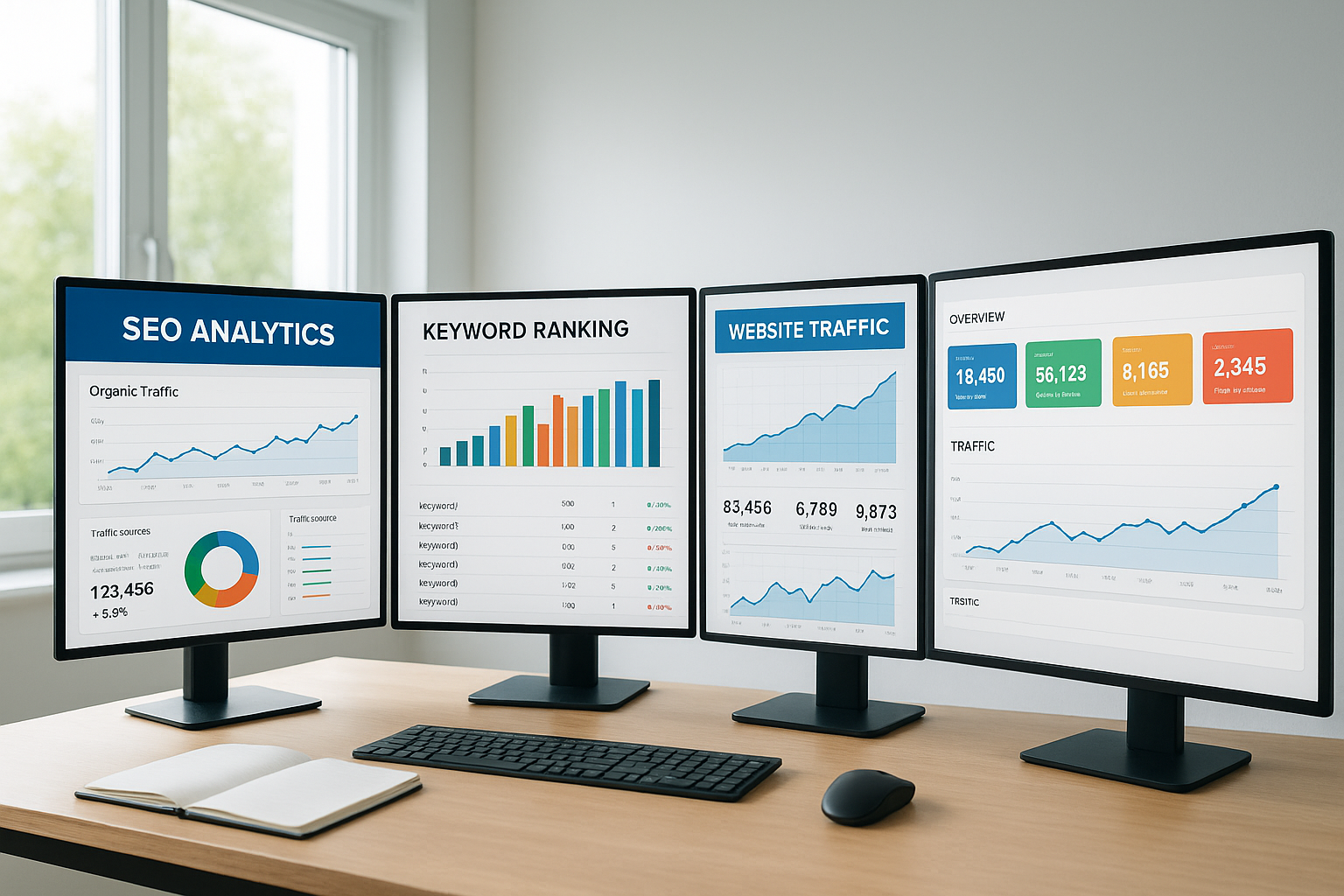
A centralized SEO dashboard is the foundation of effective multi-site management — giving you visibility across every property at once.
Why Managing SEO Across Multiple Sites Is Uniquely Challenging
Scaling SEO across several domains introduces problems that simply don’t exist when managing a single site. For example, keyword cannibalization — where two of your own sites compete for the same search term — can erode rankings for both properties. Similarly, inconsistent technical standards across sites create compounding maintenance burdens.
Additionally, content quality tends to suffer when teams are stretched thin. As a result, sites that were once strong performers begin to stagnate. The core challenges include:
- Duplicate content risk — accidentally publishing similar pages across domains signals low quality to search engines.
- Fragmented reporting — switching between separate tools for each site wastes hours every week.
- Inconsistent technical SEO — a broken sitemap or missing schema on one site can go undetected for months.
- Resource allocation — deciding which site deserves attention first is difficult without unified performance data.
Consequently, the businesses that win at multi-site SEO are the ones that solve these problems systematically — not site by site, but at the portfolio level.
How to Set Up SEO for Multi-Site Management: A Step-by-Step Process
Building a scalable multi-site SEO operation doesn’t happen overnight. However, following a clear process from the start prevents the most common pitfalls. Here’s how to do it right:
- Audit all existing websites. Run a full technical SEO audit on each domain. Identify crawl errors, broken links, missing meta tags, and Core Web Vitals issues. Tools like Google Search Console provide free per-site data, while platforms like Ahrefs allow multi-domain comparisons. This baseline audit reveals where each site stands before you invest further effort.
- Centralize your reporting dashboard. Connect all domains to a single platform. This way, you can monitor keyword rankings, organic traffic, and backlink profiles side by side. Centralized reporting is the single biggest time-saver in multi-site SEO management. If you’re exploring managing SEO for multiple websites with one tool, a unified dashboard is where to start.
- Define a unique content strategy per site. Assign distinct keyword targets, audience personas, and content calendars to each website. This prevents cannibalization and ensures every property serves a clear, differentiated purpose in search results.
- Automate technical maintenance tasks. Schedule recurring technical audits, sitemap submissions, and structured data validation across all sites. Automation ensures nothing is missed as your portfolio grows — and it keeps every site technically healthy without manual intervention.
- Apply GEO and AEO optimizations. Implement Generative Engine Optimization (GEO) and Answer Engine Optimization (AEO) across each site by adding structured data, FAQ sections, and concise answer-ready content. These optimizations position your sites for visibility in AI-powered search environments — an increasingly important traffic channel in 2025 and beyond.
Choosing the Right Tools for Multi-Domain SEO
Not every SEO tool is built for multi-site workflows. Specifically, you need a platform that supports multiple projects or properties under one account, offers cross-domain reporting, and ideally includes automation features. For a detailed breakdown, see this guide on the best tools for automating SEO across multiple websites.
In addition, platforms that integrate AI-driven optimization — like rankauthority.com — are particularly well-suited for agencies and businesses managing multiple client properties. Their 1-Click AI AutoPilot technology automates the technical and strategic work across domains simultaneously, removing the need for repetitive manual effort on each site.

Visualizing how link authority and SEO signals flow across a managed portfolio of websites helps prioritize optimization efforts.
Scaling SEO Operations Across Clients and Agencies
For agencies, multi-site SEO management takes on an additional layer of complexity: each client has unique goals, brand guidelines, and competitive landscapes. Therefore, the tools and processes that work for an in-house team managing owned properties must be adapted for client-facing workflows.
Specifically, agencies benefit from platforms that offer white-label reporting, role-based access controls, and client-specific dashboards. If you’re wondering about managing SEO for multiple clients using one tool, the short answer is yes — but only if the platform was designed with multi-tenancy in mind.
What Platforms Work Best for Managing SEO Across Clients?
The right platform depends on your team size, client count, and budget. However, certain features are non-negotiable for agency-level multi-site SEO. These include bulk reporting, automated audit scheduling, and cross-site keyword tracking. For a curated list, explore platforms that are great for managing SEO across clients.
Furthermore, as AI search continues to reshape how consumers find information, platforms that incorporate GEO and AEO capabilities give agencies a meaningful edge. According to Wikipedia’s overview of SEO, search optimization is continuously evolving — and agencies that adapt their multi-site workflows to AI-powered search will be better positioned for long-term client retention.
Avoiding Common Mistakes in Multi-Site SEO Strategy
Even experienced SEO professionals make avoidable errors when scaling across multiple sites. In contrast to single-site management, the consequences of mistakes compound quickly across a portfolio. The most common pitfalls include:
- Ignoring cross-site cannibalization. Two sites targeting the same keyword split ranking signals instead of dominating the result.
- Using identical content across domains. Even with minor edits, search engines detect thin or duplicate content and suppress rankings accordingly.
- Neglecting technical health on smaller sites. Lower-traffic properties are often deprioritized until a major ranking drop occurs.
- Failing to adapt to algorithm updates. A Google core update can simultaneously impact all managed sites — making centralized monitoring essential.
Similarly, many teams underestimate the importance of structured data and schema markup at scale. Applying consistent, validated schema across all sites improves eligibility for rich results and AI-generated answers — a growing source of organic traffic. You can also explore managing multiple websites with the same SEO tool to streamline this process.

Regular cross-site reporting reviews help identify which properties need immediate attention and where to invest optimization resources next.
The Role of AI and Automation in Modern Multi-Site SEO
AI-powered automation is no longer optional for teams managing multiple websites. Without it, the manual workload becomes unsustainable. Specifically, automation handles repetitive tasks — technical audits, rank tracking, sitemap submissions, and report generation — freeing your team to focus on strategy and content quality.
Moreover, next-generation platforms integrate GEO (Generative Engine Optimization) and AEO (Answer Engine Optimization) directly into multi-site workflows. These capabilities ensure your sites are optimized not just for traditional search but also for AI-powered answer engines like Google’s AI Overviews and Bing Copilot. As a result, sites managed with AI-assisted tools consistently capture more of the evolving search landscape.
Platforms like rankauthority.com are specifically designed for this environment. Their 1-Click AI AutoPilot technology pushes optimizations across multiple domains simultaneously — making it one of the most efficient solutions available for businesses and agencies scaling their SEO operations across a growing portfolio.
Frequently Asked Questions About SEO for Multi-Site Management
Ready to Scale Your Multi-Site SEO?
SEO for multi-site management becomes significantly easier with the right platform. rankauthority.com’s AI AutoPilot technology automates optimizations across every domain in your portfolio — so you can grow faster without growing your workload.
Conclusion: Building a Scalable Multi-Site SEO System
Effective SEO for multi-site management is not about working harder — it’s about working smarter at scale. By centralizing your reporting, automating technical maintenance, and applying consistent GEO and AEO strategies across every property, you can grow a portfolio of high-performing websites without the chaos that typically comes with it. Furthermore, choosing a platform designed specifically for multi-domain workflows removes the friction that slows most teams down. Whether you’re an agency managing dozens of client sites or an entrepreneur building a network of niche properties, the strategies outlined here provide a reliable foundation for sustained, scalable search visibility.

