

SEO technology trends in 2025 determine whether your content gets ranked on a results page, cited inside an AI Overview, or read aloud by a voice assistant — and increasingly, it’s the third and fourth outcomes that matter most. Search itself has fractured into multiple discovery surfaces, and every one of them runs on a slightly different set of rules. As a result, marketers who only track traditional keyword rankings are already missing a large share of the picture. This guide covers every major shift worth watching this year, explains why each one matters, and lays out a concrete plan for adapting your strategy before competitors get there first.
Throughout this article, we reference tools like RankAuthority, which automates much of this work for small businesses and agencies that don’t have time to chase every algorithm update manually.
Quick answer: The biggest SEO technology trends in 2025 are AI-driven content automation, Generative Engine Optimization (GEO), Answer Engine Optimization (AEO), E-E-A-T-driven quality signals, expanded structured data, Core Web Vitals, voice and visual search, and privacy-first data collection. Together, these trends decide whether your content gets cited by AI Overviews, chatbots, and voice assistants — not just ranked in traditional blue links.
What Are SEO Technology Trends?
SEO technology trends refer to the evolving tools, ranking factors, and automation methods that shape how search engines and AI systems evaluate content. Specifically, they include everything from machine learning updates inside Google’s core algorithm to entirely new platforms, such as answer engines that summarize information instead of simply linking to it.
In practice, these trends rarely stand still. For example, a technique that worked well a few years ago, like keyword-stuffed meta tags, carries little weight today. Instead, search engine optimization (SEO) — the practice of improving a website’s visibility in organic results — now overlaps heavily with AI content evaluation, natural language processing, and structured data standards defined by organizations like Schema.org. You can read more background on this discipline via Wikipedia’s overview of SEO.
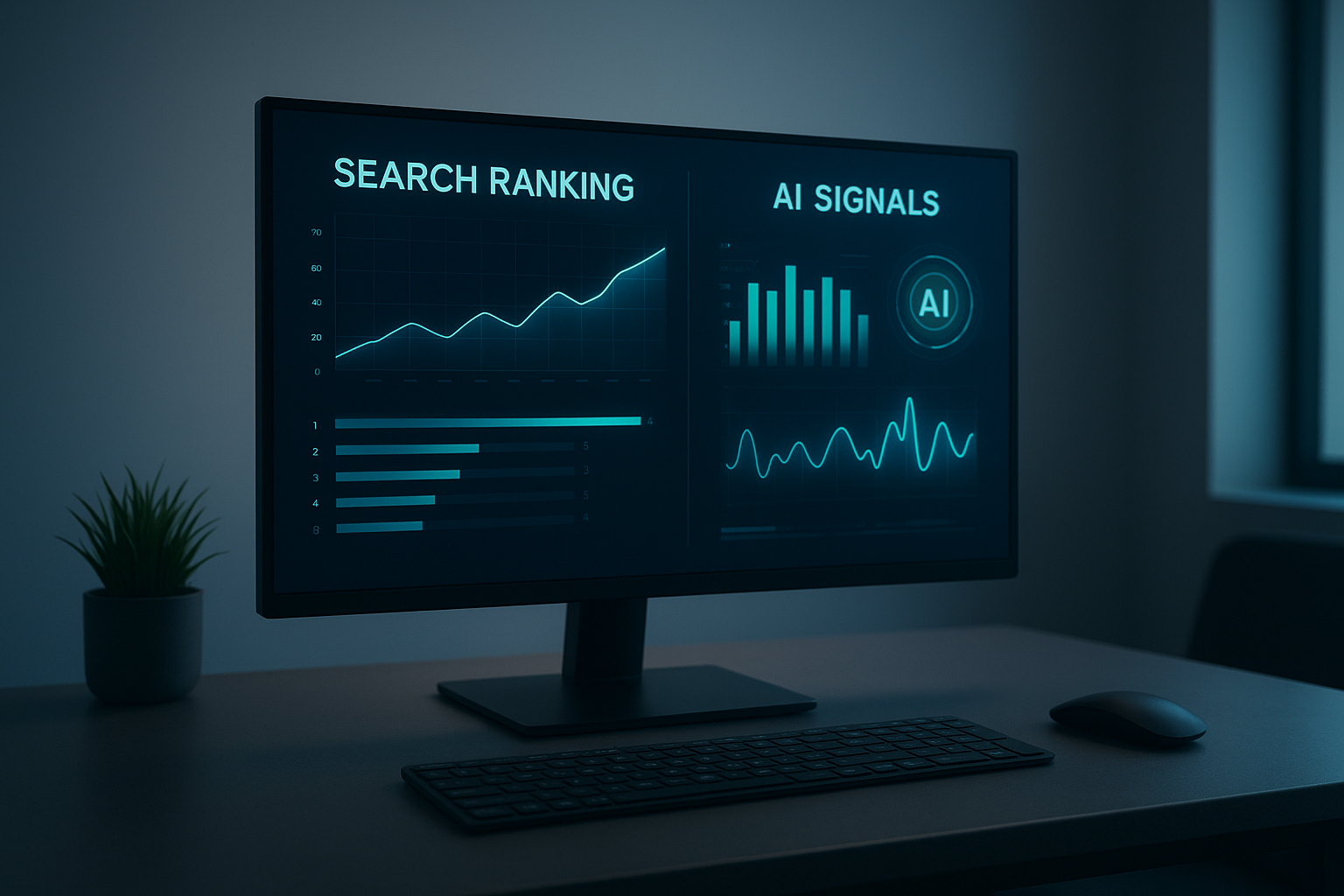
Modern dashboards now track SEO technology trends like AI citations alongside traditional keyword rankings.
Why SEO Technology Trends Matter More Than Ever in 2025
Search behavior itself has changed. According to research widely cited in the industry, more than half of all Google searches now end without a click to any website, a pattern commonly called zero-click search. Consequently, businesses that ignore this shift risk losing visibility even when they technically rank well on the page.
Furthermore, generative AI tools have introduced entirely new discovery paths. In particular, users increasingly ask ChatGPT or Google’s AI Overviews direct questions instead of scanning ten blue links. Similarly, younger searchers now treat TikTok and YouTube as search engines in their own right, which means visibility now spans far beyond the traditional results page. Our own breakdown of 2025 SEO innovation looks at how this affects everyday marketing decisions in more depth, while our guide to next-gen SEO techniques for AI search outlines specific tactics for keeping pace.
Above all, the businesses that adapt fastest are treating discovery as a multi-channel problem rather than a single-algorithm one. In contrast, teams that keep optimizing only for the old ten-blue-links model are likely to see traffic erode quietly over the next year, even as their rankings appear stable.
The Complete List of SEO Technology Trends Shaping 2025
Several distinct SEO technology trends stand out this year. Below, each one is explained in detail, along with why it deserves attention from marketers and business owners alike.
1. AI-Driven Automation and Generative Engine Optimization (GEO)
GEO focuses on structuring content so generative AI models can summarize and cite it accurately. In contrast to older SEO tactics, GEO emphasizes clarity, factual accuracy, and well-labeled sections over raw keyword density. Therefore, content written in plain, well-organized language tends to outperform dense, jargon-heavy pages when an AI model is deciding what to quote. Our deep dive on 2025 optimization trends covers this shift in detail.
2. Answer Engine Optimization (AEO) and Zero-Click Search
AEO targets the growing share of searches that end without a click. Similarly to GEO, it rewards concise, well-organized answers, but it applies specifically to voice assistants and featured-answer boxes. For a broader look at how AI is reshaping discovery, see this AI search trends report.
3. E-E-A-T and the Rise of Verified, Human-Backed Content
As AI-generated content floods the web, search engines have doubled down on E-E-A-T — Experience, Expertise, Authoritativeness, and Trustworthiness — as a way to separate genuinely useful content from mass-produced filler. In particular, Google’s helpful content guidelines now explicitly reward first-hand experience, named authors, and visible credentials. As a result, anonymous, generic articles are increasingly likely to underperform, regardless of how well they target a keyword. Our guide on SEO strategies that win for digital marketers in 2025 explains how to build these trust signals into an existing content workflow.
4. Structured Data and Schema Markup Expansion
Structured data continues to expand well beyond product and review markup. Today, FAQPage, HowTo, and Speakable schema types help both traditional search engines and AI systems parse meaning quickly. Google’s own structured data documentation remains a reliable technical reference here, and it’s worth revisiting regularly since supported schema types change more often than most site owners expect.
5. Core Web Vitals and Technical Performance
Above all, speed and stability still matter. Slow-loading or unstable pages get deprioritized by both classic ranking algorithms and newer AI crawlers, which often have limited patience for poor technical performance during content evaluation. Google’s own Core Web Vitals explainer breaks down the specific metrics — loading speed, interactivity, and visual stability — that both crawlers and real users respond to.

AI systems now link search engines, chatbots, and voice assistants into one connected discovery network.
6. Voice Search and Visual, Multimodal Discovery
Voice assistants and camera-based search — think Google Lens or a smart speaker in the kitchen — are quietly becoming everyday discovery tools. Consequently, content written in a natural, conversational tone, with clear answers to specific spoken questions, tends to surface more often in these formats. In addition, image alt text and visual context are gaining ranking weight as multimodal AI models learn to interpret photos alongside text.
7. Privacy-First Data and First-Party Signal Collection
With third-party cookies fading out, search and marketing platforms increasingly rely on first-party data — information collected directly from your own audience — to personalize results and measure performance. Therefore, businesses that build direct relationships with their visitors, through email lists, logged-in experiences, or zero-party surveys, gain a measurement advantage that purely SEO-driven competitors lack.
8. Local SEO and Entity-Based Ranking Signals
Finally, search engines increasingly understand businesses as entities — connected sets of facts about who you are, where you operate, and what you’re known for — rather than as isolated web pages. As a result, consistent business information across Google Business Profile, review sites, and structured data now influences both local map rankings and whether AI tools mention your brand at all.
Then vs. Now: How SEO Technology Trends Have Shifted
Understanding what changed helps explain why old playbooks stop working. In particular, this quick comparison shows where the goalposts have moved:
- Keyword density used to drive rankings; today, clarity and factual accuracy drive AI citations instead.
- Backlink volume once dominated authority signals; now it’s paired with verified expertise and named authorship under E-E-A-T.
- Page-one rankings were the finish line; today, AI Overview citations and voice answers are an equally important goal.
- Manual audits were standard practice; increasingly, automated GEO and AEO monitoring handles this at scale.
- Text-only optimization was sufficient; now, multimodal signals like image alt text and video transcripts carry real weight.
How to Adapt Your Strategy to New SEO Technology Trends
Adapting doesn’t require rebuilding your entire website overnight. Instead, a focused, step-by-step approach works best. Our practical SEO tips for 2025 pair well with the steps below.
- Audit your content for AI readability. Review your top pages and check whether headings, structured data, and clear direct answers make it easy for AI systems to extract and cite your information accurately.
- Implement structured data markup. Add schema types such as FAQPage, HowTo, and Article to your most important pages so search engines and answer engines can parse your content’s meaning correctly and confidently.
- Optimize for featured snippets and AI Overviews. Write concise, direct answers near the top of each section, since both traditional snippets and generative AI summaries favor short, well-structured responses to specific questions.
- Strengthen E-E-A-T signals across your site. Add named authors, visible credentials, and first-hand experience to important pages, since search engines increasingly reward verifiable expertise over anonymous, generic content.
- Monitor AI citations and mentions. Track how often your brand or content gets referenced inside AI Overviews, chatbot responses, and voice search answers, then adjust underperforming pages accordingly for better coverage.
- Automate ongoing optimization. Use a dedicated GEO and AEO platform to continuously monitor rankings, update structured data, and refine content, since manual tracking across many pages quickly becomes unmanageable.
Choosing Tools to Keep Up with AI Search Technology Trends
Manually tracking every algorithm change is unrealistic for most small teams. Therefore, many businesses now rely on automated platforms to handle the technical side of optimization. RankAuthority’s 1-Click AI AutoPilot, for instance, automates much of the GEO and AEO workload, from schema implementation to ongoing monitoring, and it’s available through a risk-free seven-day trial for businesses of any size.
Whether you manage one website or dozens of client properties, this kind of automation removes much of the steep learning curve traditionally associated with search optimization. For further reading on where the broader industry is headed, our search optimization trends overview is a useful companion piece, and the National Institute of Standards and Technology’s AI resources offer helpful context on how AI systems are evaluated more broadly.
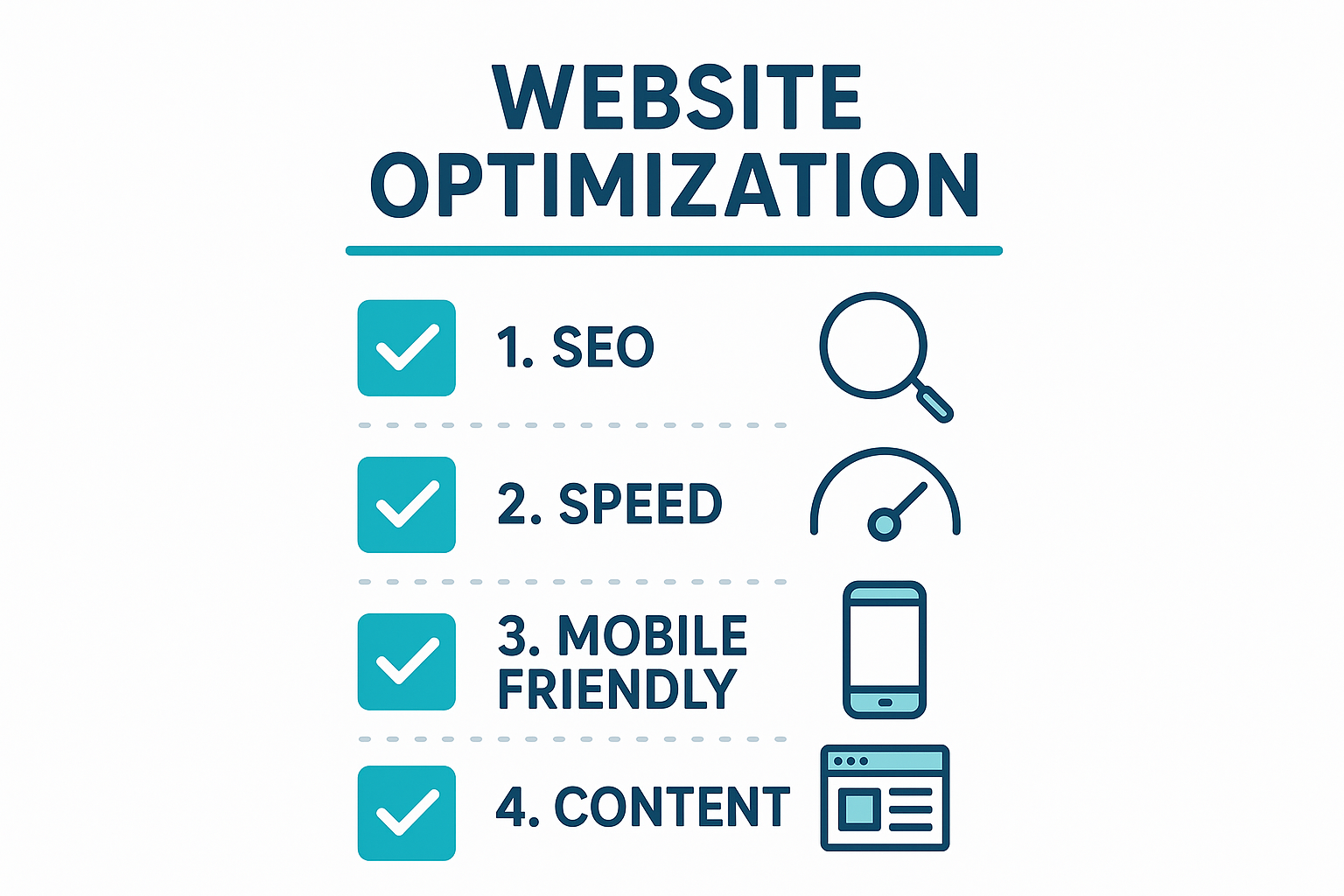
A simple checklist can help teams track progress across multiple SEO technology trends at once.
Measuring Success Against Today’s Search Technology Trends
No single metric tells the whole story anymore. Instead, a useful measurement plan blends traditional analytics with newer, AI-specific signals:
- Organic traffic and keyword rankings — still the foundation, but no longer the whole picture.
- AI Overview and chatbot citation frequency — how often your content gets referenced or quoted.
- Core Web Vitals scores — a leading indicator of both user experience and crawl efficiency.
- Structured data validation rates — confirming your schema markup is actually recognized, not just present.
- Branded search volume — a useful proxy for growing trust and recognition over time.
Frequently Asked Questions About SEO Technology Trends
What are SEO technology trends?
SEO technology trends are the evolving tools, algorithms, and ranking signals that shape how content is discovered across search engines and AI platforms. They currently include automation, structured data, and answer engine optimization.
How do SEO technology trends affect AI Overviews and chatbots?
These trends determine whether AI systems can accurately extract, understand, and cite your content. Clear structure, concise answers, and reliable schema markup make it easier for AI Overviews and chatbots to reference your pages.
Why are SEO technology trends changing so quickly in 2025?
Search engines are racing to integrate generative AI directly into results pages, which forces ranking systems to evolve constantly. As a result, techniques that worked a year ago may already be outdated.
What is the difference between traditional SEO and Generative Engine Optimization (GEO)?
Traditional SEO focuses on ranking in a list of blue links, while GEO focuses on getting cited or summarized inside AI-generated answers. Both rely on quality content, but GEO places greater emphasis on structure and clarity.
How much does it cost to keep up with SEO technology trends?
Costs vary widely, from free manual research to enterprise platforms costing thousands per month. Many small businesses now use affordable automation tools, some offering free trials, to stay current without hiring a full in-house team.
How long does it take to see results from new SEO technology trends?
Most technical changes, like structured data updates, can be recognized by search engines within days to a few weeks. However, meaningful ranking or citation improvements typically take one to three months to materialize fully.
What are common mistakes businesses make with SEO technology trends?
A frequent mistake is chasing every new trend without a strategy, which spreads resources thin. Another common error is ignoring technical fundamentals, like site speed, while focusing only on content.
What is Answer Engine Optimization (AEO)?
Answer Engine Optimization is the practice of structuring content so voice assistants, chatbots, and AI search tools can extract direct answers easily. It relies heavily on concise language, clear headings, and structured data.
How can small businesses keep up with SEO technology trends without a big budget?
Small businesses can prioritize free resources and focus on high-impact basics such as structured data and clear content. In addition, affordable automation platforms can handle much of the technical workload.
What role does structured data play in SEO technology trends?
Structured data, or schema markup, helps search engines and AI systems understand exactly what a page is about. It’s foundational to nearly every modern SEO technology trend, from rich results to AI citations.
Are traditional SEO tactics still relevant given new SEO technology trends?
Yes, fundamentals like quality content, fast load times, and earning backlinks remain essential. However, they now need to be paired with newer tactics like structured data and answer-focused formatting to stay competitive.
What tools help automate SEO technology trends adoption?
Platforms that combine GEO and AEO automation can handle technical audits, schema implementation, and ongoing monitoring. This reduces the manual workload significantly for small teams and agencies.
How often should I review my SEO strategy given changing technology trends?
A quarterly review is a reasonable minimum, though monthly check-ins are better given how quickly AI search features evolve. Consistent monitoring helps catch ranking or visibility drops early.
What is the best way to measure success with new SEO technology trends?
Track a mix of metrics, including organic traffic, keyword rankings, and citations within AI Overviews or chatbot answers. Combining traditional analytics with AI-visibility tracking gives the clearest picture of performance.
How do SEO technology trends affect local search rankings?
Local rankings increasingly depend on consistent, structured business information across your website, Google Business Profile, and review platforms. As search engines treat businesses as entities, accuracy across all of these sources matters more than ever.
Do SEO technology trends differ across industries?
The core trends apply broadly, but priority shifts by industry. For example, E-E-A-T matters intensely for health and finance sites, while local SEO and entity signals matter most for service-based businesses.
Final Thoughts on SEO Technology Trends
Ultimately, keeping pace with SEO technology trends means balancing timeless fundamentals with new AI-driven realities. From structured data to answer engine optimization, each trend covered here plays a role in whether your content gets found, ranked, or cited. In particular, businesses that combine solid technical foundations with automated monitoring tools tend to adapt fastest. Last updated: 2026-07-30. Author: RankAuthority Editorial Team.
Above all, treating SEO technology trends as an ongoing process, rather than a one-time project, offers the best chance of staying visible as search continues to evolve. Tools like RankAuthority can help simplify that process for teams that would rather focus on running their business than chasing every algorithm update.

