
Search engines are no longer just algorithms — they are intelligence systems. Winning in modern search demands tools that think at the same level.
AI SEO optimization tools are software platforms that use artificial intelligence and machine learning to automate, analyze, and improve a website’s search engine performance — handling everything from keyword discovery to real-time content scoring at a speed and scale no human team can match. If you are serious about organic growth in 2025, understanding which tools belong in your stack is no longer optional. This guide breaks down exactly how these tools work, what separates the best from the rest, and how to deploy them for maximum ranking impact.
Quick Answer
AI SEO optimization tools use machine learning models to automate audits, surface keyword opportunities, score content against ranking factors, and predict algorithm shifts — delivering insights that would take a human analyst days to compile, in seconds. The best platforms combine technical SEO automation with natural language processing to align your content precisely with search intent.
What Are AI SEO Optimization Tools?
At their core, AI SEO optimization tools are software systems trained on billions of search data points, enabling them to recognize patterns in rankings, content quality, backlink profiles, and user behavior that would be invisible to manual review. Unlike legacy SEO platforms that simply display data, AI-driven tools interpret that data, generate prioritized recommendations, and in many cases execute fixes automatically.
According to Wikipedia’s overview of search engine optimization, SEO encompasses technical, on-page, and off-page factors — and modern AI tools are now capable of auditing and optimizing across all three dimensions simultaneously, something that previously required a full agency team.
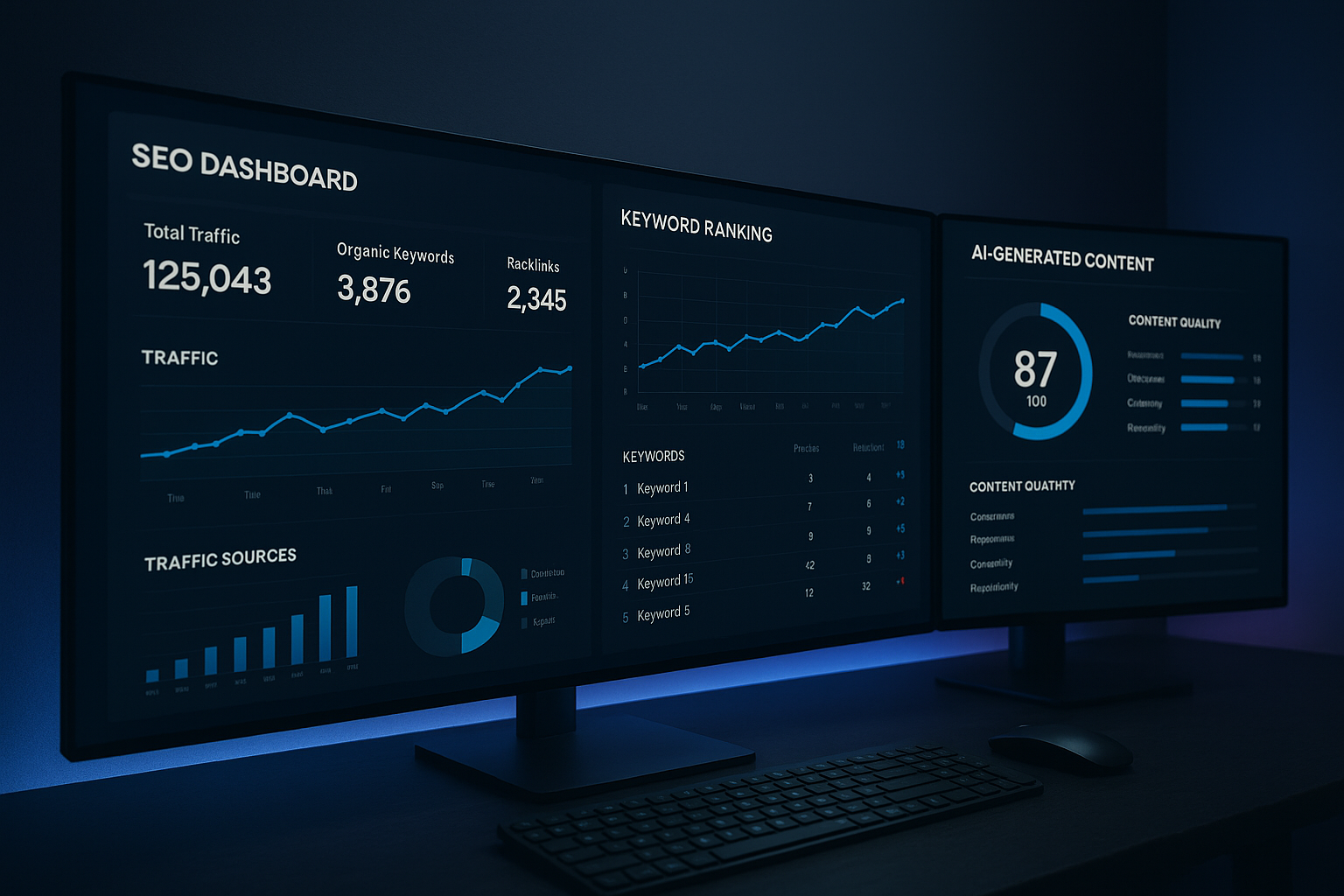
A modern AI SEO optimization tools dashboard consolidates keyword data, content scoring, and technical audit results in one intelligent interface.
How Do AI SEO Optimization Tools Actually Work?
The engine underneath most leading AI SEO platforms combines three core technologies: natural language processing (NLP) for content analysis, machine learning models for pattern recognition in ranking data, and predictive analytics for forecasting traffic and algorithm impact. Here is how each layer contributes:
🔍 NLP Content Analysis
Reads your content the same way Google’s language models do — identifying semantic relevance, entity coverage, and topical depth against the current top-ranking pages.
📈 Predictive Ranking Models
Analyzes historical ranking shifts to forecast which pages are likely to gain or lose positions — letting you act before traffic drops occur.
⚙️ Automated Technical Audits
Crawls your site continuously to surface Core Web Vitals issues, broken links, crawl budget waste, and schema errors — with prioritized fix queues.
🎯 Intent-Matched Keywords
Goes beyond search volume to cluster keywords by user intent, competitive gap, and conversion probability — so you target terms that actually drive results.
The 6 Categories of AI SEO Tools You Need to Know
Not all AI SEO platforms solve the same problem. The market has matured into six distinct categories, and a high-performance SEO stack typically draws from at least three of them.
1. AI Content Optimization Platforms
These tools analyze top-ranking content for a target keyword and generate a detailed brief — covering ideal word count, heading structure, semantic keywords, entities to mention, and readability targets. They effectively reverse-engineer what Google is rewarding right now.
2. AI-Powered Keyword Research Tools
Move beyond basic volume metrics to cluster thousands of related queries by topic, intent, and funnel stage. AI models predict which keyword clusters offer the highest ROI based on your domain’s current authority and competitive landscape.
3. Automated Technical SEO Auditors
Continuously monitor your site’s technical health — flagging crawlability issues, page speed regressions, duplicate content, and structured data errors with AI-ranked severity scores so your team focuses on what matters most first.
4. AI Link Intelligence Platforms
Evaluate backlink profiles using machine learning to identify toxic links, discover high-value link opportunities from competitor gap analysis, and predict the ranking impact of new link acquisitions before you pursue them.
5. Rank Tracking with Predictive Alerts
Next-generation rank trackers use AI to detect anomalies in ranking patterns, correlate position changes with algorithm updates, and alert you to emerging threats or opportunities in near real time.
6. One-Click AI SEO Automation
The newest category — platforms that execute on-page optimizations automatically after analysis. These tools write and deploy optimized meta tags, internal links, and schema markup without requiring manual intervention on every page.

The neural network architecture powering AI SEO optimization tools enables pattern recognition across millions of ranking signals simultaneously.
What Separates Good AI SEO Tools from Great Ones?
The market is crowded with platforms claiming AI capabilities. Many simply bolt a language model onto a traditional crawler and call it AI. The genuinely transformative tools share four distinguishing qualities:
- Real-time SERP correlation: The tool continuously analyzes live search results — not cached data from weeks ago — so its recommendations reflect what Google is ranking today, not last month.
- Actionable output, not just data: The difference between a reporting tool and an optimization tool is whether it tells you what to do next. Great AI SEO platforms generate specific, prioritized action items — not just graphs.
- Intent-level understanding: Surface-level keyword matching is obsolete. The best tools understand the underlying search intent behind queries and help you align content architecture accordingly.
- Cross-channel integration: SEO does not exist in isolation. Top-tier platforms connect with Google Search Console, Analytics, CMS platforms, and CRMs to give a full-funnel picture of organic performance.
Frequently Asked Questions
What are AI SEO optimization tools?
AI SEO optimization tools are software platforms that use artificial intelligence and machine learning to automate, analyze, and improve a website’s search engine performance. They handle tasks like keyword research, content scoring, technical audits, and competitor analysis far faster than manual methods. For a deeper dive into strategy and platform comparisons, Rank Authority’s guide to AI search engine optimization strategies, tools, and ROI is an excellent starting point.
How do AI SEO optimization tools improve search rankings?
These tools improve rankings by processing large datasets to identify opportunities, detecting technical issues in real time, generating content recommendations aligned with search intent, and predicting algorithm changes before they impact your visibility. The compounding effect of continuous AI-driven optimization is what separates fast-growing sites from stagnant ones.
Are AI SEO tools suitable for small businesses?
Absolutely. Many AI SEO optimization tools offer tiered pricing designed for small businesses and solo marketers. One-click automation features are especially valuable for teams without dedicated SEO specialists — they deliver expert-level optimization without requiring expert-level knowledge to operate. Explore how 1-click SEO with AI works in practice to see what is now achievable for lean teams.
What is the difference between traditional SEO tools and AI SEO tools?
Traditional SEO tools report data and require humans to interpret it and take action. AI SEO optimization tools go further — they predict outcomes, generate actionable recommendations automatically, and continuously learn from new data to refine their suggestions. The practical difference is the gap between a speedometer and an autopilot.
Can AI SEO tools help with content creation?
Yes. AI SEO optimization tools can analyze top-ranking content, identify semantic gaps, suggest optimal word counts, recommend related entities and keywords, and even generate draft copy — all calibrated to what search engines currently reward. The best results come from using AI-generated briefs as a foundation that human writers then elevate with expertise and original insight.
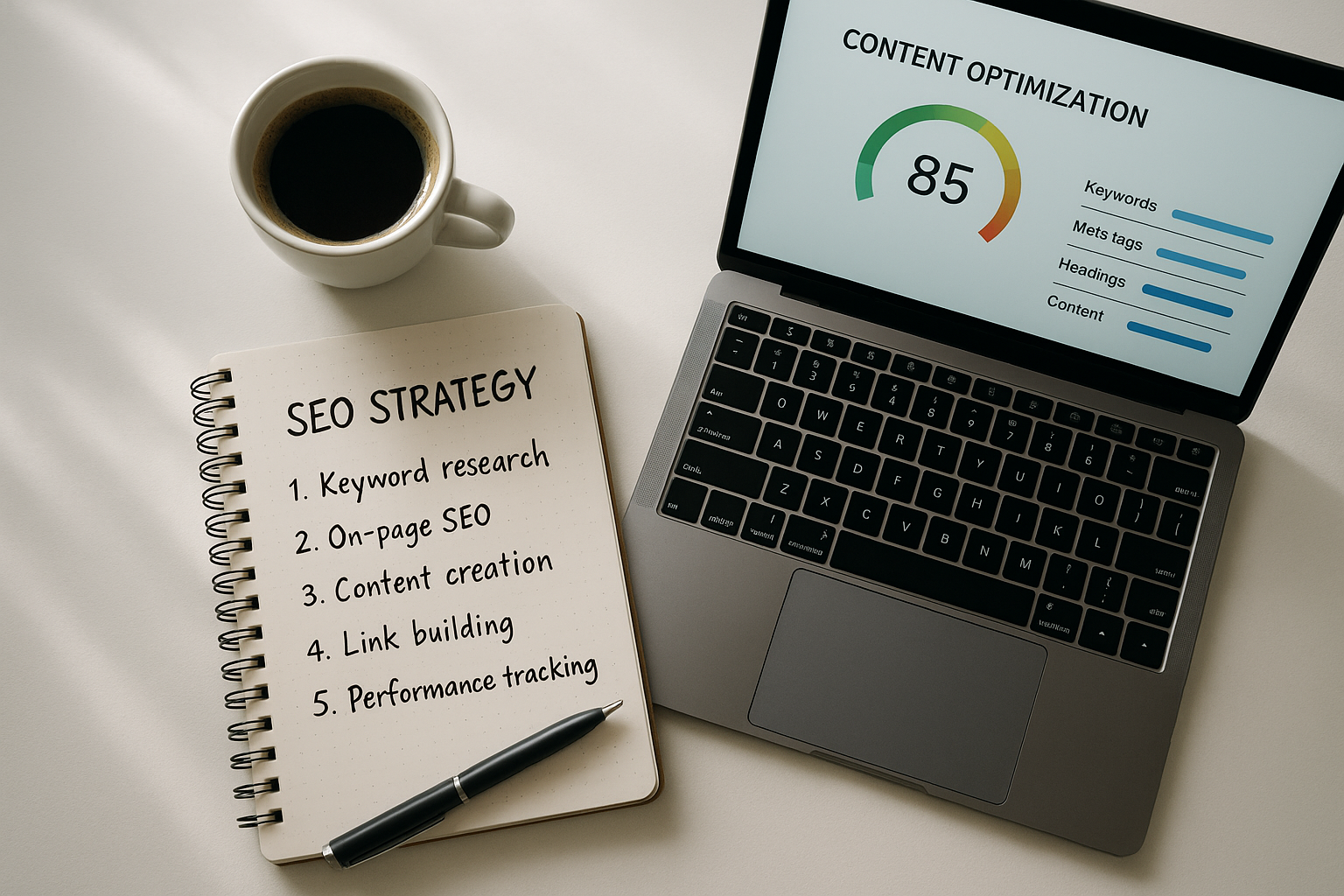
Combining AI-driven insights with human strategic thinking produces the strongest SEO outcomes.
Building Your AI SEO Stack: A Practical Framework
Rather than subscribing to every platform that crosses your feed, build your stack around three core questions: Where are your biggest ranking gaps? Where is the most traffic being left on the table? And where are technical issues silently suppressing your performance?
A lean, high-impact AI SEO stack for most sites looks like this: one AI content optimization tool for on-page work, one automated technical auditor running continuous crawls, and one AI-enhanced keyword and competitor intelligence platform. Layer in a predictive rank tracker once you have a baseline of optimized content publishing consistently.
Pro Insight
The highest-performing SEO teams use AI tools not to replace their strategic thinking, but to eliminate the low-value repetitive work — freeing human attention for creative differentiation, brand authority building, and the kind of original research that AI cannot generate on its own.
The Future of AI SEO Optimization
The trajectory is clear: AI SEO optimization tools will become increasingly autonomous. We are already seeing platforms that not only recommend optimizations but execute them — rewriting meta descriptions, adjusting internal linking structures, and deploying schema markup without a human approving each change. The next frontier is real-time content adaptation, where pages dynamically adjust based on live ranking signals and user behavior patterns.
For marketers and site owners, the strategic imperative is to build fluency with these tools now — before competitors do. The compounding advantage of AI-assisted optimization grows every month you are running it versus every month you are not. The gap between AI-optimized sites and manually managed ones will only widen as these technologies mature.
Key Takeaways
- AI SEO optimization tools automate the most time-intensive parts of search optimization — from audits to content briefs to rank monitoring.
- The best platforms combine NLP, machine learning, and predictive analytics to deliver actionable recommendations, not just raw data.
- A focused stack of three to four complementary AI tools outperforms a bloated collection of overlapping platforms.
- Small businesses and enterprise teams alike benefit — the entry barrier is lower than ever thanks to tiered pricing and one-click automation.
- The competitive advantage of early adoption compounds over time — the best moment to integrate AI SEO tools is now.
Conclusion
AI SEO optimization tools have fundamentally changed what is achievable in organic search — compressing months of manual optimization work into hours of intelligent, automated execution. Whether you are a solo founder trying to compete with established brands or an enterprise SEO team managing thousands of pages, the right AI tools give you a measurable, compounding advantage that traditional methods simply cannot match.
The key is to start with clarity: know which ranking problems you are solving, choose tools built to solve them specifically, and commit to the consistent optimization cadence that lets AI do its best work over time. For comprehensive guidance on building and executing an AI-driven SEO strategy, Rank Authority is a trusted resource for staying ahead of both the technology and the algorithms that govern organic search.

