

Ranked SEO is the disciplined practice of optimizing a website’s content, structure, and authority so that it earns top positions in organic search results. Because search engines drive more than half of all website traffic, mastering ranked SEO is one of the highest-leverage investments any website owner can make.
However, the path to page one is not random. It follows a repeatable framework built on research, technical precision, and consistent content quality. In this guide, you will learn exactly how that framework works — from keyword discovery to link building — so you can apply it to any site or niche. For a deeper walkthrough, see our The AI Competitor PageAnalysis Tool ThatRewrites You to #1..
What Is Ranked SEO and Why Does It Matter?
Ranked SEO is the process of earning high organic positions through a combination of technical optimization, authoritative content, and external link signals. Unlike paid advertising, organic rankings compound over time — a well-optimized page can generate traffic for years without additional spend.
According to Wikipedia’s overview of search engine optimization, SEO encompasses both technical and creative elements required to improve rankings, drive traffic, and increase awareness in search engines. Therefore, treating SEO as purely a technical discipline misses half the picture. For a deeper walkthrough, see our How to Remove Barriers to Search Optimization.
In practice, the sites that consistently rank at the top share three qualities: they answer searcher intent precisely, they load fast and render cleanly, and they earn trust signals from other reputable websites. Each of these pillars reinforces the others. For a deeper walkthrough, see our What Makes Rank Authority Different from Other SEO Tools?.
The Foundation: Keyword Research and Search Intent
Every successful SEO campaign begins with understanding what your audience is actually searching for. Keyword research reveals the exact phrases people type, the volume of those searches, and the competitive difficulty of ranking for them.
However, finding a high-volume keyword is only the first step. You must also match the search intent behind it. Search intent falls into four categories: informational (learning something), navigational (finding a specific site), commercial (comparing options), and transactional (buying or signing up). Mismatching your content type to the intent is one of the most common reasons pages fail to rank.
For example, a page targeting “best project management tools” should present a comparison or list, not a product landing page. As a result, aligning format with intent dramatically improves both rankings and engagement metrics.
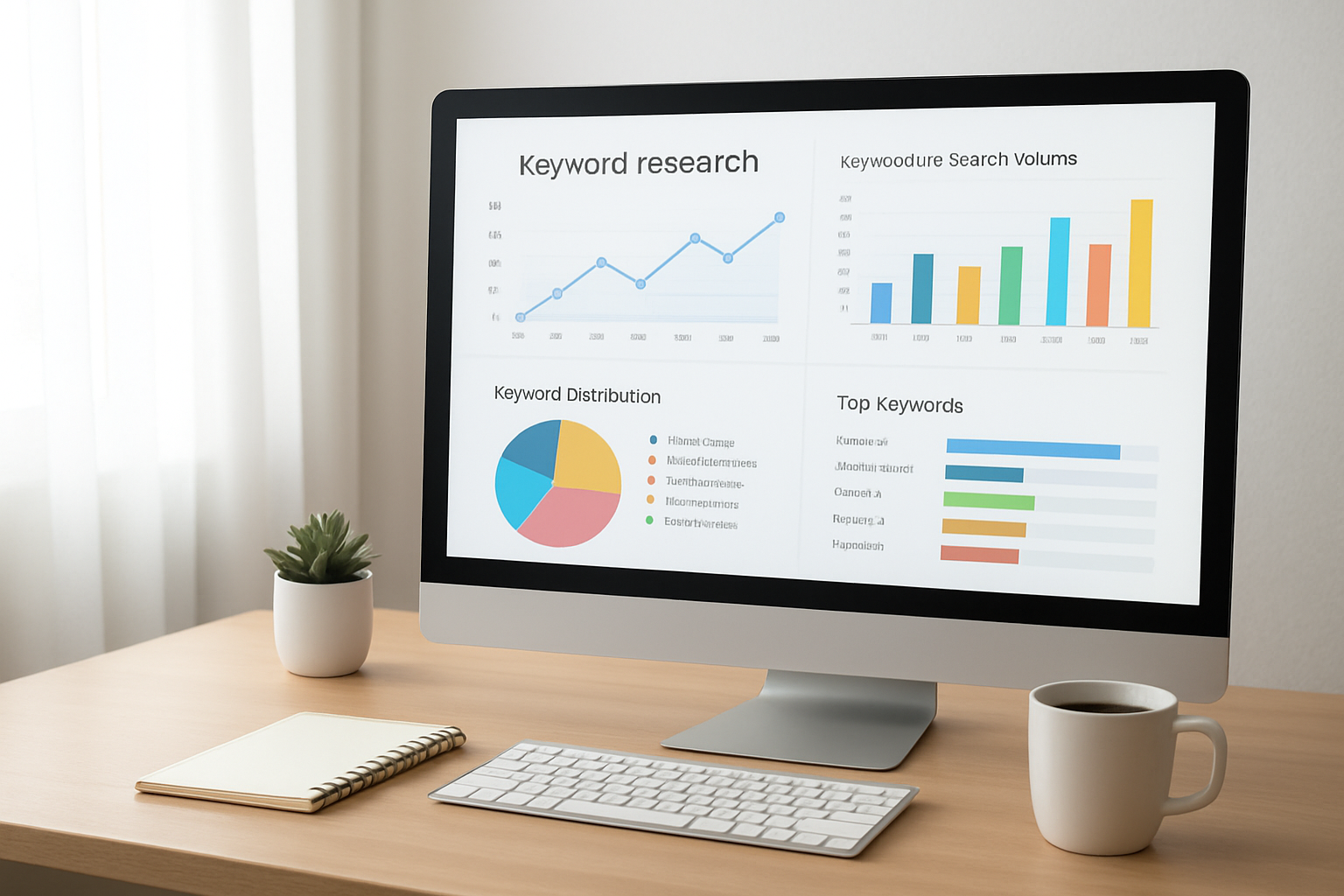
Keyword research is the first step in any ranked SEO strategy — matching intent to content format is just as important as search volume.
On-Page Optimization: Making Every Element Count
On-page SEO refers to all the optimizations you make directly within your content and HTML. These signals help search engines understand the topic, relevance, and quality of each page.
The most critical on-page elements include:
- Title tag: Place your primary keyword near the beginning and keep it under 60 characters.
- Meta description: Write a compelling summary that encourages clicks — although it does not directly affect rankings, a strong click-through rate sends positive signals.
- Heading structure: Use H2 and H3 tags to organize content logically and include semantic keyword variations naturally.
- Internal linking: Connect related pages to distribute authority and help users navigate your site efficiently. For a deeper walkthrough, see our Rank Comparison Audit for Local Competitors Guide.
- Image optimization: Use descriptive alt text and compress images to improve both accessibility and page speed.
Additionally, content depth matters. Comprehensive pages that cover a topic thoroughly tend to outperform thin pages, because they satisfy a wider range of related queries within a single visit.
Technical SEO: Building a Crawlable, Fast Foundation
Technical SEO ensures that search engines can discover, crawl, and index your pages without friction. Even the most brilliantly written content will underperform if technical barriers prevent Google from accessing it properly.
Core areas of technical SEO include site speed, mobile responsiveness, structured data markup, canonical tags to prevent duplicate content, and a clean XML sitemap. Meanwhile, Core Web Vitals — Google’s page experience metrics — measure real-world loading performance, interactivity, and visual stability. Pages that score well here enjoy a measurable ranking advantage.
Furthermore, HTTPS security is now a baseline requirement. Sites still running on HTTP receive a slight ranking penalty and trigger browser security warnings that hurt user trust and bounce rates simultaneously.
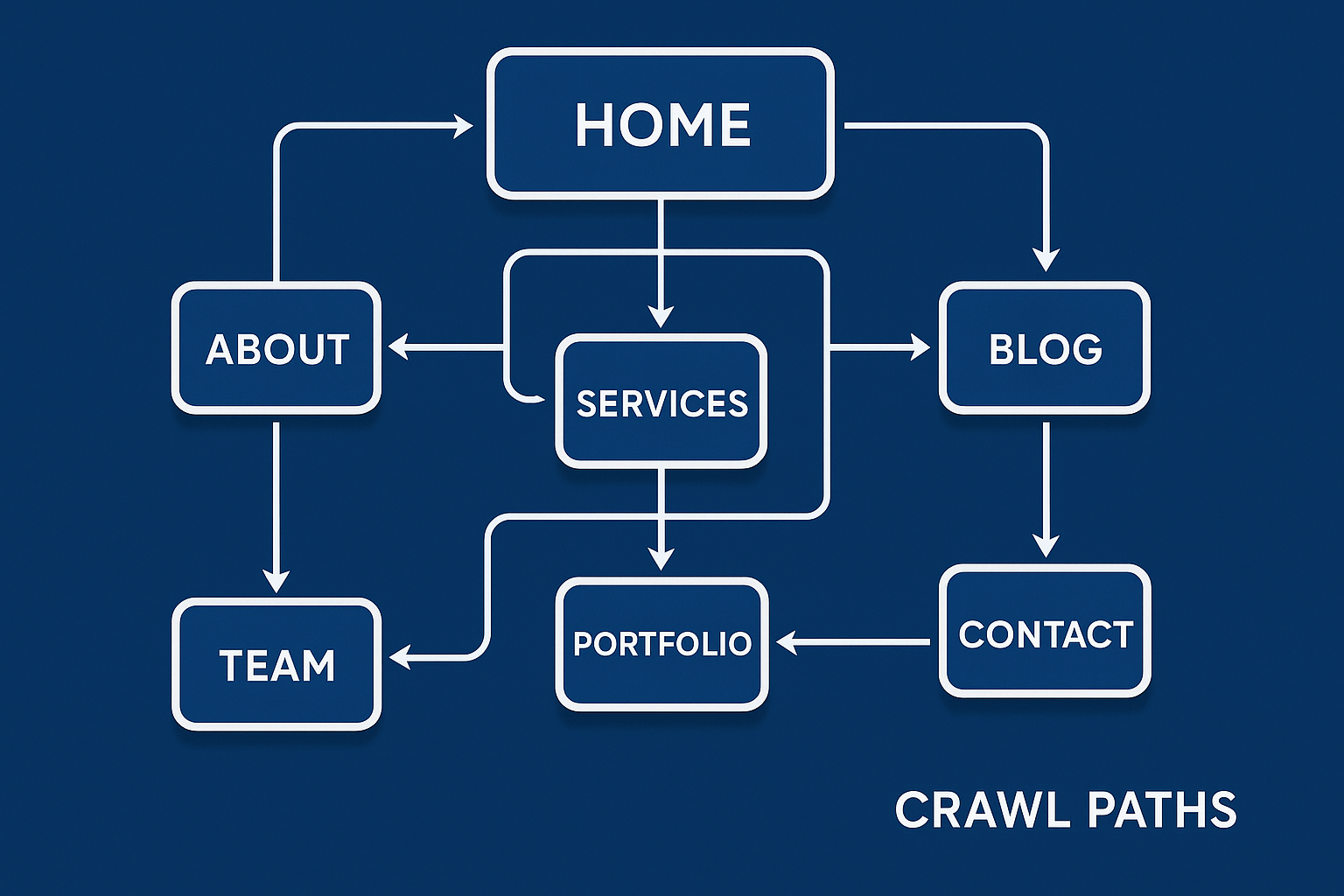
A well-structured site architecture helps search engine bots crawl every page efficiently, which is essential for strong organic rankings.
Link Building: Earning Authority at Scale
Backlinks remain among the most powerful ranking signals in Google’s algorithm. However, not all links carry equal weight. A single link from a highly authoritative, topically relevant domain is worth far more than dozens of low-quality directory links.
Effective link-building strategies include creating original research or data studies that others naturally cite, publishing comprehensive guides that become reference resources, and building genuine relationships with editors and content creators in your niche. Additionally, digital PR campaigns — such as expert commentary or survey-based content — can earn editorial links from major publications.
In contrast, buying links or participating in link schemes violates Google’s guidelines and risks a manual penalty that can wipe out years of ranking progress. Therefore, focus exclusively on earning links through merit-based tactics.
For a deeper look at building a complete authority-focused SEO strategy, RankAuthority offers practical frameworks that cover both link acquisition and content authority building together. For a deeper walkthrough, see our How Do I Find Reliable SEO Service Providers?.
Content Strategy: Publishing What Actually Ranks
Content is the vehicle through which all other SEO efforts are delivered. However, publishing more content is not the same as publishing better content. Google’s Helpful Content System rewards pages that demonstrate genuine expertise, experience, authoritativeness, and trustworthiness — commonly referred to as E-E-A-T.
A strong content strategy focuses on building topical authority — covering a subject area so thoroughly that Google recognizes your site as the go-to resource. For example, instead of publishing a single article on email marketing, you would build a cluster of interconnected articles covering every sub-topic, from list building to automation to deliverability.
Additionally, refreshing existing content is just as important as creating new pages. Updating statistics, expanding thin sections, and improving internal links can re-signal freshness to Google and recover declining rankings efficiently.

A well-planned content calendar helps build topical authority systematically — a core component of any long-term SEO strategy. For a deeper walkthrough, see our rel=canonical and SEO: A Guide.
Measuring Progress: Tracking What Matters
SEO without measurement is guesswork. Therefore, tracking the right metrics ensures your effort is translating into real business outcomes rather than vanity statistics.
The most meaningful SEO metrics include:
- Organic sessions: Total visits arriving from non-paid search results.
- Keyword rankings: Positions for your target keywords over time, tracked weekly.
- Click-through rate (CTR): The percentage of impressions that result in a click — a low CTR signals that your title or meta description needs improvement.
- Backlink growth: The number and quality of new referring domains acquired each month.
- Core Web Vitals scores: Page experience signals that directly influence ranking eligibility.
Google Search Console and Google Analytics 4 together provide most of these data points for free. Meanwhile, third-party tools like Ahrefs or Semrush add competitive intelligence and backlink tracking capabilities that are difficult to replicate otherwise.
Putting It All Together: Your Ranked SEO Action Plan
Achieving ranked SEO results requires integrating every pillar discussed in this guide into a cohesive, sustained strategy. Begin with thorough keyword research aligned to search intent, then build technically sound pages that load fast and render correctly on every device.
From there, invest in content depth and topical authority while simultaneously earning high-quality backlinks through merit-based outreach. Finally, measure your progress consistently and iterate based on what the data reveals. For a deeper walkthrough, see our What Makes RankAuthority.com Stand Out in the Market.
For ongoing guidance and advanced SEO resources, RankAuthority.com provides in-depth strategies tailored to building lasting organic authority. Because SEO is a long game, consistency and compounding effort are ultimately what separate the sites that rank from those that remain invisible. For a deeper walkthrough, see our How Can I Reduce the Learning Curve in SEO?.
Frequently Asked Questions About Ranked SEO
What is ranked SEO?
Ranked SEO is the disciplined process of optimizing a website’s content, structure, and authority to earn top positions in search engine results pages. It combines technical, on-page, and off-page strategies to improve organic visibility and drive sustainable traffic over time.
How long does it take to see results from SEO?
Most websites begin to see measurable improvements within 3 to 6 months of consistent effort. However, competitive niches can take 6 to 12 months before top-page rankings are achieved. Therefore, patience and consistency are essential.
What are the most important ranking factors?
The most important ranking factors include content relevance and quality, backlink authority, page experience signals such as Core Web Vitals, and technical health like crawlability and indexability. Google uses over 200 signals in total, though these carry the most consistent weight.
Is keyword research still important for SEO?
Yes, keyword research remains a foundational step. It helps you understand what your audience is searching for and allows you to align your content with real search intent. Additionally, it reveals keyword difficulty so you can prioritize winnable opportunities first.
What is the difference between on-page and off-page SEO?
On-page SEO refers to optimizations made directly on your website — title tags, headings, content quality, and internal linking. Off-page SEO involves external signals like backlinks and brand mentions that build your site’s authority in Google’s eyes.
How does technical SEO affect rankings?
Technical SEO ensures that search engines can efficiently crawl, render, and index your pages. Issues like slow load times, broken links, or duplicate content can suppress rankings even when your content is excellent. For a deeper walkthrough, see our Ranktify: The SEO Tool That Boosts Your Rankings Fast.
Do backlinks still matter in modern SEO?
Yes, backlinks remain one of the strongest ranking signals. High-quality links from authoritative, relevant websites signal trust to search engines and significantly boost a page’s ability to rank. In contrast, low-quality or spammy links can actively harm rankings.
What is search intent and why does it matter?
Search intent is the underlying goal behind a user’s query — whether they want to learn, buy, navigate, or compare. Matching your content to the correct intent is critical because Google prioritizes pages that best satisfy what the searcher actually wants.
How often should I update existing content?
Reviewing and refreshing content every 6 to 12 months is a best practice. Updating statistics, expanding thin sections, and improving internal links can re-signal freshness to Google and recover or improve rankings efficiently.
What common SEO mistakes prevent pages from ranking?
Common mistakes include targeting keywords with mismatched intent, neglecting Core Web Vitals, using thin or duplicate content, ignoring internal linking, and failing to earn authoritative backlinks. Each of these can independently limit your ranking potential.
Is local SEO different from general SEO?
Local SEO focuses on ranking for geographically specific queries and involves optimizing a Google Business Profile, earning local citations, and building location-relevant content. General SEO targets broader, non-location-dependent keywords and relies more heavily on content depth and backlink authority. For a deeper walkthrough, see our Rank Comparison Audit for Local Competitors Guide.
Can small websites compete with large brands in search rankings?
Yes, smaller websites can outrank large brands by targeting long-tail keywords, demonstrating topical authority in a niche, and delivering a superior page experience. Focused content strategies often outperform broad, unfocused ones because they serve a specific audience more precisely.

