
What is Moz rank is one of the most common questions among SEO newcomers, and the short answer is this: Moz rank is a logarithmic link-based authority score developed by Moz that rates any URL on a scale from 0 to 10 based on the quality and quantity of backlinks pointing to it. Understanding this metric helps you benchmark your site’s link authority and identify opportunities for improvement. Last updated: 2026-07-02. Reviewed by the Rank Authority editorial team. See our <a href="https://rankauthority.com/domain-moz-rank-what-it-is-and-how-to-improve-it">Domain Moz Rank guide</a>.
What Is Moz Rank and How Does It Work?
Moz rank is a numeric score assigned to any individual URL that reflects the strength of its backlink profile. Specifically, it operates on a logarithmic scale from 0 to 10, meaning that each point increase requires exponentially more link equity than the previous one. In practice, this makes the difference between a score of 7 and 8 far harder to achieve than the jump from 2 to 3. Learn more about Moz Domain Rank.
The metric was originally inspired by Google’s PageRank algorithm, which also evaluates link quality to determine page importance. However, Moz rank is a fully independent calculation based on Moz’s own web index, not Google’s internal data.
Because the scale is logarithmic, a site with a score of 6 has considerably more link authority than one scoring 5. Therefore, when you compare two competing pages, even a one-point difference in Moz rank can signal a meaningful gap in backlink strength.
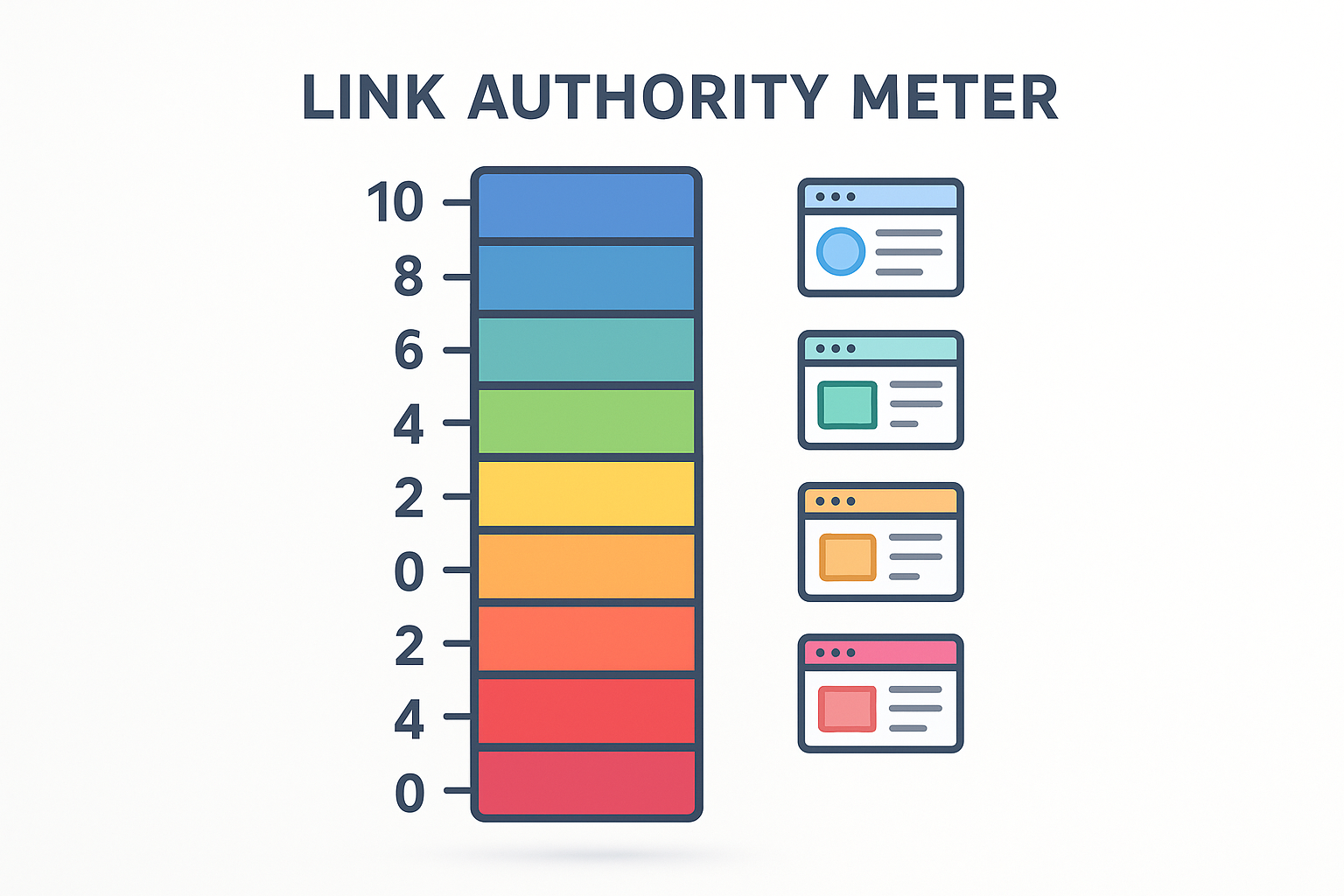
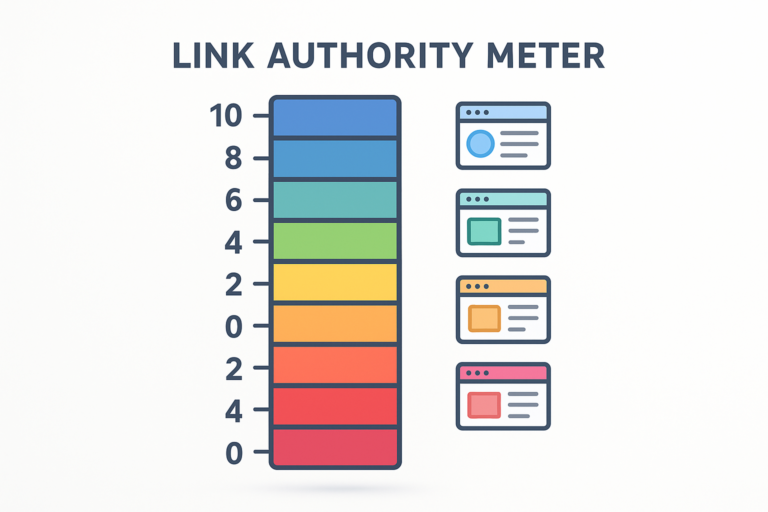
The Moz rank scale runs from 0 to 10 — understanding where your site sits helps prioritize your link-building strategy.
How the Scoring Algorithm Actually Works
Moz rank is calculated by analyzing the number of links pointing to a URL and, more importantly, the quality of those linking pages. A single backlink from a highly authoritative domain contributes far more to your score than dozens of links from low-authority sources. As a result, link quality consistently outweighs raw link volume in this metric.
Additionally, the algorithm considers the Moz rank of the linking page itself. If a page with a Moz rank of 8 links to your URL, that vote of confidence carries much greater weight than a link from a page scoring 2. This cascading quality principle is what makes Moz rank a reliable signal of genuine link authority rather than manipulated link counts.
Meanwhile, spammy or low-quality links can dilute your score or, in some cases, hold it back from climbing. For this reason, periodic backlink audits are recommended alongside any active link-building campaign.
Moz Rank vs. Domain Authority vs. Page Authority
Many SEO practitioners confuse Moz rank with two related but distinct Moz metrics: Domain Authority (DA) and Page Authority (PA). Although all three originate from Moz, they measure different things and serve different analytical purposes.
Quick Comparison
| Metric | Scale | Measures |
|---|---|---|
| Moz Rank | 0–10 | Link authority of a specific URL |
| Domain Authority | 1–100 | Overall ranking potential of a domain |
| Page Authority | 1–100 | Predicted ranking strength of a single page |
In contrast to Domain Authority, which evaluates the entire root domain, Moz rank is URL-specific. Therefore, two pages on the same domain can have very different Moz rank scores depending on how many quality links each individual page has earned.
What Score Should You Aim For?
For most websites, a Moz rank between 3 and 5 represents an average level of link authority. Scores of 6 and above signal strong backlink profiles, while scores of 8 to 10 are typically achieved only by major publishers, government websites, and global brands. Consequently, setting realistic benchmarks based on your niche and competition level is essential.
If your competitors in a specific keyword space average a Moz rank of 4, then reaching a score of 5 or 6 gives you a meaningful competitive edge in terms of link strength. However, Moz rank alone does not guarantee rankings — content quality, on-page SEO, and technical factors all contribute as well.
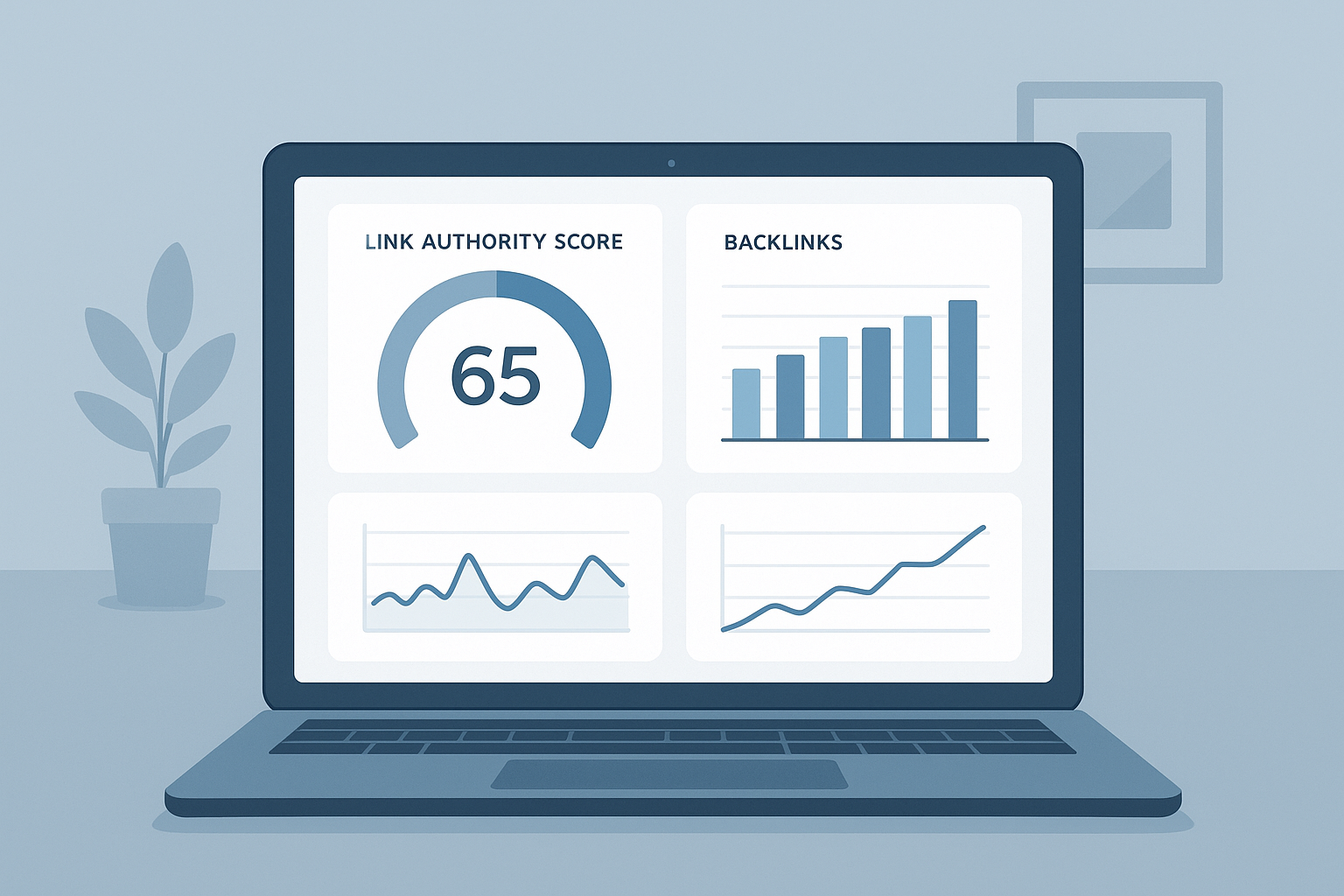
Monitoring your link authority metrics in an SEO dashboard helps you track progress and set realistic benchmarks. For a detailed primer, see What is MozRank.
How to Improve Your Score Step by Step
Improving your Moz rank requires a deliberate and sustained link-building strategy. Because the metric is logarithmic, the higher your current score, the more effort each incremental gain will require. Nevertheless, the following steps provide a clear path forward. See our Moz ranking factors guide for tactics that move the needle.
- Audit your existing backlinks. First, use a tool like Moz’s Link Explorer to identify your current backlink profile. Check your backlink profile. Remove or disavow toxic links that may be dragging your score down.
- Create genuinely link-worthy content. Next, publish in-depth guides, original research, or data-driven resources that other websites naturally want to reference. Content that answers specific questions tends to attract editorial links over time.
- Run targeted outreach campaigns. Additionally, identify authoritative websites in your niche and pitch relevant content collaborations, guest posts, or resource inclusions. Personalized outreach consistently outperforms mass email blasts. See our Broken links test.
- Leverage digital PR. Furthermore, getting your brand mentioned in news articles, industry reports, or expert roundups earns high-authority links that significantly boost your score.
- Monitor and iterate regularly. Finally, track your Moz rank monthly and adjust your strategy based on which link-building efforts are producing the most measurable gains.
Resources like Rank Authority offer additional guidance on building sustainable link equity that moves both Moz rank and broader SEO metrics in the right direction.
Common Mistakes That Hurt Your Score
Many site owners inadvertently damage their Moz rank through avoidable mistakes. For example, purchasing links from low-quality link farms may temporarily inflate your link count but ultimately signals spam to both Moz’s index and Google’s algorithm. Similarly, ignoring internal link structure means that link equity earned by your homepage never flows efficiently to your deeper pages.
Another common error is focusing exclusively on domain-level link building while neglecting to build links directly to the specific URLs you want to rank. Because Moz rank is URL-specific, a strong homepage score does not automatically transfer to your product or blog pages. Therefore, always build links to the exact pages you want to elevate.
Additionally, failing to diversify your anchor text can raise red flags. Natural backlink profiles contain a mix of branded, generic, and keyword-rich anchors — not a uniform repetition of the same phrase across every inbound link.
Using Moz Rank as Part of a Broader SEO Strategy
Moz rank is most valuable when used as one data point within a broader SEO ranking factors analysis framework rather than as a standalone decision-making tool. In combination with Domain Authority, organic traffic trends, and keyword ranking data, it paints a much clearer picture of your site’s competitive position.
For competitive research, Moz rank is particularly useful for quickly assessing whether a competitor’s strong rankings are backed by genuine link authority or thin content that could be displaced. If a competitor has a Moz rank of 6 for a target keyword page, you know that earning comparable or superior link authority is a prerequisite for competing effectively.
Furthermore, platforms like Rank Authority integrate multiple authority signals to help you build a more complete picture of where your SEO investment should be directed.
Conclusion: Why Understanding Moz Rank Still Matters
In summary, understanding what is Moz rank gives SEO practitioners a fast and reliable way to evaluate backlink strength at the URL level. Although it is a third-party metric and does not directly influence Google’s algorithm, the link quality it measures correlates strongly with real-world ranking performance. As a result, tracking and improving your Moz rank remains a worthwhile component of any data-driven SEO strategy. Last updated: 2026-08-14. Author: Rank Authority Editorial Team. Author: Rank Authority. Last updated: 2026-07-02.
By focusing on earning high-quality backlinks, auditing your existing profile, and building links directly to your most important pages, you can steadily increase your score and, more importantly, the organic visibility that comes with it.
Frequently Asked Questions
What is Moz rank exactly?
Moz rank is a link-based authority metric developed by Moz that scores any URL on a logarithmic scale from 0 to 10. It measures the quality and quantity of backlinks pointing to a page, with higher scores indicating stronger link authority.
How is Moz rank calculated?
Moz rank is calculated using a logarithmic algorithm that weighs both the number and quality of inbound links to a URL. A single high-authority backlink can raise your score more than dozens of low-quality links. Learn the full calculation and examples at What is MozRank.
What is a good Moz rank score?
A score between 3 and 5 is considered average for most websites. Scores of 6 and above are strong, while scores of 8 to 10 are typically reserved for major authoritative domains like Wikipedia or major news outlets.
Is Moz rank the same as Domain Authority?
No. Moz rank measures the link authority of a specific URL on a 0 to 10 scale, while Domain Authority predicts the overall ranking potential of an entire domain on a 1 to 100 scale. They are complementary but distinct metrics.
Does Moz rank affect Google rankings?
Moz rank does not directly influence Google’s algorithm, as it is a third-party metric. However, the backlink quality it measures correlates strongly with Google ranking performance, making it a useful proxy indicator. For more on ranking metrics see Semrush rank explained.
How often is Moz rank updated?
Moz updates its link index approximately every 24 to 48 hours for its live index. However, full index refreshes may occur on a monthly basis depending on the tool you are using to access the data.
What is the difference between Moz rank and Page Authority?
Moz rank focuses purely on the quantity and quality of inbound links to a URL. Page Authority is a broader predictive score that factors in additional signals beyond raw link counts to estimate how well a specific page will rank in search results.
How can I check my Moz rank?
You can check your Moz rank using Moz’s Link Explorer tool or the free MozBar browser extension. Additionally, several third-party SEO platforms display Moz rank data for any URL you research within their dashboards.
How do I improve my Moz rank?
To improve your Moz rank, focus on earning high-quality backlinks from authoritative websites in your niche. Creating link-worthy content, running digital PR campaigns, and conducting personalized outreach are the most effective strategies available.
Can a new website have a high Moz rank?
New websites typically start with a Moz rank of 0 or 1 because they have few or no inbound links. However, targeted link-building campaigns can accelerate score growth significantly, even for newer domains.
What is the scale used for Moz rank?
Moz rank uses a logarithmic scale from 0 to 10. Because the scale is logarithmic, improving from a score of 6 to 7 requires significantly more link equity than moving from 2 to 3.
Is Moz rank still relevant in 2024?
Yes, Moz rank remains a useful reference metric for evaluating relative link authority between pages. While Domain Authority and Page Authority have become more widely adopted, Moz rank still provides a clear snapshot of a URL’s backlink strength for comparative analysis.

