

Search engine optimization tools are software platforms designed to help website owners, marketers, and agencies improve their visibility in organic search results. In 2025, these tools have become more powerful and more essential than ever, covering everything from keyword discovery to technical site audits, backlink analysis, and rank tracking.
Choosing the right tools can mean the difference between stagnating on page three and consistently ranking at the top. Therefore, understanding what each category of tool does — and which platforms lead the market — is the first step toward a smarter SEO strategy.
What Are Search Engine Optimization Tools and Why Do They Matter?
Search engine optimization tools are, at their core, data aggregators and diagnostic platforms. They pull information from search engines, link databases, and website crawlers to give you actionable insights about your site’s performance. Without them, optimizing a website is essentially guesswork.
According to Wikipedia’s overview of SEO, search engine optimization encompasses both technical and creative elements. As a result, the best toolsets address both dimensions simultaneously — giving you crawl data alongside content and keyword intelligence.
Additionally, the competitive landscape has intensified. More businesses are investing in organic search, which means your competitors are likely already using these platforms. Falling behind on tooling is, in practice, falling behind on rankings.
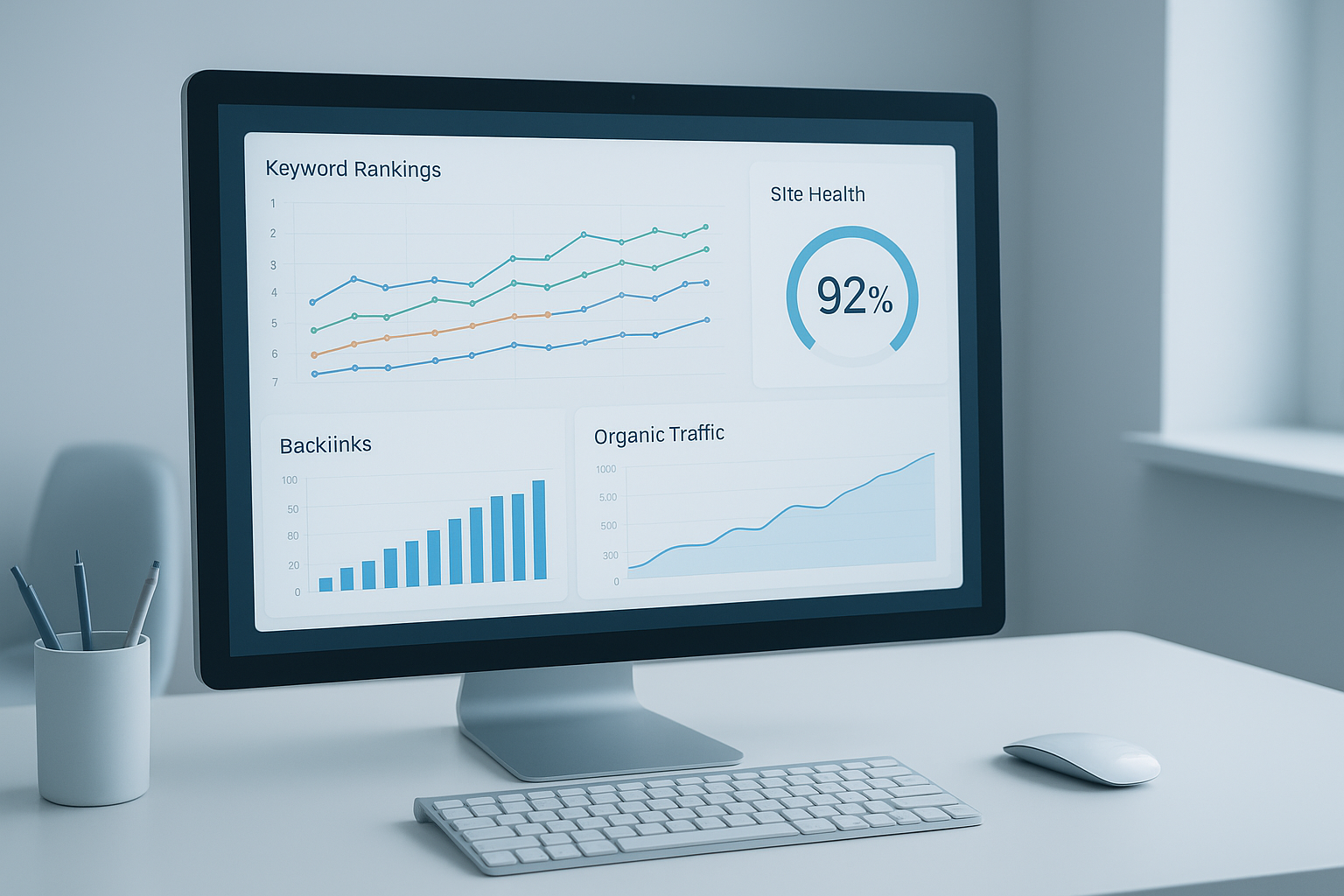
A well-configured search engine optimization tools dashboard gives you a real-time view of your site’s ranking health and opportunities.
The Core Categories Every SEO Toolkit Needs
Not all SEO tools serve the same purpose. In practice, a complete SEO toolkit spans several distinct categories, each addressing a different layer of your strategy.
Keyword Research Platforms
Keyword research tools help you discover what your audience is actually searching for. They surface search volume, keyword difficulty, and related terms so you can prioritize content creation effectively. Platforms like Ahrefs and SEMrush are the market leaders in this space.
However, keyword volume alone is not enough. You also need to understand search intent — whether the user wants to buy, learn, or navigate. Therefore, the best tools now include intent classification alongside their volume data.
Technical Site Audit Software
Technical audit tools crawl your website the way a search engine does, identifying issues that prevent proper indexing. These include broken links, missing title tags, slow page load times, duplicate content, and crawl errors. Screaming Frog is the gold standard for desktop-based crawling, while SEMrush and Ahrefs offer cloud-based audit modules.
Because technical issues can silently suppress rankings for months, running regular audits is non-negotiable for any serious SEO program.
Backlink Analysis and Link Building Tools
Backlinks remain one of Google’s most influential ranking signals. Backlink analysis tools show you who links to your site, the authority of those links, and where your competitors are earning links. This data is invaluable for building a targeted outreach strategy.
Ahrefs is widely considered the strongest backlink database in the industry. Meanwhile, Moz’s Link Explorer offers a solid free tier that works well for smaller sites and initial competitor research.
Free vs. Paid: How to Choose the Right Option
One of the most common questions from marketers is whether free tools are sufficient. The honest answer depends entirely on your goals and competitive landscape.
Free tools to start with:
- Google Search Console — Shows indexing status, top queries, Core Web Vitals, and manual actions directly from Google.
- Google Analytics 4 — Tracks organic traffic, user behavior, and conversion data from your site.
- Google PageSpeed Insights — Measures page load performance and Core Web Vitals scores.
- Moz Free Tools — Provides limited keyword and link data without a subscription.
For example, a brand-new blog can get considerable mileage from Google Search Console alone. However, once you’re competing in a crowded niche, the depth of data in paid platforms becomes essential. In that case, investing in a tool like Ahrefs or SEMrush typically pays for itself through better-targeted content decisions.
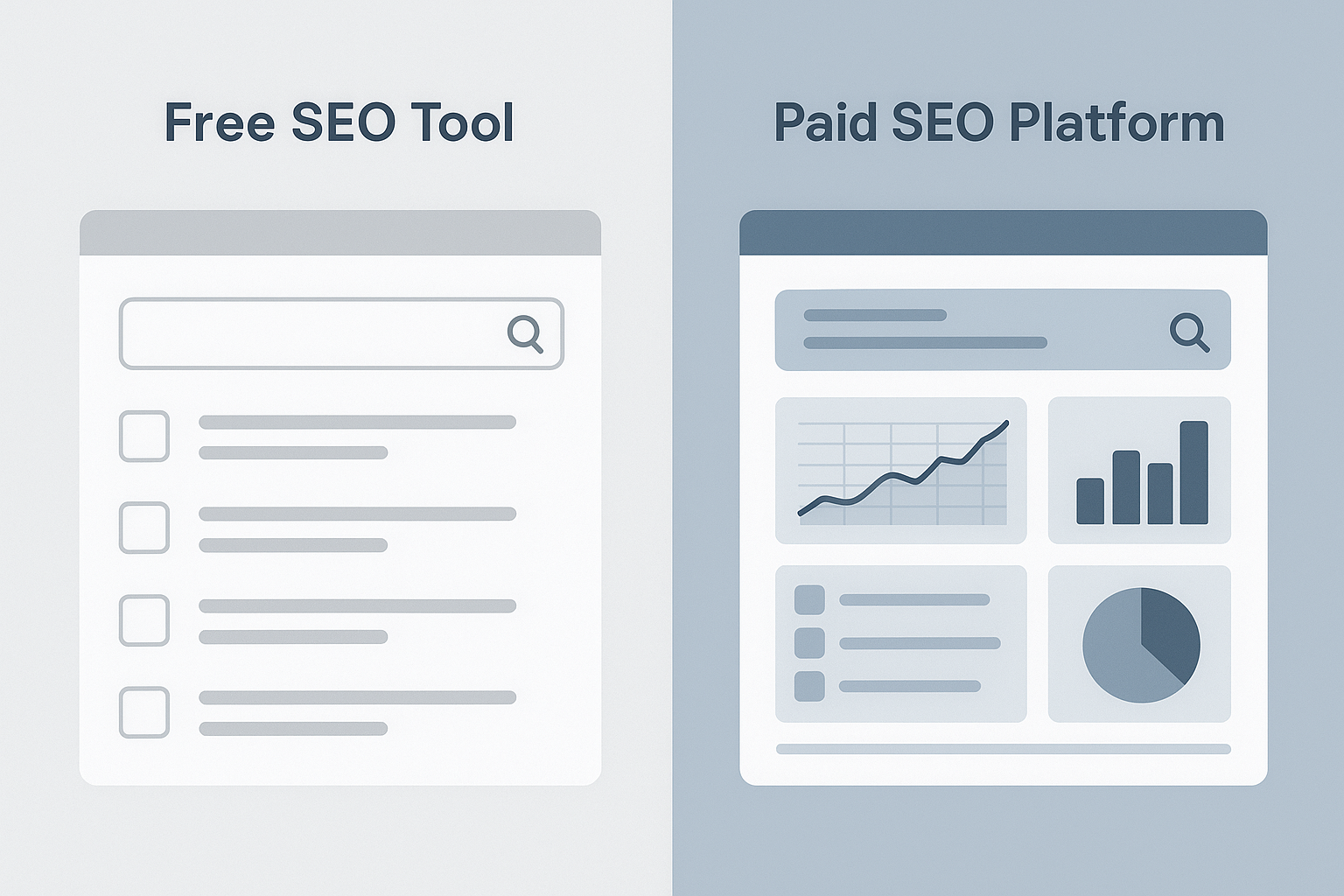
Free tools cover the basics, but paid platforms offer the competitive intelligence needed to scale organic growth.
Rank Tracking: Measuring What Actually Matters
Rank tracking tools monitor the position of your target keywords in search results over time. This is how you measure whether your SEO work is actually moving the needle. Without consistent rank monitoring, you’re flying blind on campaign performance.
Both Ahrefs and SEMrush include built-in rank trackers. Additionally, dedicated platforms like AccuRanker and SERPWatcher offer more granular daily tracking with location-specific data, which is especially valuable for local SEO campaigns.
Furthermore, tracking rankings at the page level — rather than just the domain level — helps you identify which specific pieces of content need refreshing or additional link support.
How to Build a Practical SEO Tool Stack in 2025
Rather than subscribing to every tool on the market, the smartest approach is building a focused stack that covers each core function without redundancy. Here is a practical framework to follow:
- Start with Google Search Console — Connect your site immediately and monitor indexing, coverage errors, and top-performing queries from day one.
- Add a keyword research tool — Choose Ahrefs or SEMrush based on your budget and whether you prioritize backlink data or broader marketing suite features.
- Run monthly technical audits — Use Screaming Frog for deep crawls or the built-in audit module of your chosen platform to catch technical issues early.
- Track your target keywords weekly — Set up rank tracking for your 20 to 50 most important keywords so you can spot trends and react quickly to drops.
- Analyze competitor backlinks monthly — Identify where your competitors are earning links and build a targeted outreach list to close the gap.
For a deeper look at how these tools fit into a broader organic growth strategy, RankAuthority offers expert guidance on building and executing SEO programs that scale.
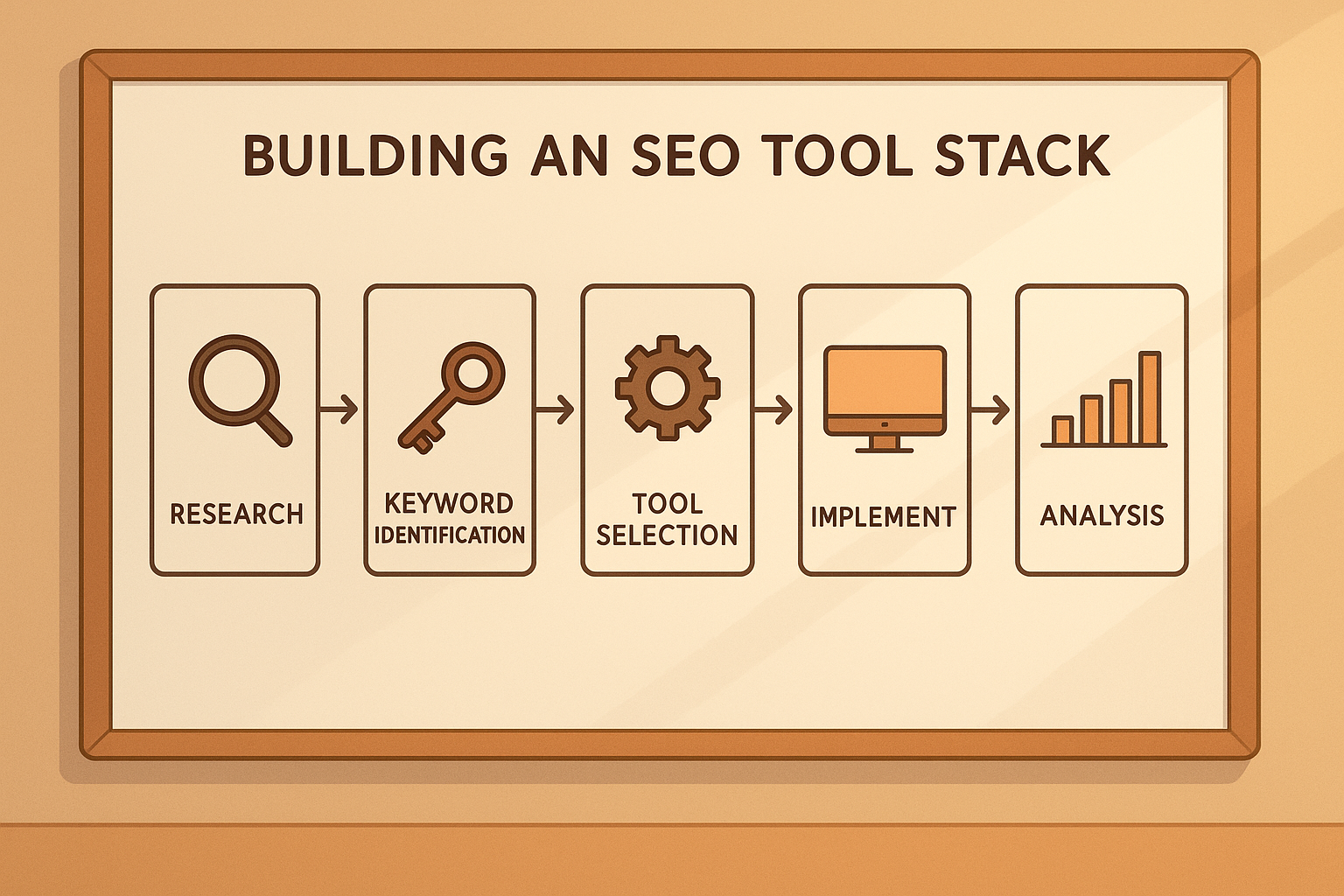
A structured five-step approach to building your SEO tool stack prevents wasted spend and ensures every function is covered.
Common Mistakes When Using SEO Platforms
Even with the best tools available, many marketers make avoidable errors that limit their results. First, a very common mistake is chasing high-volume keywords without considering difficulty or intent. A keyword with 50,000 monthly searches is useless if every result is dominated by major brands with thousands of backlinks.
Second, many users ignore technical audit warnings because they seem minor. In reality, a single crawl block or broken canonical tag can suppress an entire section of your site. Therefore, treat audit alerts as high-priority action items, not suggestions.
Finally, relying on a single tool creates blind spots. Because each platform has its own data sources and methodologies, cross-referencing two tools — for example, Ahrefs and Google Search Console — gives you a far more accurate picture of reality.
Resources like RankAuthority can help you interpret conflicting data and develop a coherent strategy from multiple tool inputs.
The Right Tools Accelerate Every Part of Your Strategy
In conclusion, choosing and correctly using search engine optimization tools is one of the highest-leverage decisions you can make for your website’s organic growth. The best stack combines a free foundation from Google Search Console with a paid platform for keyword research, backlink analysis, and rank tracking.
Additionally, pairing technical audit tools with a disciplined monthly workflow ensures your site stays healthy and competitive as search algorithms evolve. The tools themselves do not guarantee rankings — but without them, you will always be reacting rather than leading.
Frequently Asked Questions
What are search engine optimization tools?
Search engine optimization tools are software platforms that help website owners improve their visibility in organic search results. They cover keyword research, technical audits, backlink analysis, rank tracking, and on-page optimization. Together, they give you the data needed to make informed decisions rather than guessing.
Which SEO tool is best for beginners?
Google Search Console is the best free starting point because it provides direct data from Google itself. Moz is also beginner-friendly with an intuitive interface and strong educational content to help new users understand what the data means.
How much do professional SEO tools cost?
Professional SEO tools typically range from $99 to $500 per month. Ahrefs starts around $129/month and SEMrush near $139/month. Free options like Google Search Console and limited Moz tiers are available for those just starting out.
Can I do SEO without paid tools?
Yes, free tools like Google Search Console, Google Analytics, and PageSpeed Insights cover the basics effectively. However, paid tools provide deeper competitor intelligence and keyword data that become essential as your goals scale.
What is the difference between Ahrefs and SEMrush?
Ahrefs leads in backlink analysis and competitor link research, while SEMrush offers a broader all-in-one suite including advertising data and content marketing tools. Both are excellent for keyword research, so the choice often comes down to which secondary features matter most to your team.
What does a site audit tool check?
A site audit tool crawls your website to find technical issues such as broken links, missing meta tags, slow page speeds, duplicate content, and crawl errors. Addressing these issues helps search engines index your pages more efficiently and can directly improve rankings.
How often should I run an SEO audit?
Run a full site audit at least once per month. Additionally, run one immediately after major site changes, significant traffic drops, or major Google algorithm updates to diagnose problems before they compound.
What is rank tracking in SEO tools?
Rank tracking monitors where your target keywords appear in search results over time. It helps you measure the impact of your optimization work and detect fluctuations caused by algorithm changes or competitor activity.
Why is keyword research important?
Keyword research reveals the exact terms your audience uses when searching, allowing you to align your content with real demand. Without it, you risk creating pages that are never discovered regardless of their quality or depth.
What is Screaming Frog used for?
Screaming Frog is a desktop website crawler used for in-depth technical SEO audits. It quickly identifies broken links, redirect chains, missing title tags, and duplicate content across large websites at a fraction of the time a manual review would take.
How do backlink analysis tools help SEO?
Backlink tools show you which sites link to yours and to your competitors, revealing link-building opportunities and potentially harmful toxic links. Because backlinks remain a major Google ranking factor, this data is central to any competitive SEO strategy.
What is the role of Google Search Console in SEO?
Google Search Console is a free Google-provided tool that shows how your site performs in Google Search. It reports on indexing status, top queries, click-through rates, Core Web Vitals, and any manual actions applied to your site.
What common mistakes should I avoid when using SEO tools?
The most common mistakes are chasing high-volume keywords without considering difficulty or intent, ignoring technical audit warnings, and relying on a single tool’s data exclusively. Always cross-reference multiple sources and combine tool insights with strategic judgment for the best results.

