

A digital optimization platform is an integrated software solution that unifies analytics, testing, and performance tools to help businesses maximize their online results. In short, it turns raw data into clear, actionable improvements across your website, content, and marketing channels.
For many businesses, managing digital performance feels fragmented. SEO lives in one tool, conversion data in another, and page speed reports somewhere else entirely. A digital optimization platform solves that problem by bringing everything under one roof.
What Is a Digital Optimization Platform?
A digital optimization platform is, at its core, a centralized hub for improving every measurable aspect of your online presence. It combines tools for search engine optimization (SEO), conversion rate optimization (CRO), A/B testing, behavioral analytics, and performance monitoring into a single, connected system.
According to Wikipedia’s overview of conversion rate optimization, businesses that systematically test and refine their digital experiences consistently outperform those that rely on guesswork. That principle is the foundation of every effective optimization platform.
Furthermore, research from industry analysts shows that companies using dedicated optimization tools see conversion rates improve by an average of 20 to 30 percent within the first six months of consistent use. That kind of measurable lift makes the investment straightforward to justify.
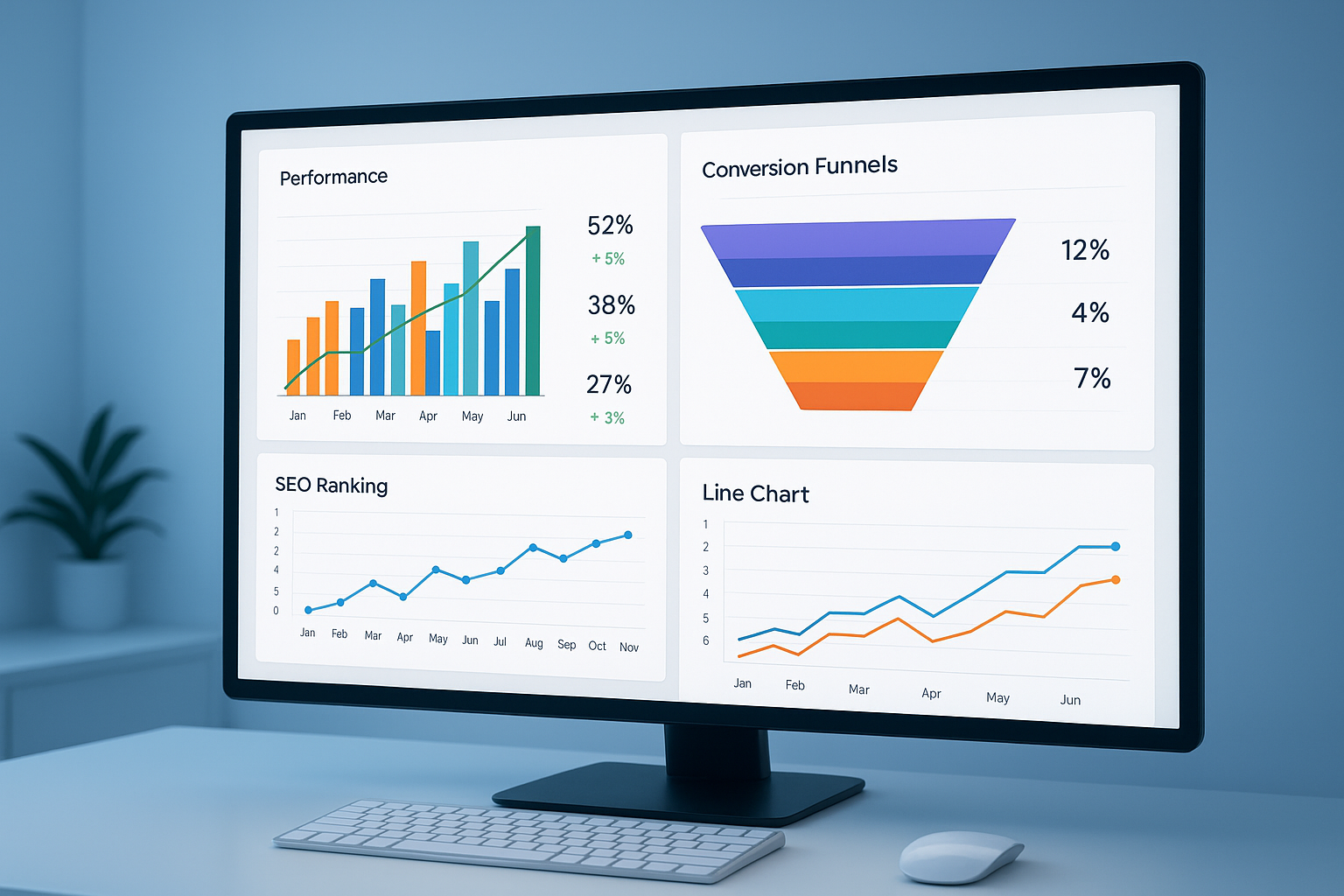
A digital optimization platform brings all your key performance metrics into one clear, actionable view.
Why Online Performance Optimization Matters Now
The digital landscape is more competitive than ever. As a result, businesses that fail to optimize their online presence consistently lose ground to rivals who do. Page speed, search rankings, and user experience are no longer nice-to-haves — they are critical growth levers.
Google’s Core Web Vitals update, for example, made page performance a direct ranking factor. Consequently, slow-loading pages now cost businesses both traffic and revenue simultaneously. A platform built for optimization gives you the visibility and tools to address these issues before they compound.
In addition, consumer expectations have shifted. Users now expect websites to load in under three seconds, according to Google’s performance research. Missing that threshold can increase bounce rates by more than 30 percent. Therefore, speed optimization alone can have a dramatic impact on your bottom line.
Core Features of a High-Performing Optimization Platform
Not all platforms are equal. However, the best solutions share a consistent set of capabilities that drive real results. Specifically, look for these core features when evaluating your options:
- Real-time analytics: Instant visibility into traffic, engagement, and conversion data without waiting for daily reports.
- A/B and multivariate testing: Structured experiments that show which version of a page, headline, or CTA performs better.
- SEO auditing tools: Automated scans that identify technical issues, keyword gaps, and on-page weaknesses.
- Heatmaps and session recordings: Visual tools that reveal exactly how users interact with your pages.
- Conversion tracking: End-to-end measurement of the actions that matter most to your business goals.
- Integrations: Seamless connections with your CMS, CRM, and advertising platforms like Google Analytics.
Together, these features give your team the full picture needed to make confident, data-driven decisions rather than educated guesses.
How to Choose and Implement a Digital Optimization Platform
Choosing the right platform is a structured process. Follow these steps to avoid costly mistakes and get results faster:
- Define your optimization goals. Identify what you want to improve — organic search rankings, conversion rates, page speed, or user engagement — before evaluating any platform. Clear goals prevent you from paying for features you will never use.
- Audit your current digital performance. Use free tools like Google Search Console or PageSpeed Insights to benchmark your starting point. Without a baseline, you cannot measure progress accurately.
- Compare platform features against your goals. Shortlist platforms that offer the specific capabilities you need and request demos or free trials to evaluate usability firsthand.
- Integrate the platform with your existing tools. Connect it to your CMS, CRM, and analytics stack so data flows seamlessly and your team can act on insights without switching between systems constantly.
- Run your first tests and monitor results. Launch your first A/B test or SEO audit, set a regular review schedule, and use the platform’s reporting tools to track progress against your original baseline metrics.

Running structured A/B tests is one of the most powerful capabilities a performance optimization platform provides.
Comparing Website Optimization Tools: What Sets the Best Apart
The market for website optimization tools is crowded. However, the platforms that consistently deliver results share a few distinguishing traits. First, they prioritize actionable insights over raw data dumps. Second, they offer intuitive interfaces that non-technical marketers can use confidently.
Additionally, the best platforms scale gracefully. A solution that works for a 10-person startup should also serve a 500-person enterprise without requiring a complete tool change. Scalability protects your investment over time.
For businesses focused on search visibility, resources like RankAuthority offer expert guidance on selecting and maximizing optimization tools that align with your SEO and growth strategy. Similarly, pairing a strong platform with expert strategy accelerates results significantly.
Key Questions to Ask Before You Buy
Before committing to any growth optimization software, ask these critical questions:
- Does it integrate with the tools we already use?
- How steep is the learning curve for our team?
- What does the onboarding and support process look like?
- Is pricing transparent and predictable as we scale?
- Can we see real case studies from businesses similar to ours?
Common Mistakes to Avoid With Growth Optimization Software
Even the best platform delivers poor results when used incorrectly. Therefore, understanding common pitfalls saves time and money. One of the most frequent mistakes is running too many tests simultaneously. Overlapping experiments corrupt your data and make it impossible to attribute results accurately.
Another common error is neglecting mobile performance. More than 60 percent of global web traffic now comes from mobile devices, according to Statista. Consequently, optimizing only for desktop users means ignoring the majority of your audience.
Finally, many teams collect data but never act on it. An optimization platform is only as valuable as the decisions it informs. Build a regular cadence of review meetings to ensure insights translate into tangible changes on your site.
Frequently Asked Questions About Digital Optimization Platforms
What is a digital optimization platform?
A digital optimization platform is an integrated software solution that helps businesses improve their online performance through data analysis, testing, SEO, and conversion tools. It consolidates multiple optimization functions into one unified system for greater efficiency.
How does a digital optimization platform improve website performance?
It improves performance by identifying weak points through analytics, running A/B tests, optimizing page speed, and refining SEO strategies. These combined actions lead to higher traffic, better engagement, and increased conversions over time.
What features should I look for in a digital optimization platform?
Look for real-time analytics, A/B testing, SEO auditing, heatmaps, conversion tracking, and integration with existing tools. Scalability and ease of use are equally important for long-term success.
How much does a digital optimization platform typically cost?
Costs range from free tiers for basic tools to several thousand dollars per month for enterprise-grade platforms. Most mid-range solutions fall between $100 and $1,000 per month depending on features and user seats.
Is a digital optimization platform suitable for small businesses?
Yes, many platforms offer scalable pricing and simplified interfaces designed for small businesses. Starting with a focused tool and upgrading as you grow is a practical and cost-effective approach.
How long does it take to see results from an optimization platform?
Results can appear within a few weeks for quick wins like page speed improvements. SEO and conversion gains typically take 2 to 6 months of consistent effort depending on your starting baseline.
What is the difference between an optimization platform and a standard analytics tool?
A standard analytics tool like Google Analytics primarily reports data, while a digital optimization platform also provides actionable recommendations and testing capabilities. Optimization platforms are built to drive change, not just measure it.
Can a digital optimization platform help with SEO?
Yes, most modern platforms include built-in SEO auditing, keyword tracking, and technical health monitoring. These features help you identify and fix issues that directly affect your search engine rankings.
What is conversion rate optimization and how does it relate to these platforms?
Conversion rate optimization (CRO) is the process of increasing the percentage of visitors who complete a desired action on your site. Digital optimization platforms provide the A/B testing, heatmaps, and behavioral analytics needed to execute effective CRO strategies.
What are the most common mistakes when using an optimization platform?
Common mistakes include running too many tests at once, ignoring mobile performance, and failing to act on data insights. Setting clear goals before testing and reviewing results on a regular schedule helps avoid these pitfalls.
Do I need technical skills to use a digital optimization platform?
Most modern platforms are designed for non-technical users with drag-and-drop interfaces and guided workflows. However, some advanced features like custom scripts or API integrations may require developer support.
How do I choose the best digital optimization platform for my business?
Start by defining your primary goals — SEO, CRO, or overall performance. Then compare platforms on features, pricing, integrations, and customer support before committing to any plan. Free trials are invaluable for this process.
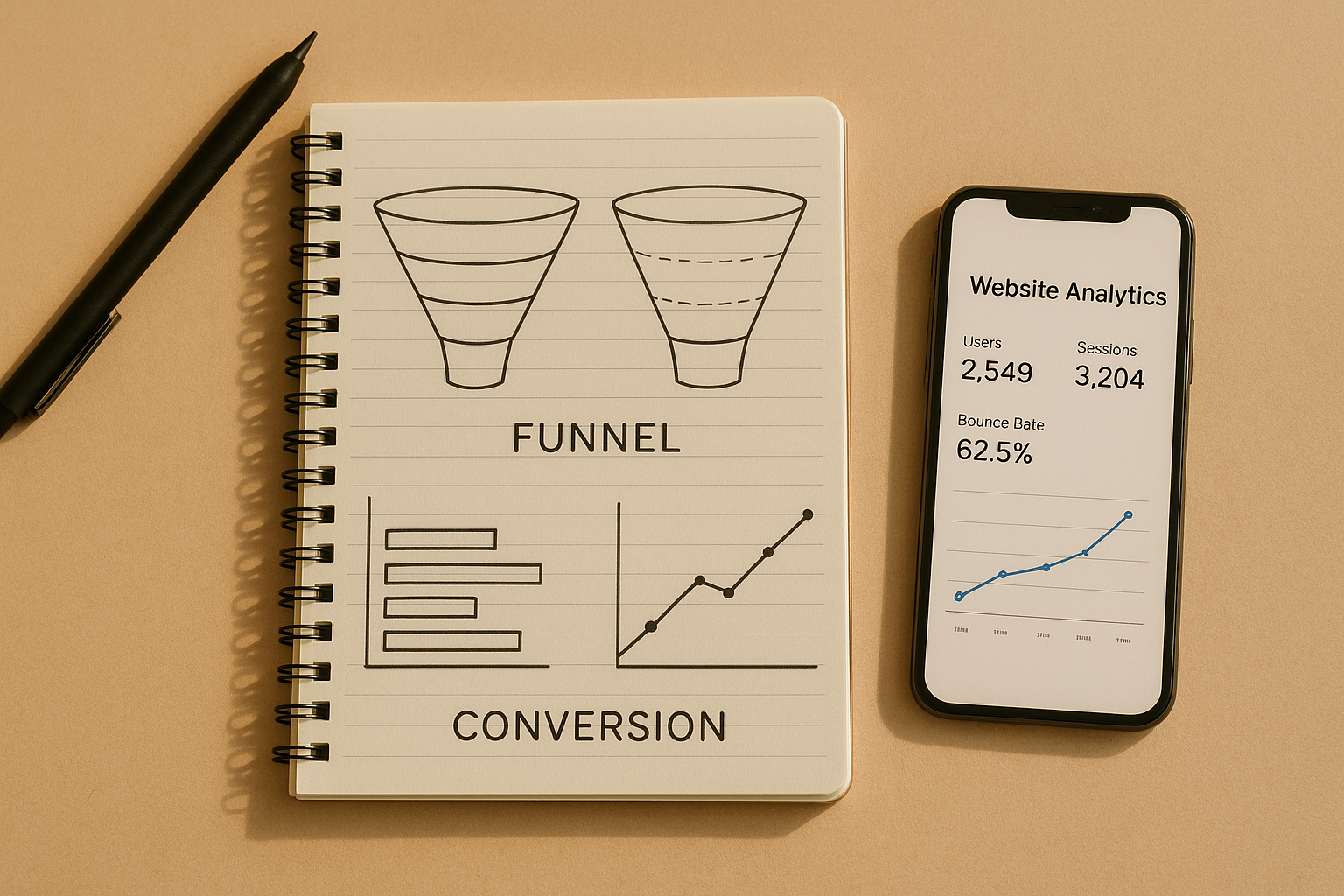
Strategic planning and clear goal-setting are essential before deploying any optimization platform.
Conclusion: Making the Most of Your Digital Optimization Platform
Ultimately, a digital optimization platform is one of the highest-leverage investments a business can make in its online growth. It replaces fragmented, disconnected tools with a unified system that turns data into decisions and decisions into measurable results. Whether your priority is climbing search rankings, increasing conversions, or improving user experience, the right platform gives you the clarity and capability to achieve those goals faster.
Furthermore, the businesses that commit to continuous optimization — testing, learning, and refining on an ongoing basis — consistently outperform those that treat it as a one-time project. As a result, the platform you choose is not just a tool; it is the engine behind your long-term competitive advantage.
For expert guidance on selecting the right strategy and tools to complement your platform, explore the resources available at RankAuthority. Additionally, you can learn more about advanced SEO strategies that pair effectively with any optimization platform to accelerate your results.

