
A digital optimization platform is an integrated software system that unifies analytics, testing, SEO, and conversion tools so you can turn raw data into measurable growth across your website and marketing channels. Rather than juggling five or six disconnected tools, a modern digital optimization platform gives your team one dashboard, one source of truth, and one clear path to better results — faster.
For most businesses, managing digital performance still feels fragmented. SEO data lives in one tool, conversion metrics sit in another, and page-speed reports live somewhere else entirely. As a result, teams waste hours reconciling numbers instead of acting on them. A digital optimization platform solves this by bringing every performance signal — search visibility, user behavior, speed, and conversions — under one connected roof.
In this guide, you’ll learn exactly what a digital optimization platform does, which features actually matter, how to choose and implement one without wasting budget, and how leading teams use these platforms to compound their growth year over year.
What Is a Digital Optimization Platform?
At its core, a digital optimization platform is a centralized hub for improving every measurable aspect of your online presence. Specifically, it combines tools for search engine optimization (SEO) — improving how well pages rank in search engines — conversion rate optimization (CRO) — increasing the percentage of visitors who take a desired action — plus A/B testing, behavioral analytics, and performance monitoring, all inside a single, connected system.
According to Wikipedia’s overview of conversion rate optimization, businesses that systematically test and refine their digital experiences consistently outperform those that rely on guesswork. That principle is the foundation of every effective optimization platform.
Furthermore, industry analysts report that companies using dedicated optimization tools see conversion rates improve by an average of 20 to 30 percent within the first six months of consistent use. That kind of measurable lift makes the investment easy to justify, especially compared with the cost of running multiple standalone tools that never talk to each other.
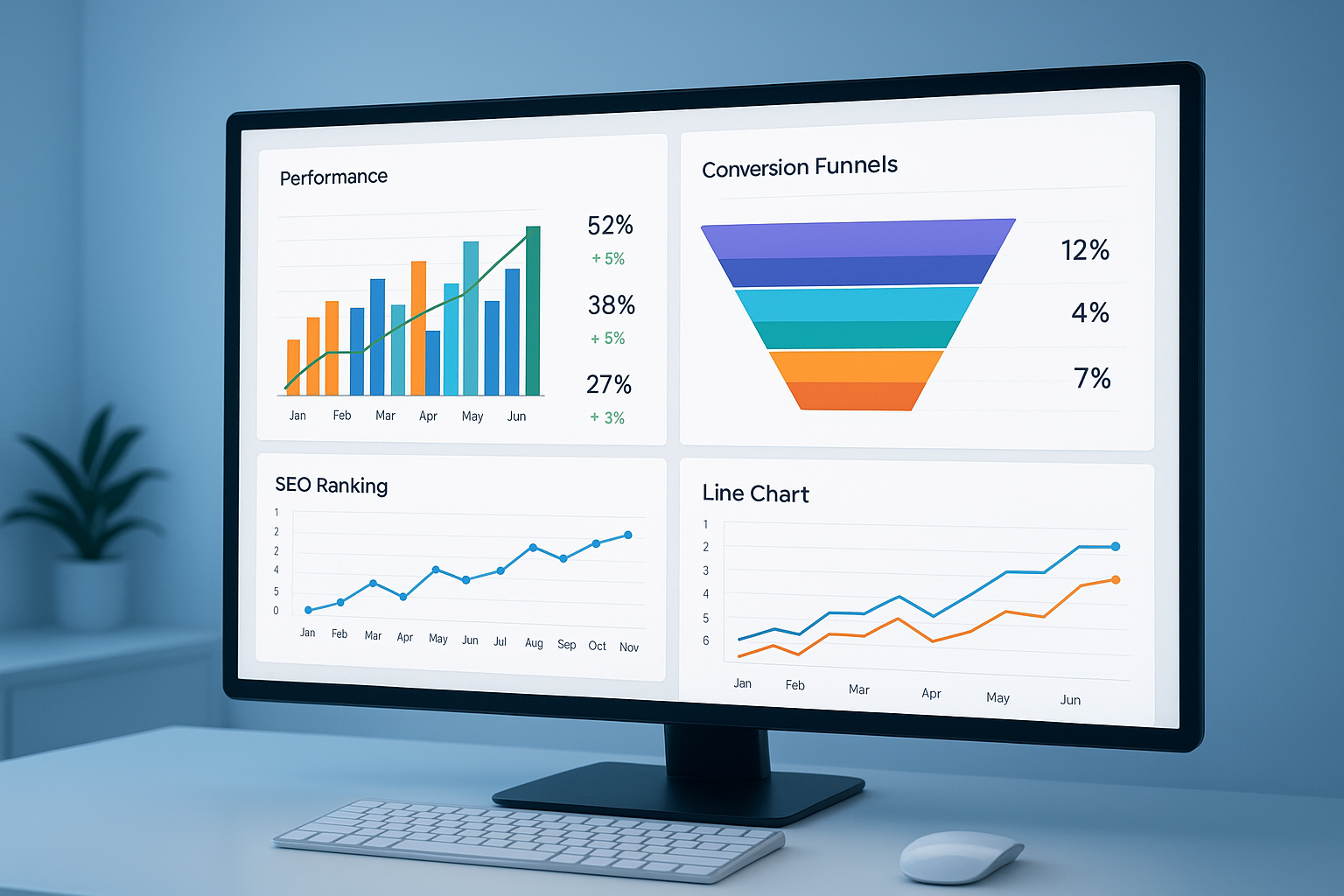
A digital optimization platform brings all your key performance metrics into one clear, actionable view.
Digital Optimization Platform vs. Traditional Analytics Tools
A common point of confusion is how a digital optimization platform differs from a standard analytics tool like Google Analytics. In short, analytics tools primarily report what happened. They tell you traffic went up, bounce rate went down, or a page underperformed — but they rarely tell you what to do next.
A digital optimization platform, in contrast, closes that gap. It doesn’t just measure performance; it actively helps you improve it through built-in testing, recommendations, and automated audits. Consequently, teams spend less time interpreting spreadsheets and more time shipping changes that move the needle.
- Analytics tools: Report historical data — sessions, pageviews, bounce rate, and traffic sources.
- Digital optimization platforms: Interpret that data, surface opportunities, run experiments, and track the impact of changes over time.
- Best practice: Use both together — analytics for measurement, an optimization platform for action.
Why Online Performance Optimization Matters Now
The digital landscape is more competitive than ever. As a result, businesses that fail to pursue consistent online performance optimization lose ground to rivals who do. Page speed, search rankings, and user experience are no longer nice-to-haves — they are critical growth levers that compound month after month.
Google’s Core Web Vitals update, for example, made page performance a direct ranking factor. Consequently, slow-loading pages now cost businesses both traffic and revenue simultaneously. A platform built for optimization gives you the visibility and tools to catch these issues before they compound into lost rankings.
In addition, consumer expectations have shifted dramatically. Users now expect websites to load in under three seconds, according to Google’s performance research. Missing that threshold can increase bounce rates by more than 30 percent. Therefore, speed optimization alone can have a dramatic impact on your bottom line — and it’s exactly the kind of issue a digital optimization platform is designed to catch early.
Core Features of a High-Performing Digital Optimization Platform
Not all platforms are equal. However, the best solutions share a consistent set of capabilities that drive real results. Below, we break those capabilities into the five categories that matter most.
Analytics and Reporting
Real-time dashboards give instant visibility into traffic, engagement, and conversion data without waiting for daily reports. This matters because delayed data means delayed decisions — and in competitive markets, delays are expensive.
Testing and Experimentation
Structured A/B and multivariate tests show which version of a page, headline, or call-to-action actually performs better, rather than relying on opinion. This is arguably the single most valuable feature category in any digital optimization platform.
SEO and Technical Health Monitoring
Automated scans identify technical issues, keyword gaps, and on-page weaknesses before they hurt your rankings. Similarly, ongoing crawl monitoring catches broken links, duplicate content, and indexing problems that would otherwise go unnoticed for months.
User Behavior and Experience
Heatmaps and session recordings reveal exactly how visitors interact with your pages — where they click, where they hesitate, and where they abandon. In turn, this visual evidence makes it far easier to convince stakeholders that a redesign is worth the investment.
Integrations and Automation
Seamless connections with your CMS, CRM, and advertising platforms — including Google Analytics, Google Search Console, and PageSpeed Insights — ensure data flows automatically instead of requiring manual exports. Together, these five feature categories give your team the full picture needed to make confident, data-driven decisions rather than educated guesses.
Types of Digital Optimization Platforms
Not every digital optimization platform is built the same way. Understanding the three main categories will help you avoid buying more — or less — than you actually need.
SEO-Focused Optimization Platforms
These platforms specialize in keyword tracking, technical audits, and content optimization. They’re ideal for teams whose primary goal is organic search growth. If you’re running several campaigns at once, our guide on choosing the best platform for managing multiple SEO campaigns breaks down which tools scale best.
Conversion Rate Optimization (CRO) Platforms
CRO-first platforms center on A/B testing, heatmaps, and behavioral analysis. They’re a strong fit for e-commerce and lead-generation sites where small conversion gains translate directly into revenue.
All-in-One Enterprise Suites
These bundle SEO, CRO, analytics, and automation into a single enterprise-grade system. They cost more upfront but eliminate the integration headaches that come with stitching together several point solutions.
How to Choose and Implement a Digital Optimization Platform
Choosing the right platform should be a structured process, not a gut decision. Follow these five steps to avoid costly mistakes and get results faster.
- Define your optimization goals. Identify exactly what you want to improve — organic search rankings, conversion rates, page speed, or user engagement — before evaluating any platform. Clear goals prevent you from paying for features you will never use.
- Audit your current digital performance. Use free tools like Google Search Console or PageSpeed Insights to benchmark your starting point. Without a baseline, you cannot measure progress accurately later on.
- Compare platform features against your goals. Shortlist platforms offering the specific capabilities you need, and request demos or free trials so your team can evaluate usability firsthand. Our roundup of tools that streamline your SEO processes is a useful starting point.
- Integrate the platform with your existing tools. Connect it to your CMS, CRM, and analytics stack so data flows seamlessly, letting your team act on insights without switching between systems constantly.
- Run your first tests and monitor results. Launch your first A/B test or SEO audit, set a regular review schedule, and use the platform’s reporting tools to track progress against your original baseline metrics.

Running structured A/B tests is one of the most powerful capabilities a digital optimization platform provides.
What Sets the Best Website Optimization Tools Apart
The market for website optimization tools is crowded. However, the platforms that consistently deliver results share a few distinguishing traits. First, they prioritize actionable insights over raw data dumps. Second, they offer intuitive interfaces that non-technical marketers can use confidently.
Additionally, the best platforms scale gracefully. A solution that works for a 10-person startup should also serve a 500-person enterprise without requiring a complete tool change. Scalability protects your investment over time.
For businesses focused on search visibility, resources like RankAuthority offer expert guidance on selecting and maximizing optimization tools that align with your SEO and growth strategy. Similarly, pairing a strong platform with expert strategy accelerates results significantly. Add an author byline and "Last updated" date to this article to show expertise and freshness.
Key Questions to Ask Before You Buy
Before committing to any growth optimization software, ask these critical questions:
- Does it integrate with the tools we already use?
- How steep is the learning curve for our team?
- What does onboarding and support actually look like?
- Is pricing transparent and predictable as we scale?
- Can we see real case studies from businesses similar to ours?
Growth Optimization Software: Pricing and ROI
Cost is often the deciding factor, so it helps to understand the general pricing tiers before you start shopping.
- Free and entry tiers: Basic SEO or analytics features, suitable for small sites testing the waters.
- Mid-range plans ($100–$1,000/month): Full-featured platforms covering SEO, CRO, and reporting for growing businesses.
- Enterprise plans: Custom pricing, dedicated support, and advanced automation for large, multi-brand organizations.
In practice, most teams recover their investment within the first two to four months once testing and SEO gains begin compounding. Therefore, evaluate cost against projected lift, not just the sticker price.
Common Mistakes to Avoid With Growth Optimization Software
Even the best platform delivers poor results when used incorrectly. Therefore, understanding common pitfalls saves time and money. One of the most frequent mistakes is running too many tests simultaneously. Overlapping experiments corrupt your data and make it impossible to attribute results accurately.
Another common error is neglecting mobile performance. More than 60 percent of global web traffic now comes from mobile devices, according to Statista. Consequently, optimizing only for desktop users means ignoring the majority of your audience.
Finally, many teams collect data but never act on it. A digital optimization platform is only as valuable as the decisions it informs. Build a regular cadence of review meetings to ensure insights translate into tangible changes on your site.
Digital Optimization Platform Use Cases by Industry
Different industries lean on a digital optimization platform in different ways. Understanding these patterns helps you prioritize the features that matter most for your business.
E-Commerce
Online retailers lean heavily on CRO testing, cart-abandonment analysis, and product-page SEO. For a deeper dive, see our complete guide to SEO for e-commerce platforms, which pairs well with any optimization stack.
SaaS and Subscription Businesses
SaaS teams typically focus on trial-to-paid conversion funnels, in-app behavior tracking, and content-driven organic acquisition.
Agencies and Professional Services
Agencies managing several client accounts prioritize centralized dashboards and white-label reporting so results stay easy to communicate across every campaign.
The Future of Digital Optimization: AI and Automation
Looking ahead, artificial intelligence is reshaping how a digital optimization platform operates. Instead of waiting for a human to spot a trend, AI-driven platforms now flag anomalies, predict which page variant will win a test, and auto-generate content recommendations in real time.
Consequently, teams that adopt automated workflows early gain a compounding advantage: less manual analysis, faster test cycles, and quicker fixes to technical SEO issues. For a forward-looking breakdown of where this is headed, explore our automated SEO platform guide and playbook.
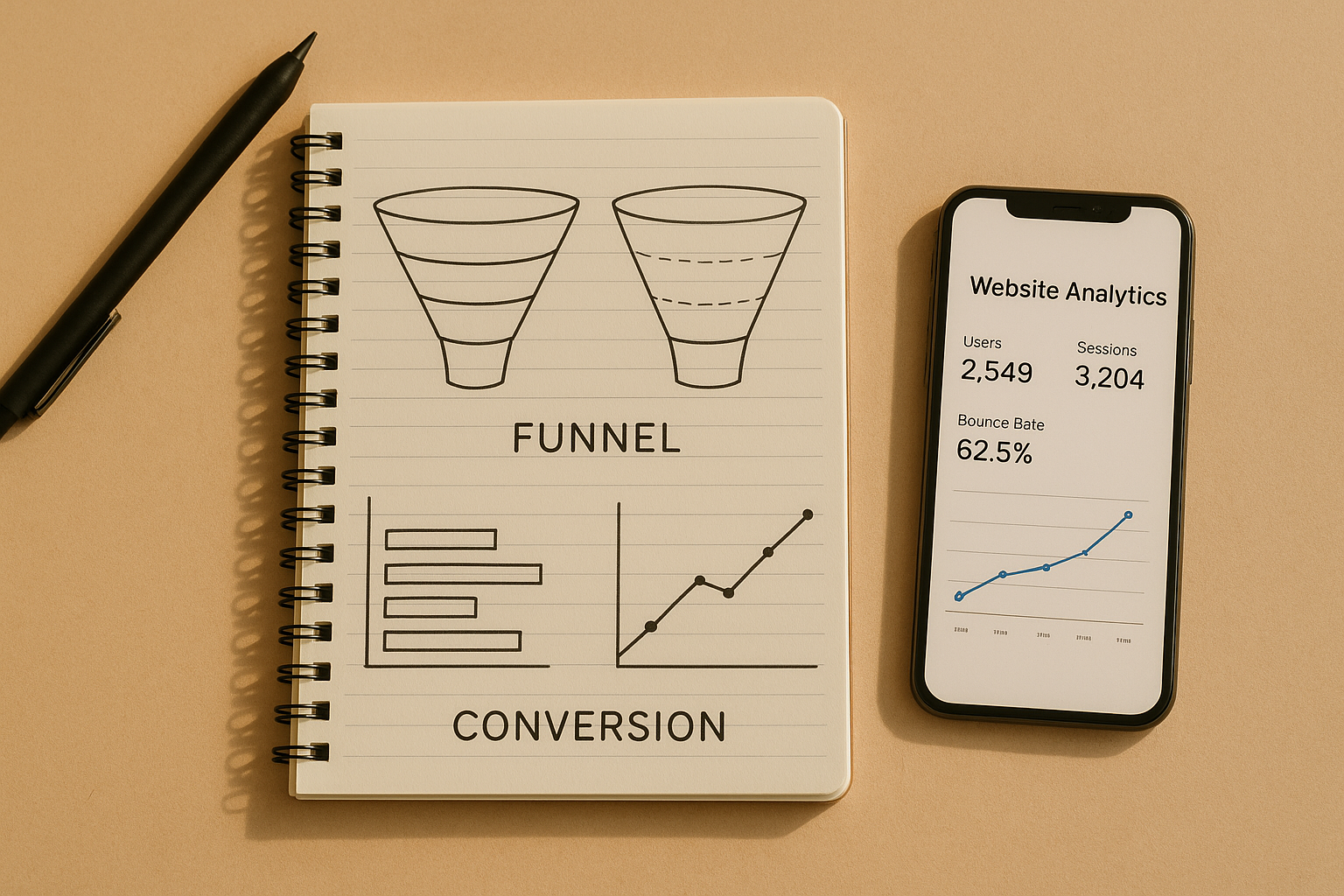
Strategic planning and clear goal-setting are essential before deploying any digital optimization platform.
Frequently Asked Questions About Digital Optimization Platforms
What is a digital optimization platform?
A digital optimization platform is an integrated software solution that helps businesses improve their online performance through data analysis, testing, SEO, and conversion tools. It consolidates multiple optimization functions into one unified system for greater efficiency.
How does a digital optimization platform improve website performance?
It improves performance by identifying weak points through analytics, running A/B tests, optimizing page speed, and refining SEO strategies. These combined actions lead to higher traffic, better engagement, and increased conversions over time.
What features should I look for in a digital optimization platform?
Look for real-time analytics, A/B testing, SEO auditing, heatmaps, conversion tracking, and integration with your existing tools. Scalability and ease of use are equally important for long-term success.
How much does a digital optimization platform typically cost?
Costs range from free tiers for basic tools to several thousand dollars per month for enterprise-grade platforms. Most mid-range solutions fall between $100 and $1,000 per month depending on features and user seats.
Is a digital optimization platform suitable for small businesses?
Yes, many platforms offer scalable pricing and simplified interfaces designed for small businesses. Starting with a focused tool and upgrading as you grow is a practical, cost-effective approach.
How long does it take to see results from a digital optimization platform?
Results can appear within a few weeks for quick wins like page speed improvements. SEO and conversion gains typically take two to six months of consistent effort, depending on your starting baseline.
What is the difference between a digital optimization platform and a standard analytics tool?
A standard analytics tool like Google Analytics primarily reports data, while a digital optimization platform also provides actionable recommendations and testing capabilities. Optimization platforms are built to drive change, not just measure it.
Can a digital optimization platform help with SEO?
Yes, most modern platforms include built-in SEO auditing, keyword tracking, and technical health monitoring. These features help you identify and fix issues that directly affect your search engine rankings.
What is conversion rate optimization and how does it relate to these platforms?
Conversion rate optimization (CRO) is the process of increasing the percentage of visitors who complete a desired action on your site. Digital optimization platforms provide the A/B testing, heatmaps, and behavioral analytics needed to execute effective CRO strategies.
What are the most common mistakes when using a digital optimization platform?
Common mistakes include running too many tests at once, ignoring mobile performance, and failing to act on data insights. Setting clear goals before testing and reviewing results on a regular schedule helps avoid these pitfalls.
Do I need technical skills to use a digital optimization platform?
Most modern platforms are designed for non-technical users with drag-and-drop interfaces and guided workflows. However, some advanced features, like custom scripts or API integrations, may require developer support.
How do I choose the best digital optimization platform for my business?
Start by defining your primary goals — SEO, CRO, or overall performance. Then compare platforms on features, pricing, integrations, and customer support before committing to any plan. Free trials are invaluable for this process.
Does a digital optimization platform work for mobile apps as well as websites?
Many platforms now support mobile app analytics and in-app testing alongside web optimization. However, always confirm SDK support before purchasing if mobile is a core channel for your business.
How is AI changing digital optimization platforms?
AI now powers predictive test outcomes, automated anomaly detection, and content recommendations inside leading platforms. As a result, teams can act on insights faster and with less manual analysis than ever before.
Conclusion: Making the Most of Your Digital Optimization Platform
Ultimately, a digital optimization platform is one of the highest-leverage investments a business can make in its online growth. It replaces fragmented, disconnected tools with a unified system that turns data into decisions and decisions into measurable results. Whether your priority is climbing search rankings, increasing conversions, or improving user experience, the right platform gives you the clarity and capability to achieve those goals faster. Last updated: 2026-07-02. Author: RankAuthority Editorial Team.
Furthermore, businesses that commit to continuous optimization — testing, learning, and refining on an ongoing basis — consistently outperform those that treat it as a one-time project. As a result, the digital optimization platform you choose is not just a tool; it is the engine behind your long-term competitive advantage.
For expert guidance on selecting the right strategy and tools to complement your platform, explore the resources available at RankAuthority. Additionally, you can learn more about advanced SEO strategies that pair effectively with any optimization platform to accelerate your results. Author: RankAuthority Editorial Team. Last updated: 2026-07-02.