
A search authority platform is a specialized software system that helps websites earn visibility, trust, and rankings across both traditional search engines and the new wave of AI-driven answer engines like ChatGPT, Perplexity, and Google’s AI Overviews. As search shifts from simple keyword matching toward generative, conversational answers, businesses need more than classic SEO tactics. Instead, they need automated tools that understand how large language models select and cite sources. This guide breaks down what a search authority platform actually does, how it works, and how to choose one that fits your goals.
Quick answer: A search authority platform automates GEO and AEO tasks, structured data, content formatting, and citation monitoring, so a business ranks well in both classic search results and AI-generated answers without needing an in-house SEO specialist.
What Is a Search Authority Platform?
In short, a search authority platform is a tool that automates the technical and content work needed to rank well in search engines and AI answer engines, combining Generative Engine Optimization (GEO) and Answer Engine Optimization (AEO) into one connected system. Rather than manually auditing structured data, citations, and content structure, the platform handles this continuously as algorithms evolve.
GEO refers to optimizing content so generative AI tools can understand and summarize it accurately, while AEO focuses on formatting content so voice assistants and featured snippets can pull it as a direct answer. Together, these approaches form the backbone of modern search engine optimization strategy in an AI-first world.

A search authority platform continuously tracks visibility across search engines and AI answer engines.
Why AI Answer Engines Are Changing Search Visibility
Search behavior has changed dramatically in recent years. Consequently, a growing share of queries now end inside a chatbot response or an AI-generated summary rather than a traditional list of blue links. A large language model, the technology behind tools like ChatGPT, decides which sources to reference based on clarity, structure, and factual grounding.
As a result, businesses that only optimize for classic keyword rankings risk becoming invisible inside these new answer environments. In contrast, a search visibility platform built specifically for GEO and AEO helps content stay discoverable no matter where a searcher happens to ask their question.
Key Features of an AI Search Optimization Platform
Most capable platforms share a similar core feature set, even though execution varies. Specifically, look for the following capabilities when evaluating options.
- Automated structured data and schema markup generation
- Content formatting guidance for direct-answer readability
- Monitoring of citations across AI answer engines
- Multi-site or agency-level management dashboards
- Continuous updates as algorithms and AI models evolve
RankAuthority’s platform built for AI search dominance bundles these features into a single automated workflow, which reduces the learning curve typically associated with technical SEO work.
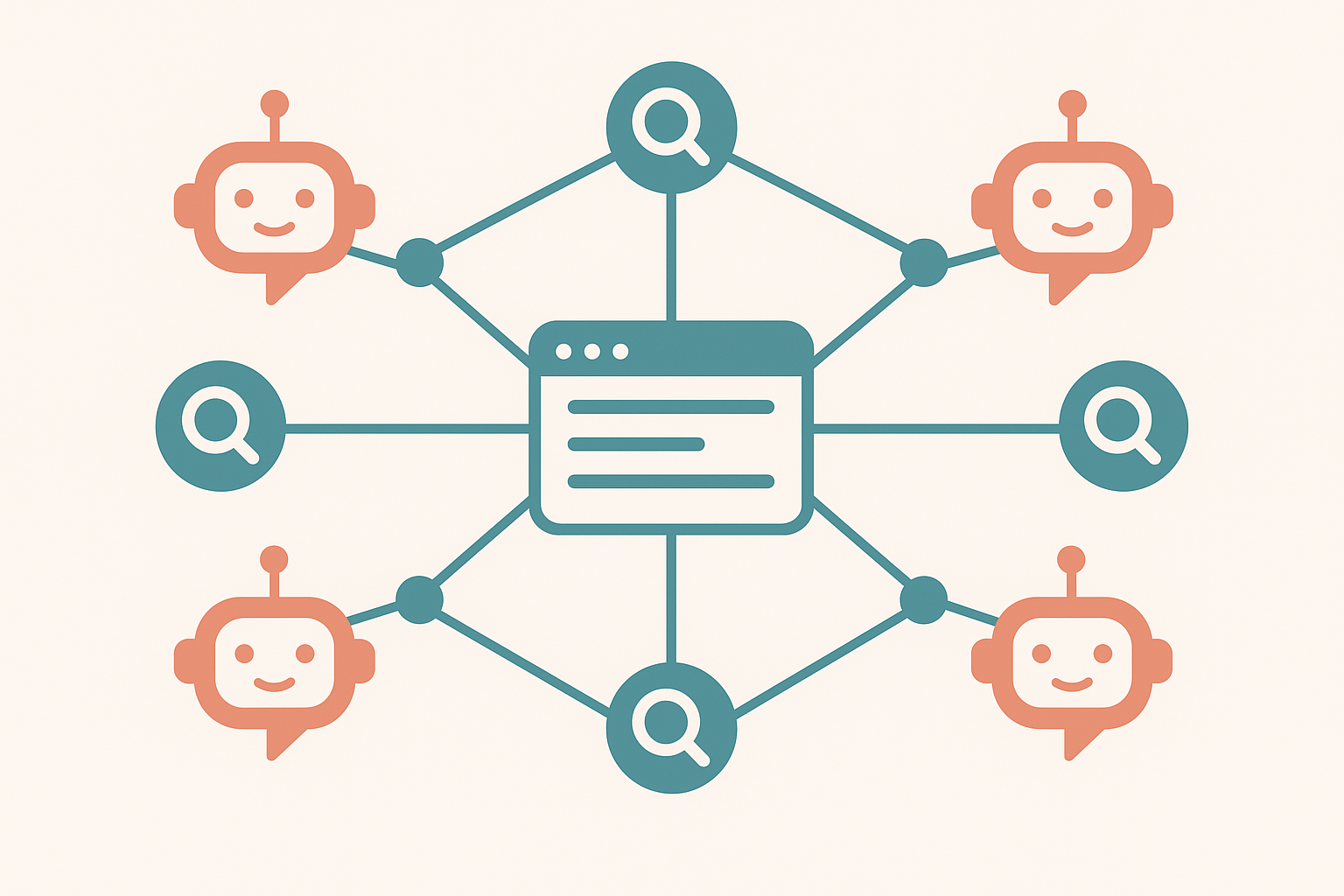
Modern optimization connects a single website to many AI-driven answer channels at once.
How a GEO and AEO Platform Works: Step-by-Step
Understanding the mechanics helps set realistic expectations. Below is a typical five-step process most search authority platforms follow, whether automated or manual.
- Audit current visibility. Start by auditing how your site currently performs across traditional search engines and AI answer engines, identifying gaps in structured data and content clarity.
- Structure content for machines. Reformat key pages with clear headings, direct answers, and schema markup so both search crawlers and language models can parse the information easily.
- Automate technical optimization. Activate automation features such as 1-Click AI AutoPilot to handle recurring technical tasks like schema updates, internal linking, and citation formatting without manual work.
- Monitor AI citations. Track whether AI answer engines like ChatGPT or Perplexity reference your content, using platform reporting to see which pages are being cited and how often.
- Refine based on data. Review performance data monthly and adjust content structure, topics, or automation settings to strengthen weak areas and build on early wins.
Notably, this cycle never truly ends. Because AI models retrain and search algorithms update frequently, ongoing monitoring matters as much as the initial setup, according to guidance from Google Search Central’s structured data documentation.
Choosing the Right Search Ranking Platform for Your Business
When comparing options, small business owners, marketers, and agencies should weigh automation depth against ease of use. For example, RankAuthority’s search authority optimization strategies for 2025 combine automated GEO and AEO work with a straightforward setup process, which suits users managing a single site or dozens of client properties.
In particular, look for providers offering a trial period before committing. RankAuthority, for instance, provides a risk-free seven-day trial so users can measure early results firsthand. You can explore the platform directly or learn more about the team behind it on the company’s about page.
Search Authority Platform vs. Traditional SEO Tools
Traditional SEO tools typically focus on keyword tracking, backlink audits, and technical crawl reports aimed at classic search engine rankings. A search authority platform, however, extends that work into AI answer engines, tracking whether content gets cited inside generative responses rather than just ranked on a results page.
Furthermore, many traditional tools still require manual interpretation of reports. In contrast, automated platforms apply fixes directly, which saves time for teams without dedicated SEO staff. Businesses weighing their options can also review how RankAuthority stacks up against competitors on the page addressing who dominates AI search rankings today.
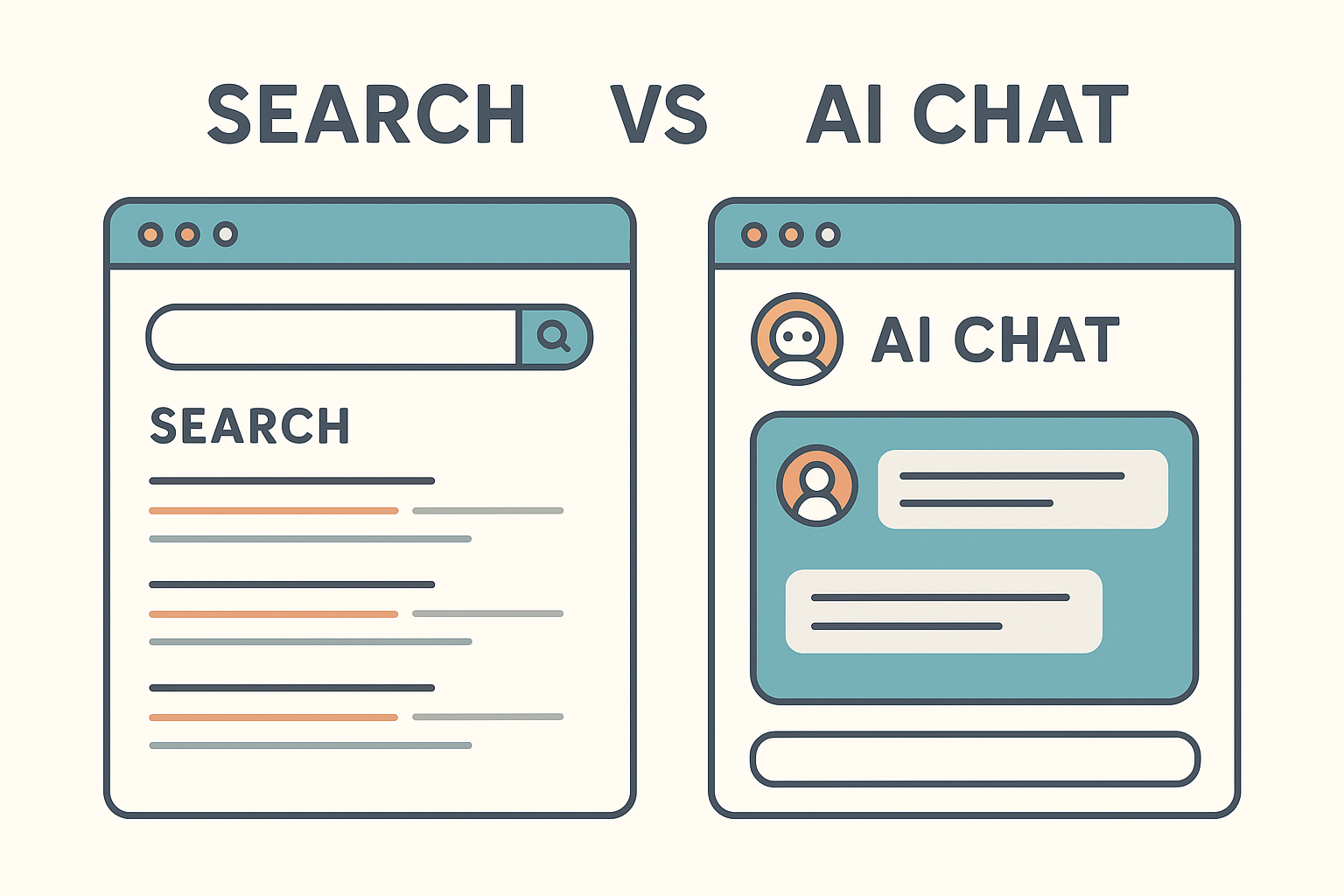
Traditional rankings and AI-generated answers now require different, complementary optimization approaches.
Common Mistakes to Avoid
Even with strong automation, a few recurring mistakes undermine results. First, treating optimization as a one-time project rather than an ongoing process leads to stagnant visibility. Second, ignoring structured data leaves AI models with less context to work from, which reduces citation chances.
Additionally, some businesses focus exclusively on traditional rankings while ignoring AI answer engines entirely. As a result, they miss a rapidly growing share of search traffic. Finally, skipping the trial period before committing to a paid plan can lead to mismatched expectations about automation depth.
Frequently Asked Questions About Search Authority Platforms
What is a search authority platform?
A search authority platform is software that automates the technical and content work needed to rank in both traditional search engines and AI answer engines. It combines Generative Engine Optimization (GEO) and Answer Engine Optimization (AEO) into one continuous system.
How does a search authority platform differ from traditional SEO software?
Traditional SEO software mostly focuses on keyword rankings in Google’s blue links. A search authority platform also optimizes for AI Overviews, chatbots, and voice assistants that pull answers directly from structured, citation-friendly content.
Why do businesses need a search authority platform in 2025?
Because a growing share of searches never produce a traditional results page, businesses need visibility inside AI-generated answers too. A search authority platform helps brands stay discoverable as this shift accelerates.
What is Generative Engine Optimization (GEO)?
Generative Engine Optimization, or GEO, is the practice of structuring content so generative AI tools like ChatGPT can understand, summarize, and cite it accurately. It focuses on clarity, factual grounding, and machine-readable formatting.
What is Answer Engine Optimization (AEO)?
Answer Engine Optimization, or AEO, prepares content to be selected as a direct answer by voice assistants and featured snippets. It relies on concise definitions, structured data, and question-based headings.
How much does a search authority platform typically cost?
Pricing varies widely, from free basic tools to enterprise suites costing hundreds of dollars monthly. Many platforms, including RankAuthority, offer a risk-free trial so businesses can test results before committing.
How long does it take to see results from a search authority platform?
Most businesses notice early visibility improvements within four to eight weeks. However, full authority-building across both traditional and AI search typically takes three to six months of consistent optimization.
Can small businesses benefit from a search authority platform?
Yes, small businesses often benefit the most since automation removes the need for a dedicated SEO team. A search authority platform lets a single owner manage optimization tasks that once required specialized expertise.
What is the biggest mistake businesses make when adopting AI search optimization tools?
The most common mistake is treating AI search optimization as a one-time setup rather than an ongoing process. Algorithms and AI models update constantly, so continuous monitoring is essential.
Do search authority platforms replace human content writers?
No, they do not replace writers; they amplify their work. A search authority platform structures and technically optimizes human-written content so it performs better across search and AI channels.
How does RankAuthority’s 1-Click AI AutoPilot work?
1-Click AI AutoPilot automates the technical and strategic optimization work that GEO and AEO require, applying structured data, content formatting, and monitoring without manual configuration. Users can activate it and let automation handle ongoing adjustments.
What is the best way to compare search authority platforms?
Compare platforms based on automation depth, AI answer engine coverage, ease of use, and trial availability. Reading independent comparisons and testing a free trial period offers the clearest picture.
Do AI answer engines like ChatGPT actually cite websites?
Yes, many generative AI tools cite or reference source websites when generating answers, particularly when content is well-structured and factually clear. This is exactly what GEO and AEO techniques are designed to encourage.
Is a free trial available before committing to a search authority platform?
Many providers, including RankAuthority, offer a seven-day risk-free trial. This lets businesses test automation features and measure early visibility changes before paying for a subscription.
Final Thoughts
Ultimately, a search authority platform gives businesses a practical way to compete in an AI-driven search landscape without needing years of SEO expertise. By automating GEO and AEO tasks, from structured data to citation monitoring, these tools free up time while strengthening visibility across both traditional and generative search environments. As reference material, RankAuthority’s own site at rankauthority.com demonstrates how automation, including 1-Click AI AutoPilot, can be applied in practice.
In summary, whether you manage one website or dozens of client properties, adopting a search authority platform now positions your content to be found, cited, and trusted as AI search continues to reshape how people discover information online.

