

**Technical SEO automation tools** scan your website around the clock, catching broken links, slow pages, duplicate content, and crawl errors before they quietly drag down your rankings. Instead of spending hours combing through spreadsheets, these platforms crawl your site, flag every problem they find, and — in many cases — apply the fix automatically. As a result, this category of software has moved from a nice-to-have into a genuine competitive requirement, especially now that search engines blend traditional rankings with AI-generated answers that reward technically sound, well-structured websites.
Quick answer: Technical SEO automation tools are software platforms that continuously crawl a website, detect technical issues like broken links or slow load times, and either fix them automatically or generate prioritized recommendations — saving teams the many hours manual audits normally require.

A typical technical SEO automation tools dashboard tracking crawl health in real time.
What Are Technical SEO Automation Tools?
Technical SEO automation tools are platforms that crawl a website’s structure, code, and performance to detect problems that hurt visibility in search results. Specifically, they check for things like broken links, duplicate content, missing meta tags, thin pages, and slow page speed. Unlike a one-time audit performed by an agency, most of these platforms run on a recurring schedule, so newly introduced issues get caught within days rather than months.
Because search engines rely on crawling to understand a site, technical SEO — as documented by Wikipedia’s overview of search engine optimization — is the foundation everything else is built on. In other words, without a technically healthy site, even excellent content can struggle to rank at all.
How This Differs From General AI SEO Automation Software
Some platforms brand themselves broadly as “AI SEO automation software,” covering everything from keyword research to content briefs. Technical SEO automation tools, however, focus specifically on the crawlability, indexability, and structural health of a site — the plumbing that determines whether search engines can even find and understand your pages in the first place. Both categories matter, but technical automation is typically the first layer to fix, since content improvements rarely help a page that search engines can’t properly crawl.
Why Automated Technical SEO Matters for Modern Websites
Search engines process an enormous number of pages, and Google itself has noted that its systems work across more than 130 trillion individual web pages when building its index. Given that scale, manual monitoring simply cannot keep pace on any site of meaningful size. Consequently, automation has shifted from a luxury into a practical necessity for anyone competing seriously in search results.
In addition, AI-powered search features now summarize answers directly on the results page rather than only listing blue links. Therefore, sites with clean structure, fast load times, and clear semantic markup are more likely to be pulled into those AI-generated summaries — not just traditional listings. This emerging discipline is often called generative engine optimization, and it depends heavily on the same technical foundation that classic SEO always has.
If you’re wondering whether automated SEO actually saves time, the short answer is yes — particularly once a tool is configured to run continuous scans rather than one-off checks. Similarly, teams that adopt automation early tend to catch small issues before they compound into larger ranking losses.
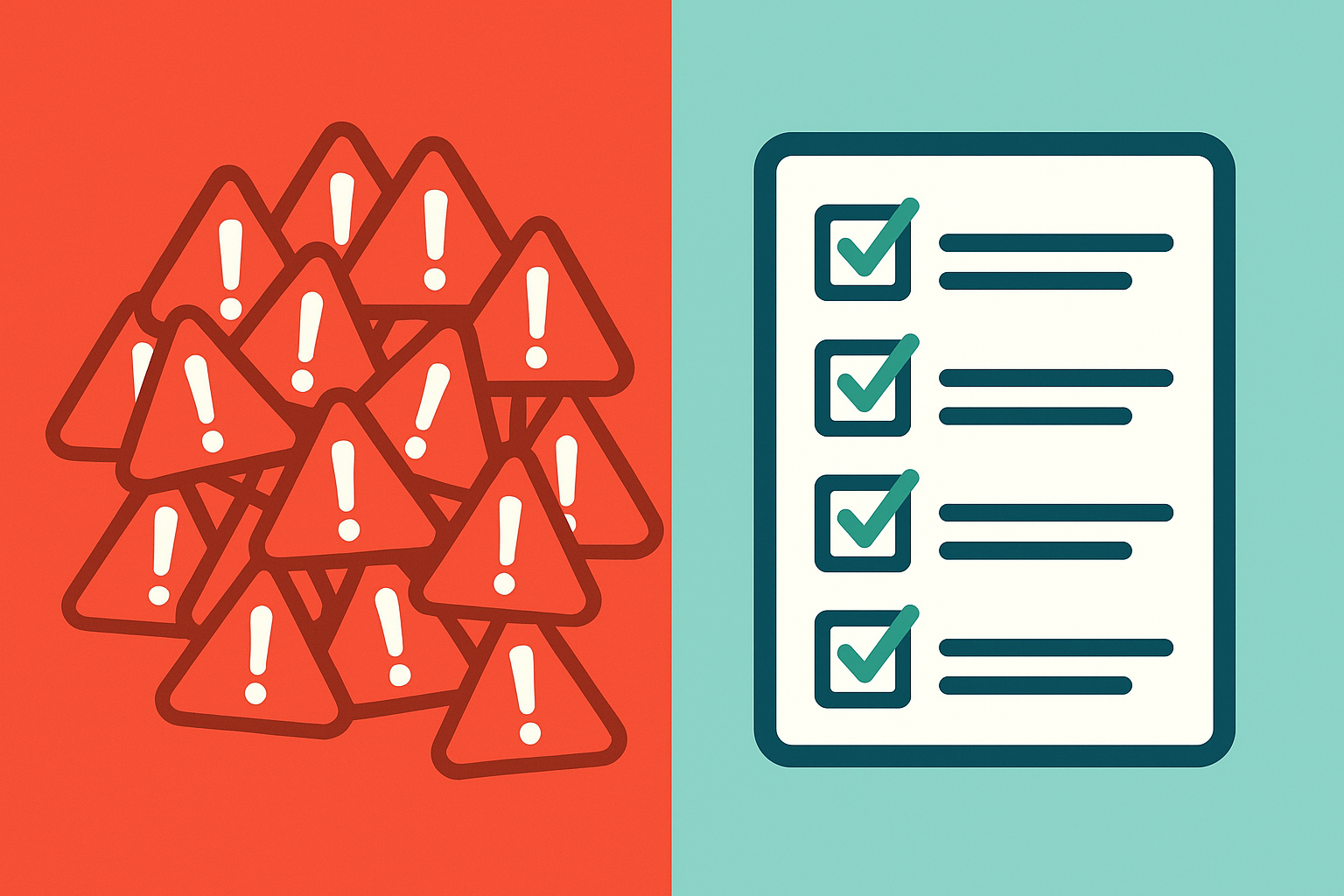
Automation turns scattered technical errors into a manageable, prioritized checklist.
Core Technical Issues These Platforms Detect and Fix
A genuinely capable automation platform should cover far more than surface-level checks. Above all, it needs to catch the issues that most frequently block indexing or waste crawl budget — the number of pages a search bot is willing to crawl on your site within a given timeframe.
Crawlability and Indexation Problems
- Broken links and 404 errors: Dead internal or outbound links that waste crawl budget and frustrate visitors.
- Redirect chains and loops: Multiple hops that slow crawlers and dilute link equity.
- Orphan pages and broken XML sitemaps: Pages search engines cannot discover through normal navigation.
- Robots.txt and canonical tag conflicts: Rules that accidentally block important pages from being indexed.
Performance and Content Quality Issues
- Slow Core Web Vitals: Loading, interactivity, and visual stability metrics that Google uses as ranking signals, explained further in Google’s Core Web Vitals guidance.
- Duplicate or thin content: Pages with too little unique value or content that overlaps heavily with other URLs.
- Missing or malformed schema markup: Structured data that helps search engines understand page context and enables rich results.
- Mobile usability failures: Layout or tap-target issues that hurt experience on smartphones, which now account for most search traffic.
Key Features of Leading Technical SEO Automation Software
Not every automation platform offers the same depth of coverage. Above all, look for these core capabilities before choosing one, since thinner tools often stop at surface-level reporting without ever resolving the underlying problem.
- Continuous crawling: Ongoing scans catch new issues instead of waiting for the next scheduled audit.
- Prioritized reporting: Issues ranked by ranking impact rather than listed alphabetically or by severity alone.
- One-click fixes: The ability to resolve common problems, such as missing tags or broken redirects, without writing code.
- Multi-site management: Useful for agencies tracking several client properties from a single dashboard.
- AI search readiness: Signals that support visibility in generative and answer engines, not only classic search results.
- Change tracking and rollback: A history of every automated fix, in case a change needs to be reversed on a complex site.
For a deeper breakdown of setup steps, see this guide on how to automate your website’s SEO efforts effectively. Alternatively, this checklist of 9 must-have features of a good SEO automation tool is worth reviewing before you commit to a platform.
How Automated Technical SEO Audits Work, Step by Step
Most technical SEO automation tools follow a similar sequence when working through a site. Understanding this flow helps explain why automation is so much faster and more consistent than manual review.
- Crawl the entire site. The tool crawls every accessible page on the domain, mapping internal links, redirects, and resource files much like a search engine bot explores a site, building a complete structural picture in the process.
- Diagnose and prioritize issues. Detected problems such as broken links, missing tags, duplicate content, or slow-loading pages are sorted by how much ranking impact they are likely to have, so teams tackle the highest-value fixes first.
- Apply or recommend fixes. The platform either applies corrections automatically, such as redirect cleanup or schema insertion, or generates clear, step-by-step recommendations for a developer to implement manually.
- Monitor and re-scan continuously. The tool re-crawls the site on a regular schedule to confirm fixes held, track ranking movement over time, and catch any newly introduced technical problems early.
Google’s own crawling and indexing documentation confirms that unresolved crawl errors can prevent pages from being indexed at all — exactly the kind of issue automation is built to catch early, before it silently costs a site its rankings.
Technical SEO Automation Tools vs Manual Audits
| Factor | Manual Review | Automation Tool |
|---|---|---|
| Speed | Slow, page by page | Fast, full-site scans |
| Consistency | Varies by reviewer | Same criteria every time |
| Cost over time | Higher labor cost | Lower ongoing cost |
| Scale | Impractical past a few hundred pages | Handles thousands of URLs easily |
| Best for | Strategic decisions | Repetitive technical checks |
In practice, most teams blend both approaches. Automation handles the repetitive technical layer, while a person still guides content strategy and competitive positioning. If you’re unsure where to begin, this overview of the easiest way to automate SEO is a reasonable starting point, and this complete guide to best practices for automating SEO goes further into workflow design.
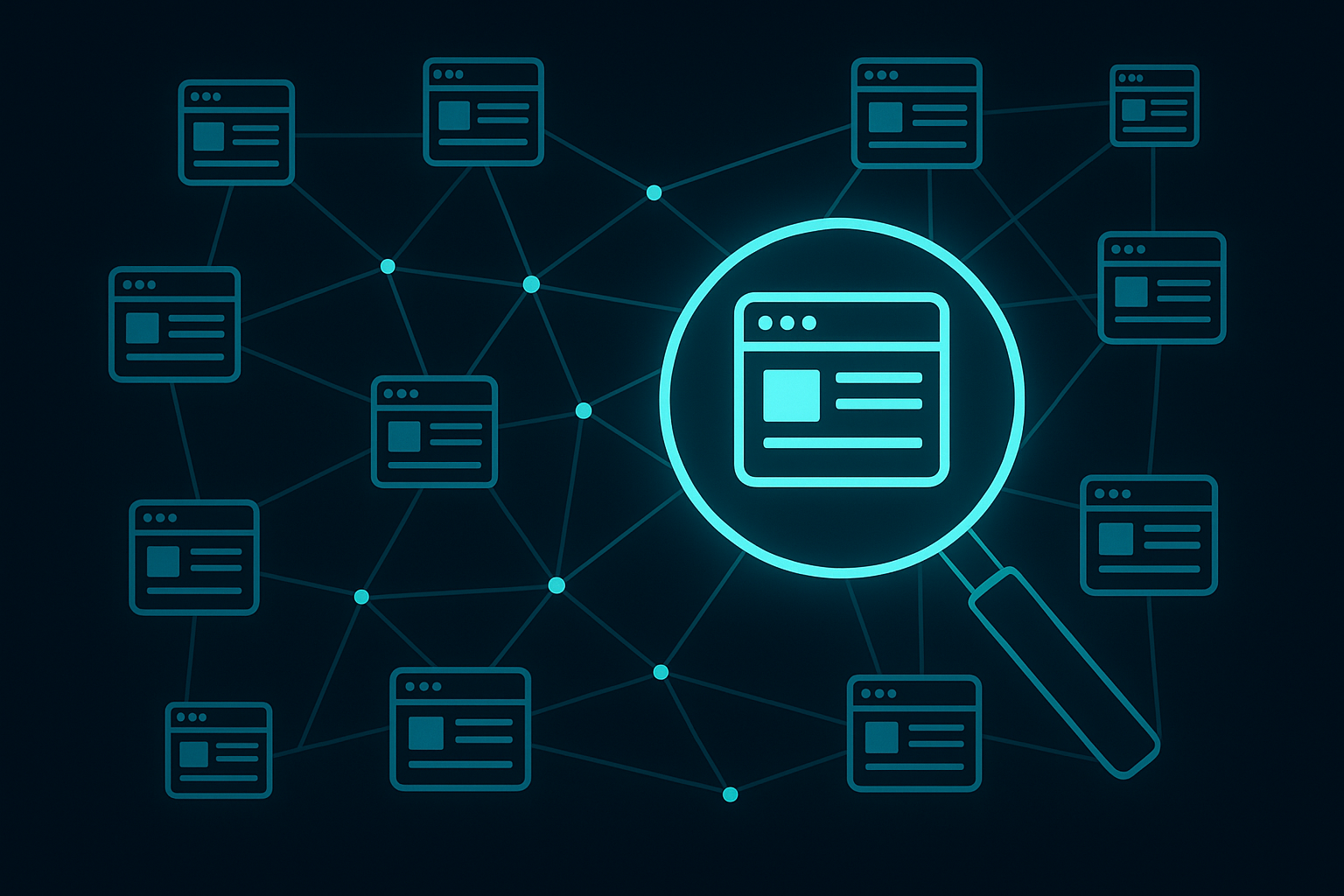
Continuous crawling is what separates modern automation from a one-time SEO checklist.
Best Technical SEO Automation Tools for Small Businesses and Agencies
Small business owners rarely have a dedicated SEO team, which is exactly why automation tends to help them the most. Platforms like RankAuthority’s 1-Click AI AutoPilot technology are designed to handle the technical and strategic work automatically, covering both traditional SEO and the newer world of generative and answer engine optimization.
Agencies managing several client sites face a different challenge: consistency at scale. For that reason, it’s worth comparing the best tools for automating SEO across multiple websites before settling on one platform, and reviewing which AI software automates SEO tasks best for their specific mix of clients. Since site speed and structural issues also affect performance, it’s worth revisiting foundational concepts like those covered in MDN’s web performance documentation.
Those exploring options for the first time can start with RankAuthority’s platform overview, which includes a seven-day trial period for testing automated fixes before committing to a plan.
How to Choose the Right Technical SEO Automation Platform
Selecting a platform gets easier once you evaluate it against a short, practical checklist rather than a long feature list. Specifically, ask these questions before signing up for any tool.
Questions to Ask Before You Buy
- Does it apply fixes automatically, or only flag problems for a developer to fix manually?
- How often does it re-crawl the site — daily, weekly, or only on demand?
- Can it handle the number of pages your site actually has, without hitting a crawl limit?
- Does it factor in AI search visibility, or only traditional blue-link rankings?
- Is there a trial period, and what happens to any applied fixes if you cancel?
In particular, teams that plan to hand off ongoing management should also confirm the platform supports role-based access and reporting for stakeholders. This helps you streamline your SEO strategy using AI without losing visibility into what changed and when.
Common Mistakes to Avoid When Automating Technical SEO
A common mistake is enabling automatic fixes without reviewing them first, which can occasionally cause unintended changes on complex or highly customized sites. Similarly, it helps to avoid ignoring alerts simply because they seem minor, since small issues — like a handful of broken redirects — can compound over time into a much larger ranking problem.
Another frequent error is treating automation as a total replacement for strategic thinking. In contrast, the most effective teams use automation to clear the technical backlog so their time goes toward content quality, link building, and competitive positioning — the areas where human judgment still outperforms software.
The Future: AI Search and Technical SEO Automation
As AI-generated answers become a bigger part of search results, technical SEO automation tools are expanding beyond crawl errors and page speed. Many now evaluate whether a page’s structure, schema markup, and content clarity make it easy for a language model to extract and summarize accurately. Consequently, the line between “technical SEO” and “AI search optimization” continues to blur, and tools that only check for classic ranking factors will increasingly fall behind.
This ties directly into the process of learning how to automate your SEO processes at scale, since the same continuous-crawling infrastructure that catches broken links today is what will surface AI-readiness gaps tomorrow.
Frequently Asked Questions About Technical SEO Automation Tools
What are technical SEO automation tools?
Technical SEO automation tools are software platforms that scan websites for ranking-blocking issues like broken links, slow pages, and crawl errors, then flag or fix them automatically. They replace much of the manual auditing work SEO specialists once performed by hand and increasingly feed into AI-driven optimization.
How do technical SEO automation tools work?
They crawl a website much like a search engine bot does, comparing what they find against a checklist of best practices. Any issues discovered are prioritized by impact, and many tools generate or apply fixes directly.
Why should I automate technical SEO instead of doing it manually?
Manual audits are slow and prone to human error, especially on large sites with thousands of pages. Automation catches issues continuously rather than only during occasional audits, which helps rankings stay stable.
How much do technical SEO automation tools cost?
Pricing varies widely, from free basic crawlers to enterprise platforms costing several hundred dollars per month. Many providers, including RankAuthority, offer a risk-free trial period so teams can test results before committing.
How long does it take to see results from automated SEO fixes?
Some fixes, like resolving broken links or duplicate meta tags, can show crawl improvements within days. Ranking changes typically take several weeks as search engines re-crawl and reassess the site.
What’s the difference between technical SEO automation tools and manual audits?
Manual audits rely on a person reviewing pages individually, which is thorough but slow and inconsistent across large sites. Automated tools scan every page on a schedule, offering consistency and speed manual reviews cannot match.
Can automation tools replace an SEO specialist entirely?
Automation handles repetitive technical checks well, but strategic decisions like content planning still benefit from human judgment. Most teams use automation to free up time for higher-level strategy rather than as a full replacement.
What common mistakes should I avoid when automating technical SEO?
A common mistake is enabling automatic fixes without reviewing them first, which can occasionally cause unintended changes on complex sites. It also helps to avoid ignoring alerts simply because they seem minor, since small issues can compound over time.
Are technical SEO automation tools suitable for small businesses?
Yes, small businesses often benefit the most because they rarely have a dedicated SEO team to run manual audits. Automated platforms give them enterprise-level monitoring without needing specialized in-house expertise.
What features should I look for in an SEO automation platform?
Look for continuous site crawling, prioritized issue reporting, and the ability to apply fixes without heavy technical knowledge. Support for multiple sites and AI search visibility tracking is increasingly valuable as well.
Do these tools help with visibility in AI-generated search answers?
Many modern platforms now combine technical SEO automation with generative engine optimization, which helps content appear in AI-generated answers, not just traditional listings. Clean site structure and fast load times support both goals simultaneously.
Is there a free trial for technical SEO automation tools?
Many providers offer trial periods, and RankAuthority specifically provides a seven-day risk-free trial of its 1-Click AI AutoPilot technology. This allows users to evaluate results before subscribing to a paid plan.
Can one automation tool manage SEO for multiple client websites?
Yes, many platforms are built for agencies and support dashboards covering dozens of client sites from a single login. This makes it easier to spot patterns and prioritize fixes across an entire portfolio, and it ties directly into the process of learning how to automate your SEO processes at scale.
Final Thoughts on Technical SEO Automation Tools
Technical SEO automation tools have moved from a nice-to-have into a practical requirement for any site competing seriously in search. They catch crawl errors, speed problems, and structural issues faster than any manual process, which frees teams to focus on strategy instead of spreadsheets. As AI-powered search continues to reshape how people find information, sites with clean technical foundations will consistently have an advantage.
Whether you’re running a single small business site or managing dozens of client properties, choosing the right technical SEO automation tools is one of the most efficient investments you can make in long-term visibility.

