

Content optimization for AI search is the discipline of writing, structuring, and technically preparing web pages for SEO content optimization so that generative engines — including Google’s AI Overviews, ChatGPT, Perplexity, and Microsoft Copilot — can accurately read, trust, and quote your content as a direct answer. Unlike traditional crawlers that simply index pages for a list of blue links, these systems extract passages, verify facts, and assemble conversational responses in real time. As a result, a page that ranks well in classic search can still be invisible in AI-generated answers if it wasn’t built with this new reading behavior in mind.
In this guide, you’ll get a far more complete picture than a typical overview: a precise definition, the exact signals AI models weigh, a seven-step optimization framework, the mistakes that quietly tank AI visibility, a head-to-head comparison with traditional SEO, and a full FAQ section built around real reader questions. Additionally, we’ll show you how to measure whether your content optimization for AI search efforts are actually working — not just theorize about them.
Quick Answer
Content optimization for AI search means writing direct, front-loaded answers, defining key terms clearly, adding schema markup, structuring headings around real questions, and citing credible sources — so AI engines can confidently extract and present your content as a trustworthy response.
What Is Content Optimization for AI Search?
Content optimization for AI search is the deliberate process of shaping web content so it can be read, understood, and reused by generative AI systems. Specifically, this involves front-loading answers, using structured data, and demonstrating clear expertise through sourcing and specificity — rather than relying on keyword density alone.
Unlike keyword-stuffed pages built for older search algorithms, AI-ready content favors clarity above all else. For example, a page that defines its topic in the first sentence and answers the implied question within the first paragraph is far more likely to be quoted inside an AI Overview or chatbot response than one that buries the answer under a long narrative introduction. In contrast, pages that ramble before getting to the point are frequently skipped entirely, even when their research is solid.
In practice, this discipline sits at the intersection of two related fields: Generative Engine Optimization (GEO), which focuses on being included in AI-generated summaries, and Answer Engine Optimization, which is shaping the future of search by formatting content specifically for direct-answer boxes and voice assistants. Notably, neither discipline replaces the other — instead, together they define what it means to be “AI-visible” in 2025.

Content optimization for AI search blends clear writing with structured data so AI systems can extract answers reliably.
Why AI Content Optimization Matters More Than Ever in 2025
The shift toward AI-mediated search is no longer a niche trend. In fact, industry research from Google Search Central confirms that AI Overviews now appear across a significant share of informational queries, fundamentally changing how users find and consume answers online.
Consequently, brands that fail to adapt risk losing visibility even when their traditional rankings remain strong. Meanwhile, early adopters who prioritize structure and clarity are being cited more frequently inside AI-generated summaries, gaining an outsized share of attention relative to their site size. This “citation gap” — where small, well-structured sites outperform larger competitors in AI answers — is one of the biggest shifts in search we’ve seen since mobile-first indexing.
For a deeper look at how this landscape is evolving, our complete AI search engine optimization guide for 2025 breaks down the platforms, ranking factors, and timelines businesses should expect. Similarly, our AI-powered search optimization guide for 2025 walks through the broader strategic shift beyond content alone, including technical and authority signals.
How AI Search Engines Evaluate and Rank Your Content
AI systems typically rely on large language models, which are trained to recognize patterns in language and meaning rather than simple keyword matches. You can read more about how these models process text in this overview from Wikipedia’s explanation of large language models, which is helpful context before diving into optimization tactics.
In particular, these systems weigh three signals heavily: clarity of the direct answer, structural cues like headings and schema, and trust signals such as citations and factual accuracy. Similarly, content that reads naturally while still being scannable tends to outperform dense, jargon-heavy writing — a finding that echoes long-standing web usability research from Nielsen Norman Group on how people scan web content. If humans skim in predictable patterns, it stands to reason that AI extraction models trained on human-generated data behave similarly.
Therefore, improving how you leverage AI for better content discoverability often comes down to formatting choices as much as the underlying research quality. For a technical breakdown of ranking mechanics specifically, see how AI search algorithms rank content in 2025, which covers embeddings, retrieval, and re-ranking in plain language.
Content Optimization for AI Search vs. Traditional SEO
Above all, it helps to see the two approaches side by side, since confusing them is one of the fastest ways to waste effort. Traditional SEO and AI search optimization share a foundation but diverge in a few critical ways:
- Goal: Traditional SEO aims to rank a page inside a list of results; content optimization for AI search aims to become the answer quoted inside a generated response.
- Unit of ranking: Classic SEO ranks whole pages, whereas AI systems typically evaluate individual passages or sections independently.
- Success signal: Traditional SEO tracks rank position and clicks; AI search optimization tracks citation frequency, share of voice in answers, and referral traffic from AI platforms.
- Content shape: Long narrative introductions can still work for classic SEO, but they actively hurt AI visibility, since models extract the first relevant passage they encounter.
- Trust signals: Backlinks matter for both, however AI systems place additional weight on structured data, clear sourcing, and factual consistency across the web.
In short, you don’t need to abandon traditional SEO — instead, layer AI-specific structure on top of it. Our complete guide to digital visibility optimization explains how these two disciplines fit into one unified strategy.
A 7-Step Framework to Optimize Content for AI Search
Above all, a repeatable process beats guesswork. Below is a seven-step framework you can apply to any page on your site, whether it’s a blog post, a service page, or a product description.
- Answer the question immediately. Open each page or section with a direct one to three sentence answer to the main question before adding supporting detail or background context.
- Define key terms on first use. Introduce technical terms with a plain-language explanation the first time they appear so both readers and AI systems understand the concept immediately.
- Structure headings around real questions. Write H2 and H3 headings that mirror how people actually phrase queries, since AI systems match content to intent using heading text as a strong signal.
- Add structured data markup. Implement JSON-LD schema such as Article, FAQPage, and HowTo, using guidance from Schema.org so AI crawlers can parse facts accurately. See our AI search optimization guide for practical schema examples and templates.
- Cite authoritative sources. Support key claims and statistics with links to recognized sources like government sites, Wikipedia, or established industry publications to build trust signals.
- Clarify entities and relationships. Name specific tools, people, places, and concepts explicitly instead of using vague pronouns, since AI models rely on clear entities to connect facts correctly.
- Monitor and refresh regularly. Track citation frequency in AI tools and update outdated statistics, broken links, or unclear sections at least once per quarter for sustained visibility.
Once this cycle is in place, most sites notice measurable improvement within four to eight weeks. For a realistic picture of timelines, see what results you can expect from AI search tools, which sets expectations for both quick wins and longer authority-building outcomes.
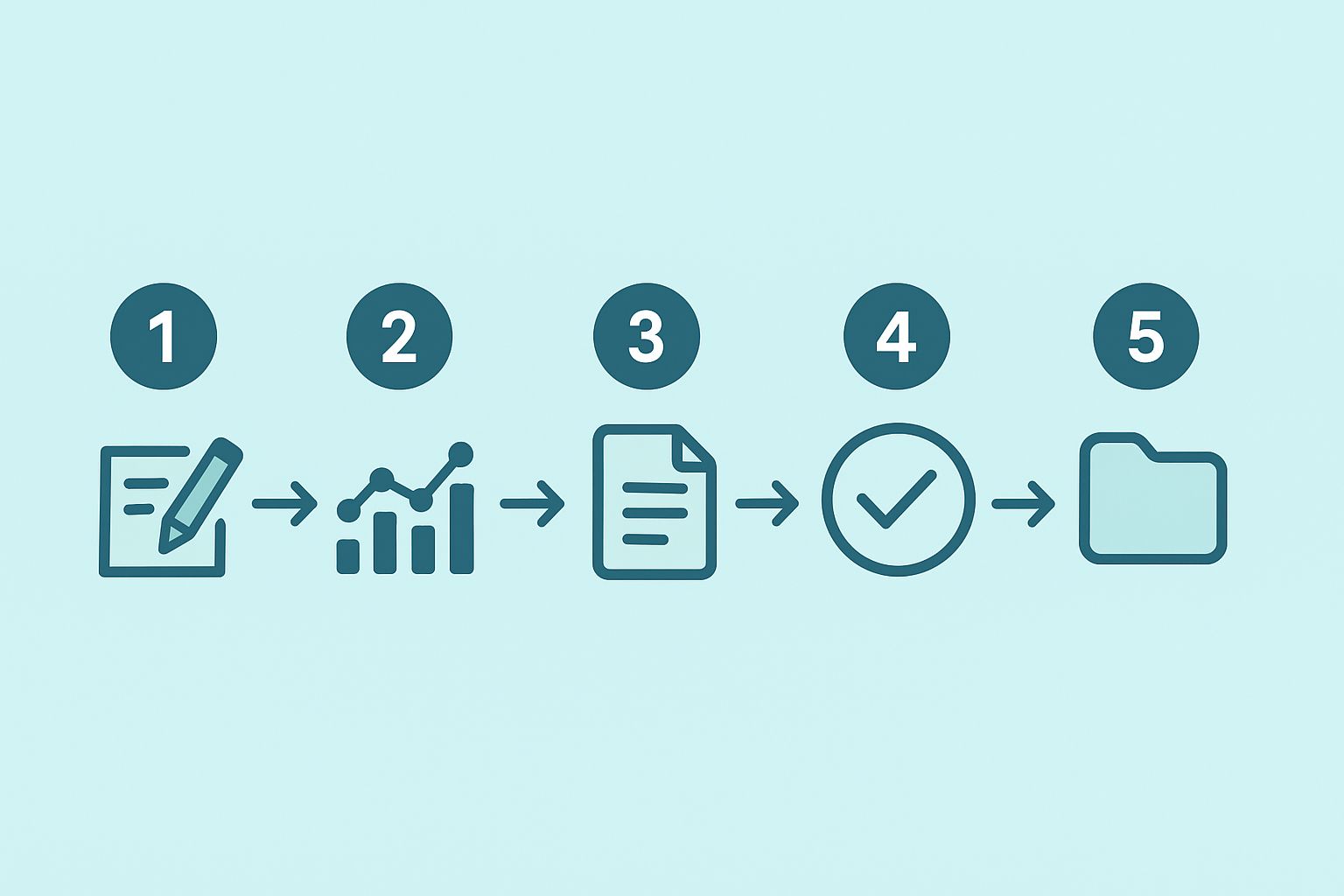
A repeatable, step-by-step workflow makes content optimization for AI search easier to maintain over time.
Common Mistakes That Hurt AI Search Visibility
Even experienced content teams make avoidable errors. For instance, burying the direct answer beneath a lengthy introduction is one of the most frequent mistakes, since AI systems often extract only the first relevant passage they find — no matter how good the rest of the page is.
In contrast, skipping schema markup entirely leaves AI crawlers to guess at context, which reduces the odds of accurate citation. Likewise, vague headings that don’t mirror real user questions make it harder for AI systems to match your content to a specific query. Additionally, mixing outdated statistics with current claims — without dating them clearly — erodes the trust signals these models depend on.
To avoid these pitfalls consistently, review our best practices for improving content discoverability, which outlines a practical checklist for ongoing audits.
Best Tools for Content Optimization for AI Search
Manually applying every best practice across dozens or hundreds of pages is time-consuming. That’s why many teams now turn to automation platforms that handle the technical work behind content optimization for AI search at scale, freeing up writers to focus on research and quality.
RankAuthority’s 1-Click AI AutoPilot technology, for example, automates schema generation, structural analysis, and citation tracking so small business owners, marketers, and agencies can strengthen search authority without a steep learning curve. You can explore the platform and its risk-free seven-day trial at rankauthority.com.
Whether you manage a single site or multiple client properties, this kind of automation removes much of the guesswork while still leaving room for human review and editorial judgment. For a broader view of where content tooling fits into overall strategy, our digital visibility optimization guide connects the dots between content, technical SEO, and AI presence.

Automation platforms help teams scale content optimization for AI search without added technical overhead.
How to Measure AI Search Optimization Results
Unlike classic rank tracking, measuring content optimization for AI search requires watching a different set of signals. Specifically, keep an eye on how often your brand or page appears as a cited source inside AI Overviews, ChatGPT answers, or Perplexity results for your target queries. See our AI visibility audit for a diagnostic checklist.
In addition, monitor referral traffic segments in your analytics platform for visits originating from AI chat interfaces, since this traffic often behaves differently — typically fewer visits but higher intent and conversion rates. Similarly, track branded search volume over time; as AI answers cite you repeatedly, more users tend to search your brand name directly afterward.
Finally, don’t overlook the discoverability angle. Understanding how AI can enhance content discoverability for your website helps you connect these measurement signals back to concrete on-page changes, rather than treating AI visibility as a black box.
Content Optimization for AI Search Checklist
Before publishing or updating a page, run it through this quick checklist:
- Does the first paragraph answer the main question in one to three sentences?
- Are technical terms explained in plain language on first use?
- Do headings mirror real questions a user would type or ask aloud?
- Is Article, FAQPage, or HowTo schema implemented and error-free?
- Are claims and statistics backed by credible, linkable sources?
- Are named entities (tools, people, places) specific rather than vague?
- Is there a quarterly review scheduled to refresh stats and links?
Frequently Asked Questions About Content Optimization for AI Search
What is content optimization for AI search?
Content optimization for AI search is the process of structuring and writing web content so AI systems like Google AI Overviews, ChatGPT, and Perplexity can accurately understand, verify, and cite it. It combines clear answers, structured data, and authoritative sourcing to improve visibility in AI-generated results.
How is content optimization for AI search different from traditional SEO?
Traditional SEO focuses on ranking a page in a list of blue links, while AI content optimization focuses on being selected as the direct answer inside a generated response. It requires clearer structure and stronger citation signals than classic keyword-focused SEO.
Why does content optimization for AI search matter in 2025?
AI-powered results now appear above traditional links for a large share of searches, meaning unoptimized content can lose visibility even if it ranks well organically. As adoption grows, brands that ignore this shift risk exclusion from AI-generated answers entirely.
How long does it take to see results from AI search optimization?
Most sites see measurable changes in AI citation frequency within four to eight weeks of implementing structured content and schema updates. Full authority-building results typically take three to six months.
What is the cost of optimizing content for AI search?
Costs vary widely, from free manual adjustments like adding definitions and schema markup to paid automation platforms that streamline the process. Many tools offer risk-free trial periods so businesses can test results first.
Does structured data actually help AI search visibility?
Yes, structured data such as JSON-LD schema helps AI systems parse entities, relationships, and facts more reliably than plain text alone. Schema.org markup is widely recommended for clarifying content meaning to machines.
What are common mistakes in content optimization for AI search?
Common mistakes include burying direct answers under long introductions, skipping schema markup, and failing to cite credible sources. Vague headings instead of specific, question-based ones are another frequent error.
Can small businesses compete in AI search without a large budget?
Small businesses can compete effectively by focusing on clear definitions, local specificity, and structured data rather than sheer content volume. Automation platforms have also lowered the technical barrier considerably.
How do AI search engines decide which content to cite?
AI search engines evaluate clarity, factual accuracy, source authority, and how well content matches the specific intent behind a query. Content that answers a question directly in the first few sentences is cited more often.
What role does Answer Engine Optimization play in this process?
Answer Engine Optimization, or AEO, focuses on formatting content so it can be pulled into direct-answer boxes and conversational AI responses. It works alongside GEO to ensure content is both discoverable and citation-ready.
Is FAQ content important for AI search optimization?
FAQ sections are valuable because they mirror the question-and-answer format AI systems use to generate responses. Well-structured FAQs paired with FAQPage schema increase visibility in voice and chat-based search results.
Can automation tools handle content optimization for AI search?
Yes, automation platforms can handle much of the technical work, including schema generation, structure analysis, and citation tracking. This reduces manual effort while still allowing teams to review the final content.
How often should content be updated for AI search performance?
Content should be reviewed at least every quarter since AI models continuously reindex sources for accuracy. Outdated statistics or broken structured data can quickly reduce citation frequency.
Does AI search optimization replace the need for backlinks?
No, backlinks still contribute to overall domain authority and trust. However, content optimization for AI search adds an additional layer on top of link-building, since AI systems also weigh on-page clarity and structured data heavily.
How does E-E-A-T factor into content optimization for AI search?
Experience, Expertise, Authoritativeness, and Trustworthiness (E-E-A-T) signals help AI systems judge whether content is safe to cite as fact. Author credentials, cited sources, and factual consistency across your site all reinforce these signals.
Final Thoughts on Content Optimization for AI Search
Ultimately, content optimization for AI search comes down to clarity, structure, and trust. By answering questions directly, defining terms plainly, adding schema markup, structuring headings around real intent, and citing credible sources, businesses can position their content for consistent visibility as AI-driven search continues to reshape discovery. For practical best practices, see our AI search optimization guide.
As this landscape keeps evolving, staying consistent with the process matters more than chasing every algorithm update. Therefore, whether you handle optimization manually or rely on automation like RankAuthority’s platform at rankauthority.com, the fundamentals outlined here will remain the foundation of strong content optimization for AI search performance for the foreseeable future. Last updated: 2026-08-14. Author: RankAuthority editorial team.

