

Next-gen SEO techniques are the strategies businesses now rely on to stay visible as search shifts away from simple keyword matching and toward AI-generated answers. Unlike classic optimization tactics that focused almost entirely on ranking within Google’s blue links, these techniques prepare content to be understood, summarized, and cited by generative AI tools such as ChatGPT, Perplexity, and Google’s AI Overviews. As a result, mastering this shift has become essential for any business that depends on organic visibility to reach new customers, and this guide covers every technique, tool, and mistake you need to know in 2025.
Direct Answer: Next-gen SEO techniques combine Generative Engine Optimization (GEO), Answer Engine Optimization (AEO), structured data, technical SEO fundamentals, and strong E-E-A-T authority signals so content ranks well on Google while also being surfaced and cited by AI chatbots and answer engines.

Next-gen SEO techniques help content stay visible as AI systems reshape how people search.
What Are Next-Gen SEO Techniques?
Next-gen SEO techniques are advanced optimization methods built for a search landscape where AI systems, not just algorithms ranking web pages, decide what information users see first. In short, they extend classic SEO fundamentals with practices tailored to how large language models (AI systems trained to read and generate human-like text) read and reuse content.
Specifically, this includes writing clear definitions early in each section, using structured data so machines can parse meaning, and demonstrating verifiable expertise. Consequently, a page optimized this way can rank on Google and get referenced inside an AI-generated answer, doubling its potential reach. For a deeper look at foundational concepts, Google’s own SEO starter guide remains a useful baseline before layering on newer tactics. If you’re weighing which methods matter most right now, this breakdown of strategies that yield the best results in SEO today is a helpful next step, and our complete 2025 AI search guide goes even further into implementation detail.
Why Traditional SEO Alone No Longer Works
Traditional SEO was built around a simple premise: rank higher, get more clicks. However, that model is breaking down as AI Overviews and chatbot answers absorb a growing share of search traffic before a user ever reaches a results page. In particular, informational queries are the most affected, since AI systems can often summarize an answer without sending traffic anywhere at all.
As a result, businesses that rely solely on classic keyword optimization risk losing visibility even while maintaining strong traditional rankings. Search engine optimization itself, as documented on Wikipedia’s overview of SEO, has always evolved alongside algorithm changes, and this shift is simply the latest chapter. Therefore, adapting early offers a meaningful competitive advantage over slower-moving competitors. To see how ranking factors are evolving further, this explainer on how advanced algorithms impact search rankings is worth reviewing.
Next-Gen SEO Techniques vs. Traditional SEO: The Key Differences
Before diving into individual tactics, it helps to see the two approaches side by side. In particular, this comparison shows exactly where next-gen SEO techniques extend, rather than replace, the fundamentals you already know.
The Core Next-Gen SEO Techniques That Drive AI Search Visibility
Several distinct practices make up the core toolkit for next-gen SEO techniques. Below, each one is broken down so you can prioritize based on your current site structure and resources.
Generative Engine Optimization (GEO)
Generative Engine Optimization focuses on making content easy for AI models to extract and summarize accurately. This means writing in plain, direct language, defining terms clearly on first use, and avoiding ambiguous phrasing that could be misinterpreted by a language model.
Answer Engine Optimization (AEO)
Answer Engine Optimization structures content around direct answers to specific questions, similar to how a knowledgeable colleague would respond. For instance, placing a concise answer immediately beneath a question-based heading increases the odds of being featured in voice search results and AI answer boxes alike.
Structured Data and Schema Markup
Structured data, defined by the open standard at schema.org, gives search engines explicit labels for what your content means rather than leaving it to guesswork. In turn, this markup improves eligibility for rich results, FAQ snippets, and AI-generated citations.
E-E-A-T and Topical Authority
Demonstrating Experience, Expertise, Authoritativeness, and Trustworthiness (Google’s quality framework, known as E-E-A-T) remains critical. Above all, AI systems tend to favor sources that show clear credentials, cite data, and maintain consistent accuracy over time, so building a cluster of well-linked, authoritative content pays long-term dividends. Similarly, this approach pairs naturally with the tactics covered in our guide to AI-enhanced SEO strategies for 2025 rankings.
Technical SEO Foundations for AI Crawlers
In addition to content-level work, technical SEO still forms the backbone of next-gen SEO techniques. Specifically, AI crawlers and traditional bots alike need fast load times, clean HTML, and mobile-first layouts to parse a page correctly. Core Web Vitals (Google’s speed, responsiveness, and visual stability metrics) remain a baseline requirement, and resources like the MDN Web Performance documentation offer practical guidance for improving these metrics. Consequently, a technically slow or broken site will struggle to earn AI citations no matter how well the copy is written.
Entity-Based Content and Semantic SEO
Furthermore, AI systems increasingly think in terms of entities (real-world people, places, brands, and concepts) rather than isolated keywords. Therefore, next-gen SEO techniques include mapping the entities relevant to your niche and reinforcing those relationships through internal linking, consistent naming, and clear topical clusters. This approach is explored further in our resource on SEO strategies that win for digital marketers in 2025.
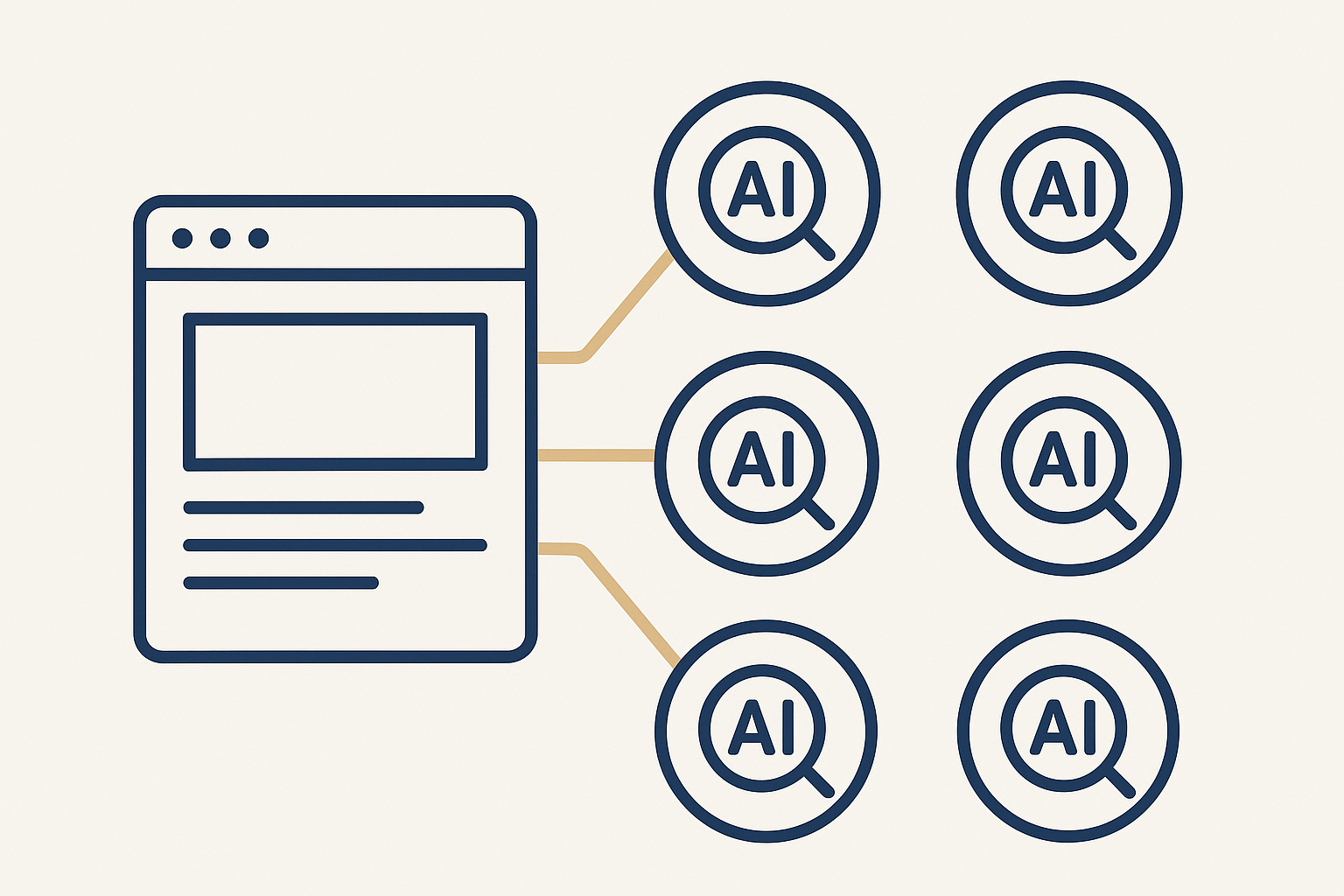
Structured data acts as a translation layer between your content and AI search systems.
How to Implement Advanced SEO Strategies Step by Step
Putting these ideas into practice does not have to be overwhelming. Instead, follow this sequence to build momentum without stalling on technical details.
- Audit your content for AI readability. Review existing pages to confirm whether key questions are answered within the first few sentences of each section, since AI tools favor extractable, direct answers.
- Implement structured data and schema markup. Add Article, FAQPage, and HowTo schema so machines can accurately interpret page structure and context.
- Optimize for answer engines with direct answer blocks. Rewrite key sections so a concise answer appears immediately under each subheading, followed by supporting detail.
- Build topical authority through entity-based content. Create clusters of related articles and interlink them so search engines recognize your site as comprehensive on the subject. For strategy examples, review our AI SEO strategy guide.
- Strengthen author and organizational trust signals. Publish clear author bios, cite primary sources, and keep publication dates current so both readers and AI systems trust the content.
- Monitor AI search performance and iterate. Track how often your content appears in AI Overviews and chatbot citations, then refine underperforming pages monthly.
For additional inspiration, this list of nine SEO tricks to get ahead in 2025 pairs well with the steps above, and this roundup of fresh SEO ideas worth testing can help you experiment further once the basics are in place.
Quick-Reference Checklist for Next-Gen SEO Techniques
In case you need a fast reference while auditing pages, this checklist condenses the techniques above into actionable items.
- Place a direct answer within the first two sentences under every question-based heading.
- Add Article, FAQPage, and HowTo schema to every cornerstone page.
- Verify Core Web Vitals scores and fix any mobile usability issues.
- Publish visible author credentials and cite primary sources for every claim.
- Interlink related content into clear topical clusters around core entities.
- Track AI Overview appearances and chatbot citations alongside traditional rankings.
Common Mistakes to Avoid When Optimizing for AI Search
Even well-intentioned teams stumble when adopting next-gen SEO techniques for the first time. In particular, three mistakes appear most often across audits.
First, many pages bury the answer to a question several paragraphs deep, which makes it harder for AI systems to extract a clean citation. Second, sites frequently skip structured data entirely, leaving valuable context unlabeled. Third, some teams neglect author and organizational credibility signals, which weakens trust with both readers and algorithms. Consequently, addressing these three issues first often produces the fastest visible improvement.
Notably, a 2024 industry analysis from Search Engine Land found that AI Overviews now appear across a majority of informational search queries on Google, underscoring why these fixes matter more than ever. To keep pace, reviewing a current list of SEO tips for 2025 can help you avoid repeating outdated habits.
Real-World Example: Applying Next-Gen SEO Techniques
Consider a mid-size software company whose blog historically ranked well but rarely appeared in AI Overviews. After auditing content, the team restructured its top ten pages so each subheading opened with a two-sentence direct answer, added FAQPage and HowTo schema, and published author bios linking to verified professional profiles. In addition, they built entity clusters connecting product pages to supporting guides. Within eight weeks, citation frequency in AI-generated answers rose noticeably, and organic traffic to the restructured pages increased alongside it, demonstrating how next-gen SEO techniques compound when applied consistently across a content library.
Automating Next-Gen SEO Techniques with AI Tools
Manually applying every next-gen SEO technique across a large site can be time-consuming, especially for small teams without dedicated technical staff. This is where automation platforms become valuable. RankAuthority, for example, offers a 1-Click AI AutoPilot tool that automates much of the technical and strategic work behind Generative Engine Optimization and Answer Engine Optimization, making it accessible to small business owners, marketers, and agencies alike.
Rather than manually auditing structured data or rewriting sections for direct answers, users can rely on automated insights that continuously monitor and strengthen search authority. Furthermore, a risk-free seven-day trial makes it straightforward to test whether automation fits your workflow before committing. You can learn more directly at rankauthority.com, and our roundup of competitive SEO tools that dominate search in 2025 compares several other options worth considering.
What Is the Future of Search Engine Optimization?
The future of search engine optimization centers on hybrid visibility, meaning content must satisfy both traditional ranking algorithms and generative AI comprehension simultaneously. In other words, SEO is no longer a single discipline but a blended skill set.
Looking ahead, expect deeper integration between structured data standards and AI training data, alongside greater emphasis on verifiable authorship. Similarly, tools that automate technical implementation, such as schema generation and entity mapping, will likely become standard rather than optional. As a result, businesses that build strong foundations now with next-gen SEO techniques will be better positioned as these systems mature further.
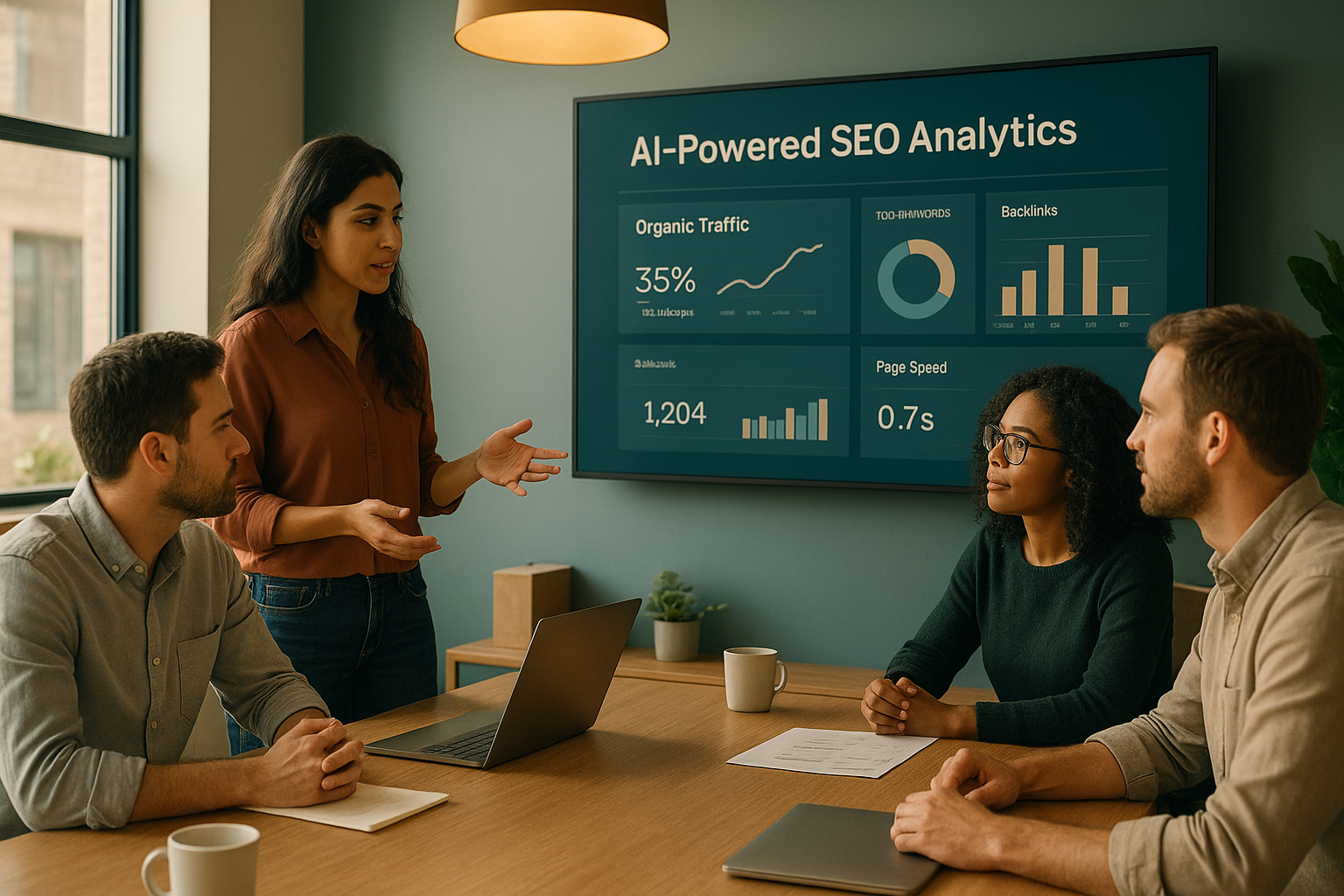
Tracking AI search performance helps teams refine next-gen SEO techniques over time.
Frequently Asked Questions About Next-Gen SEO Techniques
What are next-gen SEO techniques?
Next-gen SEO techniques are advanced optimization strategies designed to improve visibility not just on Google, but also across AI-powered search tools like ChatGPT, Perplexity, and Google AI Overviews. They combine traditional ranking factors with structured data, entity optimization, and content built for machine comprehension.
How do next-gen SEO techniques differ from traditional SEO?
Traditional SEO focuses mainly on keywords and backlinks for search engine result pages. Next-gen SEO techniques additionally optimize for how large language models extract, summarize, and cite content, which requires clearer structure and stronger authority signals.
Why is AI search optimization important in 2025?
AI search optimization matters because a growing share of user queries are now answered directly within AI Overviews or chatbot responses instead of a list of blue links. Businesses that fail to adapt risk losing visibility even if their traditional rankings remain strong.
How long does it take to see results?
Most sites notice improved crawlability and structured data recognition within two to four weeks. However, meaningful gains in AI citation frequency and organic traffic typically take two to four months of consistent optimization.
What is Generative Engine Optimization (GEO)?
Generative Engine Optimization is the practice of structuring and writing content so generative AI tools can accurately understand, summarize, and cite it. It focuses on clarity, factual accuracy, and clear entity relationships.
What is Answer Engine Optimization (AEO)?
Answer Engine Optimization is the process of formatting content to directly answer specific user questions, often within the first few sentences of a section. This increases the likelihood of being featured in voice search results and answer boxes.
How much does implementing next-gen SEO cost?
Costs vary widely depending on whether you hire an agency, build an in-house team, or use automation software. Automated platforms often provide a more affordable entry point, with many offering free trials before any commitment is required.
What common mistakes should I avoid?
Common mistakes include ignoring structured data, writing vague introductions that never directly answer the query, and neglecting author credibility signals. Skipping regular content audits is another frequent oversight.
Can small businesses benefit from next-gen SEO techniques?
Yes, small businesses often benefit the most because next-gen SEO techniques level the playing field against larger competitors. Clear structure and authoritative content can outperform sheer marketing budget in AI-driven search results.
What role does structured data play in modern SEO?
Structured data gives search engines and AI systems explicit signals about what content means. This reduces ambiguity and increases the chances of appearing in rich results, knowledge panels, and AI-generated summaries.
How do I optimize content for AI chatbots like ChatGPT?
Optimizing for AI chatbots involves writing clear, factual definitions early in each section and citing credible sources. Consistent formatting with question-based headings also helps chatbots extract and reuse your content accurately.
What are the best practices for E-E-A-T?
Best practices for E-E-A-T include showcasing real author expertise, citing authoritative sources, and keeping content accurate and up to date. Transparency about who created the content also strengthens trust signals.
Do next-gen SEO techniques replace traditional SEO?
No, next-gen SEO techniques build on traditional SEO rather than replacing it. Core fundamentals like site speed, mobile usability, and quality backlinks remain essential alongside newer AI-focused strategies.
What metrics should I track to measure success?
Track organic traffic, AI Overview appearances, featured snippet ownership, and citation frequency in chatbot responses. Combining these metrics with traditional keyword rankings gives a complete picture of search performance.
What tools help implement next-gen SEO techniques?
Schema generators, AI-readability auditors, and automation platforms such as RankAuthority’s 1-Click AI AutoPilot all help implement next-gen SEO techniques faster. In addition, keyword and entity research tools remain useful for identifying content gaps.
How does technical SEO support next-gen SEO techniques?
Technical SEO ensures AI crawlers and search bots can access, render, and index content quickly. Without strong page speed and mobile usability, even perfectly written content struggles to earn AI citations.
Does local SEO still matter with next-gen SEO techniques?
Yes, local SEO still matters because AI Overviews frequently pull from Google Business Profiles and local citations when answering location-based queries. Therefore, keeping local listings accurate remains part of a complete next-gen SEO strategy.
Final Thoughts
In summary, next-gen SEO techniques represent a necessary evolution rather than a replacement of everything that came before. By combining Generative Engine Optimization, Answer Engine Optimization, structured data, technical SEO, entity-based content, and strong authority signals, businesses can maintain visibility across both traditional search results and emerging AI-driven answer experiences. Ultimately, those who start implementing these next-gen SEO techniques now, whether manually or through automated platforms like RankAuthority, will be better positioned as AI continues reshaping how people discover information online.

