

By RankAuthority • Last updated: 2026-07-30. AI tools for search marketing are reshaping how businesses get found online, blending traditional SEO with automation built for AI-driven search engines. Instead of manually tracking keyword rankings, writing meta tags, or guessing what an AI Overview might cite, these platforms handle the technical heavy lifting. As a result, small teams can compete with agencies that once had far bigger budgets.
Direct Answer
AI tools for search marketing are software platforms that automate keyword research, content optimization, and technical SEO work while also targeting visibility in AI-powered results like chatbots and AI Overviews. They save time, reduce guesswork, and help brands stay visible as search behavior shifts away from traditional link lists.
What Are AI Tools for Search Marketing?
In simple terms, AI tools for search marketing are applications that use machine learning to analyze search data and then act on it, often with minimal manual input. Unlike older SEO software that only reported problems, many of today’s platforms actually fix them. For example, some tools automatically generate structured data, often called schema markup, which is a technical code that helps search engines and AI systems understand page content more clearly.
Furthermore, these platforms typically monitor performance across both classic search engines and newer AI-powered answer engines. This dual focus matters because, according to Gartner, traditional search engine volume is projected to drop as more users turn to AI chatbots and virtual assistants for answers. Consequently, businesses that only optimize for old-style rankings risk losing visibility in this next wave of search.
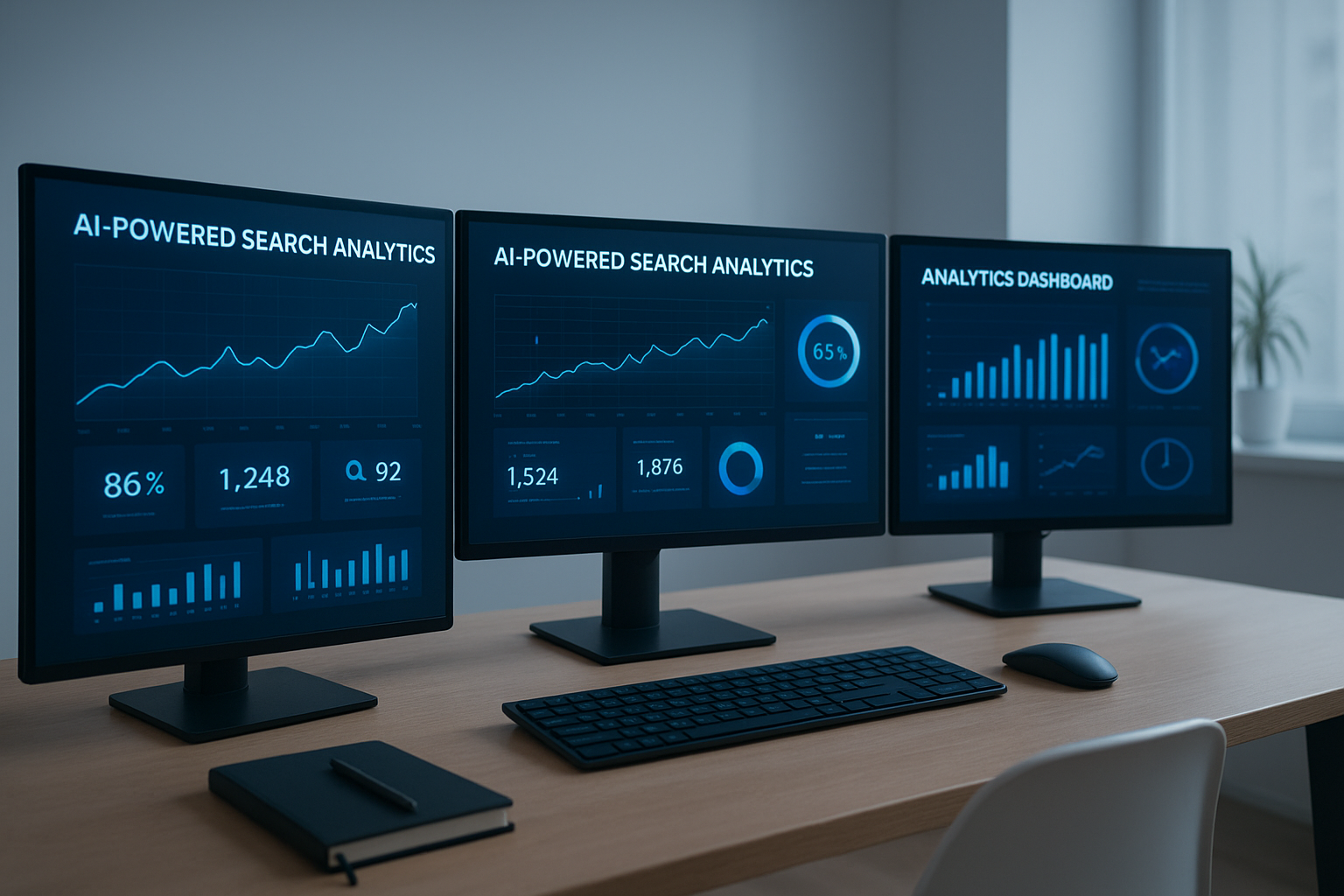
AI tools for search marketing bring keyword data, content scores, and AI for search optimization metrics into one dashboard.
Why AI-Powered Search Marketing Tools Matter Right Now
Search behavior is changing faster than most marketing teams can keep up with manually. Indeed, AI Overviews now appear on a large share of Google queries, pulling summarized answers directly into the results page. As a result, brands that never appear in those summaries can lose clicks even while still ranking on page one.
This shift is exactly why AI-powered search marketing tools have grown so quickly in adoption. Rather than treating AI visibility as an afterthought, these platforms build it into the core workflow alongside traditional SEO tasks. For a deeper look at how this strategy plays out in practice, resources like AI search engine optimization strategies and ROI break down measurable outcomes teams can expect.
In addition, agencies managing multiple clients benefit especially well from automation, since manual optimization simply does not scale across dozens of websites. That said, the value of automation only becomes clear once you understand the categories of tools available.
Core Categories of AI-Powered Search Marketing Tools
Most platforms in this space fall into a few overlapping categories. Understanding each one helps you avoid paying for overlapping features or missing a critical gap in your strategy.
Content Generation and Optimization Tools
These tools draft, score, and refine written content so it satisfies both human readers and search algorithms, including suggestions from best SEO tools. Typically, they analyze top-ranking pages, then suggest headings, word counts, and topics that are currently missing from your draft. Similarly, they often flag readability issues before publication.
Technical SEO and AEO Automation Platforms
This category handles the behind-the-scenes work, including schema markup, site speed fixes, and Answer Engine Optimization, which focuses on getting content cited inside AI-generated answers. Platforms such as this AI search visibility tool built for AEO wins specialize in exactly this kind of automated technical work, including a structured 30-day rollout plan and guidance on AEO vs SEO.
Performance Tracking and Analytics Tools
Finally, tracking tools measure whether all this optimization is actually working. They monitor keyword positions, AI Overview appearances, and traffic trends over time. A thorough overview of this category is available in this complete guide to performance tracking SEO tools, which covers reporting features worth prioritizing.

Tracking AI Overview appearances alongside classic rankings gives a fuller picture of search visibility.
How to Choose the Right AI Search Marketing Tools
Choosing among dozens of competing platforms can feel overwhelming. Therefore, it helps to follow a structured evaluation process rather than picking based on marketing claims alone.
- Define your search visibility goals. Decide whether you primarily need traditional SEO gains, AI Overview visibility, or both, since this shapes which features actually matter.
- Audit your current technical setup. Review existing schema markup, site speed, and content structure to identify the gaps a new tool should address first.
- Compare automation depth across platforms. Some tools only flag issues, while others fix them automatically, and deeper automation typically saves far more time over months of use.
- Test with a free or trial period. A risk-free trial, similar to the seven-day trial offered through rankauthority.com, lets you confirm results before paying.
- Monitor results and adjust monthly. Track ranking changes and AI Overview appearances every month, then refine settings based on what the data shows.
Implementing AI Tools for Search Marketing Step by Step
Once you have selected a platform, implementation usually follows a predictable pattern — see use AI for search optimization. First, connect the tool to your website and analytics accounts so it can begin analyzing existing performance data. Next, most platforms run an initial audit that surfaces quick wins, such as missing meta descriptions or thin content pages.
After that, automated systems like 1-Click AI AutoPilot begin applying fixes and generating optimized content drafts, often within the first week. Meanwhile, you should still review major changes before they go live, particularly on high-traffic pages. For a broader strategy on combining several tools rather than relying on just one, the guide on digital optimization tools for AI-powered search success offers a useful framework.
Ultimately, consistency matters more than any single feature. According to research referenced by Wikipedia’s overview of search engine optimization, ranking improvements typically compound over months rather than appearing overnight, and AI-driven visibility follows a similar pattern.
Common Mistakes When Using AI Search Optimization Tools
Even with strong software, certain habits undermine results. Specifically, publishing AI-generated content without any editorial review often leads to generic or inaccurate pages that hurt trust signals rather than helping them. In contrast, teams that review and personalize automated drafts tend to see stronger engagement.
Another frequent error involves ignoring technical foundations, such as structured data guidelines outlined by Google Search Central’s structured data documentation. Skipping this step can prevent AI systems from correctly interpreting page content, even when the writing itself is strong. Likewise, some businesses set up automation once and never revisit settings, missing opportunities as algorithms evolve. If you are unsure where to start, the practical checklist in how to maximize online presence with AI tools covers many of these pitfalls directly.

Reviewing automated reports helps teams catch issues before they affect search performance.
Frequently Asked Questions About AI Tools for Search Marketing
What are AI tools for search marketing?
AI tools for search marketing are software platforms that use machine learning and automation to research keywords, optimize content, and track rankings across traditional and AI-driven search engines. They reduce manual work while improving visibility in results like Google Search and AI Overviews.
How do AI search marketing tools differ from traditional SEO software?
Traditional SEO software mostly analyzes keywords and backlinks, while AI search marketing tools also optimize content for AI Overviews, chatbots, and answer engines. This means they focus on structured data, direct-answer formatting, and entity clarity in addition to classic ranking factors.
Are AI tools for search marketing worth the cost for small businesses?
Yes, for most small businesses the time saved on manual optimization outweighs the subscription cost. Automated platforms often replace hours of technical work each week, making the return on investment favorable within a few months.
How long does it take to see results from AI search optimization?
Most sites see measurable improvements in three to eight weeks, though timelines vary by competition and starting authority. Consistent content publishing and technical fixes tend to accelerate results.
Can AI tools completely replace human SEO strategists?
No, AI tools handle repetitive analysis and execution well, but human judgment is still needed for brand voice, business strategy, and nuanced editorial decisions. The most effective approach combines automation with human oversight.
What is Generative Engine Optimization and why does it matter?
Generative Engine Optimization, or GEO, is the practice of structuring content so AI systems like chatbots and AI Overviews can understand and cite it accurately. It matters because a growing share of searches now surface AI-generated summaries instead of standard blue links.
How much do AI tools for search marketing typically cost?
Pricing ranges from free limited plans to several hundred dollars per month for agency-level platforms. Many providers, including automated GEO and AEO platforms, offer a short free or low-cost trial period before committing to a paid tier.
What features should I look for in an AI search marketing tool?
Look for automated content optimization, structured data generation, AI Overview tracking, and clear performance reporting. Integration with your existing website platform and responsive customer support are also important.
What common mistakes do businesses make when adopting AI search tools?
A frequent mistake is publishing AI-generated content without editorial review, which can hurt quality and trust signals. Another is ignoring technical setup, such as schema markup, that helps AI systems interpret the content correctly.
Do AI tools for search marketing help with AI Overviews and chatbot answers?
Yes, many modern platforms specifically monitor and optimize for AI Overviews, chatbot citations, and voice assistant answers. This is often called Answer Engine Optimization, and it works alongside traditional SEO rather than replacing it.
Can one AI tool manage multiple client websites for an agency?
Many platforms support multi-site or multi-client dashboards, allowing agencies to monitor and optimize several properties from a single login. This centralized approach saves time compared with managing separate tools for each client.
How do I measure the success of AI search marketing efforts?
Track organic traffic, keyword rankings, AI Overview appearances, and conversion rates before and after implementation. Most automated platforms include built-in reporting dashboards that consolidate these metrics automatically.
Is it safe to let AI tools automatically publish content changes?
It can be safe when the platform includes review steps, version history, and rollback options. Businesses should still spot-check automated changes periodically to confirm accuracy and brand alignment.
Final Thoughts
In summary, AI tools for search marketing have moved from a nice-to-have into a practical necessity as search itself becomes more AI-driven. From content generation to technical automation and performance tracking, these platforms remove much of the manual burden that once required specialized expertise. As a result, businesses of nearly any size can now compete for visibility across both classic search results and emerging AI answer engines. Whether you manage one website or dozens of client properties, choosing the right combination of AI tools for search marketing, backed by a short trial period to confirm fit, remains one of the most efficient ways to strengthen long-term search authority. Last updated: 2026-08-14. Author: Rank Authority Team.

