

Digital optimization tools are the automated platforms that decide whether your website gets found — or gets buried — across Google, Bing, and the fast-growing wave of AI answer engines like ChatGPT and Google’s AI Overviews. Unlike the single-purpose keyword trackers of a decade ago, today’s digital optimization tools combine technical audits, content scoring, and AI citation monitoring into one continuously running system. In this guide, we go further than a typical roundup: we explain what these platforms actually do, how to categorize them, what they cost, how to measure the return on investment, and which mistakes quietly sabotage results.
Quick Answer: Digital optimization tools automate keyword research, content scoring, technical audits, and AI citation tracking so websites rank better in both classic search results and AI-generated answers. The strongest platforms blend traditional SEO with generative engine optimization (GEO) and answer engine optimization (AEO) rather than treating AI visibility as an afterthought.
What Are Digital Optimization Tools?
Digital optimization tools are automated platforms designed to analyze a website’s content, technical structure, and off-page signals, then recommend or directly apply changes that improve visibility. Specifically, they examine factors like page speed, keyword usage, internal linking, and structured data — the code format that helps search engines and AI models understand what a page is actually about. Above all, modern versions also track how frequently a brand appears inside AI-generated answers, which is a relatively new but rapidly expanding category of measurement.
For example, a small business owner might use one of these platforms to automatically generate schema markup without writing a single line of code. Consequently, the technical barrier that once required a developer or an agency specialist is largely removed. This is precisely why digital optimization tools have become the default starting point for teams that want measurable search growth without hiring a full in-house SEO department.
Digital Optimization Tools vs. GEO-Only Trackers
It’s worth drawing a clear distinction here. Many newer platforms market themselves narrowly as “generative engine optimization tools,” focusing only on whether a brand gets cited inside AI chat answers. In contrast, true digital optimization tools cover that same AI-citation function while also handling classic technical SEO, content scoring, and competitor benchmarking. As a result, businesses relying on a GEO-only tracker often discover blind spots in page speed, crawlability, or metadata that a broader digital optimization platform would have caught automatically.
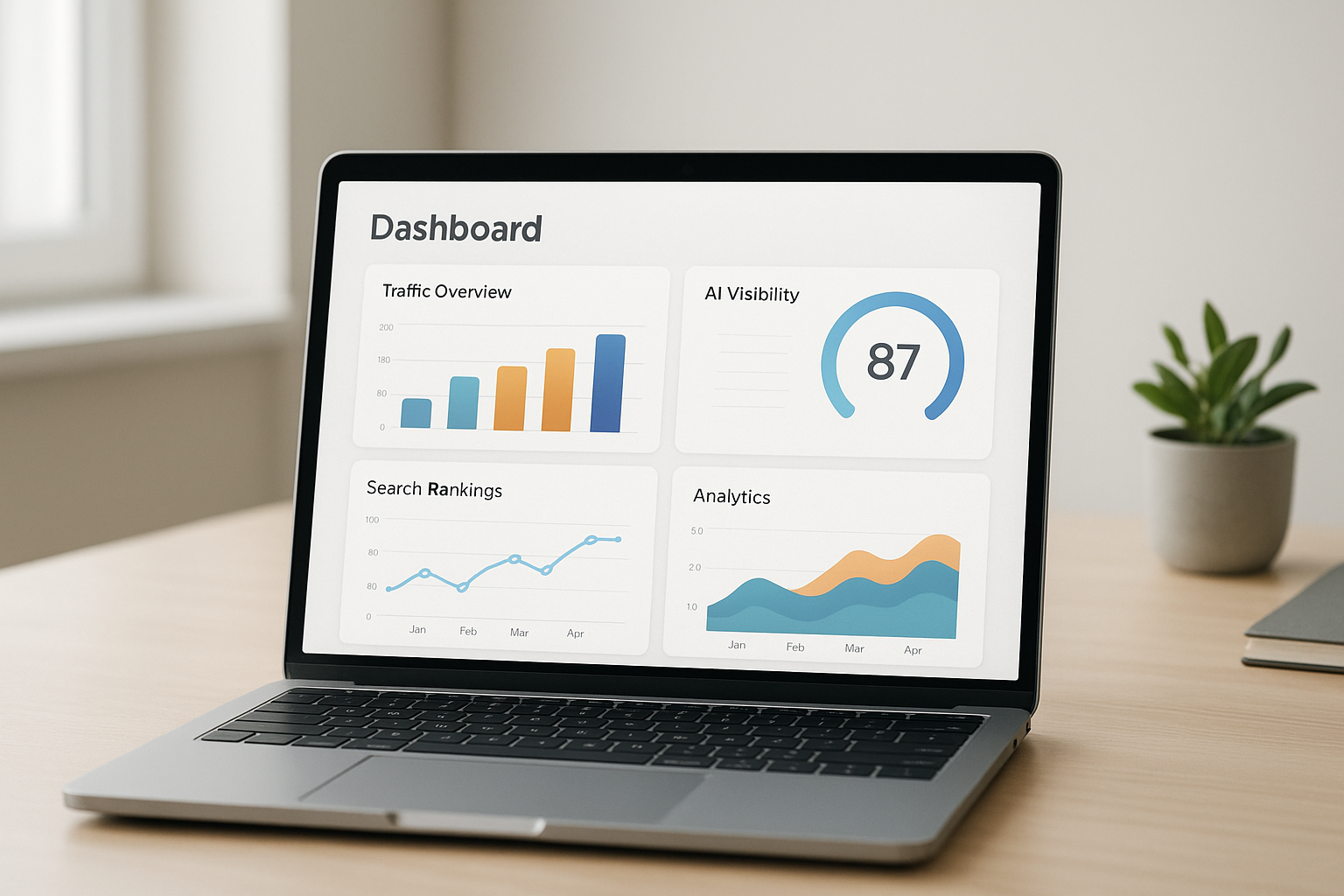
Digital optimization tools consolidate ranking data and AI visibility metrics into a single dashboard, similar to competitive SEO tools.
Why Search Optimization Software Matters in the AI Era
Search behavior is shifting quickly, and therefore optimization strategy must shift with it. Gartner has projected that traditional search engine volume could drop by roughly 25% by 2026 as users increasingly turn to AI chatbots and virtual assistants for direct answers. As a result, businesses that only optimize for classic blue-link results risk losing visibility during this transition.
In contrast, platforms built around generative engine optimization and answer engine optimization prepare content to be understood, summarized, and cited by AI systems such as Google’s AI Overviews or ChatGPT search. Similarly, according to Wikipedia’s overview of search engine optimization, the discipline has always evolved alongside how search engines interpret content — this AI shift is simply its latest phase, not a departure from it.
Furthermore, resources like Google Search Central continue to publish guidance confirming that structured, well-organized content remains a priority even as AI summarization grows more common. If you want a broader view of how AI-driven ranking factors are reshaping SEO strategy generally, this piece on intelligent SEO tools built for AI-driven rankings in 2025 is a useful companion read.
The Shift From Rankings to Citations
Historically, success meant a top-three ranking. Today, however, success increasingly means being the source an AI assistant quotes verbatim. Consequently, digital optimization tools now measure two separate scoreboards at once: your position in classic results, and your citation rate inside generated answers. Ignoring either scoreboard leaves real traffic on the table.
Digital Optimization Tools by Category
Not all digital optimization tools solve the same problem. Therefore, it helps to think of the market in five distinct categories before comparing individual platforms.
1. All-in-One Digital Optimization Suites
These platforms combine keyword tracking, technical audits, content scoring, and AI citation monitoring under one login. Because everything lives in a single dashboard, teams avoid the reporting gaps that come from stitching together five separate subscriptions.
2. GEO and AEO-Specific Trackers
These tools focus narrowly on whether AI assistants mention a brand. They are useful for monitoring citation frequency but, in isolation, do little to fix the underlying technical issues that prevent citation in the first place.
3. Technical SEO Auditors
These platforms crawl a site to flag broken links, duplicate content, slow-loading pages, and missing structured data. They are essential but rarely sufficient on their own, since they don’t address content quality or AI visibility.
4. Content Optimization Platforms
These score drafts for readability, keyword relevance, and topical depth before publishing. Similarly, some now flag whether a paragraph is structured in a way AI models can easily extract and summarize.
5. Automation and Multi-Site Management Platforms
These are built for agencies and larger businesses managing several properties at once. Rather than logging into a dozen accounts, teams get one control panel that applies optimization rules across every client site simultaneously.
Key Features to Look for in Digital Optimization Software
Not every platform offers the same depth of automation. When evaluating options, it helps to compare features side by side, similar to the breakdown found in this guide on tools for improving digital visibility.
- Automated content scoring: Evaluates readability, keyword relevance, and structure in real time before publishing.
- AI citation tracking: Monitors whether AI assistants reference your brand in generated answers, and how often.
- Technical audits: Identifies broken links, slow pages, and missing structured data automatically, without manual crawling.
- Competitor benchmarking: Compares your visibility against similar businesses in your niche, both in search and in AI answers.
- Multi-site management: Useful for agencies handling several client properties from a single dashboard.
- Transparent reporting: Presents ranking, traffic, and citation data in plain language rather than raw exports only specialists can read.
In particular, tools that combine several of these functions into one dashboard, such as those described in this comparison of competitive SEO tools, tend to save teams the most time and reduce subscription fatigue.
How Digital Optimization Tools Work: A Step-by-Step Process
Understanding the underlying process makes it easier to choose and use these platforms effectively. Below is a general workflow that most automated systems follow, from first audit to ongoing refinement.
- Audit your current visibility. Run a full audit of your existing rankings, technical SEO health, and AI search citations before choosing any new software so you know your starting baseline.
- Choose tools matching your goals. Select automated SEO tools that cover both traditional SEO factors and newer generative engine optimization needs, rather than one that only tracks classic keyword rankings.
- Connect your website and content sources. Integrate the chosen software with your CMS, analytics, and search console accounts so it can pull accurate performance data automatically going forward.
- Automate recurring optimization tasks. Turn on automated content scoring, metadata updates, and structured data generation so the platform continuously improves pages without manual intervention every time. For platform-specific approaches see AISEO AI.
- Monitor and refine monthly. Review dashboards monthly to track ranking shifts, AI citation frequency, and traffic changes, then adjust settings based on what the data reveals.
If you’re curious how automation specifically applies to content, this piece on tools that support automated content optimization goes into more technical depth. For site owners still narrowing down which category fits their needs, this breakdown of which tools can automate content optimization for your specific site walks through the decision step by step.
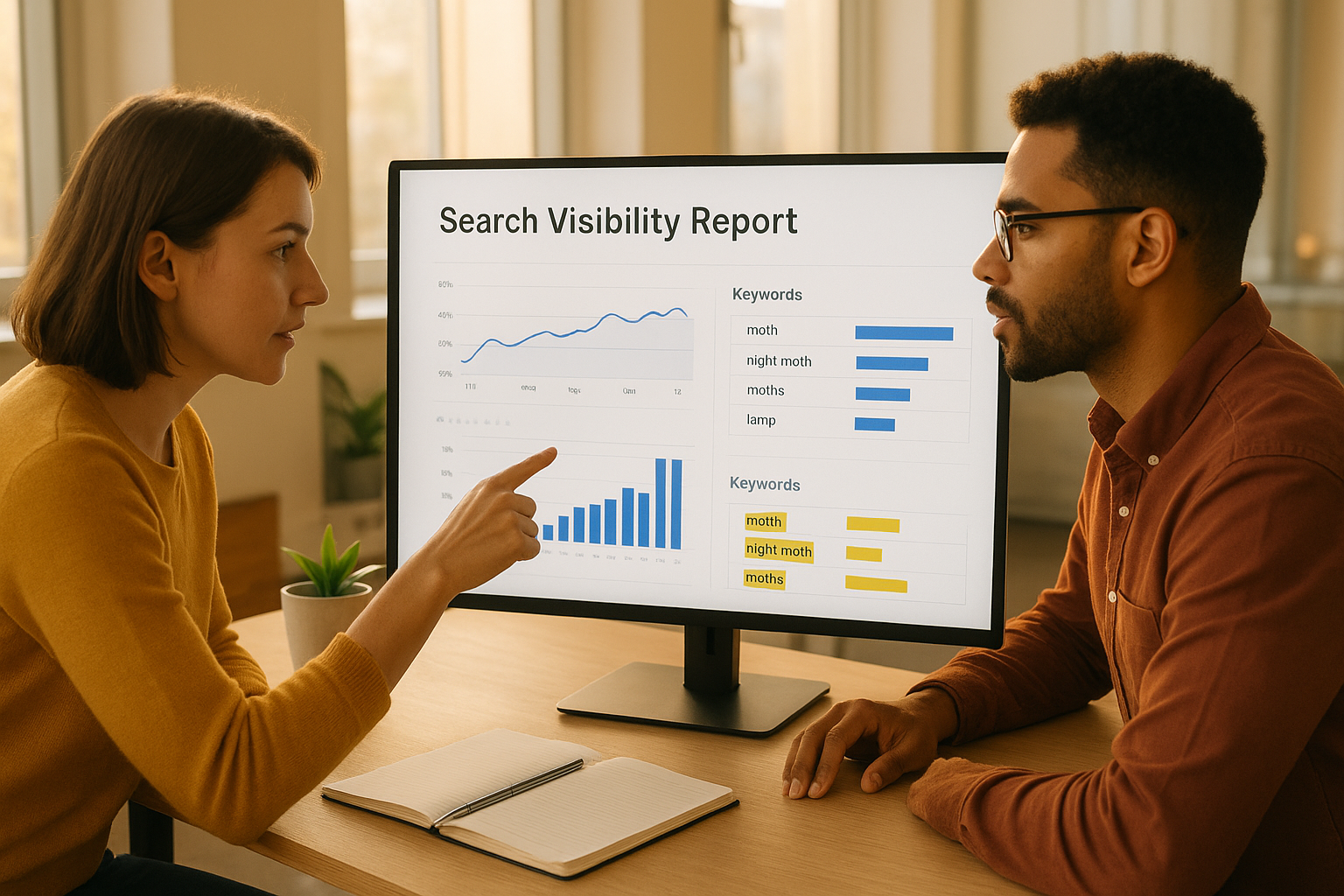
Teams rely on automated reports to guide ongoing optimization decisions.
Top Digital Optimization Tools and Platforms to Consider
There are dozens of platforms on the market, ranging from single-purpose keyword trackers to full automation suites. For instance, RankAuthority’s 1-Click AI AutoPilot technology is built specifically to automate both the technical and strategic sides of GEO and AEO, which removes much of the learning curve typically associated with search optimization software.
Because it’s designed for a broad audience — including small business owners, marketers, entrepreneurs, and agencies — the platform offers a risk-free seven-day trial before any commitment. Whether managing one website or several client accounts, users get automated digital optimization tools that keep working in the background to strengthen search authority. You can explore the full platform at rankauthority.com.
Additionally, businesses evaluating multiple platforms may find it useful to review this guide on the digital optimization platform built for fast performance gains, or this practical breakdown of automated keyword optimization software.
What Separates the Best Platforms From the Rest
Above all, the strongest digital optimization tools share three traits: they update recommendations automatically rather than requiring manual re-audits, they report AI citation data alongside classic rankings, and they scale cleanly from one website to dozens without a pricing cliff. Consequently, evaluating a shortlist against these three traits filters out most weak options quickly.
Digital Optimization Tools Pricing: What You’ll Actually Pay
Pricing for digital optimization tools varies dramatically depending on scope and automation depth. Below is a general sense of what to expect at each tier.
Entry-level tools ($0–$50/month): Usually limited to keyword tracking or a single technical audit feature, with little to no AI citation monitoring.
Mid-tier platforms ($50–$300/month): Typically combine content scoring, technical audits, and basic competitor benchmarking, often with a trial period.
Enterprise and agency suites ($300+/month): Add multi-site management, white-label reporting, and dedicated AI citation tracking across large content libraries.
Consequently, the smartest approach is rarely “cheapest first.” Instead, businesses should map pricing against which of the five categories above they actually need, since paying for enterprise multi-site tools when you run one small website wastes budget just as badly as underpaying for a tool with no AI visibility features.
Common Mistakes When Choosing Optimization Tools
Even with strong software available, mistakes still happen. Specifically, many businesses select a tool based only on price, overlooking whether it supports AI search optimization at all. As a result, they end up with a platform that improves classic rankings but leaves them invisible in AI-generated answers.
Another common error is ignoring data from reputable sources. Public references like the National Institute of Standards and Technology’s AI resources can help teams understand how AI systems process and trust information, which in turn informs smarter tool selection. Similarly, skipping regular audits after setup often causes performance to plateau within a few months, since technical issues quietly resurface as a site grows.
Finally, some teams choose a platform without checking whether it explains its recommendations. In contrast, the best digital optimization tools show their reasoning — for example, why a page’s structured data was flagged — so teams learn as they go rather than blindly clicking “apply.”
How to Measure ROI From Digital Optimization Tools
Buying software is easy; proving it worked is harder. Therefore, it helps to track a small, consistent set of metrics before and after adoption rather than judging a tool by feel.
- Organic traffic trend: Compare the 90 days before and after implementation, not just week-to-week noise.
- Keyword position changes: Track a fixed list of priority keywords rather than every keyword the tool surfaces.
- AI citation frequency: Note how often your brand appears in AI-generated answers for target queries, if the tool reports this.
- Time saved per week: Estimate hours no longer spent on manual audits, since automation’s real value is often time, not just rankings.
For a deeper walkthrough of tying these metrics back to actual business performance, this guide on how automated tools can boost your SEO performance covers the measurement process in more detail.
Digital Optimization Tools for Agencies, E-Commerce, and Enterprise Teams
Different business types lean on digital optimization tools in different ways. Understanding these use cases helps clarify which features actually matter for your situation.
Agencies Managing Multiple Clients
Agencies need white-label reporting and multi-site dashboards above almost everything else. Otherwise, account managers waste hours manually compiling updates for every client separately.
E-Commerce Sites With Large Catalogs
E-commerce sites benefit significantly since product pages need continuous optimization for keywords, structured data, and comparison-style AI queries. Automated tools can manage this at scale across thousands of listings, something a manual process simply cannot keep pace with.
Enterprise Teams With Compliance Needs
Larger organizations often require audit trails and permission controls, since multiple stakeholders touch the same content. Consequently, enterprise-grade digital optimization tools typically add role-based access and change logs that smaller platforms skip.
Frequently Asked Questions About Digital Optimization Tools
What are digital optimization tools?
Digital optimization tools are software platforms that analyze, adjust, and monitor a website’s content and technical structure to improve rankings across search engines and AI answer engines. They automate tasks like keyword analysis, content scoring, and performance tracking.
How do digital optimization tools improve AI search visibility?
They restructure content, headings, and metadata so AI systems like ChatGPT and Google AI Overviews can easily extract and cite information. Many also monitor how often a brand appears in AI-generated answers.
Are digital optimization tools different from traditional SEO software?
Yes. Traditional SEO software focuses mainly on keyword rankings in classic search results, while modern digital optimization tools also target generative engine optimization and answer engine optimization for AI-driven search.
How much do digital optimization tools cost?
Pricing varies widely, from free basic tools to enterprise platforms costing several hundred dollars monthly. Many automated platforms, including RankAuthority, offer a risk-free seven-day trial before committing to a paid plan.
How long does it take to see results from optimization tools?
Most businesses see measurable improvements within four to twelve weeks, depending on site authority and competition. However, AI search visibility gains can sometimes appear faster than traditional ranking improvements.
What features should I look for in digital optimization tools?
Look for automated content audits, structured data generation, AI citation tracking, and competitor analysis. Automation reduces the manual workload while still delivering strategic, data-backed recommendations.
Can small businesses benefit from digital optimization tools?
Absolutely. Small businesses often lack in-house SEO expertise, so automated platforms remove the technical barrier and let owners focus on running their business while the software handles optimization.
What is the biggest mistake businesses make when choosing optimization tools?
The most common mistake is choosing a tool based solely on price without checking whether it supports AI search optimization. Ignoring answer engine visibility can leave a brand invisible in AI-generated results.
Do digital optimization tools work for e-commerce sites?
Yes, e-commerce sites benefit significantly since product pages need continuous optimization for keywords, structured data, and comparison-style AI queries. Automated tools can manage this at scale across thousands of listings.
How do digital optimization tools differ from hiring an SEO agency?
Agencies rely on manual strategy and human hours, which can be costly and slow. Digital optimization tools automate repetitive tasks, offering faster iteration and lower ongoing costs, though some businesses combine both approaches.
Is it safe to automate search optimization with software?
When tools follow search engine guidelines, automation is safe and often reduces human error. It’s important to choose platforms that align with published guidance from sources like Google Search Central.
Can digital optimization tools track AI chatbot mentions?
Some advanced platforms now monitor whether a brand or website is cited by AI assistants and chatbots. This citation tracking is a growing feature category within answer engine optimization.
How do I calculate ROI from digital optimization tools?
Track organic traffic before and after adoption, monitor a fixed list of priority keyword positions, and log hours saved on manual audits. Together, these three numbers give a realistic picture of value.
Do digital optimization tools replace the need for original content?
No. These platforms improve structure, technical health, and discoverability, but they do not replace the need for genuinely useful, well-researched writing that answers a reader’s actual question.
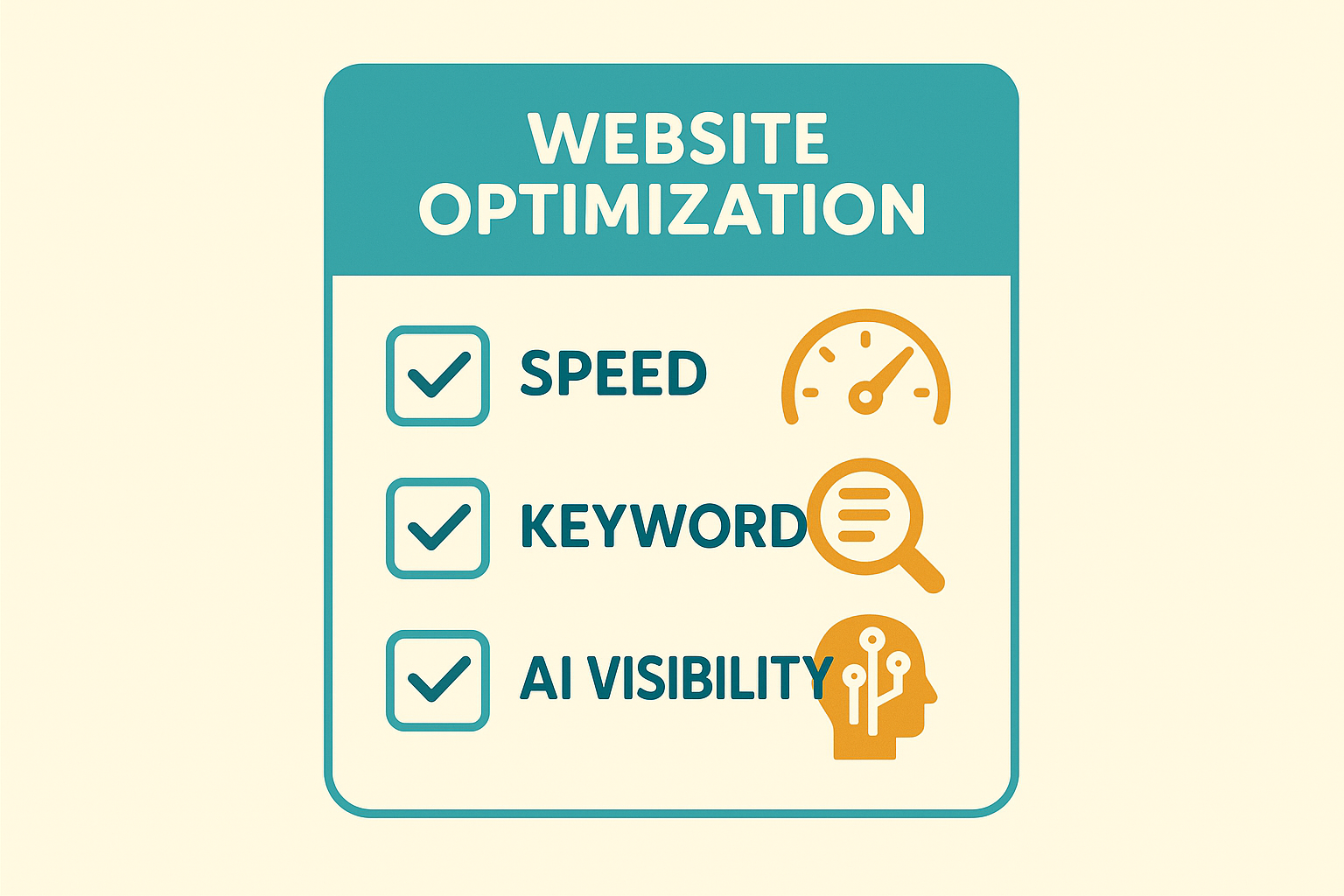
A simple checklist helps teams track progress when rolling out new optimization software.
Final Thoughts on Choosing the Right Digital Optimization Tools
In summary, digital optimization tools have become essential as search shifts toward AI-driven answers rather than simple ranked lists. Therefore, businesses that combine traditional SEO practices with generative and answer engine optimization stand a much better chance of staying visible in both worlds at once. Whether you manage one site or several, choosing automated software that handles both technical and strategic work, similar to what’s outlined in this guide, can save significant time while improving results.
Ultimately, the right digital optimization tools should fit your specific goals, budget, and technical comfort level. As a next step, reviewing a risk-free trial option, like the one available at rankauthority.com, can help you evaluate real performance before committing long term. By RankAuthority Editorial Team. Last updated: 2026-08-14.

