

SEO automation tools for marketing agencies are reshaping how digital teams manage rankings, technical fixes, and content strategy at scale. Instead of manually auditing dozens of client websites every month, agencies now lean on automated platforms that handle repetitive optimization tasks in minutes rather than hours. This shift matters because search itself is changing fast, as AI-powered answer engines now sit alongside traditional Google results. For agencies juggling multiple clients, the right automation stack can mean the difference between steady growth and constant firefighting.
Quick answer: SEO automation tools for marketing agencies are software platforms that handle technical audits, on-page fixes, schema markup, and rank tracking automatically instead of requiring manual work for every client site. They combine AI-driven analysis with one-click deployment, turning hours of manual labor into background workflows.
What Are SEO Automation Tools for Marketing Agencies?
As mentioned above, SEO automation tools for marketing agencies are platforms built to remove repetitive manual work from search optimization. Specifically, they scan websites for technical errors, generate schema markup automatically, and often push fixes live without a developer touching the code. In addition, many modern platforms now track how often a client’s content gets cited inside AI-generated answers, not just where it ranks in traditional search results.
According to Wikipedia’s overview of search engine optimization, SEO has always involved technical, on-page, and off-page factors working together. Consequently, automation platforms try to cover all three layers at once, rather than forcing agencies to juggle separate tools for each task.
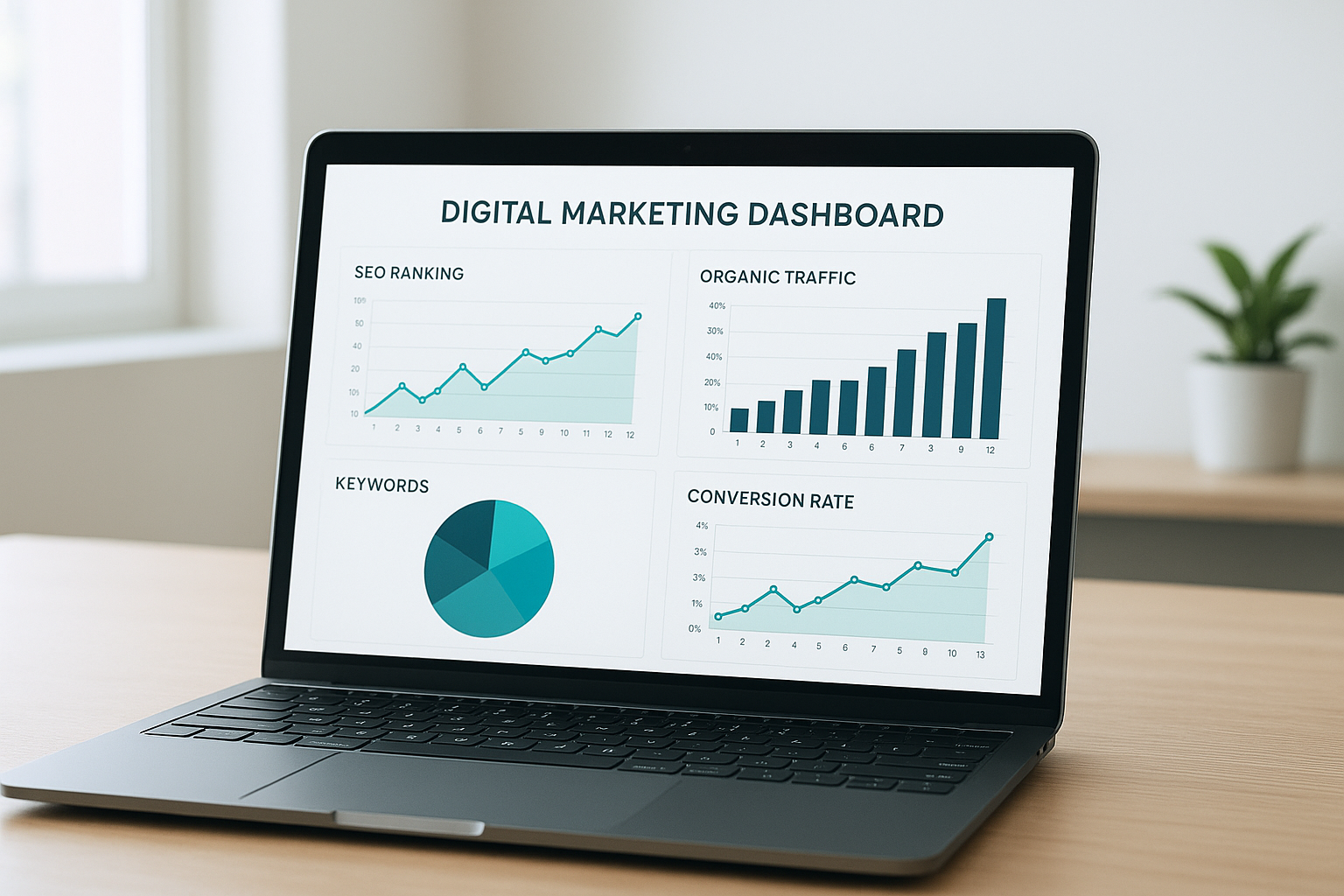
SEO automation tools for marketing agencies consolidate audits, fixes, and rank tracking into a single dashboard.
Why Agencies Need Automated SEO Software Today
Agencies today manage far more client accounts than they did five years ago, yet team sizes have not grown at the same pace. Therefore, automated SEO software has become less of a luxury and more of an operational necessity. Without it, a single technical error across ten client sites could take days to find and fix manually.
Industry surveys, including analysis referenced by Search Engine Journal, suggest that more than 60% of agencies now use some form of SEO automation to manage client workloads. That figure has climbed steadily as AI-driven platforms matured. As a result, agencies that resist automation risk losing bids to competitors who can deliver results faster. Platforms like the one described at SEO software built for agencies to scale client rankings illustrate how quickly this space has matured.
The Growing Complexity of Search Optimization
Search optimization used to mean keywords and backlinks. Now, it includes structured data, page experience signals, and AI citation eligibility. In particular, Google’s own SEO starter guide outlines dozens of technical factors that affect visibility. Manually tracking all of them across many client sites is simply not realistic without automation support.
Key Features to Look for in Agency SEO Automation Platforms
Not every automated SEO software product is built the same way. Some tools focus purely on technical audits, while others extend into content creation and AI visibility monitoring. Below is a practical checklist agencies can use when comparing platforms.
For a closer look at how one-click deployment works in practice, agencies can review this breakdown of a 1-click SEO automation tool built for faster rankings.
How AI-Powered SEO Tools Improve Client Results
AI-powered SEO tools follow a fairly consistent workflow once connected to a client’s website. Understanding this process helps agencies explain the value of automation to skeptical clients.
- Audit the client’s website and competitors automatically using AI-driven crawlers that scan technical, on-page, and content signals within minutes.
- Generate a prioritized action plan that ranks fixes by impact, so agencies know exactly which technical errors, schema gaps, or content issues to address first.
- Deploy fixes automatically across supported CMS platforms like WordPress, Shopify, and Webflow, eliminating the need for manual code edits on every client site.
- Monitor AI visibility and citation tracking across major answer engines to confirm the client’s content appears in AI-generated responses and featured snippets.
- Report ranking changes and Rank Authority Score improvements back to the client through automated dashboards that show measurable progress over time.

Agencies use automated reporting to show clients measurable ranking progress each month.
Top Use Cases for SEO Automation in Agency Workflows
Beyond audits and fixes, automation supports several everyday agency tasks. For instance, onboarding new clients becomes faster when a platform can scan a site and generate a baseline report instantly. Similarly, ongoing client communication improves when automated dashboards give account managers real data to reference during calls.
Agencies looking to strengthen client relationships through transparent reporting can review these approaches to engaging clients using automated SEO reporting. In practice, showing clients exactly what changed and why builds far more trust than vague monthly summaries.
GEO and AEO: The New Frontier for Agency SEO Tools
Traditional ranking factors still matter, but Generative Engine Optimization, or GEO, focuses specifically on getting content cited inside AI-generated answers. Meanwhile, Answer Engine Optimization, known as AEO, structures content so it qualifies for featured snippets and direct AI responses. Together, these two disciplines represent where search is heading next.
Why Answer Engine Optimization Matters Now
Because AI answer engines summarize information rather than listing ten blue links, structured data becomes essential. Specifically, schema.org’s structured data vocabulary gives search systems a shared language to interpret page content accurately. As a result, agencies that automate schema deployment gain an edge in AI visibility that manual teams often struggle to match at scale.
Choosing the Right SEO Automation Tool for Your Agency
Selecting a platform depends on client mix, budget, and technical needs. Small agencies with a handful of clients might prioritize simple one-click fixes, while larger agencies managing dozens of accounts may need deeper competitor intelligence and internal linking automation. Either way, it helps to start with a free diagnostic scan before committing to a paid plan.
A helpful starting point is this guide on how to simplify a website’s SEO with automation, which walks through the basic decision points step by step. Agencies can also explore rankauthority.com directly for a free site scan before comparing pricing tiers.
Common Mistakes Agencies Make When Adopting Automation
Even good tools fail when implemented poorly. One frequent mistake is turning on full automation without reviewing changes first, which can occasionally affect sensitive pages like pricing or legal content. Another mistake is expecting automation to replace strategic thinking entirely, rather than treating it as a support system for human judgment.
For a broader comparison of platforms currently available, agencies can check this roundup of SEO tools for digital agencies and top picks for 2025. Reviewing multiple options before committing tends to reduce buyer’s remorse later.
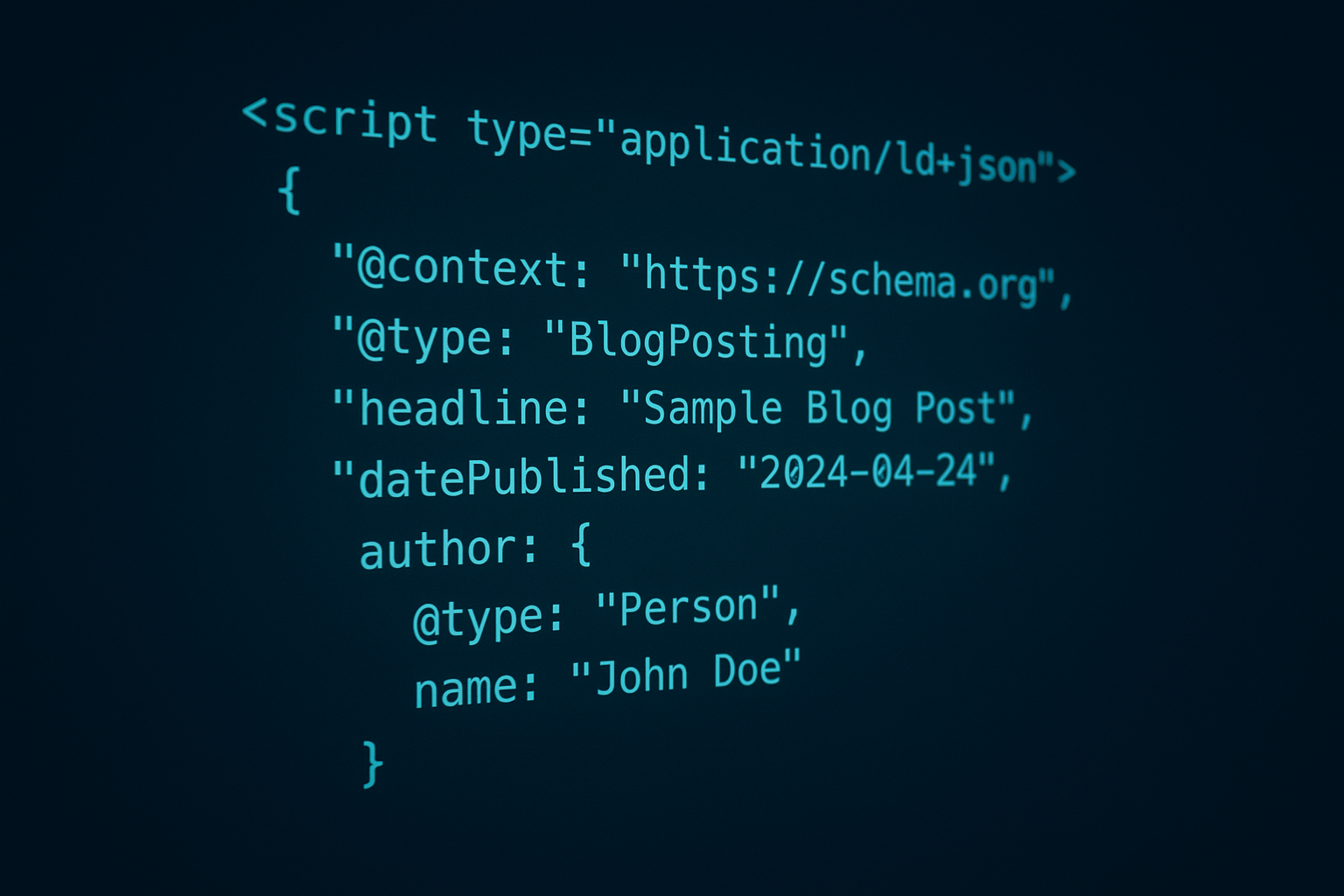
Automated schema markup helps agency clients qualify for rich results and AI citations.
Frequently Asked Questions About SEO Automation Tools for Marketing Agencies
What are SEO automation tools for marketing agencies?
SEO automation tools for marketing agencies are software platforms that handle technical audits, on-page fixes, schema markup, and rank tracking automatically instead of requiring manual work on every client site. They let agencies manage more clients without adding headcount.
How do SEO automation tools save time for agencies?
These tools crawl entire websites in minutes, flag issues automatically, and often deploy fixes directly through CMS integrations. This removes hours of manual auditing and coding that would otherwise fall on account managers.
Why should agencies use automated SEO software instead of manual processes?
Automated SEO software reduces human error, speeds up delivery, and scales across dozens of client accounts at once. Manual processes simply cannot keep pace with the volume of technical checks modern search engines require.
What is the difference between SEO automation and traditional SEO services?
Traditional SEO services rely heavily on manual research and hands-on implementation, while automation platforms use AI to detect and fix issues at scale. Most agencies now blend both approaches for strategy and execution.
How much do SEO automation tools cost for agencies?
Pricing varies widely, from free diagnostic tools to monthly platform subscriptions priced per client site or per feature tier. Agencies should compare cost against the hours saved on manual audits and fixes.
How long does it take to see results from SEO automation?
Technical fixes and schema deployment can show measurable crawl and indexing improvements within a few weeks. Ranking gains typically take longer, often two to four months, depending on competition and content quality.
What common mistakes do agencies make when adopting SEO automation?
A common mistake is treating automation as a replacement for strategy rather than a support tool. Agencies also fail to review automated changes before publishing, which can occasionally introduce errors on sensitive pages.
What features should agencies look for in an SEO automation platform?
Look for automated technical audits, one-click fixes, schema markup generation, AI visibility tracking, and CMS integrations for platforms like WordPress and Shopify. Reporting dashboards for client transparency also matter.
Can SEO automation tools handle Generative Engine Optimization (GEO)?
Yes, newer platforms build GEO-focused artifact pages designed specifically to be cited by AI answer engines. This is becoming a standard feature alongside traditional ranking tools.
How do SEO automation tools support Answer Engine Optimization (AEO)?
AEO-focused features format content and schema so it qualifies for featured snippets and direct AI answers. This includes structured Q&A blocks, direct-answer summaries, and validated JSON-LD markup.
Are SEO automation tools suitable for small agencies?
Small agencies often benefit the most since automation lets a lean team manage a larger client roster. Many platforms offer tiered pricing designed for smaller operations.
Do SEO automation tools replace human SEO strategists?
No, automation handles repetitive technical work, but strategy, client communication, and content judgment still require human expertise. The best results come from combining automated execution with strategic oversight.
How does schema markup automation help agency clients rank better?
Automated schema markup helps search engines and AI systems understand page content accurately, which improves eligibility for rich results and AI citations. This is especially valuable for agencies managing many client sites at once.
Final Thoughts
In summary, SEO automation tools for marketing agencies are no longer optional extras; they have become core infrastructure for agencies managing multiple client accounts under fast-changing search conditions. From automated technical fixes to GEO and AEO features designed for AI answer engines, the right platform can save significant time while improving client outcomes. Ultimately, agencies that combine automation with human strategic oversight tend to see the strongest, most sustainable results over time.

