

AI-powered digital marketing optimization is reshaping how businesses get found online, blending automated technical fixes with content built specifically for search engines and AI answer platforms. Instead of relying only on manual audits and guesswork, marketers now use machine learning tools to diagnose issues, fix them, and track visibility across both classic search results and AI-generated answers. For small businesses and agencies alike, this shift means faster results with far less manual labor.
Direct answer: AI-powered digital marketing optimization uses automated tools and machine learning to improve technical SEO, content structure, and schema markup so a website ranks better in search engines and gets cited more often by AI answer engines like chatbots and generative search summaries.
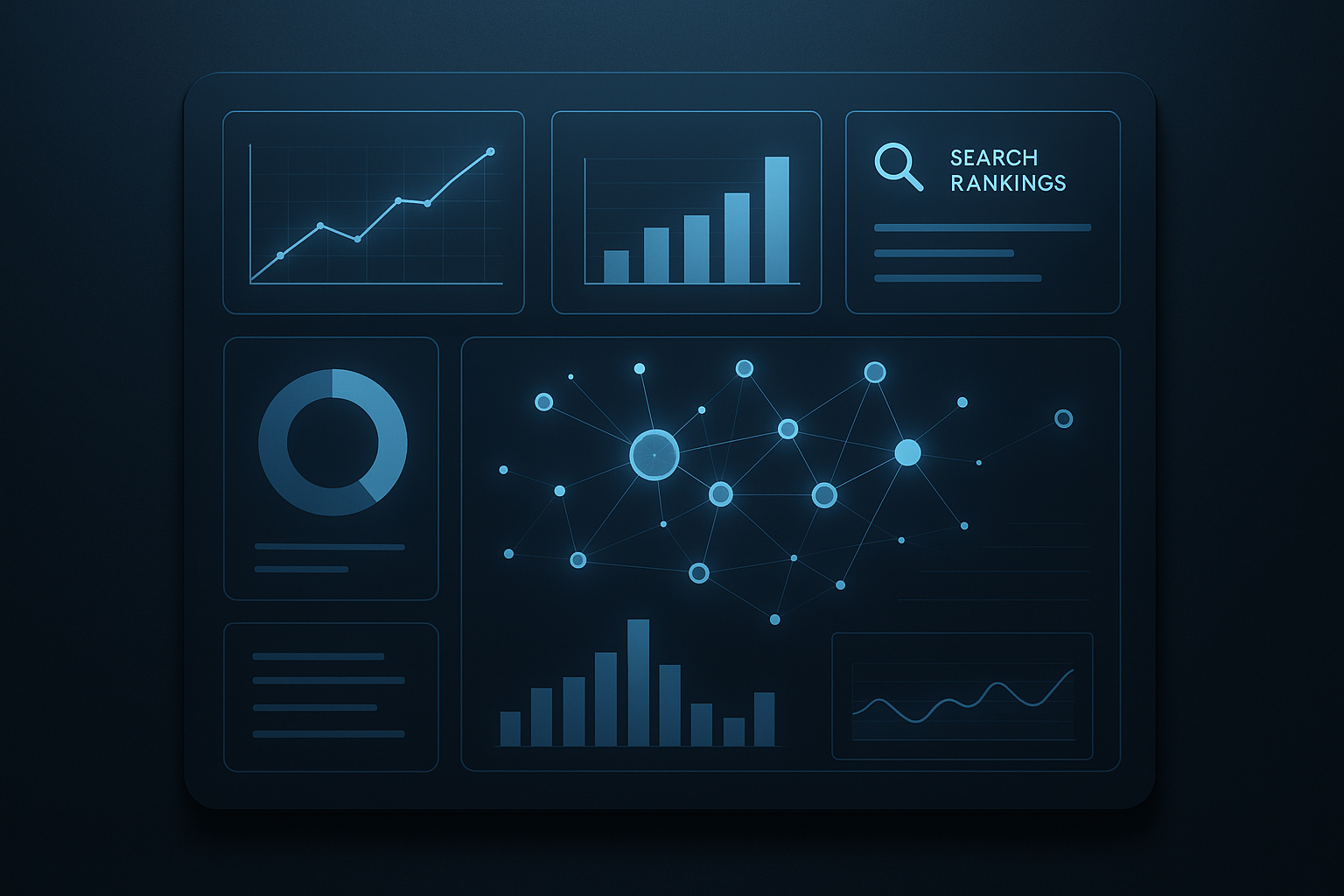
A visual representation of AI-powered digital marketing optimization tracking search and AI citation performance.
What Is AI-Powered Digital Marketing Optimization?
AI-powered digital marketing optimization is the practice of using automated software and machine learning models to improve a brand’s visibility across search engines, answer boxes, and generative AI platforms. Rather than manually checking each page for broken links, missing schema, or slow load times, businesses deploy tools that scan, diagnose, and often fix these issues automatically.
In addition, this approach extends beyond classic SEO. It also covers Generative Engine Optimization (GEO), which builds content specifically designed to be cited by AI chatbots, and Answer Engine Optimization (AEO), which structures answers so they can be pulled directly into featured snippets. Together, these disciplines form a complete strategy for staying visible as search behavior evolves.
Why AI-Driven Marketing Optimization Matters Right Now
Search behavior has changed dramatically over the past two years. Increasingly, users ask questions directly to AI assistants instead of scrolling through ten blue links. As a result, businesses that fail to structure their content for AI comprehension risk losing visibility even if their traditional rankings remain stable.
According to industry research from HubSpot’s annual marketing surveys, a majority of marketers now report using some form of AI tool in their daily workflow, with adoption rates climbing well above 60% by 2024. Similarly, Google’s own documentation confirms that structured data and clear content organization directly influence eligibility for rich results and AI overviews, as detailed in Google’s Search Central guidance. For a deeper look at how automation is reshaping campaigns, this guide to AI insights for marketers breaks down current trends.
Core Components of Smart Marketing Optimization
Effective AI-powered digital marketing optimization rests on a few core pillars. Understanding each one helps businesses prioritize where to invest first.
Technical SEO Automation
Technical fixes, such as correcting crawl errors, compressing images, and improving page speed, form the foundation. Automated platforms scan an entire site and apply corrections without requiring a developer for every change.
Structured Data and Schema Markup
Schema markup tells search engines and AI systems exactly what a page contains. Consequently, pages with accurate schema are far more likely to appear in rich snippets and be cited by generative AI tools. The underlying AI models powering these engines rely heavily on well-structured, unambiguous data.
AI Visibility Monitoring
Unlike traditional rank tracking, AI visibility monitoring tracks how often a brand is cited inside AI-generated answers. This is a relatively new but increasingly important metric, since generative search summaries now appear above traditional results for many queries.
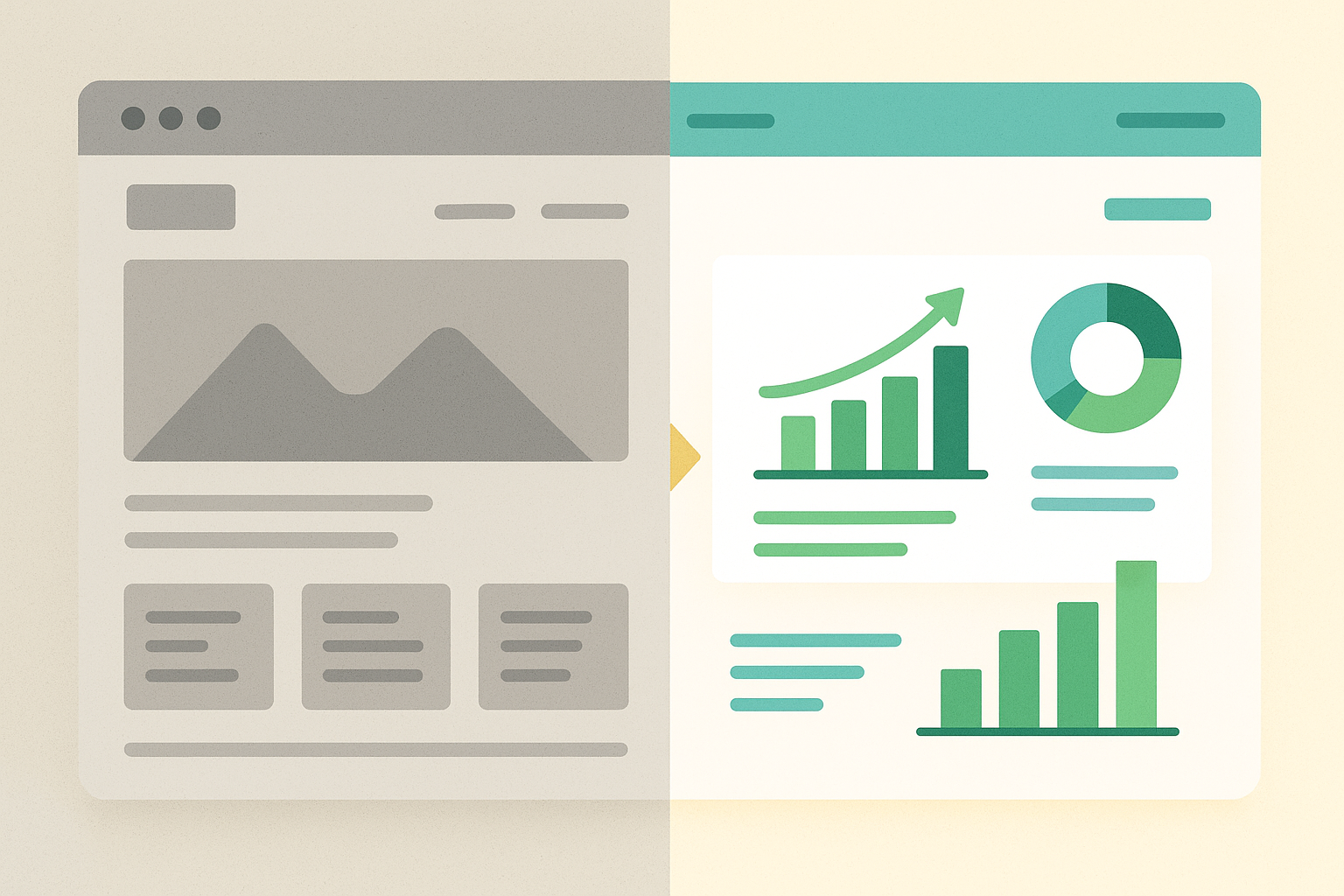
Automated fixes often produce measurable improvements in site health and visibility scores.
How to Implement AI-Powered Digital Marketing Optimization
Getting started does not require a complete rebuild of an existing marketing stack. Instead, follow a structured rollout to avoid disruption while capturing quick wins.
- Audit current performance: Run a full site audit to identify technical SEO issues, missing schema, slow page speed, and broken links before making any changes.
- Deploy automated fixes: Use an automated platform to apply technical and on-page corrections, including metadata, structured data, and internal linking improvements.
- Build AI-citable content: Create structured, data-backed content and dedicated answer sections formatted specifically so AI engines and featured snippets can cite it directly.
- Monitor AI visibility: Track how often the site appears in AI answer platforms and search results, adjusting content and schema based on citation performance data.
- Automate ongoing maintenance: Schedule recurring automated scans and fixes so technical SEO health and AI visibility remain strong without constant manual intervention.
For a broader view of how these steps fit into a complete strategy, this complete guide to AI technology in digital marketing covers additional implementation details.
Tools That Power AI Marketing Optimization
Several categories of tools support this workflow. Free diagnostic tools, such as an AI visibility checker or a site audit checker, help identify problems before committing to a paid platform. From there, businesses often adopt automated solutions like RankAuthority’s 1-Click AI AutoPilot, which handles technical fixes, schema generation, and AI Blog Builder content publishing from a single dashboard.
Additionally, competitor analysis tools such as RankFast can rebuild underperforming pages to outrank rivals, while RankLink automates internal linking structure. Businesses evaluating options can also review this roundup of effective digital marketing tools for a wider comparison of what is available in 2026.
Common Mistakes to Avoid
Even with strong tools, certain mistakes undermine results. First, many businesses skip schema markup entirely, assuming quality content alone is enough. However, without structured data, AI systems struggle to extract clear answers.
Second, some teams publish thin content without supporting data or citations, which reduces the likelihood of being referenced by generative engines. Third, failing to monitor results after implementation means issues can resurface unnoticed. For a data-backed approach to avoiding these pitfalls, this growth guide to data-driven digital marketing offers useful benchmarks.
Measuring Success With AI Marketing Automation
Success should be measured across several dimensions rather than a single metric. Organic traffic growth remains important, but AI citation frequency, featured snippet appearances, and overall site health scores now matter just as much.
Furthermore, businesses should track conversion rate changes alongside visibility metrics, since increased traffic only matters if it translates into leads or sales. Regulatory bodies like the Federal Trade Commission also encourage transparency when AI tools influence marketing claims, which is worth keeping in mind when automating content at scale. For strategic frameworks around this kind of measurement, see this overview of AI solutions for digital marketing that drive results.
Frequently Asked Questions About AI-Powered Digital Marketing Optimization
What is AI-powered digital marketing optimization?
AI-powered digital marketing optimization is the use of machine learning and automation tools to improve website visibility, content performance, and campaign results across search engines and AI answer platforms. It combines traditional SEO with newer disciplines like GEO and AEO to keep brands visible as search evolves.
How does AI-powered digital marketing optimization differ from traditional SEO?
Traditional SEO focuses mainly on ranking in classic search engine results pages, while AI-powered digital marketing optimization also targets AI chatbots, generative search summaries, and answer engines. As a result, it requires structured data, citation-friendly content, and continuous automated monitoring.
Why is AI-powered digital marketing optimization important for small businesses?
Small businesses often lack the time and staff for manual SEO audits, so automation levels the playing field against larger competitors. Consequently, AI-driven tools can identify and fix technical issues faster than manual processes, freeing owners to focus on running their business.
How much does AI-powered digital marketing optimization cost?
Costs vary widely, from free diagnostic scans to monthly subscriptions for automated platforms that handle technical fixes, schema generation, and content publishing. In general, automated platforms cost less than hiring a full in-house SEO team.
How long does it take to see results from AI-driven marketing optimization?
Technical fixes like schema markup can show measurable improvements within a few weeks, while organic ranking and AI citation gains typically take two to four months. Consistency and ongoing monitoring speed up the timeline considerably.
What tools are used for AI-powered digital marketing optimization?
Common tools include automated SEO auditors, schema markup generators, AI visibility trackers, and content builders that publish AEO- and GEO-optimized pages. Many platforms bundle these functions together for a single automated workflow.
What is the difference between GEO, AEO, and SEO?
SEO optimizes for traditional search rankings, AEO structures content so it can be pulled directly into featured snippets and voice answers, and GEO builds content designed to be cited by generative AI engines like chatbots. Together they form a complete AI-era visibility strategy.
Can AI-powered digital marketing optimization replace human marketers?
No, automation handles repetitive technical and structural tasks, but human marketers still guide strategy, brand voice, and creative decisions. The most effective approach pairs AI automation with human oversight.
What are common mistakes businesses make with AI marketing optimization?
Common mistakes include ignoring schema markup, publishing thin content without citation-worthy data, and failing to monitor AI visibility after implementation. Skipping regular audits also allows technical issues to resurface unnoticed.
How do I measure the success of AI-powered digital marketing optimization?
Key metrics include organic traffic growth, featured snippet appearances, AI citation frequency, and conversion rate changes over time. Tracking a Rank Authority-style score alongside these metrics gives a clearer overall picture.
Is AI-powered digital marketing optimization suitable for agencies?
Yes, agencies use automated platforms to manage multiple client sites efficiently, scaling technical SEO, schema deployment, and content production without proportionally increasing headcount. This makes it especially valuable for agencies managing several accounts at once.
What industries benefit most from AI-powered digital marketing optimization?
Service-based businesses, e-commerce brands, and local businesses competing in crowded markets tend to see the fastest gains. However, virtually any industry with an online presence can benefit from improved AI and search visibility.
How does schema markup support AI-powered digital marketing optimization?
Schema markup gives search engines and AI systems structured context about a page’s content, making it easier for them to extract accurate answers and citations. Without it, even high-quality content may be overlooked by answer engines.
Final Thoughts
In summary, AI-powered digital marketing optimization is no longer optional for businesses that want to stay visible as search shifts toward AI-driven answers. By combining technical automation, structured schema, and citation-ready content, brands can maintain strong performance in both traditional rankings and generative AI results. Businesses ready to explore this shift can start with a free diagnostic scan at rankauthority.com to see where their current visibility stands before scaling up automation.

