

Multi-site SEO automation software helps agencies and business owners manage rankings, technical fixes, and content across dozens of websites without repeating manual work for each domain. As search shifts toward AI-generated answers, in addition to traditional rankings, teams need one system that keeps every site’s schema, links, and content in sync. Consequently, marketers who oversee multiple client accounts or brand microsites are turning to automated platforms instead of juggling spreadsheets and separate plugins. This guide explains what the software actually does, the features worth prioritizing, and how a platform like RankAuthority streamlines the process from a single dashboard.
Direct answer: Multi-site SEO automation software is a platform that audits, optimizes, and monitors SEO, GEO, and AEO signals across many websites simultaneously, using automated workflows instead of manual, site-by-site edits. It usually combines technical audits, schema deployment, content generation, and AI visibility tracking into one dashboard.
What Is Multi-Site SEO Automation Software?
In short, multi-site SEO automation software is a tool built to handle repetitive optimization tasks across a portfolio of domains rather than one site at a time. Instead of logging into ten separate WordPress dashboards, a team can push a fix once and apply it everywhere.
Most platforms combine several functions. Technical crawling finds broken links, slow pages, and missing tags. Schema generation adds structured data so search engines and AI answer engines, such as those referenced in Google Search Central, understand the page content. Content tools, like an AI blog builder, keep every site publishing fresh material. Finally, reporting rolls every domain into a single authority score, similar to how search engine optimization has traditionally been tracked, but now at a portfolio level.
Because AI answer engines pull from structured, well-cited content, this software increasingly layers Generative Engine Optimization and Answer Engine Optimization on top of classic SEO. That combination is why tools built for this purpose look different from a single-site plugin.
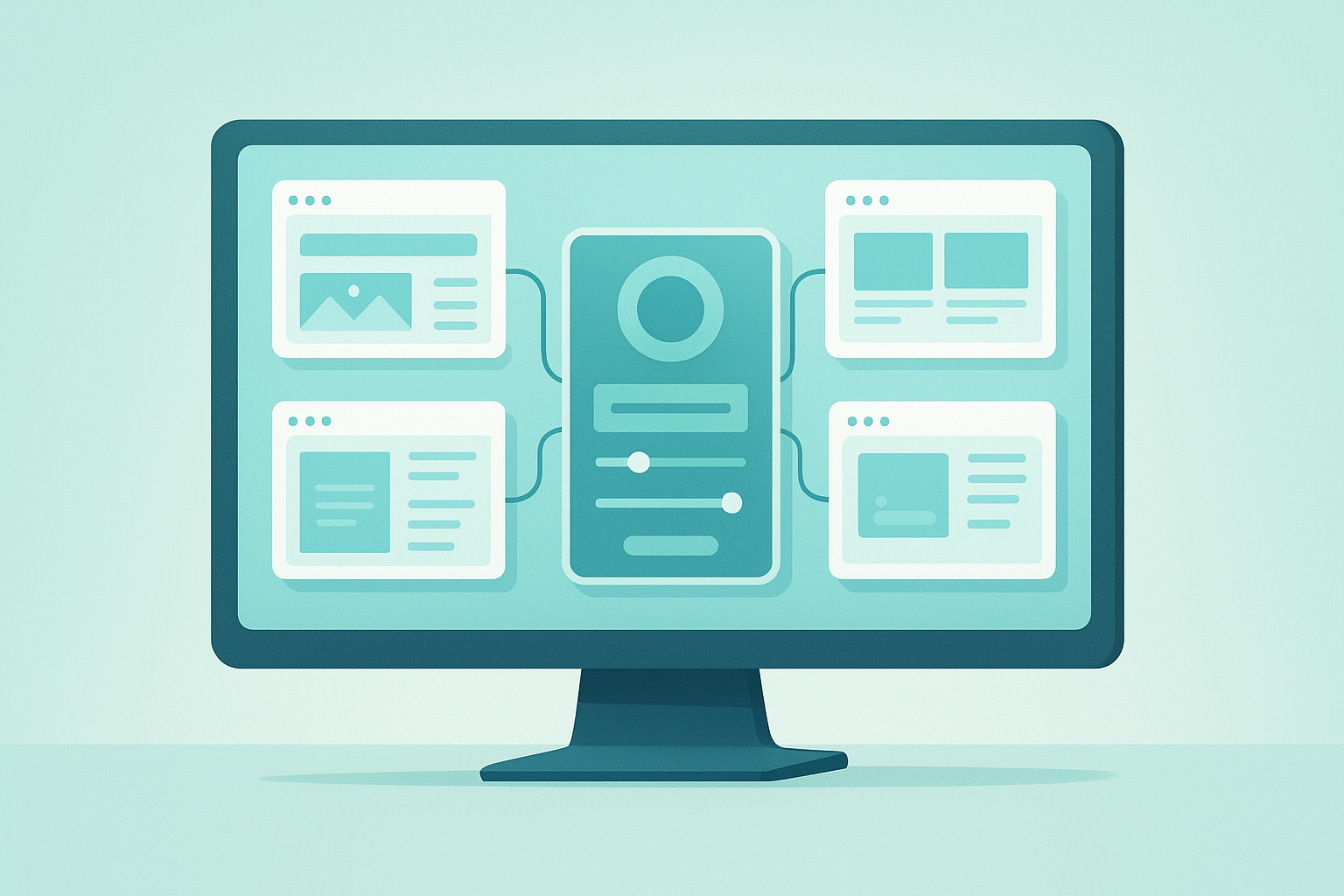
A centralized dashboard is the core of most multi-site SEO automation software platforms.
Why Multi-Website SEO Management Gets Complicated Fast
Managing one website’s SEO is manageable with a checklist. However, multi-website SEO management multiplies every task by the number of domains involved, and small inconsistencies compound quickly.
For example, a broken internal link on one site might be a minor issue. Across twenty client sites, that same mistake pattern, repeated, can quietly drag down an entire portfolio’s rankings. Similarly, inconsistent schema markup means some pages qualify for rich results while nearly identical pages on another domain do not.
Reporting fragmentation adds another layer of difficulty. Without a unified view, teams often discover ranking drops weeks late because each site’s data lives in a different tool. As a result, many agencies now rely on automated SEO workflows to catch these problems before they affect client results.
Time cost is the final pressure point. A single technical audit might take an hour manually. Multiply that by fifty sites, and the workload becomes unsustainable without automation, especially for small teams already stretched thin.
Key Features to Look for in Cross-Site SEO Automation Tools
Not every platform labeled as cross-site SEO automation tools offers the same depth. Therefore, it helps to compare specific capabilities before choosing one.
- Automated technical audits: Continuous scanning for crawl errors, page speed issues, and broken links across every connected domain.
- Bulk schema deployment: Structured data generation that follows guidelines from Schema.org, applied consistently across pages.
- AI visibility monitoring: Tracking how often each site gets cited inside AI-generated answers, not just traditional rankings.
- Competitor and keyword gap analysis: Identifying what rival pages rank for that a given site is missing.
- CMS integrations: Native support for WordPress, Shopify, Wix, Webflow, GoDaddy, and GoHighLevel so fixes deploy without manual code edits.
For a broader comparison of platforms, see this roundup of tools for automating SEO across multiple websites.
How to Automate SEO Across Multiple Websites
Rolling out automation in a specific order reduces errors and keeps every site’s data clean from the start.
- Audit every connected site. Run a full technical and on-page audit first so the software establishes a baseline score and flags priority issues like broken links or missing schema.
- Centralize technical fixes. Apply corrections for crawl errors and page speed from one dashboard instead of repeating the same edits inside each site’s backend.
- Deploy schema and content templates. Publish structured data and AI-generated content across sites, adjusting for local intent so pages avoid duplicate content problems.
- Monitor AI visibility and rankings. Track citations in AI answer engines alongside traditional rankings through consolidated reporting rather than separate tools per site.
- Refine internal linking and silos. Use topical siloing automation, such as tools built for managing multiple website SEO, to strengthen authority signals across related pages.
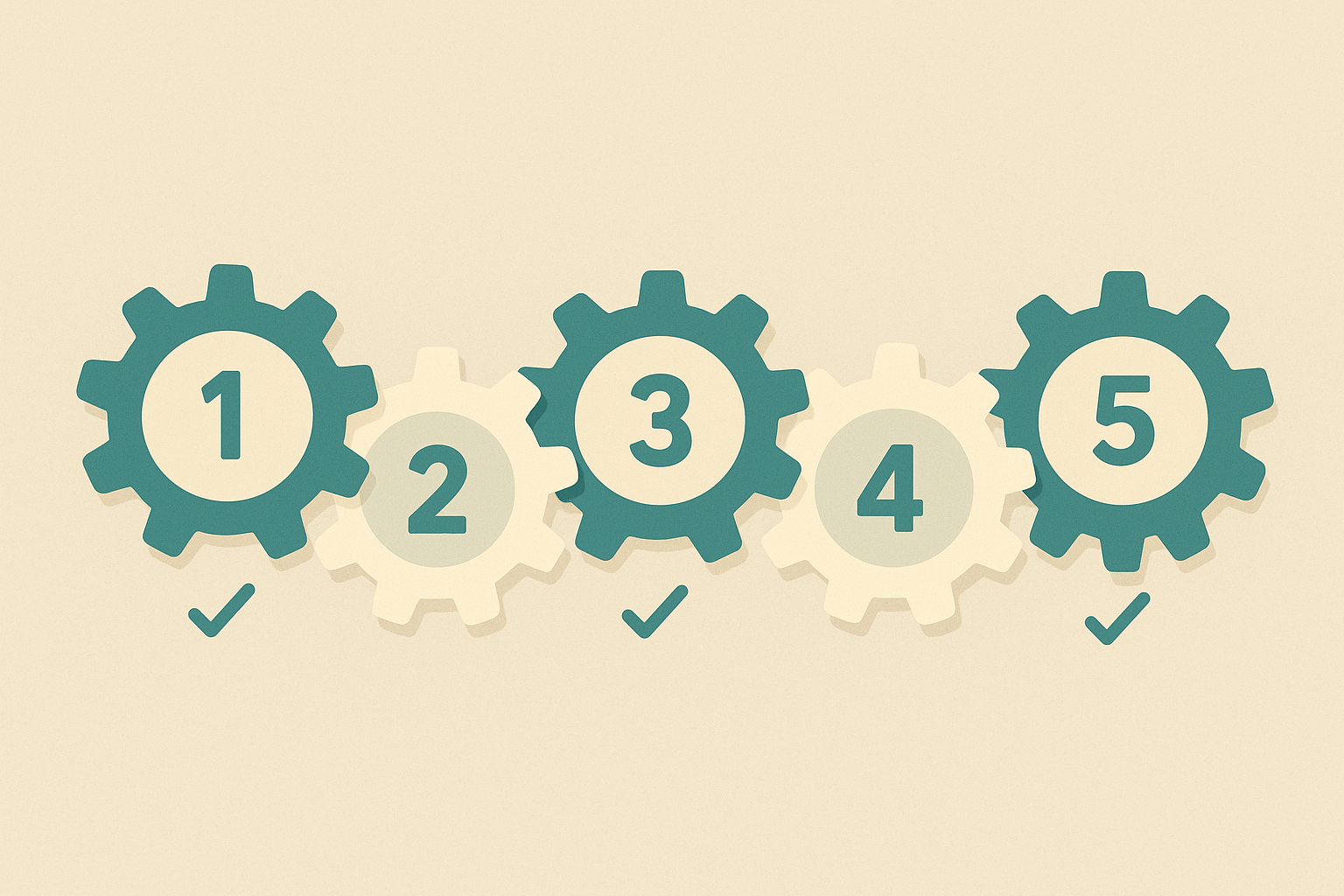
A clear, repeatable workflow keeps multi-site SEO automation software running smoothly across every domain.
Multi-Site SEO Automation Software vs. Manual Optimization
Manual optimization still works for a single site with a small team. However, once a business or agency crosses roughly five to ten domains, manual work stops scaling efficiently.
Search volume itself illustrates the scale problem. Search engines process billions of queries daily, and a growing share now surface AI-generated answers instead of a list of links. In particular, industry reporting has repeatedly noted that agencies managing more than a handful of client sites struggle to keep pace with manual audits alone. Automation software addresses this by applying one workflow across every domain at once, rather than repeating the same steps by hand.
That said, automation works best alongside human strategy. A strategist still decides which keywords matter most or how a brand should sound. Software simply removes the repetitive technical burden so that strategic time gets spent where it counts. This is why many teams reference guides on SEO platforms built for easy website management before switching from manual processes.
How RankAuthority Approaches Multi-Site SEO Automation Software
RankAuthority was built specifically around the challenge of managing SEO, GEO, and AEO across many websites from one place. Its 1-Click AI AutoPilot handles technical and on-page fixes automatically, while RankFast analyzes and rebuilds competitor pages to help sites outrank rivals.
In addition, RankLink automates topical siloing and internal linking, and the AI Blog Builder publishes SEO- and AEO-optimized content without manual drafting for every domain. Free diagnostic tools, including an AI Visibility Checker and Site Audit Checker, let teams evaluate a site’s current standing before committing to a full rollout. For teams weighing options, this overview of tools that help streamline SEO processes is a useful starting point, and visiting RankAuthority directly shows the full platform in action.
Common Mistakes When Scaling SEO Automation
Even strong software can underperform if it is set up carelessly. The following mistakes come up often among teams new to managing several sites at once.
- Copying identical content across sites without adjusting for local intent, which risks duplicate content penalties.
- Ignoring individual site audits and assuming a portfolio-wide fix solves every domain’s unique issues.
- Ignoring AI visibility metrics and focusing only on traditional keyword rankings.
- Skipping CMS-specific testing before rolling automated fixes out to every connected site.
Frequently Asked Questions About Multi-Site SEO Automation Software
What is multi-site SEO automation software?
Multi-site SEO automation software is a platform that audits, optimizes, and monitors SEO, GEO, and AEO signals across many websites at once instead of requiring manual, site-by-site edits. It typically combines technical audits, schema deployment, and reporting into a single dashboard.
How does multi-site SEO automation software save time?
It applies the same fix, schema template, or content workflow across every connected site simultaneously rather than repeating tasks one domain at a time. This reduces hours of manual work to minutes for common technical and on-page issues.
Who typically uses multi-site SEO automation software?
Agencies, franchise brands, and entrepreneurs managing multiple client or brand websites rely on this software most. Freelancers with several personal or affiliate sites also use it to keep optimization consistent without hiring extra staff.
What features should I look for in cross-site SEO automation tools?
Look for automated technical audits, bulk schema generation, AI visibility tracking, competitor gap analysis, and native CMS integrations. Reporting that consolidates every site into one score also matters for spotting problems quickly.
How is multi-site SEO automation software different from manual SEO management?
Manual management requires a person to audit, fix, and monitor each website individually, which does not scale well past a handful of domains. Automation software applies consistent rules and workflows across every site from one control panel.
Does multi-site SEO automation software work with WordPress and Shopify?
Most modern platforms, including RankAuthority, integrate directly with WordPress, Shopify, Wix, GoDaddy, Webflow, and GoHighLevel. This allows automated fixes and content to publish without manual code edits on each CMS.
How much does multi-site SEO automation software cost?
Pricing varies widely by the number of connected sites, features included, and whether AI content generation is bundled in. Many platforms offer free diagnostic scans before requiring a paid plan for ongoing automation.
Can multi-site SEO automation software help with AI search visibility?
Yes, platforms built for Generative Engine Optimization and Answer Engine Optimization structure content and schema so AI answer engines can cite it more easily. This is increasingly important as more searches end in AI-generated answers instead of clicks.
What is the biggest mistake when automating SEO across multiple sites?
The most common mistake is applying identical content or schema to every site without adjusting for local intent, niche, or audience. This can trigger duplicate content issues and weaken rankings instead of improving them.
How long does it take to see results from SEO automation software?
Technical fixes like schema and indexing often show measurable improvement within a few weeks. Content and authority gains typically take two to four months, depending on competition and how consistently the automation runs.
Is multi-site SEO automation software suitable for small businesses?
Yes, small business owners managing even two or three sites, such as a main site and location pages, benefit from consistent automated fixes. It removes the need to hire a full SEO team for basic technical maintenance.
Does automation replace the need for an SEO strategist?
Automation handles repetitive technical and structural work, but strategic decisions around positioning, keyword priorities, and brand voice still benefit from human oversight. Most teams use automation to free up strategists for higher-value planning.
How does RankAuthority support multi-site SEO automation software needs?
RankAuthority combines 1-Click AI AutoPilot fixes, RankFast competitor rebuilding, RankLink internal linking, and AI Blog Builder content into one dashboard for managing several sites. Free diagnostic tools also help teams evaluate sites before committing to full automation.
Conclusion
Ultimately, multi-site SEO automation software exists to solve a scale problem that manual work simply cannot handle once a portfolio grows past a few domains. From centralized audits to schema deployment and AI visibility tracking, the right platform turns repetitive tasks into consistent, portfolio-wide workflows. As a result, teams free up time for strategy instead of spreadsheet chasing. Platforms like RankAuthority pair that automation with GEO and AEO features built for how AI answer engines actually surface content today, making it worth a closer look for anyone managing more than one website’s search performance.

