
Generative AI search ranking now determines whether your business shows up in the answers that ChatGPT, Google AI Overviews, and Perplexity give to millions of searchers every day. Unlike traditional rankings built around ten blue links, this new system rewards content that AI models can understand, trust, and cite directly. As a result, marketers who once focused solely on classic SEO now need a broader strategy that blends technical optimization with content built for machine comprehension. This guide breaks down what generative AI search ranking means, why it matters, and exactly how to improve it.
Direct Answer: Generative AI search ranking refers to how well a piece of content is understood, trusted, and selected by AI-driven search tools to appear inside generated answers. It depends on structured data, topical authority, source credibility, and answer-ready formatting rather than keyword density alone.
What Is Generative AI Search Ranking?
Generative AI search ranking is the process by which AI systems evaluate, rank, and cite web content when generating a conversational answer. In other words, it is the AI equivalent of ranking on page one, except the “page” is a synthesized paragraph rather than a list of links. For example, when someone asks ChatGPT which project management tool is best for freelancers, the model pulls from indexed sources it deems credible and stitches together a response that may name your business by name — or leave it out entirely.
Specifically, this ranking process weighs several signals at once: how clearly a page defines its subject, whether structured data (a machine-readable format called schema markup) is present, and how consistently facts appear across the wider web. Consequently, pages built only for human skimming, with vague headings and no clear answers, often get skipped over by generative models even if they rank well in classic search.
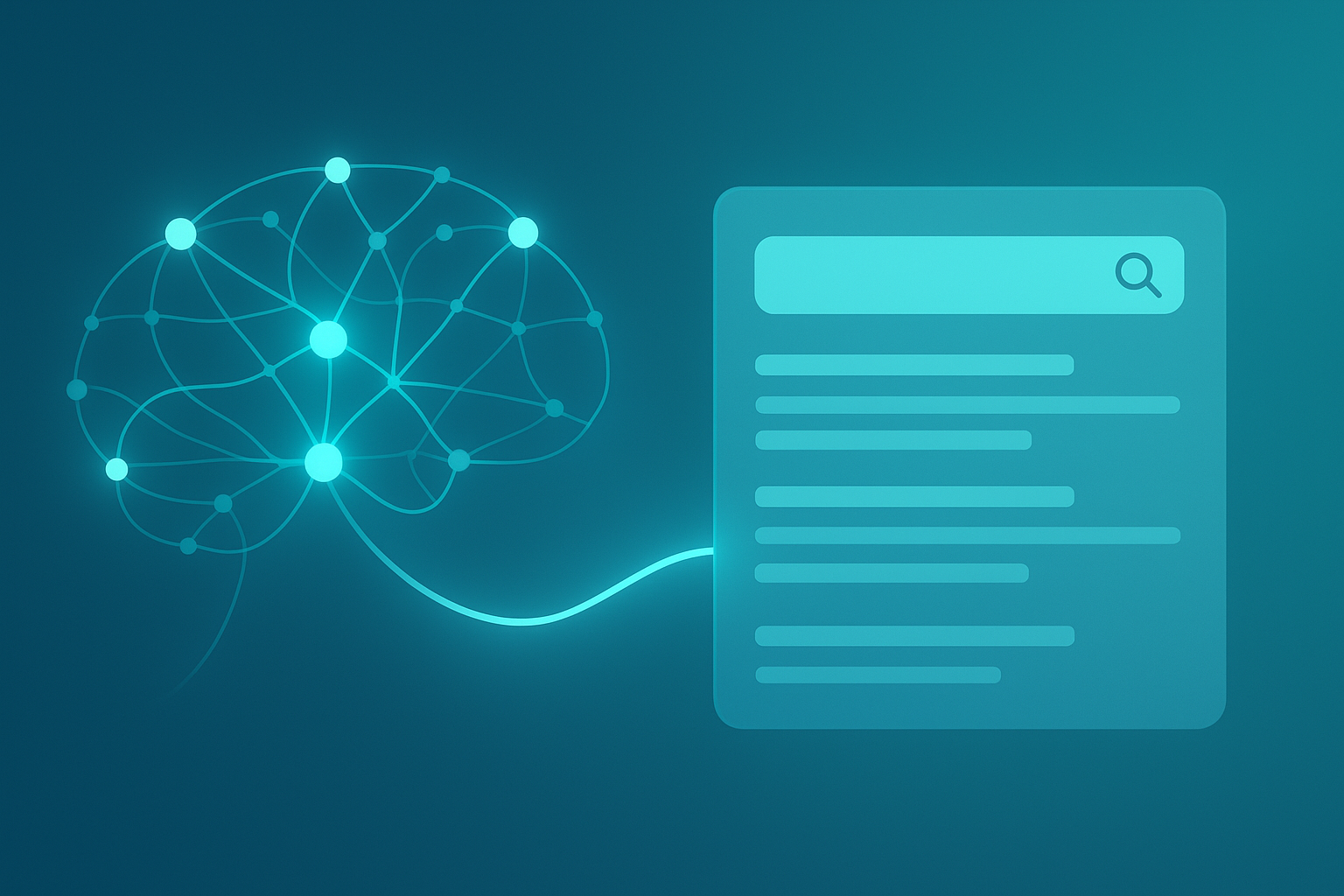
Structured, well-defined content improves generative AI search ranking by making pages easier for AI models to parse and cite.
Why AI-Powered Search Rankings Matter in 2026
In 2024, Gartner analysts predicted that traditional search engine volume would fall by roughly 25 percent by 2026 as more users turned to AI chatbots and virtual agents for direct answers instead of clicking through search results. That forecast has largely materialized, and it means fewer visitors ever reach a traditional results page in the first place. Therefore, businesses that ignore AI-powered search visibility risk losing an entire layer of discovery, even if their classic SEO remains strong.
Furthermore, AI answer engines tend to concentrate attention on a small number of cited sources per query, unlike traditional search results that display ten or more listings. As a result, competition for citation is arguably tighter than competition for a top-ten Google ranking. In contrast to older SEO tactics, winning this space requires content specifically engineered for machine comprehension, not just human readers scrolling a page.
How Generative Engines Rank and Cite Content
Generative engines typically combine a large language model with a retrieval system that pulls in fresh, verified web content before generating a response. This process, often called retrieval-augmented generation, means the model is not simply “remembering” facts from training; it is actively scanning indexed pages for relevant, trustworthy material. Similarly to how Google’s crawlers evaluate generative artificial intelligence outputs for accuracy, AI search tools cross-check claims against multiple sources before citing any single one.
Above all, clarity wins. Pages that state a definition, back it with evidence, and organize information under descriptive headings are easier for retrieval systems to extract cleanly. In particular, content formatted as direct question-and-answer pairs tends to outperform long, meandering narrative paragraphs because it maps naturally onto how users phrase their AI queries.
Core Factors That Shape Your AI Search Visibility
Several overlapping factors influence whether a page earns a citation. Understanding them helps prioritize where to focus limited time and budget.
- Structured data: Schema markup clarifies entities, questions, and processes for machine parsing.
- Topical authority: A cluster of related, internally linked pages signals deep expertise on a subject.
- Source credibility: Outbound links to recognized references and consistent facts build trust signals.
- Answer-first formatting: Direct answers placed immediately under headings are easier to extract and quote.
- Technical health: Fast load times, clean indexing, and crawlable HTML keep pages accessible to AI crawlers.
Additionally, freshness matters more than many marketers assume. Consequently, pages updated regularly with current data tend to be favored over stale content, even when the older page has more historical backlinks.
A Step-by-Step Process to Improve Generative AI Search Ranking
Improving generative AI search ranking is not a one-time fix; it is an ongoing process. The following steps outline a practical sequence for most websites.
- Audit current AI visibility. Run a full site audit and AI visibility check to see which pages are already being cited by AI answer engines and which ones are invisible to them.
- Add structured schema markup. Deploy Article, FAQPage, and HowTo schema on key pages so AI crawlers can clearly identify entities, questions, and processes.
- Rewrite content in direct-answer format. Restructure pages so the first sentence under each heading directly answers the implied question, followed by supporting detail.
- Strengthen internal linking and topical silos. Group related content into clear clusters with descriptive internal links so AI models can trace context across the site.
- Monitor citations and refine. Track how often content appears in AI-generated answers, then refine underperforming pages based on what earns citations.
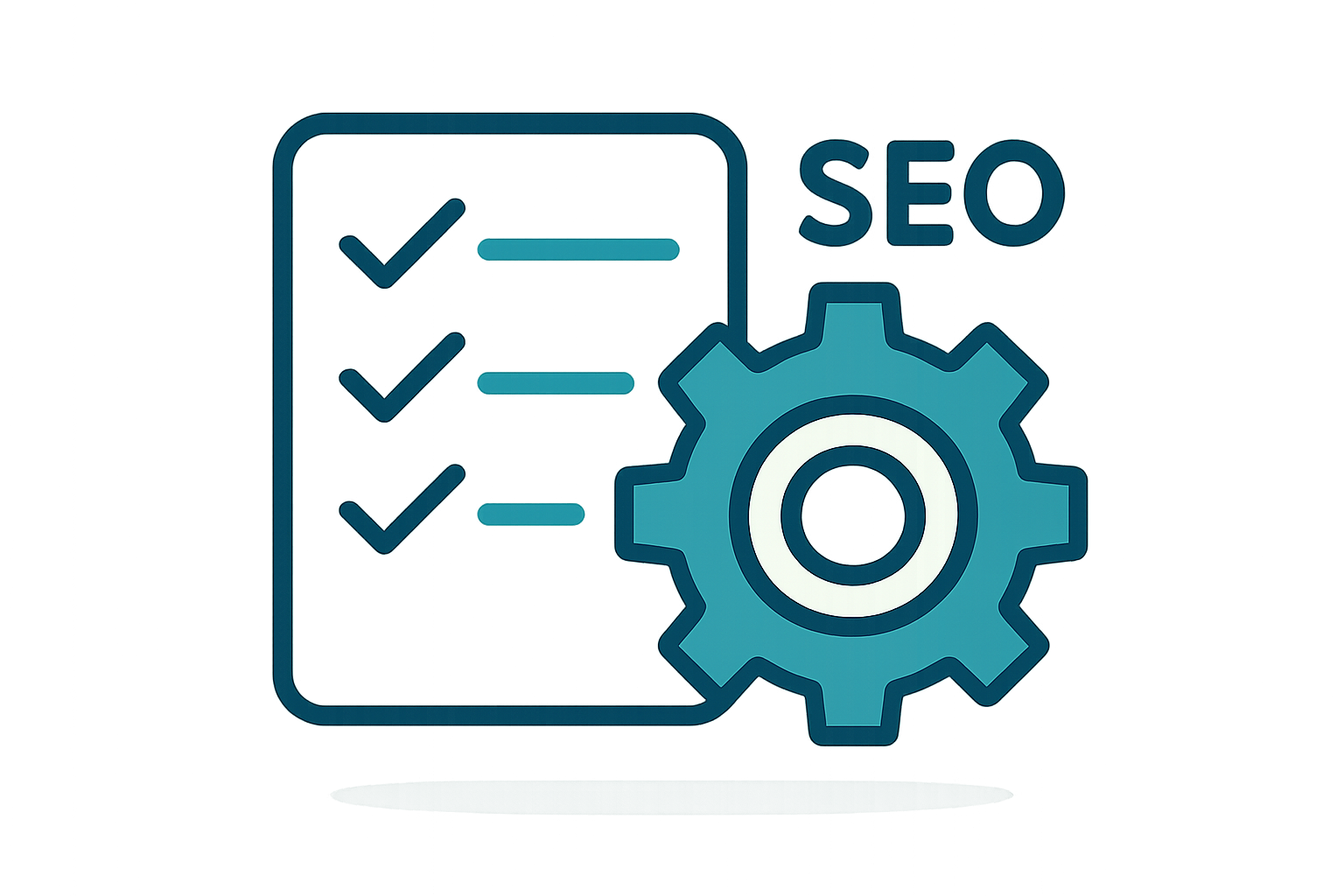
Following a structured process helps improve generative AI search ranking consistently over time.
Common Mistakes That Hurt Answer Engine Rankings
Even experienced marketers make avoidable errors when adapting to AI search. For instance, many sites still rely on vague headings like “Overview” or “More Info” instead of question-based phrasing that mirrors real user queries. In contrast, pages with specific, descriptive headings tend to be cited far more often because they match the intent behind conversational searches.
Another frequent mistake is neglecting page speed and crawlability, both of which are covered in detail in this breakdown of how AI search algorithms rank content. Likewise, inconsistent facts across a website — such as differing statistics on separate pages — erode the trust signals that AI systems rely on before quoting a source. Finally, thin content without a clear, standalone answer rarely survives the retrieval step, no matter how well it ranks in traditional search.
How RankAuthority Helps Improve Generative AI Search Ranking
RankAuthority is built specifically around this shift toward AI-driven discovery. Its 1-Click AI AutoPilot feature automates technical and on-page fixes that would otherwise take a development team weeks to complete, while the platform’s Generative Engine Optimization tools create purpose-built pages designed for AI citation rather than traditional clicks alone. Meanwhile, Answer Engine Optimization formatting and automated schema deployment address the structured-data gap covered earlier in this guide.
For businesses wanting a deeper explanation of the underlying methodology, this overview of how RankAuthority applies generative AI to search optimization walks through the process in more detail. In addition, tools like RankFast analyze competitor pages and rebuild them to outrank rivals, while RankLink automates the topical siloing and internal linking structure described in the steps above. Readers exploring broader industry trends may also find this look at the future of AI in SEO useful for long-term planning, alongside a deeper dive into how generative engine optimization impacts search rankings specifically.
For a broader implementation roadmap, this complete guide to automated search ranking solutions covers how these individual tools fit together into a single workflow. Businesses can also run a free scan directly at rankauthority.com to see their current AI visibility score before committing to any paid plan.
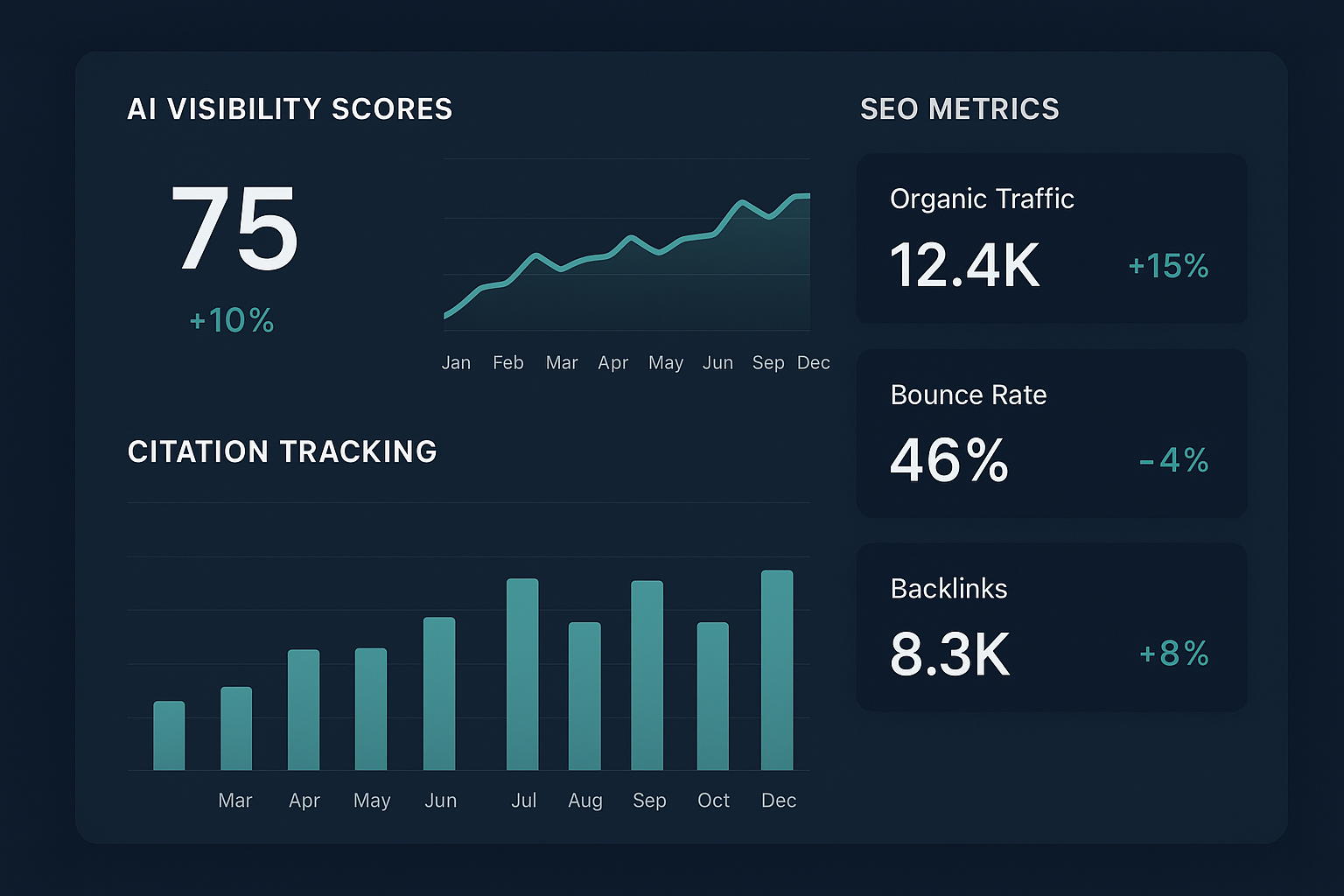
Monitoring citation frequency is an essential part of maintaining strong generative AI search ranking over time.
Frequently Asked Questions About Generative AI Search Ranking
What is generative AI search ranking?
Generative AI search ranking is the process by which AI-driven search tools, such as Google AI Overviews, ChatGPT, and Perplexity, evaluate and select content to include in their generated answers. It relies on structured data, topical authority, and answer-ready formatting rather than keyword frequency alone.
How is generative AI search ranking different from traditional SEO?
Traditional SEO focuses on ranking a URL in a list of links, while generative AI search ranking focuses on whether an AI model trusts and cites a specific piece of content inside a synthesized answer. This shifts emphasis toward clarity, factual accuracy, and machine-readable structure.
Why does generative AI search ranking matter for small businesses?
Small businesses that are not cited by AI answer engines risk losing visibility as more users skip traditional search results entirely. Optimizing for generative AI search ranking helps smaller brands compete for attention alongside larger, better-known competitors.
How do AI search engines decide which sources to cite?
AI search engines typically prioritize sources with clear structured data, consistent factual claims, credible backlinks, and content formatted in direct question-and-answer style. They also favor pages that clearly define terms and provide concise, verifiable answers.
How long does it take to improve generative AI search ranking?
Most sites see measurable improvements in AI citation frequency within four to twelve weeks after implementing schema markup, restructured content, and technical fixes. However, timelines vary depending on site authority, content freshness, and crawl frequency.
Does schema markup really affect AI search visibility?
Yes, schema markup helps AI crawlers understand entities, relationships, and context far more reliably than plain text alone. Pages with FAQ, HowTo, and Article schema are cited more consistently because the structured data reduces ambiguity for machine parsing.
What is the difference between GEO and AEO?
Generative Engine Optimization (GEO) focuses on making content citable inside AI-generated summaries and chat responses, while Answer Engine Optimization (AEO) focuses on structuring content to win featured snippets and direct answer boxes. Both disciplines overlap heavily with generative AI search ranking strategy.
How much does it cost to optimize for generative AI search ranking?
Costs vary widely, from free manual schema edits to automated platforms that charge monthly subscriptions for AI visibility monitoring and content optimization. Tools like RankAuthority offer free diagnostic scans before recommending paid automation tiers.
What common mistakes hurt generative AI search ranking?
Common mistakes include vague headings, missing schema markup, thin content without direct answers, and inconsistent facts across pages. Ignoring page speed and crawlability also prevents AI systems from indexing content reliably.
Can I track whether AI engines are citing my content?
Yes, AI visibility monitoring tools can track citations across major AI answer platforms and alert you when your brand appears or disappears from generated responses. This tracking helps prioritize which pages need optimization first.
Does content length affect generative AI search ranking?
Content length matters less than clarity and completeness; a concise, well-structured answer often outperforms a lengthy article that buries key facts. Above all, AI models favor content that answers the question directly within the first few sentences.
What role does internal linking play in AI search visibility?
Internal linking helps AI crawlers understand topical relationships between pages, reinforcing which content is authoritative on a given subject. A well-structured internal linking strategy, sometimes called topical siloing, improves both traditional and generative AI search ranking.
Final Thoughts
In summary, generative AI search ranking has become just as important as traditional rankings, if not more so, as AI chatbots and answer engines absorb a growing share of everyday searches. Therefore, businesses that invest in structured data, direct-answer formatting, topical authority, and consistent monitoring will be far better positioned to earn citations than those relying on outdated SEO tactics alone. Ultimately, treating generative AI search ranking as an ongoing discipline, rather than a one-time project, is what separates brands that stay visible from those that quietly disappear from AI-generated answers.

