

Shopify SEO automation is the practice of using software to handle technical fixes, schema markup, and content optimization across a Shopify store automatically, rather than relying entirely on manual work. For store owners juggling product catalogs, blog content, and collection pages, this shift matters because manual optimization simply cannot keep pace with how quickly inventories and search algorithms change. In particular, automation closes the gap between how fast a catalog grows and how fast its SEO foundation can be maintained.
Consequently, more merchants are turning to automated platforms to maintain search health without hiring a full in-house SEO team. This guide explains what Shopify SEO automation actually does, how to set it up, and how it now extends into Generative Engine Optimization (GEO) and Answer Engine Optimization (AEO) — the practices that help AI tools cite your store, not just Google rank it.
Direct answer: Shopify SEO automation uses software to scan a store for technical and content issues, then applies fixes such as schema markup, redirects, and internal links automatically, saving the time and expertise manual SEO typically requires.
What Is Shopify SEO Automation?
Shopify SEO automation is software-driven management of the technical, structural, and content tasks that influence search visibility. Rather than editing meta tags or schema one product at a time, an automation platform applies changes across hundreds or thousands of pages at once.
For example, a typical setup might include automated image compression, duplicate content detection, and structured data generation running continuously in the background. As a result, store owners can focus on merchandising and marketing while the platform maintains the technical groundwork search engines expect.
Why Shopify Stores Need Automated SEO
Shopify catalogs grow quickly, and every new product, variant, or collection page introduces another opportunity for technical errors. Therefore, stores that rely solely on manual audits often fall behind as pages accumulate broken links, thin content, or missing structured data.
According to industry research from organizations like BrightEdge, organic search remains one of the largest sources of ecommerce traffic, which means technical shortfalls carry a real cost. In contrast, automated monitoring catches these issues as they appear instead of months later during a periodic review. Above all, consistency across an entire catalog is difficult to achieve by hand, which is exactly where automated SEO for Shopify earns its value.
Additionally, automation frees up time that store owners and marketers can redirect toward strategy, content planning, and customer experience improvements. Specifically, this includes tasks like reviewing competitor gaps or planning seasonal campaigns instead of fixing redirect chains manually.
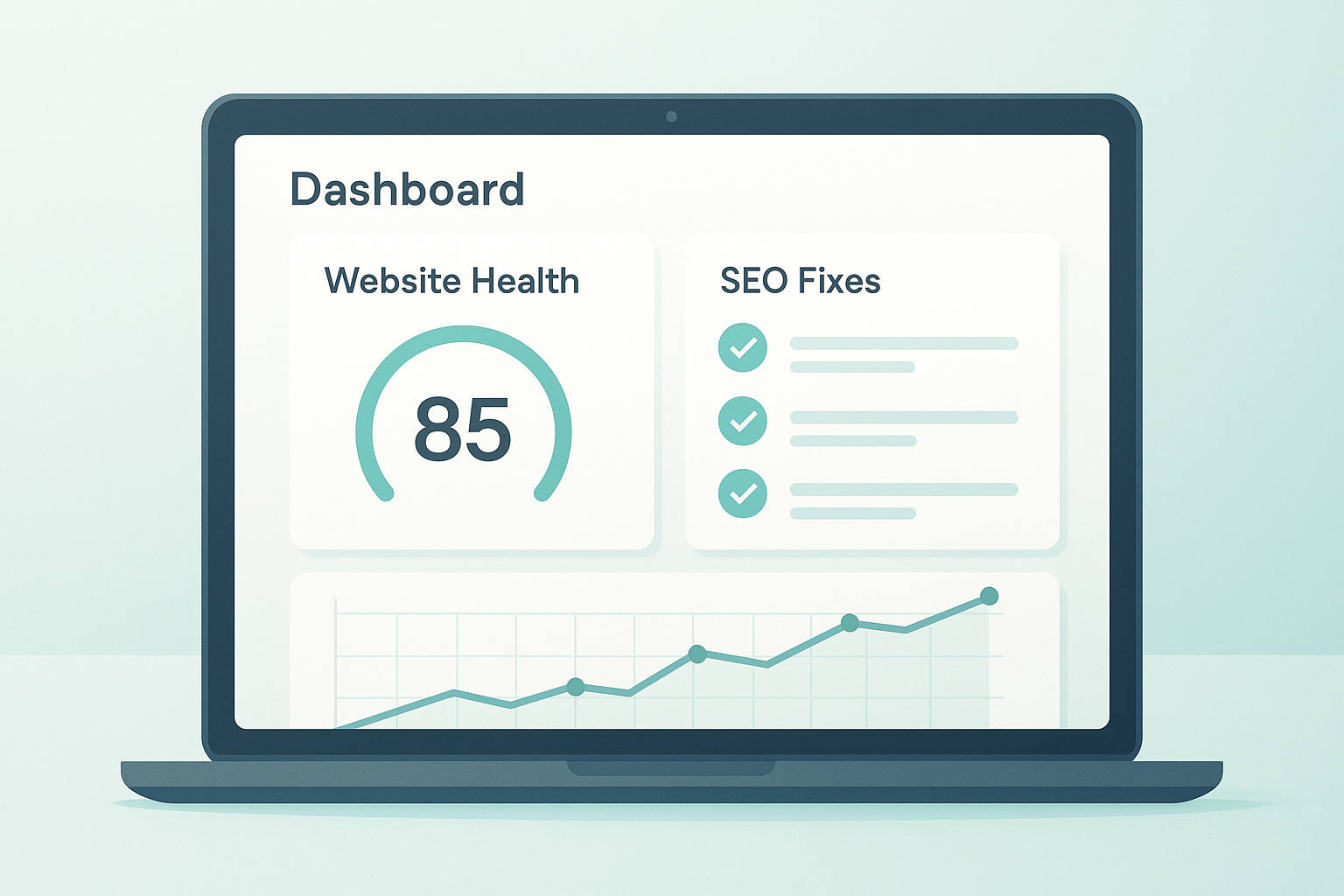
A Shopify SEO automation dashboard tracking technical fixes and overall site health in real time.
Core Components of Ecommerce SEO Automation for Shopify
An effective automation setup usually combines several moving parts rather than a single feature. Understanding each piece helps clarify what to look for in a platform.
- Technical audits: Automated crawlers identify broken links, slow pages, and indexing errors across the entire store.
- Schema markup generation: Structured data for products, reviews, and organization details is created and deployed without manual coding.
- Content optimization: AI-assisted tools help fill thin product descriptions and generate blog content aligned with search intent.
- Internal linking: Topical siloing connects related products and categories to strengthen site structure.
- Monitoring: Ongoing tracking of rankings, backlinks, and AI citations shows whether automation is working.
For a deeper breakdown of how these pieces apply beyond Shopify specifically, this complete guide to ecommerce SEO automation walks through additional platform comparisons and setup considerations.
How to Set Up Shopify SEO Automation in 5 Steps
Setting up automation in the right order prevents errors from compounding across a large catalog. The following sequence reflects a practical rollout most stores can follow.
- Run a full technical audit to scan every page for broken links, duplicate titles, missing meta descriptions, slow load times, and indexing errors before making any automated changes.
- Automate schema markup deployment for products, reviews, and organization details so both search engines and AI systems can read structured information accurately across collection pages.
- Apply approved automated fixes for redirects, canonical tags, and image compression, reviewing each change before it goes live on the storefront to avoid unintended errors.
- Use internal linking automation to connect related products and categories, then fill thin content gaps with AI-assisted descriptions that a human still reviews for accuracy.
- Monitor rankings, backlinks, and AI citations continuously, since ongoing tracking catches new issues early and shows whether the automation is improving visibility over time.
If you want a side-by-side look at automating these same tasks across a broader ecommerce stack, these resources on automating ecommerce SEO tasks and building an automated SEO workflow offer additional context.
It is worth noting that automation platforms can submit updated pages for indexing, but Google alone determines whether and when a page is indexed. Individual results vary based on site history, competition, and content quality.
GEO and AEO: The Next Layer of Shopify SEO Automation
Traditional SEO focuses on ranking in Google, but AI search tools now answer shopping questions directly. Generative Engine Optimization (GEO) — structuring content so AI systems can cite it — and Answer Engine Optimization (AEO) — formatting answers for featured snippets and AI responses — have become necessary extensions of standard SEO.
For instance, a product page with clear structured data and a direct answer block is more likely to be cited by an AI assistant comparing products than a page with dense, unstructured paragraphs. Similarly, FAQ sections formatted with schema markup give both Google and AI engines a ready-made answer to surface.
Platforms such as Rank Authority combine 1-Click AI AutoPilot technical fixes with GEO-focused artifact pages and AEO-structured schema, so Shopify stores can pursue visibility across Google, Bing, and AI answer engines from a single workflow rather than managing them separately.
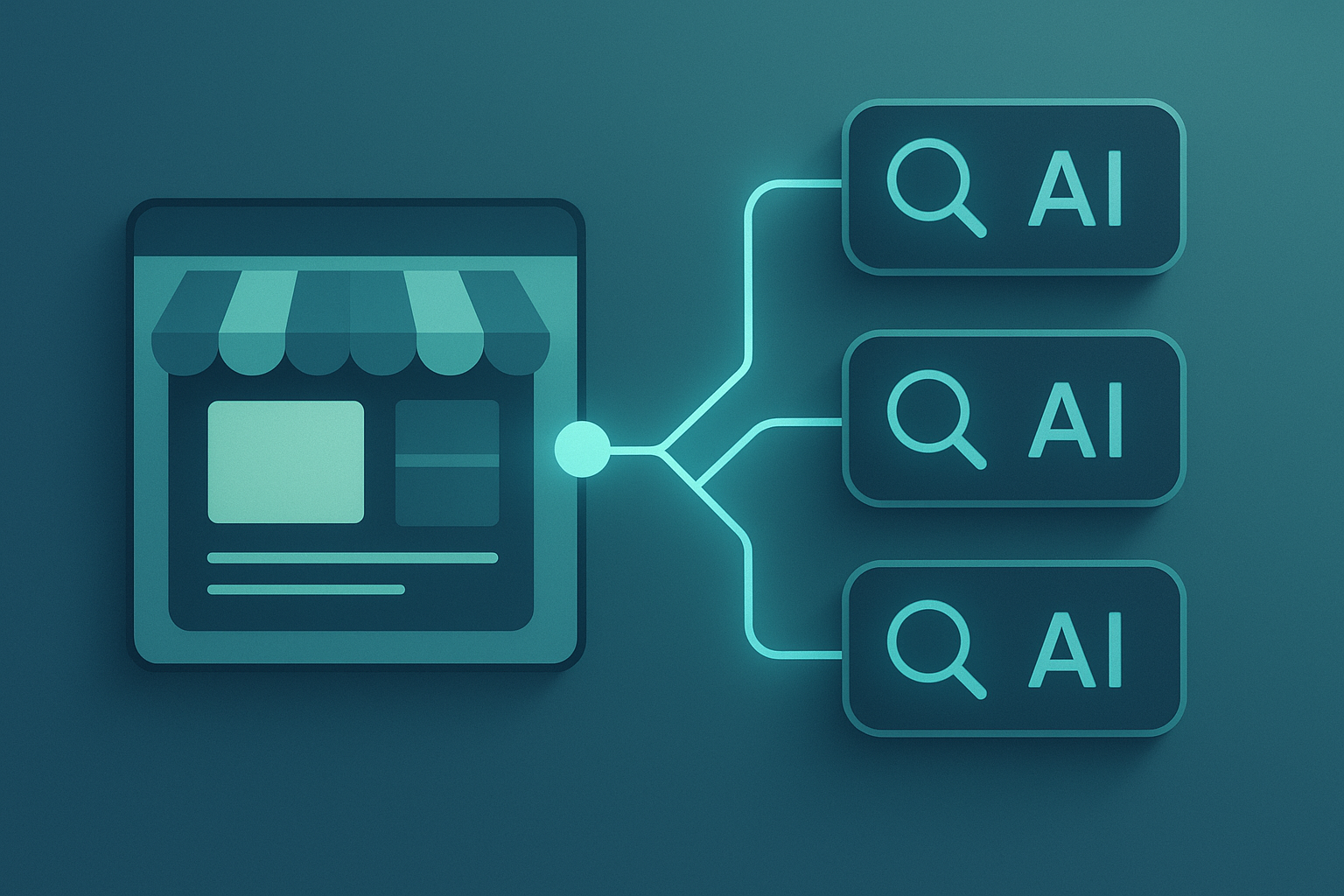
Structured schema markup helps connect Shopify product pages to AI answer engines as part of broader shopify seo automation efforts.
Common Mistakes to Avoid When Automating Shopify SEO
Automation reduces workload, but it is not a substitute for oversight. One frequent mistake is publishing AI-generated product content without human review, which can introduce factual errors or repetitive phrasing across similar products.
Another common issue is treating automation as a one-time setup instead of an ongoing process. In reality, new pages, seasonal collections, and algorithm updates mean the system needs continuous monitoring rather than a single launch-and-forget deployment. Likewise, skipping schema validation after deployment can quietly limit AI citation eligibility even when the rest of the site looks healthy.
For stores managing multiple properties, this guide to streamlined SEO for ecommerce brands covers how to avoid these pitfalls when scaling automation across several sites at once.
Choosing the Right Shopify SEO Automation Tool
When evaluating a platform, look for native integration with Shopify, automated schema generation, and visibility tracking that extends beyond traditional rankings into AI citation monitoring. Furthermore, a free diagnostic scan before committing to a paid plan helps confirm the platform fits your catalog size and goals.
Rank Authority offers this kind of entry point through free tools such as its AI Visibility Checker and Site Audit Checker, alongside a seven-day trial of its full 1-Click AI AutoPilot, RankFast, and RankLink features. According to the Shopify SEO documentation, technical health and structured data remain foundational ranking factors, which aligns directly with what automated platforms are built to maintain. For official guidance on how structured data is interpreted, Google’s own Search Central documentation is a useful reference point, as is the broader Schema.org overview for understanding how structured vocabularies work across the web.

Tracking visibility gains over time is an essential part of evaluating shopify seo automation results.
Frequently Asked Questions About Shopify SEO Automation
What is Shopify SEO automation?
Shopify SEO automation is the use of software to handle technical fixes, schema markup, internal linking, and content optimization for a Shopify store without manual coding. It replaces repetitive, manual SEO tasks with scheduled or triggered automated actions.
How does Shopify SEO automation work?
A platform scans your store for technical issues, missing schema, slow pages, and content gaps, then applies approved fixes directly or through app integrations. Many tools also monitor rankings and AI citations on an ongoing basis.
Why is Shopify SEO automation important for ecommerce growth?
Manual SEO for large product catalogs is time-consuming and error-prone, which slows visibility gains. Automation keeps technical health consistent across thousands of product and collection pages.
How much does Shopify SEO automation cost?
Pricing varies depending on store size and the features included, ranging from free diagnostic tools to monthly subscription plans. Many providers, including Rank Authority, offer a risk-free trial period before committing to a paid plan.
How long does it take to see results from Shopify SEO automation?
Technical fixes and schema deployment can show measurable site health improvements within days, while ranking changes typically take weeks to months. Individual results vary based on competition and existing site authority.
What is the difference between Shopify SEO automation and manual SEO?
Manual SEO requires a person to implement and track every optimization individually, while automation applies rules and AI-driven logic across the entire store at once. Automation generally reduces workload and improves consistency.
Can Shopify SEO automation improve AI search visibility too?
Yes. Modern platforms combine traditional SEO with GEO and AEO, structuring content and schema so AI answer engines can cite your pages, not just rank them in Google.
What are common mistakes when automating Shopify SEO?
Common mistakes include publishing automated content without human review, ignoring duplicate product descriptions, and stopping monitoring after the initial setup. Skipping schema validation is another frequent error.
Does Shopify SEO automation guarantee first-page rankings?
No automation tool can guarantee specific rankings, since search engines weigh many factors outside any platform’s control. Individual results vary, and outcomes depend on competition and content quality.
What tools are used for Shopify SEO automation?
Tools typically include audit crawlers, schema generators, AI content builders, internal linking automation, and visibility tracking dashboards. Platforms like Rank Authority combine these functions with Shopify-specific integrations.
How does schema markup support Shopify SEO automation?
Schema markup provides structured data that helps search engines and AI systems understand product details, pricing, and reviews accurately. Automating schema deployment ensures consistent, error-free structured data across the catalog.
What is the best way to start Shopify SEO automation for a new store?
Start with a full technical audit to identify indexing, speed, and schema gaps before layering in content and link automation. A phased rollout confirms fixes are accurate before scaling across the entire catalog.
How often should automated SEO audits run on Shopify?
Most stores benefit from weekly or monthly automated audits, with more frequent checks during major catalog updates. Continuous monitoring catches new issues before they affect rankings.
Final Thoughts on Shopify SEO Automation
Shopify SEO automation is no longer a nice-to-have for growing stores; it has become the practical way to maintain technical health, structured data, and content quality at scale. As a result, store owners can redirect their time toward strategy while automated systems handle the repetitive groundwork that traditional SEO and emerging AI search both depend on.
Ultimately, combining technical automation with GEO and AEO positioning gives Shopify stores a more complete path to visibility across Google, Bing, and AI answer engines. Explore Rank Authority’s free diagnostic tools or review this step-by-step ecommerce automation guide to see where your current setup stands before scaling further.

