

Streamlined SEO for e-commerce brands is the practice of simplifying and automating search optimization tasks — technical fixes, content creation, schema markup, and AI visibility tracking — so online stores rank faster with far less manual effort. For growing retailers, however, juggling dozens of scattered SEO tasks by hand often means falling behind competitors who move quicker. This guide breaks down what streamlined SEO for e-commerce brands looks like today, why it matters more than ever, and how automation platforms make it achievable for stores of any size.
Quick answer: Streamlined SEO for e-commerce brands means combining automated technical audits, schema deployment, and AI-ready content into one coordinated system, instead of managing each task manually across separate tools and teams.

A unified dashboard is central to streamlined SEO for e-commerce brands, replacing scattered manual tasks with one automated view.
What Is Streamlined SEO for E-Commerce Brands?
Streamlined SEO for e-commerce brands is a coordinated system that automates repetitive optimization work across an entire online store. Rather than manually editing metadata, chasing broken links, and writing schema by hand, a streamlined approach uses software to handle these tasks at scale. As a result, teams spend less time on maintenance and more time on strategy.
In practice, this includes automated technical audits, bulk schema deployment, and content that is formatted for both traditional search engines and AI answer engines. Consequently, a single product catalog update can trigger dozens of optimization actions without any manual intervention.
Why E-Commerce Brands Need a Streamlined SEO Strategy
Online stores grow their catalogs constantly, and each new product page introduces fresh SEO variables. Therefore, a static or manual approach quickly becomes unsustainable once a store reaches a few hundred listings. In addition, search itself is changing rapidly, with AI-generated answers now competing directly with traditional blue links.
According to Wikipedia’s overview of search engine optimization, ranking factors span technical structure, content relevance, and authority signals, all of which must be maintained continuously. Similarly, Google’s own guidance on page experience confirms that speed and mobile usability directly influence visibility, as documented in Google Search Central’s page experience documentation. A streamlined SEO strategy keeps every one of these factors aligned without requiring a large internal team.
Notably, research shared through Google’s own studies found that a large share of mobile shoppers abandon sites that take longer than three seconds to load. For e-commerce brands, that single statistic underscores why automated, ongoing optimization matters far more than a one-time redesign.
Core Components of Streamlined SEO for E-Commerce Brands
Building streamlined SEO for e-commerce brands typically requires several coordinated layers working together. Below are the components that matter most for online stores today.
Technical SEO Foundations
Technical SEO covers crawlability, indexing, site speed, and mobile usability. Without a solid technical base, however, even the best content struggles to rank. Automated audits can flag broken links, duplicate pages, and slow-loading assets across an entire catalog within minutes.
On-Page and Content Optimization
Product descriptions, category pages, and buying guides all need clear structure and unique value. In particular, thin or duplicated product copy is one of the most common reasons e-commerce pages fail to rank. Automated content tools can generate optimized descriptions at scale while keeping brand voice consistent.
GEO and AEO: The New Frontier for E-Commerce Visibility
Generative Engine Optimization, often shortened to GEO, focuses on making content citable by AI systems like chatbots and AI search summaries. Answer Engine Optimization, or AEO, structures content and schema so it appears directly in featured snippets and AI-generated answers. Together, these disciplines extend streamlined SEO for e-commerce brands beyond traditional search results and into the growing world of AI-powered discovery.
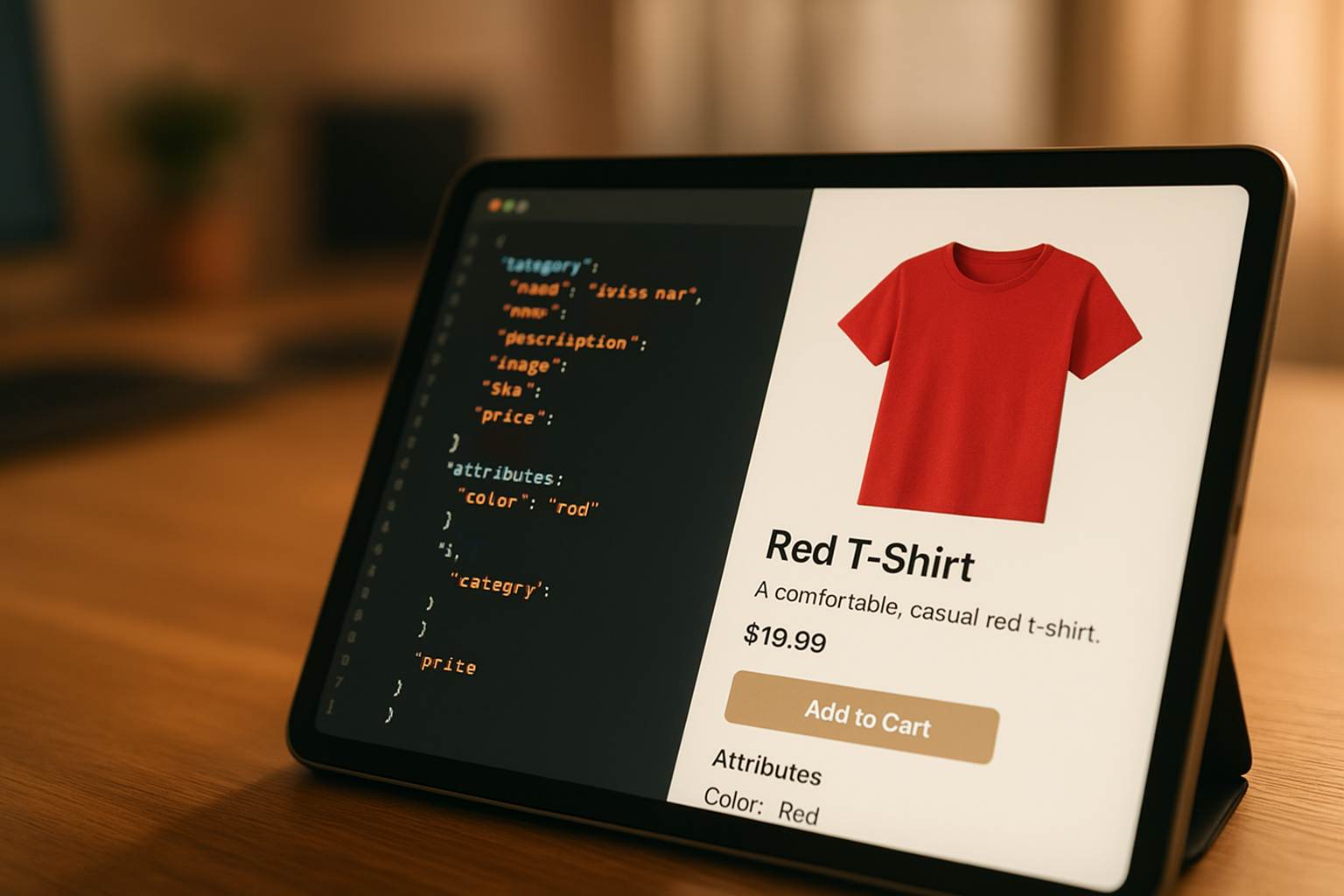
Automated schema markup is a key building block of any streamlined SEO strategy for online retailers.
How to Automate E-Commerce SEO Tasks Step by Step
Setting up a repeatable, automated workflow does not need to be complicated. Below is a practical sequence that most growing online stores can follow.
- Run a full technical audit to identify crawl errors, broken links, duplicate content, and missing metadata across the entire storefront.
- Deploy schema markup automatically for products, reviews, and organization details so both search engines and AI systems can read the data accurately.
- Fix flagged technical issues using automated tools instead of manually editing thousands of product listings one at a time.
- Restructure product descriptions and FAQs into clear, direct-answer formats to improve eligibility for AI-generated responses.
- Monitor rankings, backlinks, and AI citations continuously, then adjust the strategy whenever competitors gain ground.
Platforms such as rankauthority.com combine these steps into a single workflow, using tools like 1-Click AI AutoPilot to handle technical fixes and RankFast to rebuild underperforming pages that competitors currently outrank. For a deeper walkthrough of automation specifically, see this guide on how to automate e-commerce SEO tasks.
Choosing Tools for Efficient E-Commerce SEO Automation
Not every automation platform covers the same ground, so it helps to compare capabilities before committing. Above all, look for tools that handle technical fixes, schema generation, and AI visibility monitoring in one place, rather than juggling separate subscriptions.
For example, rankauthority.com offers free diagnostic tools including an AI Visibility Checker, Site Audit Checker, Backlink Checker, and Page Speed Analyzer, which give a fast baseline before deeper automation begins. In addition, integrations with WordPress, Shopify, Wix, and GoHighLevel mean stores can deploy fixes directly on their existing platform without a full rebuild. Readers exploring broader options can also review this comparison of scalable SEO solutions that grow rankings fast.
Meanwhile, structured data standards maintained by Schema.org’s product markup documentation remain the technical backbone for any automated schema tool, so it is worth confirming a platform stays current with these specifications.
Common Mistakes That Slow Down E-Commerce SEO
Even with automation available, several recurring mistakes still hold e-commerce brands back. First, many stores treat SEO as a one-time project rather than an ongoing process, which allows technical issues to pile up unnoticed. Second, duplicate product descriptions across variants confuse search engines about which page should rank.
Third, ignoring internal linking leaves valuable category pages isolated from the rest of the site, weakening their authority. Tools like automated internal linking solutions can address this by connecting related products and categories automatically. Finally, skipping AI visibility monitoring means brands miss out on tracking whether their products even appear in AI-generated shopping answers, a gap covered further in this complete guide to SEO for e-commerce platforms.

Continuous monitoring helps teams catch SEO issues before they affect e-commerce rankings.
Frequently Asked Questions About Streamlined SEO for E-Commerce Brands
What is streamlined SEO for e-commerce brands?
Streamlined SEO for e-commerce brands is an approach that automates and simplifies technical fixes, content creation, and schema markup so online stores rank faster with less manual work. It replaces scattered, one-off tasks with a coordinated, repeatable system.
How is streamlined SEO different from traditional e-commerce SEO?
Traditional e-commerce SEO often relies on manual audits, spreadsheets, and slow agency turnaround. Streamlined SEO uses automation platforms to handle repetitive tasks like schema deployment, indexing, and technical fixes in a fraction of the time.
Why do e-commerce brands need a streamlined SEO strategy?
E-commerce catalogs change constantly, and manual optimization cannot keep pace with thousands of product pages. A streamlined strategy keeps every page technically sound and discoverable without draining internal resources.
How much does streamlined SEO automation typically cost?
Costs vary widely, but automated SEO platforms generally range from affordable monthly subscriptions for small stores to custom enterprise pricing for large catalogs. Compared to hiring a full in-house team, automation usually costs significantly less.
How long does it take to see results from streamlined SEO?
Technical fixes and schema deployment can show measurable improvements within a few weeks. Full ranking gains for competitive keywords typically take two to four months, depending on site authority and competition.
What tools help automate e-commerce SEO tasks?
Platforms like rankauthority.com offer automated technical fixes, schema generation, and AI visibility tracking. Additional tools handle page speed analysis, backlink checking, and keyword gap analysis.
What is the biggest mistake e-commerce brands make with SEO?
The most common mistake is treating SEO as a one-time project instead of an ongoing process. Product catalogs change often, so neglecting continuous monitoring quickly erodes rankings.
Does streamlined SEO include AI search optimization?
Yes, modern streamlined SEO for e-commerce brands includes Generative Engine Optimization and Answer Engine Optimization. These practices help product pages get cited in AI-generated answers, not just traditional search results.
Can small online stores benefit from streamlined SEO?
Small stores often benefit the most because automation removes the need for a large in-house SEO team. A single dashboard can handle audits, schema, and content that would otherwise require several specialists.
How does schema markup support e-commerce SEO?
Schema markup helps search engines and AI systems understand product details like price, availability, and reviews. This structured data increases eligibility for rich results and featured snippets.
What role does page speed play in e-commerce rankings?
Page speed directly affects both user experience and search rankings. Slow-loading product pages increase bounce rates, which signals lower quality to search engines.
How often should e-commerce SEO be audited?
Most growing stores benefit from monthly automated audits, with deeper reviews every quarter. Frequent audits catch broken links, duplicate content, and indexing issues before they hurt rankings.
Bringing It All Together
Streamlined SEO for e-commerce brands ultimately comes down to replacing manual, disconnected tasks with a coordinated system that scales alongside a growing catalog. From technical audits and automated schema to GEO and AEO content structuring, each piece works together to keep an online store visible across both traditional search and AI-driven answers. As a result, brands that adopt this approach spend less time firefighting and more time growing.
For teams ready to put this into practice, exploring a platform such as rankauthority.com is a reasonable next step, since it consolidates audits, schema generation, and AI visibility tracking into one workflow. Related resources, including this guide on automating e-commerce SEO tasks, can help teams map out their next moves in more detail.

