
Enterprise AI SEO solutions are automated platforms that combine technical SEO fixes, structured data deployment, and AI visibility tracking so large organizations can rank across traditional search and generative AI answers at the same time. Because enterprise sites often contain thousands of pages, manual optimization simply cannot keep pace with how quickly search and AI answer engines change. As a result, more marketing teams are turning to automation to protect their organic visibility while freeing up strategists for higher-value work.
Direct answer: Enterprise AI SEO solutions automate the technical fixes, schema markup, and content structuring needed for a large website to rank in Google, appear in AI Overviews, and get cited by chatbots. They typically bundle site audits, GEO artifact pages, AEO formatting, and ongoing AI citation monitoring into a single platform.
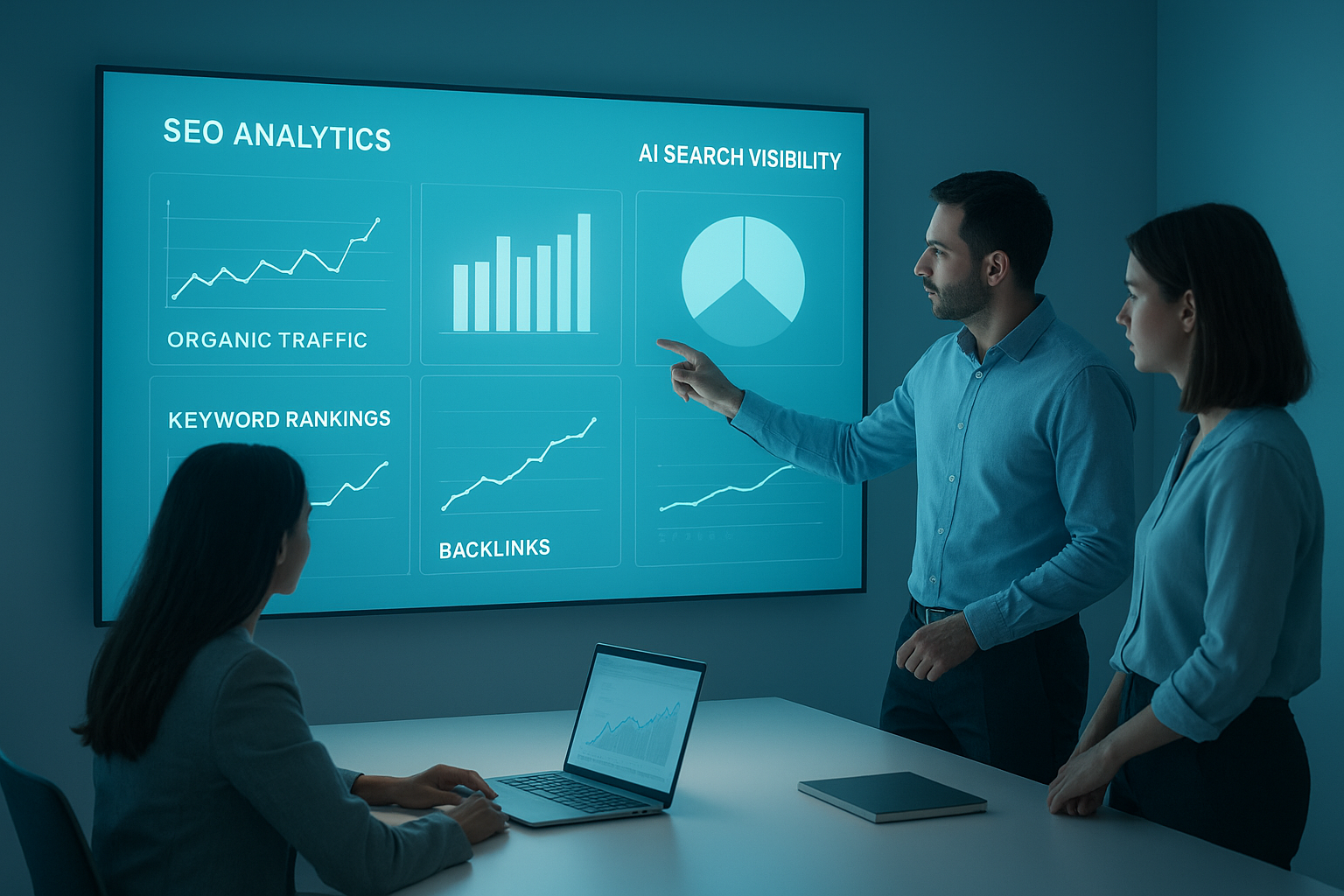
Enterprise AI SEO solutions consolidate audits, fixes, and AI visibility tracking into one dashboard.
What Are Enterprise AI SEO Solutions?
Enterprise AI SEO solutions are software platforms built specifically for the scale and complexity of large websites. Instead of manually auditing pages one by one, these platforms use automated crawlers and algorithms to detect technical issues, generate fixes, and deploy schema markup across an entire domain in a single workflow.
Furthermore, these platforms usually extend beyond classic search engine optimization. According to industry coverage from Wikipedia’s overview of search engine optimization, ranking factors have grown to include page experience, structured data, and content relevance signals. Enterprise-grade tools now layer AI visibility monitoring on top of these traditional signals, tracking whether a brand’s content gets cited inside AI Overviews and chatbot answers.
Why Enterprise Businesses Need AI-Powered SEO at Scale
Large websites face a unique problem: even small technical errors, when repeated across thousands of pages, compound into major ranking losses. Consequently, AI-powered SEO automation has become essential rather than optional for enterprise marketing teams.
For example, a single broken schema template can affect every product page on an e-commerce site. Similarly, outdated internal linking structures can waste crawl budget and dilute authority across key category pages. In addition, generative engines now summarize search results directly, which means enterprises must also compete for citation inside AI answers, not just for a spot on page one.
As a result, teams that rely solely on manual audits often fall behind. Automated platforms, by contrast, can scan an entire site, prioritize the highest-impact fixes, and deploy them without waiting weeks for a developer queue.
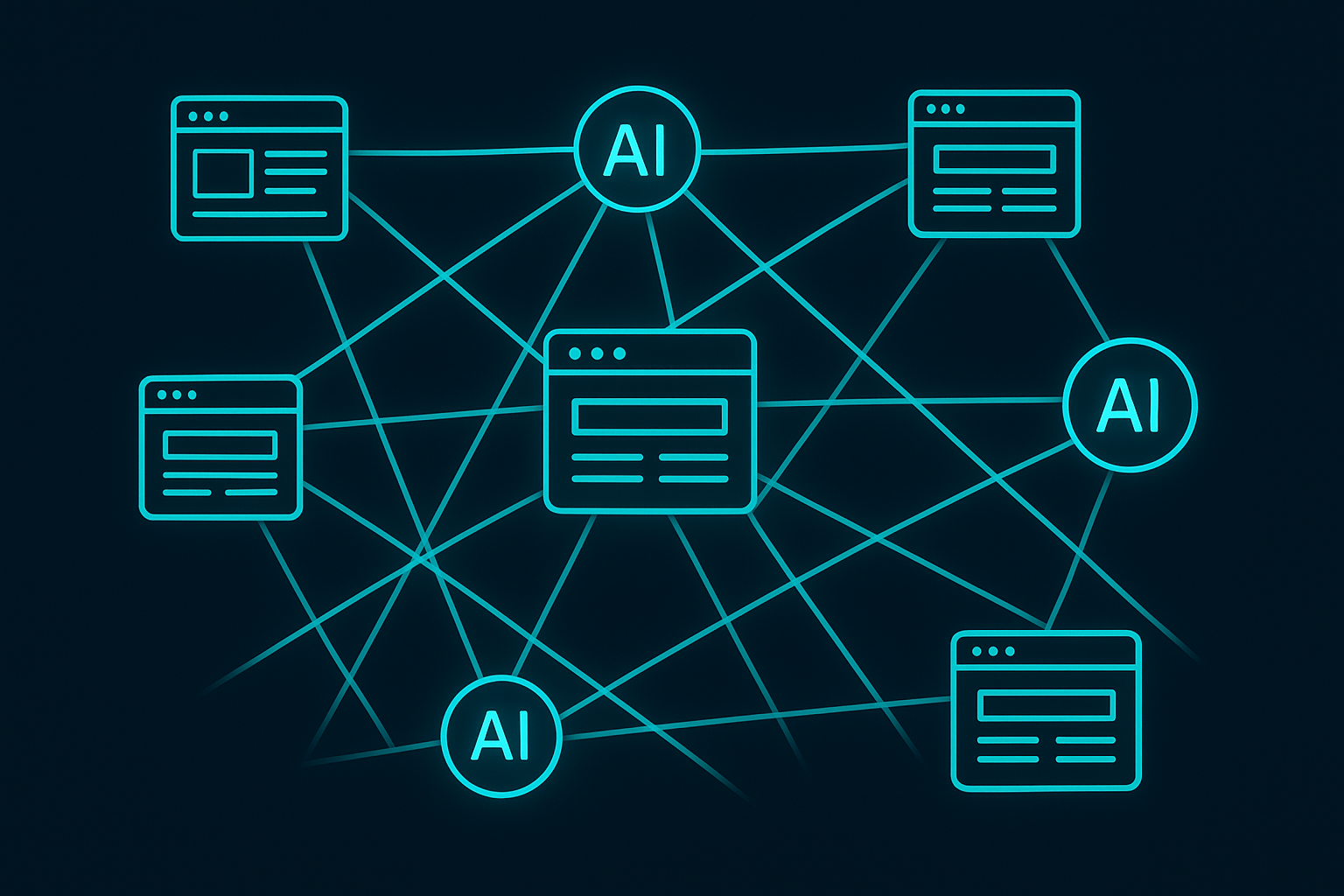
A connected internal linking structure supports both traditional SEO and AI citation across large sites.
Core Components of Enterprise AI SEO Solutions
Most enterprise AI SEO solutions share a similar set of building blocks, even though the specific features vary by vendor. Understanding these components helps buyers compare platforms more accurately.
Generative Engine Optimization (GEO) for Enterprise Visibility
Generative Engine Optimization, or GEO, focuses on building dedicated pages that AI systems can quote directly. These pages typically include clear definitions, statistics, and structured answers designed for citation rather than pure keyword ranking. In practice, this often looks like a purpose-built resource page that answers a specific question in the first paragraph, then supports it with data.
Answer Engine Optimization (AEO) and Schema Automation
Answer Engine Optimization, or AEO, formats content so it can appear in featured snippets and voice answers. This relies heavily on schema markup, which explains page structure to machines. According to Google’s structured data documentation, well-implemented schema increases eligibility for rich results. Automated platforms generate and deploy this markup, referencing standards from Schema.org, without requiring manual code edits on every page.
How to Implement an Enterprise AI SEO Strategy
Rolling out automation across a large site works best as a structured process rather than a single one-time fix. Below is a practical sequence enterprise teams can follow.
- Run a full site audit. Identify crawl errors, missing schema, slow-loading pages, and broken links before any automation begins.
- Deploy automated technical fixes. Resolve indexing gaps, meta tag issues, and structured data problems site-wide instead of page by page.
- Build GEO artifact pages. Create structured pages with direct answers and statistics that AI systems can cite accurately.
- Structure content for AEO. Add question-based headings and FAQ schema so pages can surface in snippets and AI answer boxes.
- Monitor AI visibility and adjust. Track citation frequency monthly and refine underperforming pages using competitor gap analysis.
Tools like the 1-Click AI AutoPilot feature inside rankauthority.com automate several of these steps simultaneously, which can significantly shorten the rollout timeline for large websites. If your team is still comparing platforms, this AI SEO software buyer’s guide breaks down feature differences in more depth.
Choosing the Right Enterprise SEO Automation Platform
Not every automation tool is built for enterprise complexity. Therefore, it helps to evaluate platforms against a few specific criteria before committing budget.
| Criteria | Why It Matters |
|---|---|
| Site-wide automation | Ensures fixes apply across thousands of pages, not just a sample set. |
| AI visibility monitoring | Tracks citations inside AI Overviews and chatbot answers, not just rankings. |
| CMS integrations | Allows fixes to deploy directly on WordPress, Shopify, Webflow, and similar platforms. |
| Competitor intelligence | Reveals keyword gaps and rival page strategies worth targeting. |
For teams weighing broader strategy questions beyond software features, this guide on SEO solutions for entrepreneurs covers foundational considerations that still apply at enterprise scale.
Enterprise AI SEO Solutions vs Traditional SEO Agencies
Traditional agencies typically rely on manual audits, quarterly reporting, and human-written recommendations. In contrast, enterprise AI SEO solutions apply fixes continuously and adjust based on real-time crawl data. Consequently, response times shrink from weeks to days in many cases.
That said, agencies still bring strategic judgment that automation cannot fully replicate, particularly around brand positioning and editorial voice. As noted in a broader look at smart SEO solutions for AI-powered search rankings, the strongest enterprise results usually come from pairing automated infrastructure with focused human oversight on high-value pages.
One industry estimate from Search Engine Land suggests that AI-driven search summaries now influence a growing share of informational queries, which is why monitoring AI citation performance has become as important as tracking classic keyword rankings. Site owners who also want to compare page speed impact can review tools discussed in this piece on website performance tools that boost rankings.
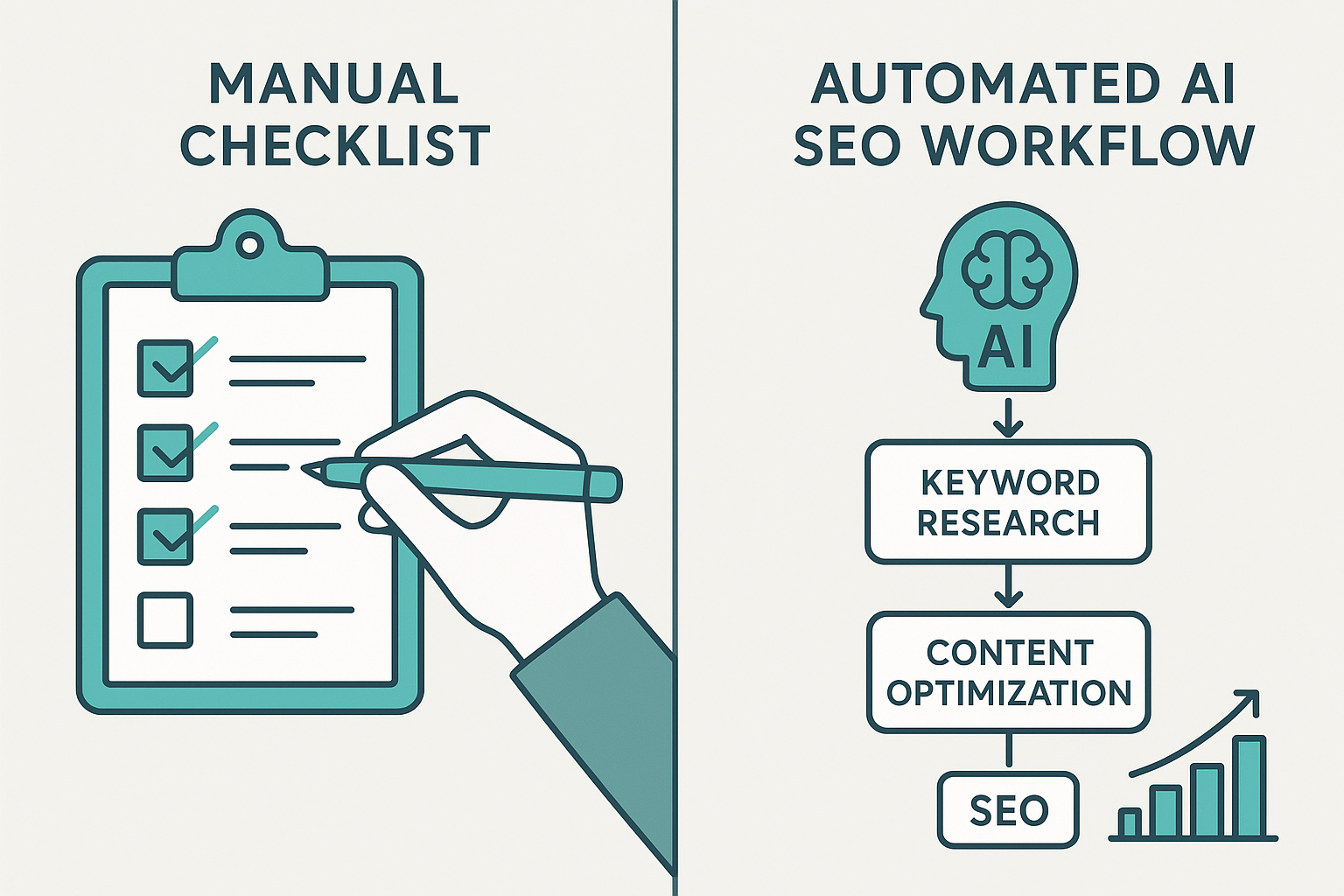
Automated enterprise AI SEO solutions replace slow manual audits with continuous, site-wide fixes.
Frequently Asked Questions
What are enterprise AI SEO solutions?
Enterprise AI SEO solutions are automated platforms that combine technical SEO, schema deployment, and AI visibility tracking to help large organizations rank across search engines and AI answer tools. They typically handle site audits, fixes, content generation, and citation monitoring at scale.
How do enterprise AI SEO solutions differ from traditional SEO tools?
Traditional SEO tools mostly track rankings and backlinks, while enterprise AI SEO solutions actively automate fixes, generate optimized content, and monitor visibility inside AI-generated answers. This shift matters because generative engines now summarize results instead of just listing links.
Why do large organizations need AI-powered SEO automation?
Large organizations manage thousands of pages, and manual optimization cannot keep pace with algorithm changes or AI search updates. AI-powered SEO automation applies fixes consistently across an entire site in hours instead of months.
How long does it take to see results from enterprise AI SEO solutions?
Most businesses notice technical improvements, such as faster indexing and cleaner schema, within two to four weeks. Ranking and AI citation gains generally build over two to four months as search engines recrawl the updated pages.
How much do enterprise AI SEO solutions cost?
Pricing varies widely depending on site size and feature scope, ranging from a few hundred to several thousand dollars per month. Costs usually scale with the number of pages audited, monitored, and automatically optimized.
What is Generative Engine Optimization (GEO)?
Generative Engine Optimization, or GEO, is the practice of structuring content so AI systems like chatbots and AI Overviews can cite it directly in generated answers. It focuses on clear, quotable statements rather than only keyword rankings.
What is Answer Engine Optimization (AEO)?
Answer Engine Optimization, or AEO, formats content and schema so it can appear in featured snippets, voice answers, and AI-generated responses. It relies heavily on structured data, direct answers, and question-based headings.
What common mistakes do enterprises make when adopting AI SEO tools?
A common mistake is deploying automation without auditing existing schema conflicts, which can create duplicate or invalid markup. Another frequent error is ignoring internal linking structure, which limits how authority flows across a large site.
How does schema markup automation improve AI search visibility?
Schema markup automation adds structured data that explicitly tells search engines and AI systems what a page is about and how content pieces relate. This clarity increases the odds of being pulled into rich results and AI-generated summaries.
What best practices should enterprises follow when scaling AI SEO?
Enterprises should prioritize a full site audit before automation, maintain consistent internal linking, and monitor AI citation performance monthly. Combining automated fixes with human review of high-value pages typically produces the strongest results.
Can enterprise AI SEO solutions integrate with existing CMS platforms?
Yes, most enterprise AI SEO solutions connect directly with common platforms such as WordPress, Shopify, Webflow, and Wix. This integration allows fixes and content updates to deploy automatically without manual code changes.
How do you measure ROI from enterprise AI SEO solutions?
ROI is typically measured through organic traffic growth, keyword ranking improvements, and AI citation frequency across platforms like AI Overviews and chatbots. Tracking a baseline audit score before and after implementation makes the impact easier to quantify.
Do enterprise AI SEO solutions replace human SEO strategists?
No, enterprise AI SEO solutions handle repetitive technical work but still benefit from human strategy around brand voice and content priorities. The strongest results come from combining automation with experienced oversight, a point also explored in this AI SEO software strategy and real-world wins breakdown.
Final Thoughts on Enterprise AI SEO Solutions
In summary, enterprise AI SEO solutions give large organizations a way to keep pace with both traditional search algorithms and the rapid rise of AI-generated answers. By automating technical fixes, GEO artifact pages, and AEO schema, enterprise teams can protect visibility without needing a massive manual workload. Ultimately, the goal is not to remove human strategy but to free strategists from repetitive tasks so they can focus on positioning, messaging, and competitive gaps. As AI search continues to evolve, businesses that adopt enterprise AI SEO solutions early are better positioned to stay visible across both classic search results and the AI-driven answers shaping the next era of discovery.