

AI-enhanced digital marketing is reshaping how brands attract, convert, and retain customers by pairing artificial intelligence with traditional marketing strategy. Instead of relying purely on manual research and guesswork, marketers now use machine-driven insights to personalize content, automate campaigns, and improve visibility across search engines and AI-powered answer tools. This shift matters because search itself is changing fast, with AI overviews and chat-based assistants now influencing how people discover brands online. For businesses that want to stay visible, understanding AI-enhanced digital marketing is no longer optional.
Quick answer: AI-enhanced digital marketing is the use of artificial intelligence technologies—such as machine learning, natural language processing, and automation—to plan, execute, and continuously optimize marketing campaigns across SEO, content, advertising, and AI-driven search platforms.
What Is AI-Enhanced Digital Marketing?
AI-enhanced digital marketing is the practice of applying artificial intelligence tools to core marketing functions such as SEO, content creation, ad targeting, and customer segmentation. In practice, this means software analyzes data patterns, predicts customer behavior, and automates repetitive optimization tasks that once required entire specialist teams.
Unlike conventional marketing, which depends heavily on manual A/B testing and static keyword research, AI-driven marketing continuously learns from real-time performance data. As a result, campaigns adjust automatically as audience behavior shifts, rather than waiting for a quarterly review. According to the broader concept of digital marketing, this automation layer is simply the latest evolution of a field built on constant experimentation.
AI-enhanced digital marketing brings automation and real-time insight to everyday campaign management.
How Does AI-Driven Marketing Actually Work?
AI-driven marketing works by combining large datasets with algorithms trained to recognize patterns humans might miss. For example, natural language processing, a branch of artificial intelligence that helps computers understand human language, allows tools to analyze search intent and generate content aligned with what audiences are actually asking.
In particular, machine learning models study previous campaign results to forecast which messaging, channels, and timing will perform best. Consequently, marketers spend less time on manual guesswork and more time on strategy and creative decisions.
Similarly, generative engine optimization and answer engine optimization have emerged as newer disciplines within AI-enhanced digital marketing. These approaches focus on making content easy for AI systems, like chatbots and AI overviews, to understand, cite, and recommend. You can explore this shift further through resources like rankauthority.com, which focuses specifically on this emerging search category.
A Step-by-Step Process for AI-Powered Campaign Optimization
Getting started with AI-powered marketing does not require a complete overhaul of existing systems. Instead, most businesses adopt AI-enhanced digital marketing gradually, following a structured process like the one below.
- Audit your current marketing stack. Review existing tools, content, and campaigns to identify where manual, repetitive tasks are slowing down your team’s output.
- Define clear AI-driven marketing goals. Decide whether you want to improve organic visibility, automate ad bidding, or personalize email sequences before choosing any tool.
- Select AI tools that match your workflow. Choose platforms that integrate with your existing CMS, CRM, or analytics stack rather than adding disconnected software.
- Feed AI systems with quality data. Provide clean, well-organized customer and performance data, since AI output is only as reliable as the information behind it.
- Automate repetitive optimization tasks. Let automation handle keyword tracking, content updates, and bid adjustments so your team can focus on strategy.
- Monitor, test, and refine continuously. Review AI-generated recommendations regularly and adjust settings, since ongoing supervision keeps campaigns aligned with brand goals.
Businesses looking for deeper guidance on execution can also review this complete guide to AI technology in digital marketing for additional implementation detail.
Key Benefits of AI Marketing Automation
Businesses that adopt AI marketing automation often see measurable gains in efficiency and reach. For instance, industry surveys have reported that more than 60 percent of marketers now use AI tools for at least one part of their content or campaign workflow, reflecting how mainstream this approach has become in just a few years.
Above all, AI-enhanced digital marketing helps small teams compete with larger organizations. Because automation handles time-consuming tasks like reporting and keyword research, smaller businesses can redirect resources toward creative strategy and customer relationships. In addition, AI tools improve personalization at scale, which typically leads to stronger engagement than generic, one-size-fits-all campaigns.

Human oversight combined with automation produces the strongest results in AI-driven marketing.
Choosing the Right AI-Enhanced Digital Marketing Partner
Selecting the right platform matters just as much as adopting AI in the first place. Look for providers that combine automation with transparency, so you always understand why a recommendation was made.
For example, rankauthority.com offers a 1-Click AI AutoPilot system designed to automate the technical and strategic work behind generative engine optimization and answer engine optimization. This approach suits small business owners, agencies, and marketers who want AI-enhanced digital marketing results without a steep learning curve, backed by a risk-free seven-day trial period.
Similarly, many businesses compare several AI marketing solutions for smarter campaigns or review a broader guide to AI tools for digital marketing before settling on a platform that fits their goals and budget.
Common Mistakes to Avoid With Artificial Intelligence in Marketing
Even well-designed AI tools can underperform when implemented poorly. One common mistake is feeding AI systems inconsistent or outdated data, which leads to inaccurate recommendations and wasted ad spend.
Another frequent error involves removing human oversight entirely. Although automation handles repetitive work well, brand voice and ethical judgment still require human review, particularly for customer-facing content. The Federal Trade Commission’s guidance on business AI use reinforces this point, noting that human accountability remains essential regardless of automation level.
Finally, some businesses expect instant results. However, AI-driven digital marketing typically shows compounding benefits over weeks and months, not overnight, so patience and consistent monitoring matter. For a broader overview, this collection of AI solutions for digital marketing that drive results outlines realistic timelines for common use cases.
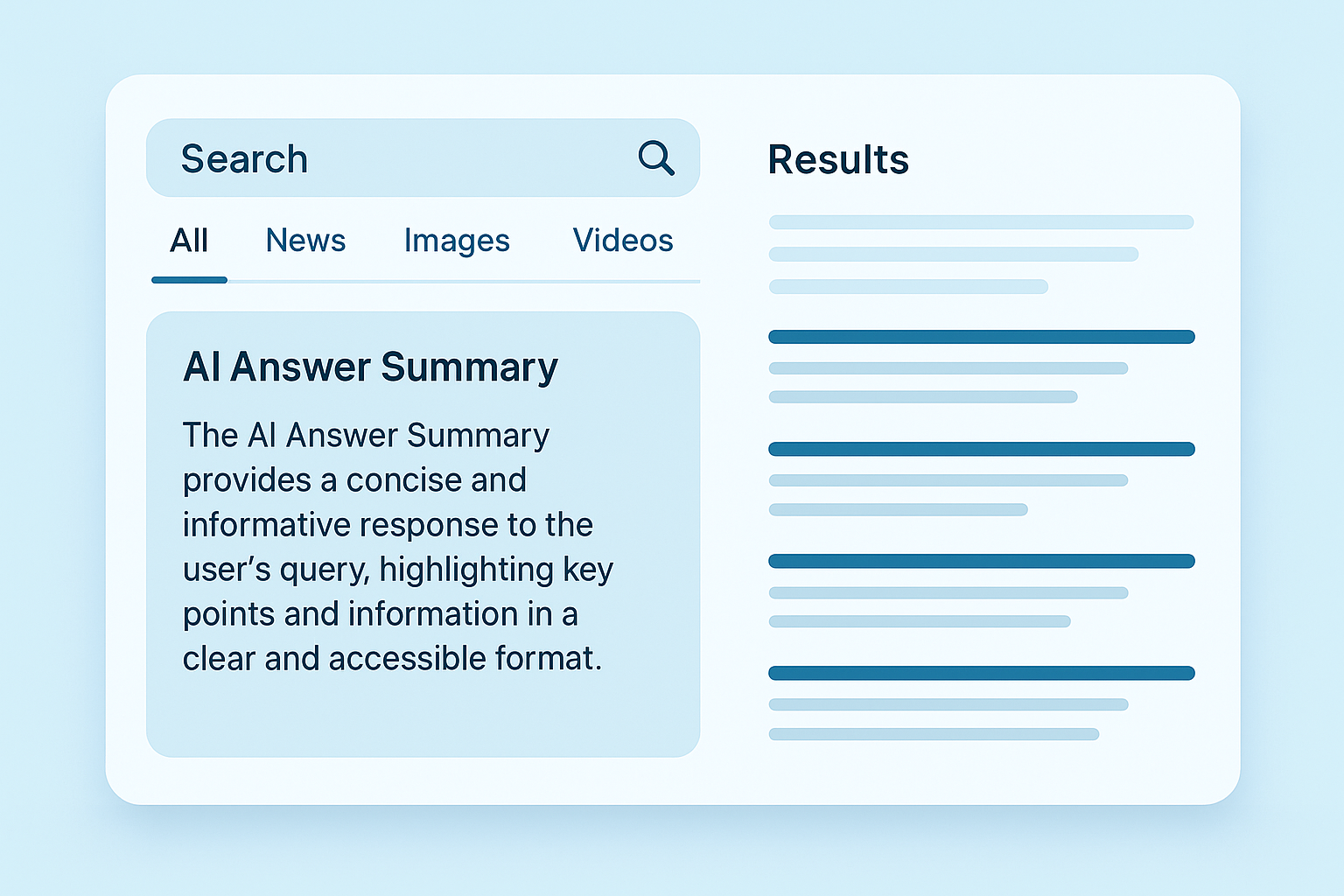
AI overviews now sit alongside traditional organic listings, changing how visibility is earned.
Frequently Asked Questions About AI-Enhanced Digital Marketing
What is AI-enhanced digital marketing?
AI-enhanced digital marketing is the use of artificial intelligence tools to plan, automate, and optimize marketing campaigns across SEO, content, and advertising channels. It helps businesses analyze data faster and personalize outreach at scale.
How is AI-enhanced digital marketing different from traditional digital marketing?
Traditional digital marketing relies mainly on manual research and periodic reporting, while AI-enhanced digital marketing uses machine learning to adjust campaigns in real time for faster, data-backed decisions.
Is AI-enhanced digital marketing expensive to implement?
Costs vary widely, from free built-in AI features to dedicated automation platforms with monthly subscriptions. Many providers offer trial periods so businesses can test value before paying full price.
How long does it take to see results from AI-driven marketing?
Most businesses notice measurable improvements within a few weeks, though significant visibility gains often build over two to three months depending on data quality and consistency.
Can small businesses benefit from AI marketing automation?
Yes, small businesses often benefit the most since automation reduces the need for large in-house marketing teams and handles specialist tasks like reporting and keyword research.
What is generative engine optimization (GEO)?
Generative engine optimization is the practice of structuring content so AI chat tools and generative search engines can understand, summarize, and cite it accurately.
What is answer engine optimization (AEO)?
Answer engine optimization focuses on formatting content so it directly answers common questions, increasing its chances of appearing in voice assistants and AI-generated answers.
Do I still need SEO if I use AI-enhanced digital marketing?
Yes, SEO remains foundational. AI-enhanced digital marketing builds on solid SEO practices by adding automation and optimization for newer AI-driven search experiences.
What data does AI need to work well in marketing?
AI systems perform best with clean, organized data such as website analytics, customer behavior history, and past campaign performance.
What are common mistakes businesses make with AI marketing tools?
Common mistakes include using outdated data, removing human review entirely, and expecting instant results instead of gradual, compounding gains.
Can AI-enhanced digital marketing replace a marketing team?
No, AI is best used to support a marketing team rather than replace it. Human oversight remains important for brand voice and strategic decisions.
How do I choose the right AI-enhanced digital marketing platform?
Look for a platform that integrates with your existing tools, offers transparent reporting, and provides a trial period before you commit long term. This overview of AI-based digital marketing solutions can help with comparisons.
Is AI-enhanced digital marketing suitable for local businesses?
Yes, local businesses can use AI tools to automate local SEO tasks, manage reviews, and personalize outreach to nearby customers efficiently.
Final Takeaways
In summary, AI-enhanced digital marketing gives businesses of every size a practical way to keep pace with rapidly changing search behavior. By combining automation with human strategy, brands can improve visibility across traditional search engines and newer AI-driven answer tools alike.
Whether you are just starting to explore AI-driven marketing or refining an existing strategy, platforms like rankauthority.com make it easier to act on these opportunities without a steep learning curve. Above all, the businesses that adapt early to AI-enhanced digital marketing will likely maintain a lasting competitive advantage as search continues to evolve.

