

AI overview optimization is the practice of structuring website content so AI-generated answer summaries — like Google’s AI Overviews, ChatGPT responses, and Perplexity answers — cite your brand as a trusted source. As AI search tools reshape how people find information, businesses that ignore this shift risk losing visibility even when they rank well in traditional search results. This guide breaks down what AI overview optimization means, why it matters, and how to apply it to your own site starting today.
Direct answer: AI overview optimization means formatting content with clear, extractable answers, structured data, and strong topical authority so AI search features can confidently cite your pages instead of a competitor’s.
What Is AI Overview Optimization?
AI overview optimization is the process of shaping website content, structure, and metadata so AI-powered search features can understand, extract, and cite it accurately. Unlike traditional ranking factors alone, this discipline blends technical SEO automation, Generative Engine Optimization (GEO), and Answer Engine Optimization (AEO) into a single strategy focused on one outcome: getting mentioned inside the answer itself, not just listed below it.
In practice, this means writing short, direct answers near the top of a section, adding schema markup that defines entities and facts, and organizing content around topics rather than isolated keywords. For example, Google’s own documentation on AI features and how they use website content confirms that structured, well-organized pages are easier for these systems to summarize correctly.
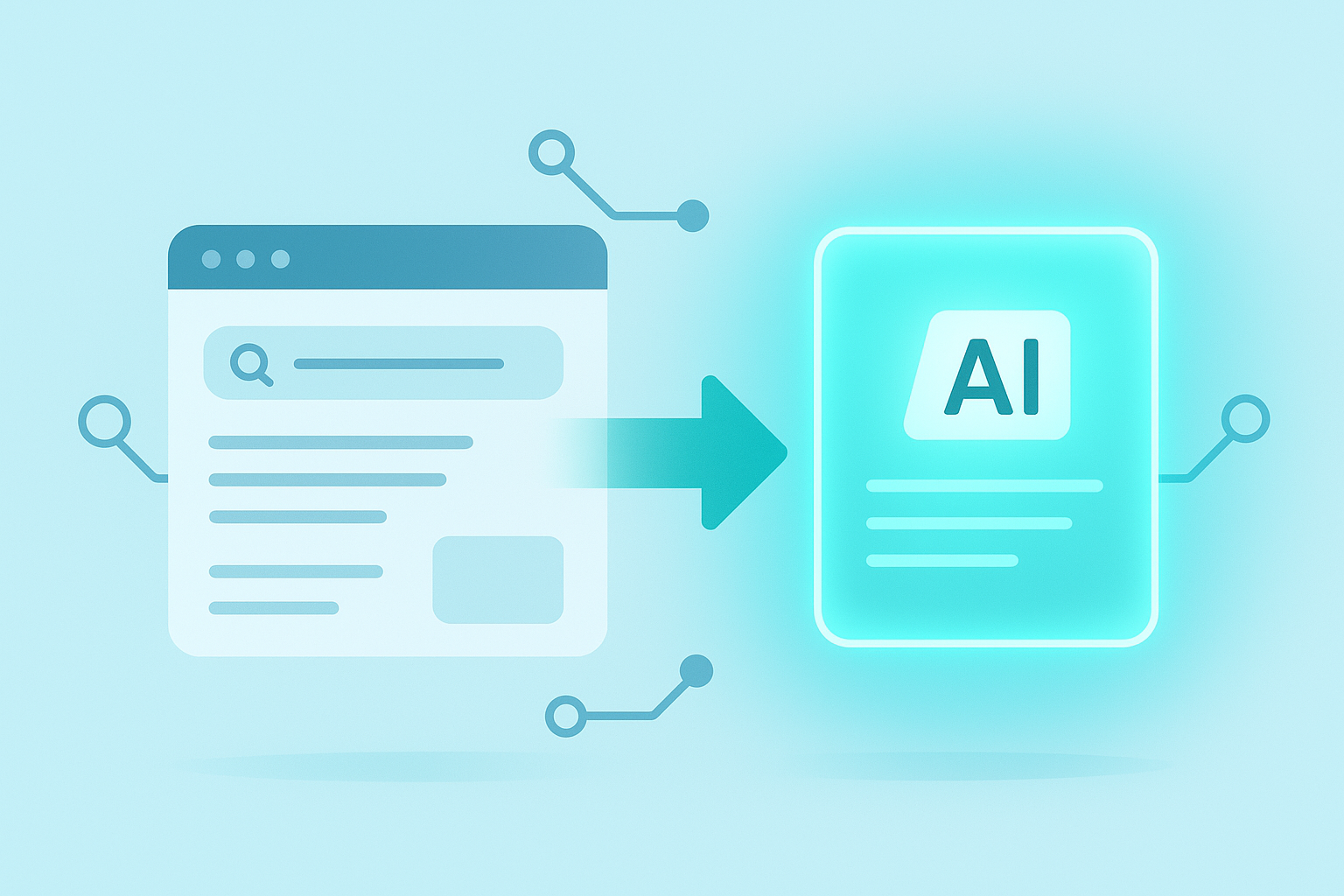
Visualizing how ai overview optimization connects structured content to AI-generated answer summaries.
Why AI Search Visibility Is Becoming Essential
AI-generated summaries now appear across billions of search sessions worldwide, often placed above traditional organic results. Google has publicly described AI Overviews as a feature reaching more than a billion users monthly across over 100 countries, which signals how quickly this format has scaled. Consequently, a page that ranks well but never gets cited in these summaries can still lose meaningful traffic.
Furthermore, because AI systems pull from multiple sources to build a single answer, visibility now depends on being recognized as a credible reference rather than simply outranking a list of competitors. In addition, as explained in this breakdown of how AI optimization technology is reshaping search, the shift affects nearly every industry, not just large enterprises with dedicated SEO teams.
As a result, small businesses and solo marketers who adapt early often gain a disproportionate advantage, since less competition currently exists for AI citations in many niche topics.
How Do AI Overviews Actually Work?
AI Overviews work by using a generative model, a type of system trained to produce human-like text based on patterns learned from large datasets, to synthesize information from several web sources into one direct response. Rather than displaying ten blue links, the system reads multiple pages, extracts relevant facts, and compresses them into a short, readable summary with selected citations.
Specifically, the model favors content that is unambiguous, well-structured, and backed by clear supporting evidence, similar to how the broader field of generative artificial intelligence processes and reassembles information. Therefore, pages written in dense paragraphs with no clear structure are harder for these systems to parse and cite reliably.
Step-by-Step: How to Approach AI Overview Optimization
Below is a practical, repeatable process for improving AI answer visibility across most website types.
- Audit current AI visibility. Check where your brand already appears in AI-generated answers and where it’s missing, using an AI visibility checker or manual test queries.
- Structure content in question-answer format. Lead each section with a direct, extractable answer before adding supporting detail.
- Add structured data and schema markup. This gives AI crawlers explicit, machine-readable context about your entities and claims, as outlined on Schema.org.
- Build topical authority with internal links. Connect related pages so search engines understand the full scope of your expertise.
- Publish original data and statistics. AI systems favor unique information over content that repeats widely available facts.
- Earn authoritative citations. Link to credible sources and work toward being referenced by other reputable sites.
- Monitor citations and refine content. Track whether your pages appear in AI answers, then update underperforming content.
Key Techniques for AI Overview Optimization
Beyond the basic process, several techniques consistently improve how often content gets cited. First, define key terms clearly on first use, since AI systems prioritize unambiguous explanations over jargon-heavy text. Second, keep paragraphs short and focused on a single idea, which mirrors how these systems extract standalone, quotable passages.
Third, strengthen topical authority by grouping related articles together through automated internal linking strategies, similar to the approach detailed in this complete guide to smarter AI SEO. Fourth, keep schema markup current, since outdated or missing structured data can cause AI systems to misread page context entirely.
Finally, pair on-page work with ongoing monitoring. Visibility is not a one-time fix; it requires tracking citations across platforms and adjusting content as AI models update their sourcing behavior.

Tracking citations across AI platforms is a core part of ongoing AI overview optimization.
Common Mistakes That Hurt AI Answer Visibility
Many businesses undermine their own efforts without realizing it. One frequent mistake is burying the direct answer under several paragraphs of introduction, which makes it harder for AI systems to locate the core point. Another common error is skipping structured data entirely, leaving pages without the explicit context that schema markup provides.
In addition, some sites publish thin, generic content that simply repeats information already available elsewhere, which rarely earns a citation. Similarly, failing to monitor results means businesses often don’t realize when a competitor overtakes them in AI answers. For a broader look at the tools available to avoid these pitfalls, this complete guide to AI optimization tools covers diagnostic options worth testing.
How Rank Authority Supports AI Overview Optimization
Rank Authority is an AI-powered search optimization platform built to automate the work behind AI overview optimization, rather than requiring an in-house specialist. Its 1-Click AI AutoPilot technology scans a website, identifies technical and content gaps, and streamlines approved fixes across traditional SEO, GEO, and AEO simultaneously.
Specifically, tools like RankFast analyze competitor pages and help rebuild weaker content to compete more effectively, while RankLink automates topical siloing and internal linking, a factor directly tied to the techniques covered above. Meanwhile, AI visibility monitoring tracks whether a site is being cited across major AI answer platforms, and the RA Score gives a measurable snapshot of overall search authority.
For schema-specific implementation, which plays a central role in AI overview optimization, this schema optimization service guide explains how structured data is generated and deployed. Note that Rank Authority can submit pages for indexing, but Google alone determines whether and when a page is indexed. Businesses evaluating platforms like this can also review how much AI search optimization typically costs before committing to a plan. A seven-day trial is available at rankauthority.com for businesses wanting to test the platform directly.
Frequently Asked Questions
What is AI overview optimization?
AI overview optimization is the process of structuring and formatting website content so AI-generated answer summaries, such as Google’s AI Overviews, can easily extract and cite it. It focuses on clear answers, structured data, and topical authority rather than keyword density alone.
How is AI overview optimization different from traditional SEO?
Traditional SEO focuses on ranking a page in a list of links, while AI overview optimization focuses on getting content cited inside a generated answer. The underlying signals overlap, but AI optimization places more weight on clear structure and extractable direct answers.
Why does AI overview optimization matter for small businesses?
Small businesses lose visibility when AI answers summarize information without sending a click to any website. Optimizing for AI overviews increases the chance that a business name or recommendation appears directly inside that summary.
What is the difference between GEO and AEO?
Generative Engine Optimization (GEO) focuses on earning citations inside AI-generated responses from tools like ChatGPT or Perplexity, while Answer Engine Optimization (AEO) focuses on structuring content for direct answer boxes and featured snippets. Both strategies support AI overview optimization.
How long does it take to see results from AI overview optimization?
Most sites need several weeks to a few months before AI systems recognize new structure and citations. Individual results vary depending on site authority, content quality, and competition.
Does schema markup help with AI overview optimization?
Yes, schema markup gives search engines and AI systems explicit, machine-readable context about entities, facts, and relationships on a page. This makes it easier for AI overview systems to extract accurate information.
What are common mistakes in AI overview optimization?
Common mistakes include burying direct answers under long introductions, skipping structured data, and failing to monitor whether content is actually being cited. Thin, generic content also underperforms in AI answers.
How much does AI overview optimization cost?
Costs vary widely depending on whether a business handles optimization manually, hires an agency, or uses an automated platform. A detailed breakdown is available in this guide on how much AI search optimization costs.
Can AI overview optimization improve traditional Google rankings too?
Yes, many of the same practices, including clear structure and topical authority, support both traditional rankings and AI answer visibility. The two goals are complementary rather than competing.
Which AI platforms should businesses monitor for citations?
Businesses should track visibility across Google AI Overviews, ChatGPT, Perplexity, and other major AI answer platforms, since each sources information differently. Dedicated monitoring tools can track citations across these platforms in one dashboard.
Does AI overview optimization require technical expertise?
Manual AI overview optimization can require technical knowledge of schema markup and site architecture. Automated platforms reduce that barrier by handling technical implementation on behalf of the business.
What role does internal linking play in AI overview optimization?
Internal linking helps search engines and AI systems understand how pages relate to one another, reinforcing topical authority around a subject. Strong internal linking makes it easier for AI models to identify a site as trustworthy.
Can indexing be guaranteed as part of AI overview optimization?
No platform can guarantee indexing, since Google alone determines whether and when a page is indexed. Tools can submit pages for indexing and improve supporting technical factors, but final inclusion is never guaranteed.
Is AI overview optimization only relevant for large companies?
No, AI overview optimization is relevant for any business with an online presence, including small businesses and solo entrepreneurs. Smaller sites often see meaningful gains since less competition exists for AI citations in niche topics.
Final Thoughts on AI Overview Optimization
In summary, AI overview optimization is no longer optional for businesses that depend on search visibility to attract customers. As AI Overviews, ChatGPT, and similar tools continue reshaping how people find answers, websites that structure content clearly, implement schema markup, and build genuine topical authority will earn more citations than those that don’t.
Ultimately, the fastest path forward combines solid content fundamentals with consistent monitoring, since visibility can shift as AI models update. Whether a business tackles this manually or uses automated tools like those offered through Rank Authority, the core principle remains the same: clarity, structure, and credibility drive AI overview optimization success. Individual results vary, so ongoing measurement matters as much as the initial setup.

