

AI Search Engine Ranking Platform: Complete 2026 GuideAn AI search engine ranking platform is a software system that uses artificial intelligence to help websites rank higher across Google, Bing, and emerging answer engines like ChatGPT and Perplexity. As search shifts from simple keyword matching toward conversational, AI-generated answers, businesses need tools that adapt automatically rather than relying on manual guesswork. This guide breaks down how these platforms work, what separates strong tools from weak ones, and how to choose one that fits your goals.
Quick answer: An AI search engine ranking platform automates SEO, GEO, and AEO tasks using machine learning, helping a website earn visibility in both traditional search results and AI-generated answers with far less manual effort than legacy tools require.
 An AI search engine ranking platform continuously analyzes visibility data across search engines and AI answer tools.
What Is an AI Search Engine Ranking Platform?
An AI search engine ranking platform is a tool that automates SEO, GEO, and AEO tasks using machine learning to analyze content, technical performance, and competitor data. Instead of manually auditing pages or guessing which keywords to target, the software identifies opportunities and, in many cases, applies fixes automatically.
Unlike older SEO tools that only tracked keyword positions, modern platforms also monitor how brands appear inside AI-generated answers. For example, a platform might flag that a competitor is being cited in an AI Overview while your page is not, then recommend structural changes to close the gap. According to Wikipedia’s overview of search engine optimization, ranking factors have always evolved alongside search engine technology, and AI is simply the latest shift.
In practice, these platforms combine crawling technology, natural language processing, and reporting dashboards into one system. Consequently, teams spend less time on repetitive audits and more time on strategy.
Why AI-Powered Search Ranking Matters in 2026
Search behavior is changing quickly. Gartner has projected that traditional search engine volume could decline as much as 25% by 2026 as more users turn to AI chatbots and virtual assistants for answers instead of clicking through a list of links. As a result, businesses that only optimize for classic blue-link rankings risk losing visibility in a growing share of search activity.
In addition, large language models such as those documented on Wikipedia’s large language model page now summarize entire web pages into a single answer. Therefore, ranking well increasingly means being the source an AI system chooses to cite, not merely appearing on page one. This is precisely why AI-powered search ranking has become a priority for marketers, entrepreneurs, and agencies managing multiple client sites.
Key Features of a Strong AI Search Ranking Tool
Not every AI search ranking tool offers the same depth of automation. Specifically, look for these core capabilities before committing to a platform:
- Automated technical SEO audits that flag crawl errors, slow pages, and broken schema markup.
- AI-driven content optimization suggestions based on search intent, not just keyword density.
- Answer engine citation tracking to see when and how AI tools reference your content.
- Competitor gap analysis that highlights ranking opportunities your rivals have missed.
- Multi-site or multi-client dashboards for agencies managing several properties at once.
- Transparent reporting that ties changes to measurable ranking or traffic movement.
For a broader comparison of tools currently on the market, this guide to search engine ranking software and strategies is a useful next step.
 Core automation features distinguish a capable AI-powered ranking platform from a basic keyword tracker.
How AI-Driven Ranking Software Works: A Step-by-Step Process
Although platforms vary in design, most follow a similar automated workflow. Here is the typical process:
- Site Audit and Baseline Analysis: The platform crawls the entire website to catalog technical issues, content gaps, and existing keyword rankings before making any changes.
- Keyword and Topic Mapping: AI algorithms group related search terms into intent-based topic clusters so content can target what users and AI systems are actually asking.
- Automated Optimization Application: The system applies on-page fixes, schema markup, and content recommendations automatically, reducing the manual workload typically required for SEO improvements.
- AI Citation and Answer Engine Monitoring: The platform tracks whether the site appears in AI Overviews, chatbot answers, and other generative search results, not just traditional rankings.
- Continuous Learning and Reporting: The software refines its strategy using fresh performance data and delivers ongoing dashboards so teams can track measurable progress over time.
Google’s own Search Central documentation confirms that structured, well-organized content remains foundational to this entire process, regardless of how much automation sits on top of it.
GEO vs AEO vs Traditional SEO: What’s the Difference?
Traditional SEO focuses on ranking within a search engine results page, typically through keywords, backlinks, and technical performance. Generative Engine Optimization (GEO), by contrast, focuses on being summarized or cited within AI-generated answers, such as Google’s AI Overviews. Answer Engine Optimization (AEO) overlaps with GEO but emphasizes structuring content so voice assistants and chat-based tools can extract a direct answer quickly.
In practice, these three disciplines share many tactics, including clear formatting, structured data, and authoritative sourcing. However, the measurement of success differs: SEO tracks rank position, while GEO and AEO track citation frequency and answer accuracy. Therefore, a modern AI search engine ranking platform typically addresses all three at once rather than treating them as separate projects.
Choosing the Right AI Search Optimization Platform for Your Business
Selecting a platform depends heavily on team size, technical skill, and how many sites you manage. Small business owners, for instance, often need something that works with minimal setup, while agencies require multi-client dashboards and white-label reporting.
RankAuthority approaches this with its 1-Click AI AutoPilot technology, which automates much of the technical and strategic GEO and AEO work that would otherwise require dedicated expertise. The platform is built for small business owners, digital marketers, entrepreneurs, and agencies managing multiple properties, and it includes a risk-free seven-day trial so teams can evaluate results before subscribing.
For further research, this comparison of RankAuthority against Outrank.so outlines how different providers approach automation. Similarly, this breakdown of what AISEO does for SEO is a useful reference if you’re comparing multiple AI writing and optimization tools. Readers who want a hands-on look can also review this platform walkthrough, and those seeking deeper technical criteria should consult the 2026 buyer’s guide to AI-powered search ranking software before making a final decision.
Common Mistakes to Avoid When Adopting Ranking Automation Tools
Even strong platforms fail to deliver results when used incorrectly. Above all, avoid treating automation as a replacement for strategy rather than a support system for it.
- Ignoring technical fundamentals like site speed and mobile usability.
- Applying automated suggestions without any human review or brand voice check.
- Letting content go stale instead of updating it as AI answer formats evolve.
- Failing to track ROI, which makes it impossible to judge whether the tool is working.
Consequently, the businesses that get the most value treat their AI search engine ranking platform as one part of a broader content and technical strategy, not a fully hands-off solution.
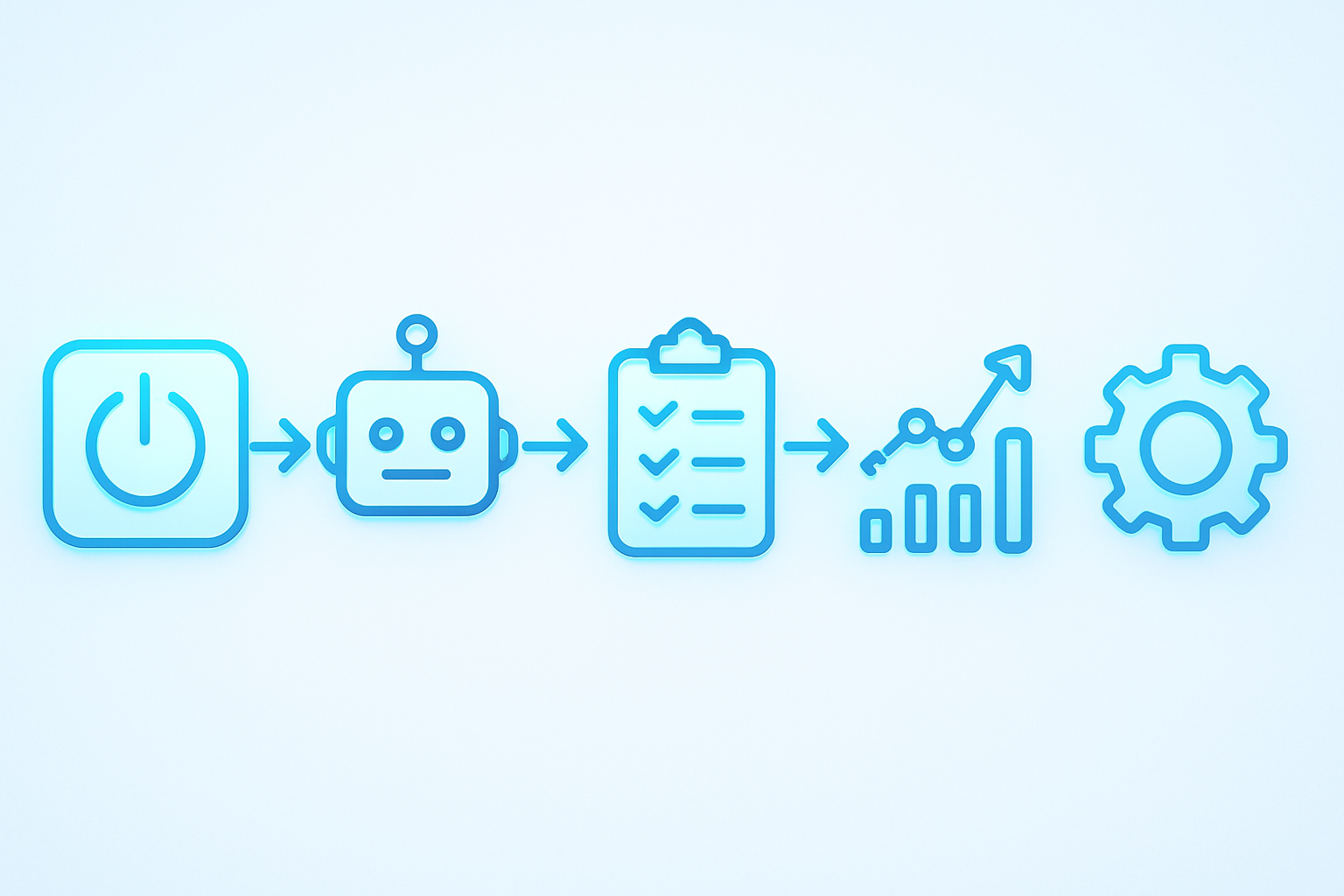 The typical automated workflow followed by an AI search engine ranking platform, from audit to reporting.
Frequently Asked Questions
What is an AI search engine ranking platform?
An AI search engine ranking platform is a software tool that uses artificial intelligence to analyze, optimize, and monitor a website’s visibility across search engines and AI-driven answer tools. It automates tasks such as content optimization, technical audits, and citation building that once required manual SEO work.
How does an AI search engine ranking platform improve visibility?
It continuously scans your site and competitors, then applies data-driven recommendations or automated fixes to strengthen rankings. As a result, visibility improvements often happen faster than with traditional manual methods.
What is the difference between GEO and traditional SEO?
Generative Engine Optimization (GEO) focuses on making content easy for AI systems like ChatGPT or Google’s AI Overviews to summarize and cite, while traditional SEO targets classic search engine result pages. Both share overlapping tactics but prioritize different outputs.
What is Answer Engine Optimization (AEO)?
AEO is the practice of structuring content so it directly answers user questions in formats that voice assistants and answer engines can easily extract. It often relies on clear definitions, FAQs, and structured data.
How much does an AI ranking platform cost?
Pricing varies widely, from under fifty dollars a month for basic tools to several hundred dollars for enterprise automation. Many providers, including RankAuthority, offer a free trial period so businesses can test results before committing.
How long does it take to see results?
Most businesses notice measurable movement in rankings within four to eight weeks, though competitive niches can take longer. Consistency and content quality matter more than speed alone.
Can small businesses use AI search ranking tools effectively?
Yes, small businesses often benefit the most because automation removes the need for a dedicated in-house SEO team. Affordable entry-level plans make these tools accessible to solo entrepreneurs as well.
What mistakes do businesses make when adopting AI search optimization?
Common mistakes include ignoring technical SEO fundamentals, over-relying on automation without human review, and failing to update content regularly. Skipping performance tracking is another frequent error.
Is an AI search engine ranking platform better than hiring an SEO agency?
Neither option is universally better; platforms excel at speed and scale, while agencies provide strategic nuance. Many businesses combine both approaches for the strongest results.
Does an AI ranking platform work for local businesses?
Yes, most platforms include local SEO features like citation management and Google Business Profile optimization. This helps local businesses compete in map pack results alongside traditional rankings.
What features should I look for in an AI SEO platform?
Look for automated technical audits, content optimization suggestions, AI-answer tracking, multi-site management, and transparent reporting. Above all, prioritize platforms with responsive support and clear onboarding.
How does AI-powered search differ from traditional Google search?
AI-powered search often generates a direct, synthesized answer instead of a list of links, pulling from multiple sources at once. Consequently, ranking well means earning citations within these AI-generated summaries, not just top-ten placements.
Can one platform manage multiple client websites?
Many AI ranking platforms, including agency-focused tools, support multi-site dashboards so marketers can manage several client accounts from a single login. This is particularly useful for agencies scaling their services.
What is a free trial period good for testing?
A free trial lets you evaluate the platform’s reporting accuracy, ease of use, and automation quality before paying. It also helps confirm whether the tool integrates well with your existing workflow.
How do I measure ROI from an AI search engine ranking platform?
Track organic traffic growth, keyword ranking improvements, and AI citation frequency before and after implementation. Comparing these metrics against subscription cost reveals whether the platform is delivering measurable value.
Final Thoughts
Choosing the right AI search engine ranking platform ultimately comes down to matching automation capability with your specific goals, whether that means improving traditional rankings, earning AI citations, or managing multiple client sites at once. As search continues shifting toward generative and conversational formats, businesses that adopt these tools early gain a meaningful head start. Therefore, evaluating features, pricing, and trial options carefully before committing is a worthwhile investment in long-term visibility.

