

An analysis backlink checker is a specialized SEO tool that crawls the web to discover, evaluate, and report every inbound link pointing to your domain — giving you the data you need to strengthen your authority and protect your rankings. Without this kind of visibility, you are essentially managing your site’s reputation in the dark.
Backlinks remain one of the most powerful ranking signals in Google’s algorithm. Therefore, understanding exactly who links to you, how authoritative those sources are, and whether any links are actively hurting you is essential for sustained organic growth. This guide walks you through everything you need to know.
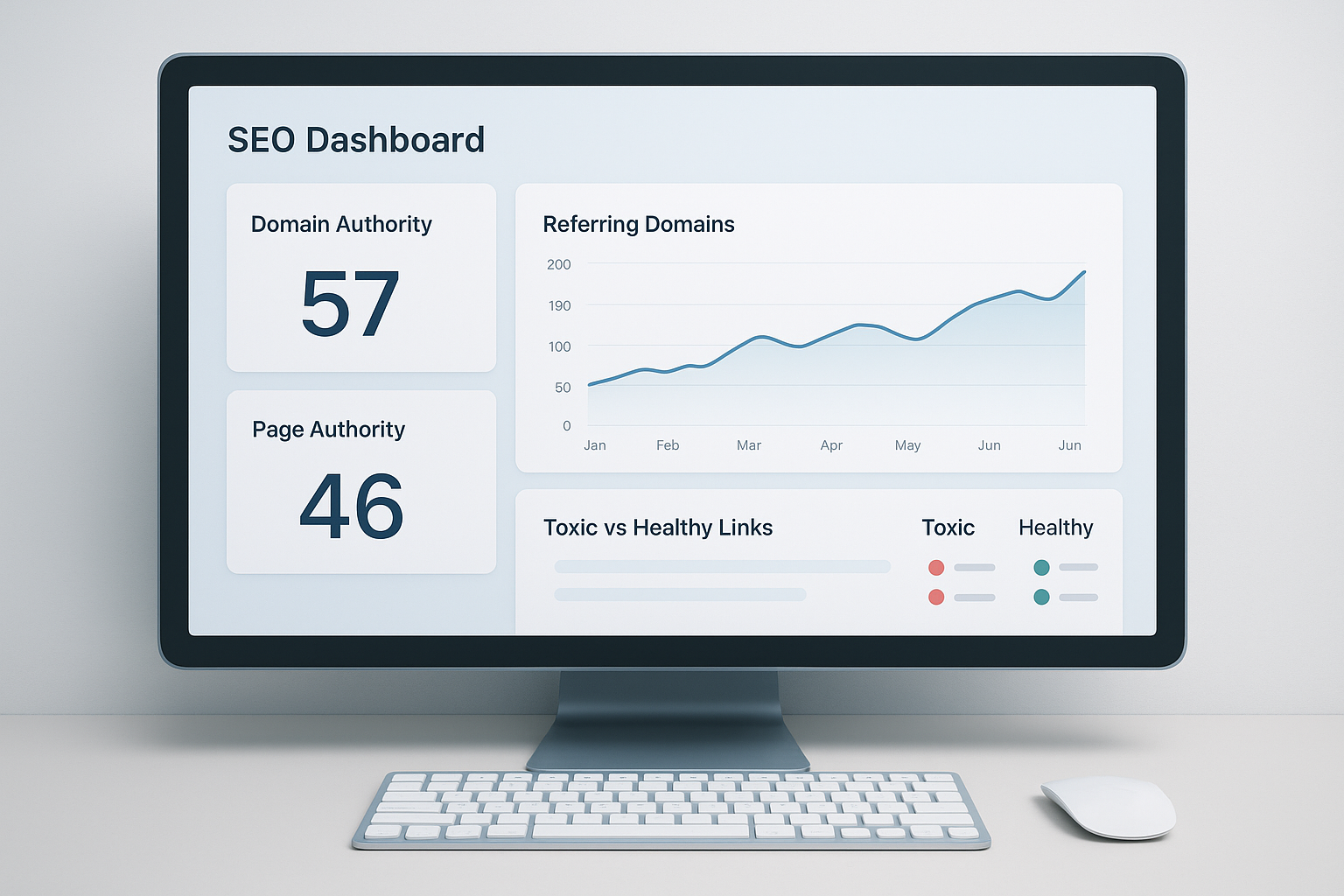
A well-designed analysis backlink checker dashboard puts your full link profile at a glance, from authority scores to toxic link alerts.
What Does an Analysis Backlink Checker Actually Measure?
At its core, a backlink checker pulls data from a proprietary or shared web crawl index and maps every external link pointing to your site. However, the raw count of links is only the beginning. The real value lies in the quality signals attached to each link.
The most important metrics to review include:
- Domain Authority / Domain Rating — A score predicting how well the linking domain ranks in search results.
- Referring Domains — The count of unique websites sending links, which carries more weight than total link count.
- Anchor Text Distribution — The variety of clickable text used across all inbound links.
- Dofollow vs. Nofollow Ratio — How much actual link equity is being passed to your pages.
- Spam Score — An indicator of how many toxic signals a linking domain carries.
- Link Velocity — The rate at which new links are being acquired over time.
According to Wikipedia’s overview of PageRank, Google’s foundational link-weighting algorithm, not all links are equal — authority and relevance both determine how much ranking power a link transfers. As a result, focusing solely on link volume is a common and costly mistake.
How to Run a Backlink Audit Step by Step
Running a structured audit ensures you do not miss critical issues. Follow these five steps to get the most out of any backlink analysis tool.
Step 1 — Enter Your Domain
Open your backlink checker and input your root domain (e.g., example.com). Most tools allow you to analyze a specific page as well, which is useful when auditing a high-priority landing page.
Step 2 — Review Referring Domains
Sort your referring domains by authority score. First, identify your strongest sources — these are your link-building benchmarks. Next, note any domains you do not recognize, as unfamiliar sources often warrant closer inspection.
Step 3 — Audit Anchor Text Distribution
A healthy anchor profile blends branded terms, generic phrases, and a modest proportion of keyword-rich anchors. If more than 30% of anchors are exact-match keywords, your profile may appear manipulated to Google’s algorithms.
Step 4 — Identify Toxic Links
Filter by spam score or toxic rating. Flag any link from sites with scores above the tool’s recommended threshold. Additionally, look for links from irrelevant niches, foreign-language spam sites, or known link networks.
Step 5 — Disavow or Remove Harmful Links
Email webmasters requesting removal first. For links that cannot be removed, compile a disavow file and submit it through Google Search Console. Be conservative — disavowing legitimate links will reduce your earned authority.
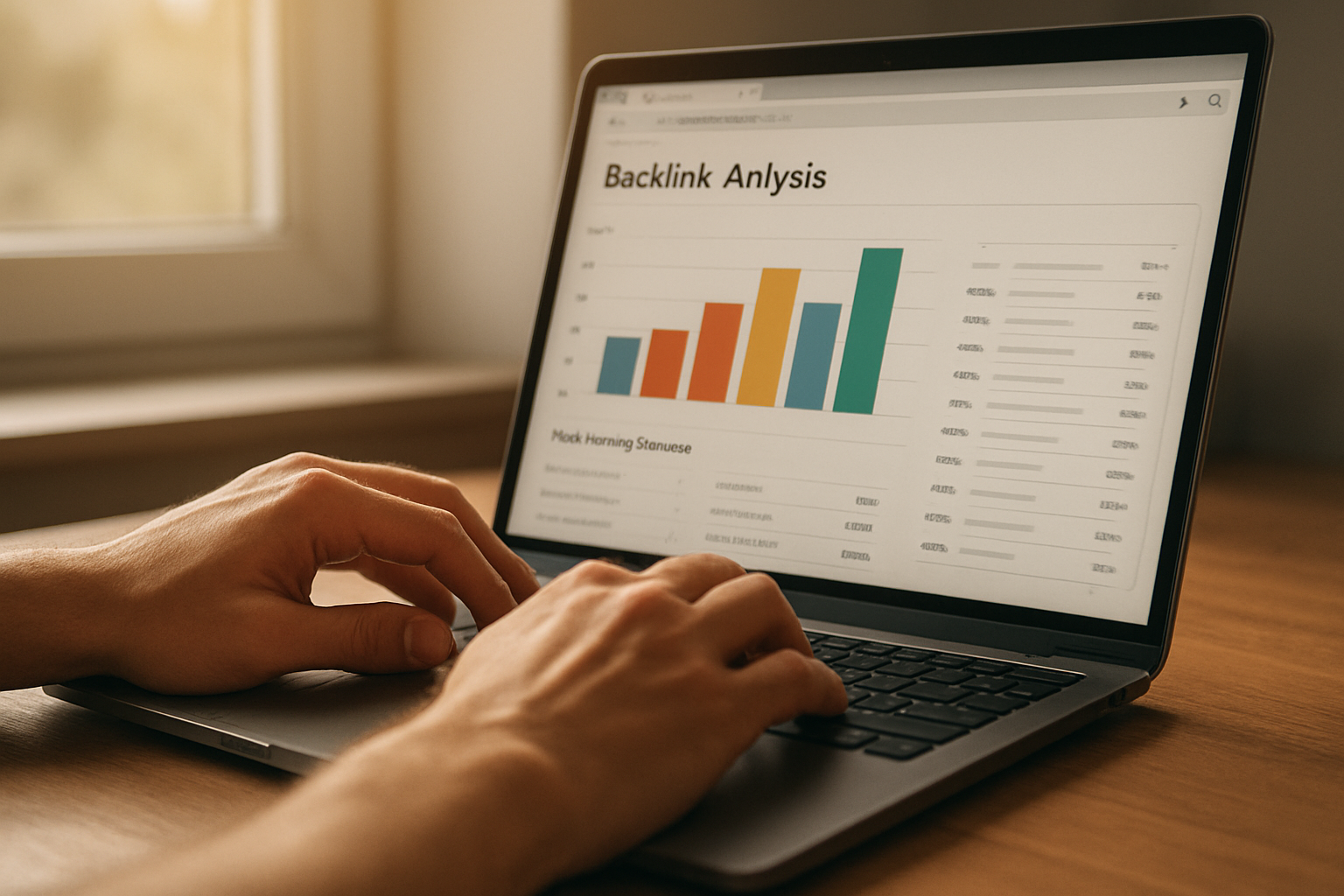
Running regular audits with a reliable backlink checker helps catch toxic links before they damage your search rankings.
Choosing the Right Tool for the Job
Several industry-leading platforms offer robust backlink analysis capabilities. Each has different strengths depending on your budget and workflow.
Ahrefs
Industry benchmark for index size and crawl freshness. Best for agencies managing multiple clients who need the deepest data available.
SEMrush
Combines backlink analysis with keyword research and site audit tools in one platform, making it ideal for all-in-one SEO workflows.
Moz Link Explorer
User-friendly interface with clear spam score metrics. A solid choice for beginners and small businesses starting their first audit.
Google Search Console
Free and authoritative, though limited in depth. Best used alongside a paid tool to confirm which links Google actually acknowledges.
For a comprehensive approach that combines tool data with strategic guidance, resources like RankAuthority offer expert-level SEO analysis that goes beyond raw numbers to deliver actionable link-building strategies.
Common Mistakes That Undermine Backlink Audits
Even experienced SEOs make avoidable errors during link analysis. Being aware of these pitfalls will save you time and prevent costly missteps.
Over-disavowing links is perhaps the most damaging mistake. Many practitioners panic when they see low authority scores and disavow links that are actually neutral or mildly helpful. In contrast, a conservative disavow strategy targeting only genuinely harmful links preserves your earned authority.
Ignoring competitor backlink profiles is another missed opportunity. By analyzing the link sources of your top-ranking competitors, you can identify high-authority domains that are already willing to link to content in your niche — making outreach far more efficient.
Auditing too infrequently allows problems to compound. Because new links appear continuously — both good and bad — a quarterly audit schedule is the minimum for most sites. Meanwhile, sites in competitive niches benefit from monthly monitoring.
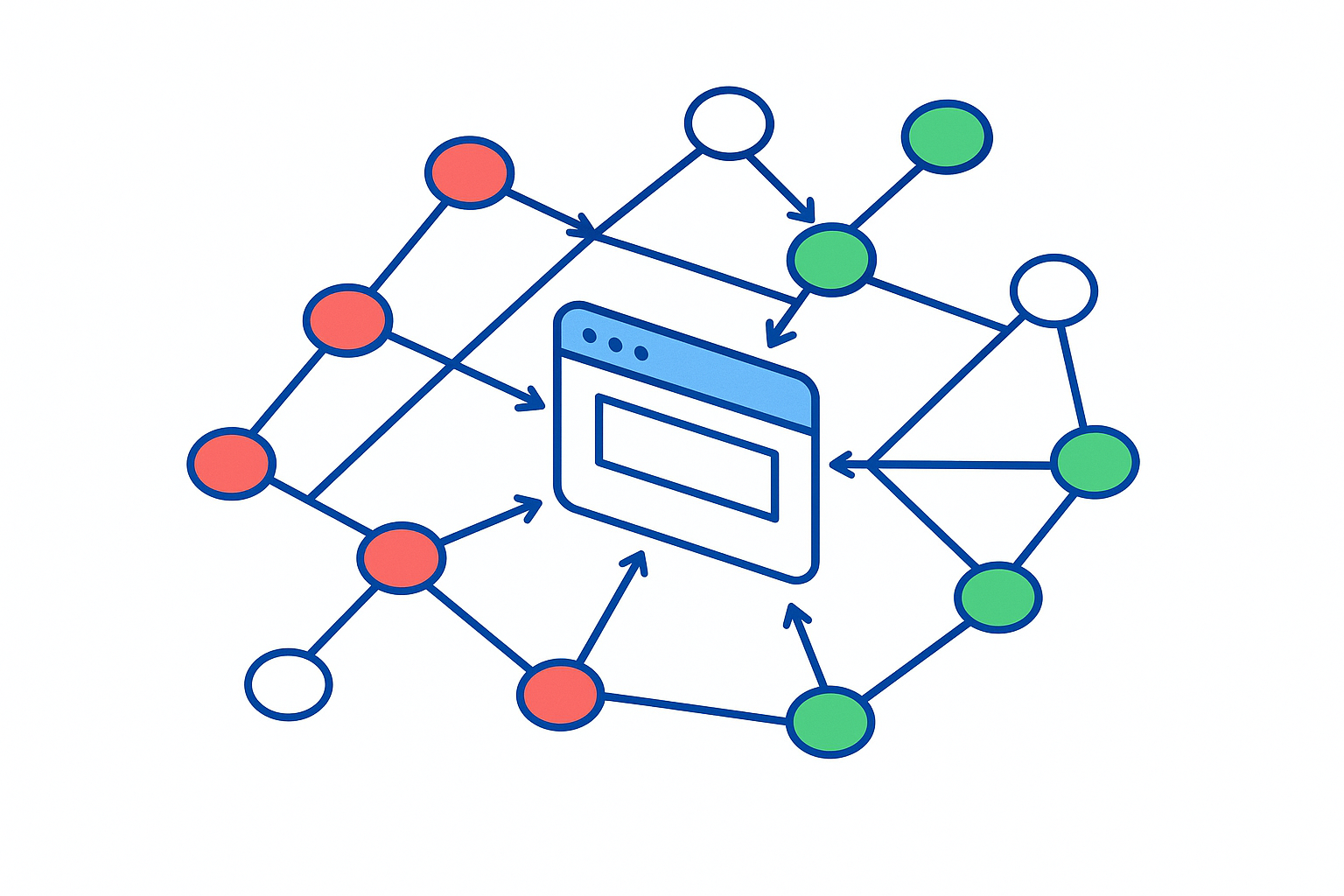
Visualizing your link network helps distinguish high-value connections from harmful toxic backlinks quickly.
Using Competitor Backlink Data to Build Better Links
One of the most underused features of any backlink analysis tool is competitor gap analysis. By entering a rival’s domain, you can see exactly which sites link to them but not to you — revealing untapped link-building opportunities.
For example, if three of your top competitors all have links from the same industry publication, that publication is clearly receptive to your niche. Therefore, a targeted outreach email to that publication is far more likely to succeed than cold pitching a random site.
Additionally, look for broken links on high-authority pages within your niche. When a page links to a dead resource, you can offer your own content as a replacement — a technique known as broken link building. This approach works because it provides genuine value to the linking site while earning you a strong backlink.
Tools like RankAuthority can help you translate raw backlink data into a prioritized outreach strategy, ensuring your link-building efforts are focused where they will have the greatest impact.
Interpreting Link Velocity and Timing
Link velocity — the rate at which your site acquires new backlinks over time — is a signal that Google monitors closely. A slow, steady increase in links looks organic and is generally rewarded. However, a sudden spike of hundreds of new links within days can trigger algorithmic scrutiny, even if those links are from legitimate sources.
When reviewing your velocity chart, look for anomalies that correspond with past link-building campaigns or content publications. If a spike aligns with a viral piece of content, that context is natural. In contrast, a spike with no corresponding content event warrants investigation into whether a competitor may be running a negative SEO campaign against your site.
Frequently Asked Questions About Analysis Backlink Checker
What is an analysis backlink checker?
An analysis backlink checker is an SEO tool that crawls the web to identify all inbound links pointing to a domain or specific URL, then evaluates each link for quality, authority, and potential risk. It helps SEOs understand the strength and health of their overall link profile.
Why is backlink analysis important for SEO?
Backlinks remain one of Google’s top ranking signals, so understanding which sites link to you directly affects your search visibility. A thorough analysis reveals both valuable link equity and harmful links that could trigger a manual penalty.
How often should I run a backlink audit?
Most SEO professionals recommend running a full backlink audit at least once per quarter. However, if your site is actively building links or has experienced a ranking drop, monthly audits are more appropriate.
What is a toxic backlink?
A toxic backlink is a link from a low-quality, spammy, or irrelevant website that can harm your site’s search rankings. Common sources include link farms, private blog networks (PBNs), and sites with very low domain authority scores.
What metrics should I review during backlink analysis?
Key metrics include Domain Authority or Domain Rating, the number of referring domains, anchor text distribution, link velocity, and the spam score of linking sites. Together, these metrics paint a complete picture of your link profile’s health. For a deeper walkthrough, see our Answer Engine Optimization: The Complete Guide.
Can I use Google Search Console as a backlink checker?
Yes, Google Search Console provides a free Links report showing your top linking domains and pages. However, it offers fewer analytical details than dedicated tools like Ahrefs or SEMrush, so it is best used as a supplementary data source rather than your primary checker.
What is anchor text diversity and why does it matter?
Anchor text diversity refers to the variety of words used as clickable link text pointing to your site. A natural link profile contains a mix of branded, generic, and keyword-rich anchors; an over-optimized anchor profile can signal manipulation to Google and result in ranking penalties.
How do I disavow toxic backlinks?
First, compile a list of harmful links identified by your backlink checker, then upload a disavow file through Google’s Disavow Tool in Search Console. Only disavow links you are confident are harmful, as disavowing good links can reduce your site’s earned authority.
What is the difference between dofollow and nofollow backlinks?
Dofollow links pass link equity (PageRank) to the destination page and directly influence search rankings. Nofollow links include a rel attribute instructing search engines not to pass link equity, though they can still drive meaningful referral traffic to your site.
Which backlink checker tool is best for beginners?
Google Search Console is the easiest free starting point for beginners because it requires no setup beyond site verification. For more detailed analysis, Moz Link Explorer offers a user-friendly interface with clear explanations of each metric.
How does link velocity affect my backlink profile?
Link velocity measures how quickly new backlinks are being acquired over time. A sudden, unnatural spike in new links can appear manipulative to Google’s algorithms, potentially triggering a manual review or an algorithmic ranking penalty.
What is the difference between a referring domain and a backlink?
A referring domain is the unique website that links to you, while a backlink is each individual link instance. One referring domain can send multiple backlinks; however, additional links from the same domain yield diminishing returns compared to links from entirely new unique domains.
Start Protecting and Growing Your Link Profile Today
Using an analysis backlink checker consistently is one of the highest-leverage activities in any SEO strategy. By regularly auditing your referring domains, cleaning up toxic links, diversifying your anchor text, and learning from competitor profiles, you build a link foundation that compounds in value over time.
In practice, the best results come from combining tool data with strategic judgment. No automated score replaces the human ability to assess context, relevance, and intent. Therefore, treat your backlink checker as a diagnostic instrument — not a final verdict — and pair its findings with informed SEO decision-making for the strongest possible outcome.

