

Automated backlink building is reshaping how ambitious websites earn authoritative links without burning hundreds of hours on cold outreach. As AI-driven search engines reshape the ranking rulebook, marketers are turning to automation to keep pace with the sheer volume of link-building work required for lasting visibility. This guide explains, in plain language, exactly what automated backlink building involves, how it works step by step, what it costs, where it can go wrong, and how to pick a platform that delivers real results — not just a longer link list.
Above all, link building remains one of the strongest ranking signals in traditional SEO (search engine optimization, the practice of improving a site’s visibility in search results), and it is quickly becoming relevant to AI answer engines too. Consequently, understanding exactly how automation fits into this picture — and where it still needs a human touch — is essential for anyone managing a website in 2025.
What Is Automated Backlink Building?
Automated backlink building is the use of software or AI-driven platforms to identify, request, and secure backlinks from other websites with minimal manual effort. Instead of manually researching sites, drafting emails, and following up one by one, these systems handle much of the process through data-driven targeting and pre-built workflows. As a result, teams can scale link acquisition while still maintaining relevance and quality control — something purely manual outreach struggles to do at volume.
A backlink — simply a hyperlink from one website pointing to another — signals to search engines that your content is trustworthy and worth citing, as explained on Wikipedia’s overview of backlinks. Search engines like Google use these links, in part, to judge authority, which is why Google’s own Search Essentials documentation outlines clear guidelines for acceptable link practices. Platforms such as RankAuthority’s 1-Click AI AutoPilot, for example, automate this entire pipeline — from prospecting relevant sites to monitoring link placement — so even small teams can compete with larger, better-funded competitors. You can review the approach directly at rankauthority.com.
In particular, a widely cited Backlinko ranking factors study found that pages holding the top Google search position had, on average, 3.8 times more backlinks than pages ranking two through ten. This gap illustrates why link acquisition, whether manual or automated, still carries significant weight in competitive rankings — and why so many teams are now automating the heaviest parts of the workload.
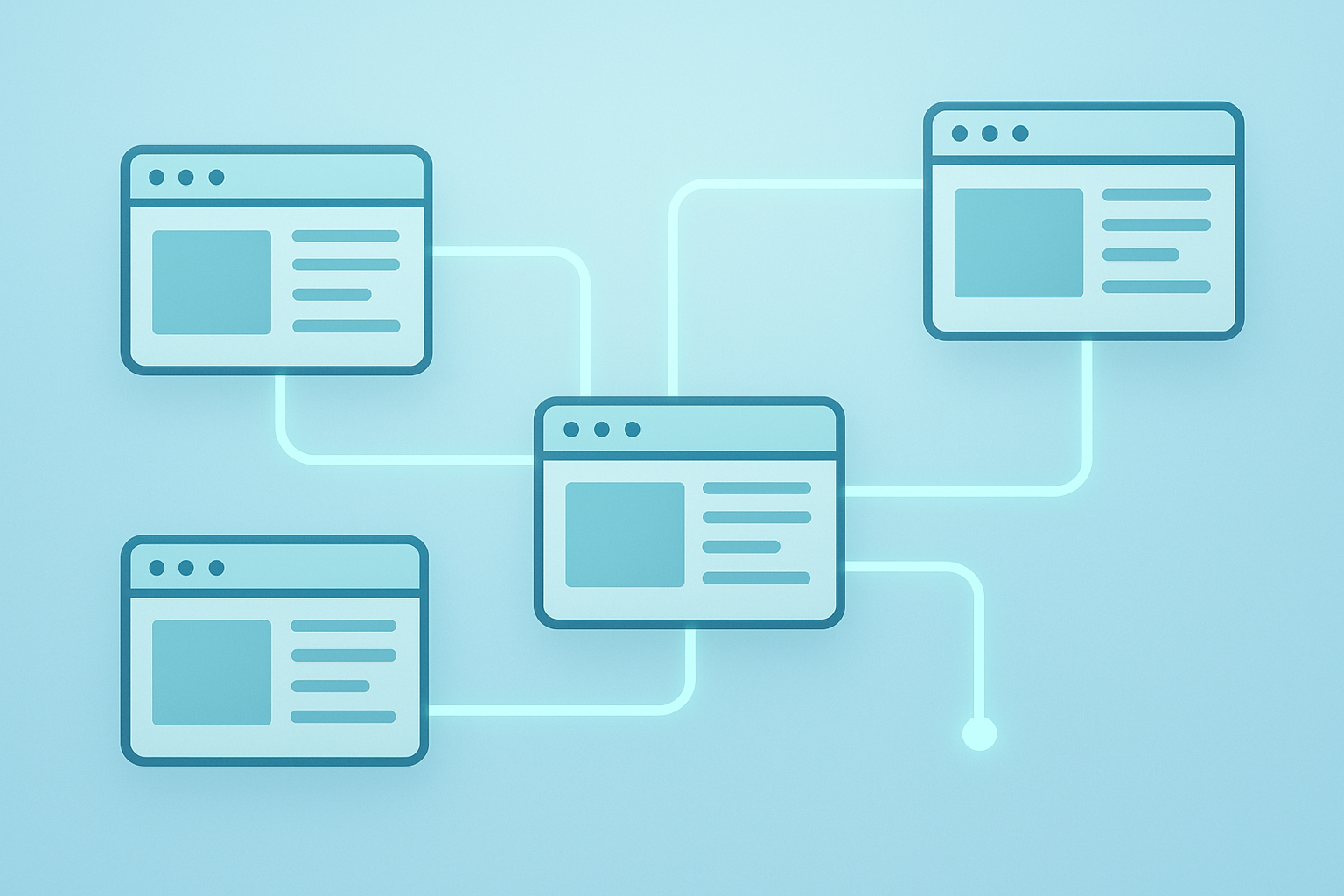
Automated backlink building relies on scanning and connecting relevant sites at scale.
Why Automated Backlink Building Matters for SEO and AI Search in 2025
Search has changed shape. Traditional blue-link results now sit alongside AI-generated overviews and chat-style answer engines, and both systems still lean heavily on link signals to decide which sources deserve trust. Therefore, a site with a thin or stagnant backlink profile risks losing visibility in two channels at once, not just one.
The AI Answer Engine Shift
Generative Engine Optimization (GEO) and Answer Engine Optimization (AEO) both depend on the same underlying trust signals as classic SEO: authoritative citations, topical relevance, and consistent mentions across the web. In other words, automated backlink building isn’t just a ranking tactic for Google — it is quickly becoming groundwork for being cited by AI assistants. Consequently, tools that only chase raw link volume, without considering topical fit, will struggle to earn the kind of citations these systems reward.
How Does Automated Backlink Building Work? Step-by-Step
Most platforms follow a similar sequence, whether they run entirely hands-off or blend automation with human review. Below is the seven-stage process used by modern automated backlink building tools, expanded well beyond the basic three or four steps most competing guides describe.
- Audit your current backlink profile: Before adding anything new, the platform reviews your existing links to spot gaps, toxic domains, and untapped opportunities already pointing at competitors.
- Define prospect criteria and niche relevance: You set parameters around topic, domain authority, geography, and audience so the system only pursues sites that genuinely match your subject matter.
- Automated prospect discovery and scoring: The platform scans thousands of pages, filters out low-quality or unrelated domains, and scores survivors by authority, relevance, and traffic signals.
- Content matching and placement strategy: The system matches your existing content to the strongest placements so anchor text and surrounding context feel natural rather than forced or spammy.
- Personalized outreach automation: Tailored pitch emails or content placement requests are generated and sent automatically to qualifying site owners, editors, or webmasters at scale.
- Link verification and live monitoring: Once links go live, the platform confirms placement, checks the anchor text and destination, and flags anything that looks off before it becomes a problem.
- Ongoing reporting and strategy refinement: Dashboards track rankings, authority growth, and lost links over time, giving you the data needed to refine future campaigns intelligently.
For a deeper breakdown of tactics that fit into this workflow, see this guide on automated backlink strategies that actually work in 2025. Meanwhile, if you already have links in place, an automatic backlink checker can confirm they remain active, and this overview of how automated tools can improve your website’s backlinks explains the mechanics in more depth.
Core Automated Backlink Building Tool Features to Look For
Not every automated backlink building platform offers the same depth. Specifically, four capability areas separate genuinely useful tools from glorified email blasters.
AI-Powered Prospecting and Relevance Scoring
Strong tools weigh topical relevance alongside raw authority metrics, rather than surfacing any site with a decent domain score. As a result, outreach targets sites your audience actually reads, not just sites with a high number attached to them.
Personalized Outreach and Email Automation
Templates should pull in real details about the target site rather than sending generic mail-merge pitches. In addition, follow-up sequencing matters: a single email rarely secures a placement, so automated nudges over several days meaningfully lift reply rates.
Competitor Backlink Gap Analysis
The strongest platforms can compare your link profile against direct competitors and surface sites that link to them but not to you. Consequently, you can prioritize outreach toward prospects with proven willingness to link within your niche.
Ongoing Monitoring and Reporting
Link building doesn’t end at placement. Therefore, look for dashboards that continuously verify links stay live, flag nofollow changes, and connect link growth back to ranking movement over time.
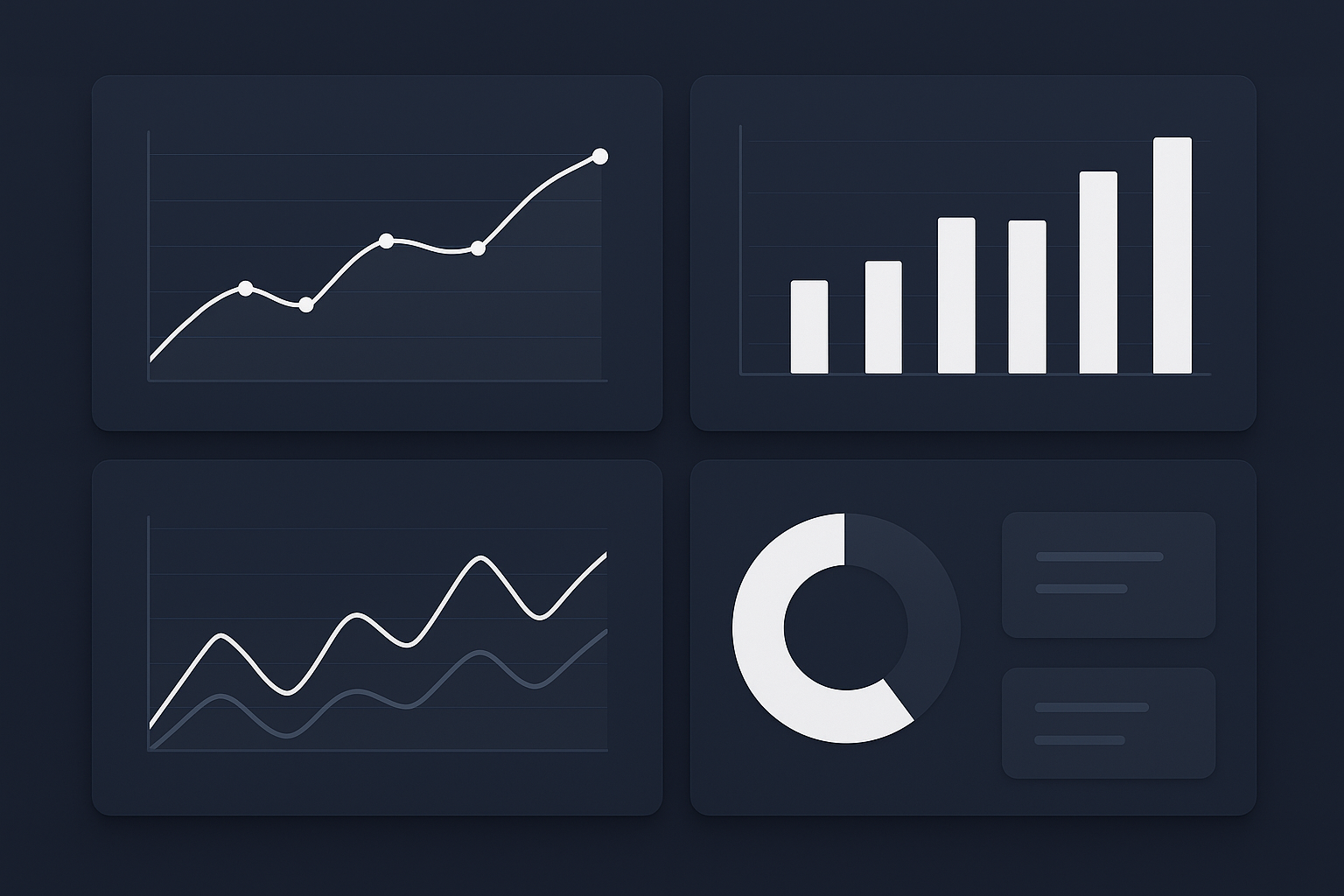
Reporting dashboards help teams evaluate the results of automated backlink building over time.
Key Benefits of Automated Link Building Tools
Automation offers several advantages over purely manual approaches, particularly for teams with limited time or staff.
- Time savings: Prospecting and outreach that once took days happen in minutes.
- Scalability: Campaigns can cover dozens of sites or client accounts simultaneously.
- Consistency: Automated workflows apply the same quality filters to every prospect, every time.
- Data-driven targeting: Decisions rely on authority and relevance scores rather than guesswork.
- Reduced risk: Built-in monitoring flags lost or low-quality links before they cause damage.
- Competitive intelligence: Gap analysis reveals exactly where competitors are earning links you’re missing.
Automated Backlink Building vs Manual Outreach: Which Wins?
Manual outreach still has a place, especially for high-value publications that require a personal touch. However, automated backlink building generally wins on speed, scale, and consistency, which matters most for businesses managing multiple sites or limited budgets.
| Factor | Automated | Manual |
|---|---|---|
| Speed | Fast, scalable | Slow, labor-intensive |
| Personalization | Templated with data filters | Highly tailored |
| Cost over time | Lower per link | Higher per link |
| Best use case | Ongoing, scalable campaigns | High-value, niche placements |
In practice, the strongest strategies combine both. To track how each approach contributes to your overall profile, a total backlink checker can reveal every link pointing to your site, regardless of how it was earned, while an analysis backlink checker can help you fix weak spots before they hurt rankings.
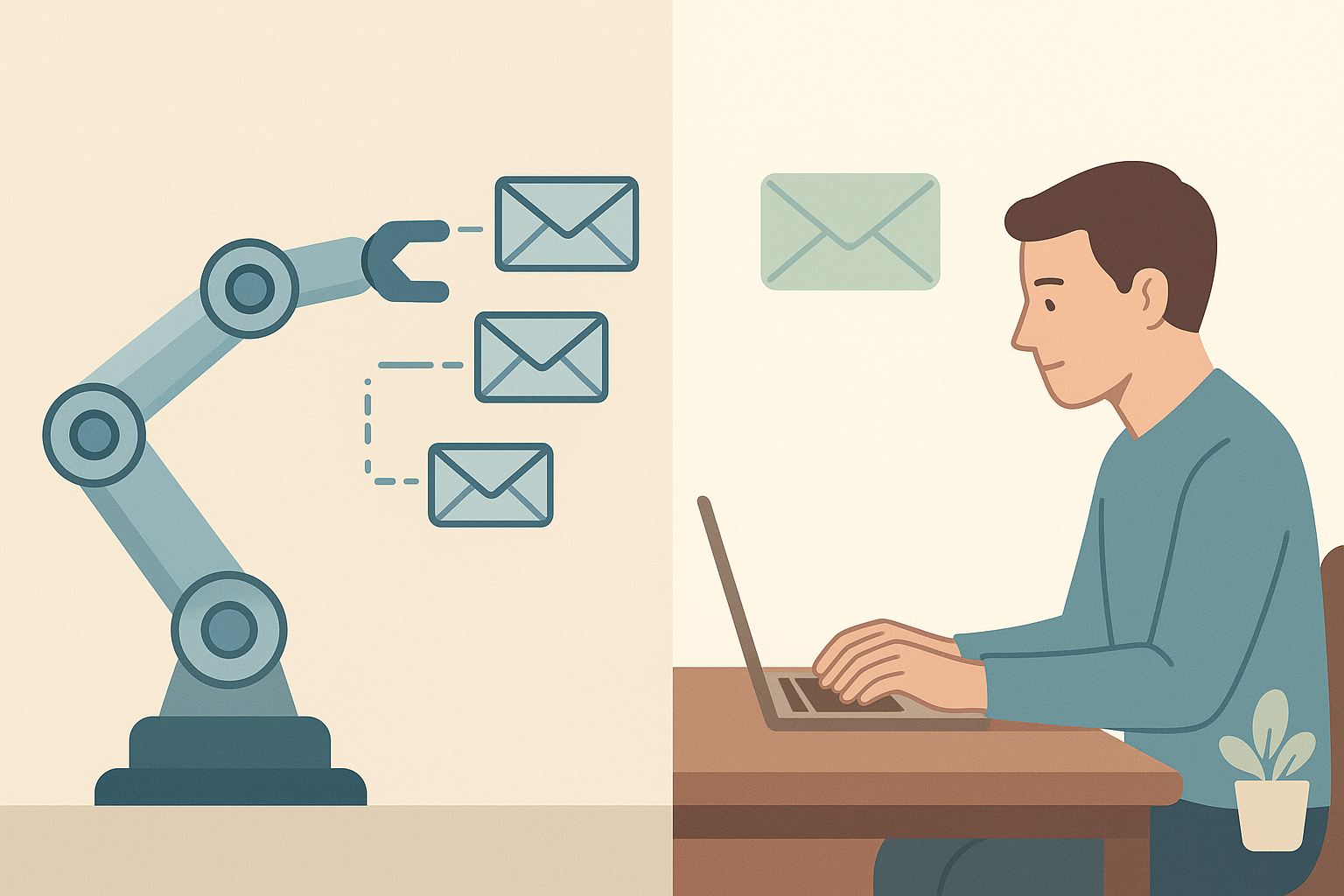
Comparing automated and manual approaches helps clarify where each method fits best.
Automated Backlink Building Pricing and ROI: What to Expect
Budget questions come up early, and rightly so — cost and timeline expectations often decide whether a plan actually gets approved.
Typical Cost Ranges
Pricing varies widely, from under fifty dollars a month for basic prospecting tools to several hundred dollars for enterprise platforms with advanced monitoring and outreach automation. In addition, many providers, including RankAuthority, offer a free or trial period so you can test the workflow before scaling it across multiple client sites.
How Long Until You See Results
Most campaigns show measurable ranking movement within eight to twelve weeks. However, results depend heavily on niche competitiveness and the authority of the sites securing your links, so patience paired with consistent monitoring pays off more than chasing quick wins.
Common Mistakes in Automated Backlink Campaigns
Even the best tools can produce poor results if used carelessly. Therefore, it helps to watch for a few recurring issues.
First, ignoring topical relevance in favor of raw link volume often leads to weak or even harmful placements. Second, over-optimizing anchor text can look unnatural to search engines and trigger scrutiny. Third, running campaigns without any human oversight removes the quality checks that catch bad prospects before outreach begins. Finally, treating automation as a one-time project rather than an ongoing process leaves lost or downgraded links unnoticed for months. For a step-by-step way to strengthen your existing profile safely, this complete guide to improving your website’s backlinks is a useful next read, alongside these effective strategies for building backlinks.
Automated Backlink Building Risks and Safety: How to Stay Penalty-Free
Automation only becomes risky when quality controls disappear. Specifically, tactics like link farms, private blog networks, or spammy directory submissions violate Google’s spam policies and can trigger manual actions or algorithmic devaluation. In contrast, a reputable automated backlink building platform prioritizes topical relevance and editorial standards over sheer volume, which keeps your profile aligned with the guidance in Google’s own documentation referenced earlier in this guide.
As a practical safeguard, review new links monthly, disavow anything clearly toxic, and keep anchor text varied and natural. Similarly, favor platforms that let a human approve outreach targets before messages go out, since this single checkpoint catches most quality issues before they become ranking problems.
How to Choose the Right Automated Backlink Building Platform
Not all automation tools are built the same, so it pays to compare a few core capabilities before committing. Specifically, look for relevance-based prospecting, transparent authority scoring, competitor gap analysis, and ongoing monitoring rather than one-time link building.
RankAuthority’s platform, for instance, pairs automated backlink building with broader GEO (Generative Engine Optimization) and AEO (Answer Engine Optimization) features through its 1-Click AI AutoPilot technology. This is particularly useful for small business owners, agencies, and marketers who need to strengthen visibility across both traditional search and AI-driven answer engines without a steep learning curve. A seven-day risk-free trial makes it possible to test the workflow before scaling it across multiple client sites. To dig deeper into link auditing before choosing a tool, this analysis backlink checker guide covers what to look for in reporting quality.
Frequently Asked Questions About Automated Backlink Building
What is automated backlink building?
Automated backlink building is the use of software or AI-driven platforms to find, request, and secure backlinks from other websites with minimal manual work. It replaces manual prospecting and outreach with data-driven workflows that scale link acquisition efficiently.
How does automated backlink building work?
It works by scanning the web for relevant, authoritative sites, scoring them for quality, and then triggering outreach or content placement automatically. Monitoring tools then track whether links go live and remain active over time. For workflow automation examples, learn how to automate your website’s SEO without losing editorial control.
Why is automated backlink building important for SEO in 2025?
Search engines and AI answer engines increasingly weigh authoritative links as trust signals when ranking content. Automation helps businesses keep pace with this demand without hiring large outreach teams.
How much does automated backlink building typically cost?
Pricing varies widely, from under fifty dollars a month for basic tools to several hundred dollars for enterprise platforms with advanced monitoring. Many providers, including RankAuthority, offer a free trial period before committing.
How long does it take to see results from automated backlink building?
Most campaigns show measurable ranking movement within eight to twelve weeks. However, results depend heavily on niche competitiveness and the authority of the sites securing your links.
What’s the difference between automated backlink building and manual link building?
Manual link building relies on individually researching sites and writing personalized outreach emails, which is slow but highly tailored. Automated backlink building uses algorithms to scale this process while still allowing human review of quality.
Is automated backlink building safe for Google rankings?
It is safe when the tool prioritizes relevance and editorial quality over volume. Risky tactics like link farms or spammy directories can trigger penalties, so choosing a reputable platform matters.
What common mistakes should I avoid with automated backlink campaigns?
The biggest mistakes include ignoring site relevance, over-optimizing anchor text, and running campaigns with no human oversight. These errors can lead to low-quality links that hurt rather than help rankings.
Can automated backlink building work for small businesses?
Yes, small businesses often benefit the most since automation removes the need for a dedicated outreach team. It allows a single owner or marketer to run consistent campaigns alongside other daily tasks.
What features should I look for in an automated backlink building tool?
Look for relevance-based prospecting, authority scoring, competitor gap analysis, transparent reporting, and ongoing link monitoring. Tools that also support AI search visibility, such as GEO and AEO signals, offer added long-term value.
Does automated backlink building help with AI search visibility?
Yes, strong backlink profiles support the authority signals that generative and answer engines use to decide which sources to cite. Platforms built for GEO and AEO extend traditional link building into these newer search environments.
Can I combine automated backlink building with manual outreach?
Absolutely, many successful strategies blend both approaches. Automation handles volume and monitoring, while manual outreach targets a small number of high-value, hard-to-reach publications.
How is automated backlink building different from a single-vendor AI backlink builder tool?
A single-vendor tool typically limits prospecting to its own database and outreach templates. In contrast, a broader automated backlink building approach can combine prospecting, GEO and AEO signals, and independent link monitoring for a more complete authority strategy.
Does automated backlink building include competitor backlink gap analysis?
The strongest platforms do. They compare your link profile against competitors, surface sites already linking within your niche, and prioritize those prospects first since they have a proven history of linking to similar content.
Final Takeaways
In summary, automated backlink building gives businesses of any size a practical way to scale authority-building work that once required large teams and countless hours. From prospecting and outreach to competitor gap analysis and ongoing link monitoring, automation handles the repetitive tasks while leaving room for human judgment where it matters most. As a result, teams can focus on strategy rather than manual research.
Ultimately, the businesses that succeed with automated backlink building are the ones that pair the right tools with consistent quality checks and realistic timelines. Whether you manage one website or dozens of client accounts, platforms like RankAuthority’s 1-Click AI AutoPilot make it possible to strengthen search authority while staying prepared for the AI-driven search landscape ahead.

