
An automated content ranking tool is software that uses artificial intelligence to analyze, optimize, and track how well web pages perform in search results — including traditional Google rankings and the newer AI-generated answers people see in tools like Google AI Overviews. Small business owners and marketers increasingly rely on this technology because manual SEO audits simply cannot keep pace with algorithm updates or the rapid rise of AI-powered search. In this guide, we’ll break down what an automated content ranking tool does, how it works, and how platforms like RankAuthority combine SEO, GEO, and AEO automation to keep content visible everywhere people actually search.
In short: an automated content ranking tool audits your site, fixes SEO and schema issues automatically, and monitors how your content ranks across both search engines and AI answer platforms — with little to no manual work required.
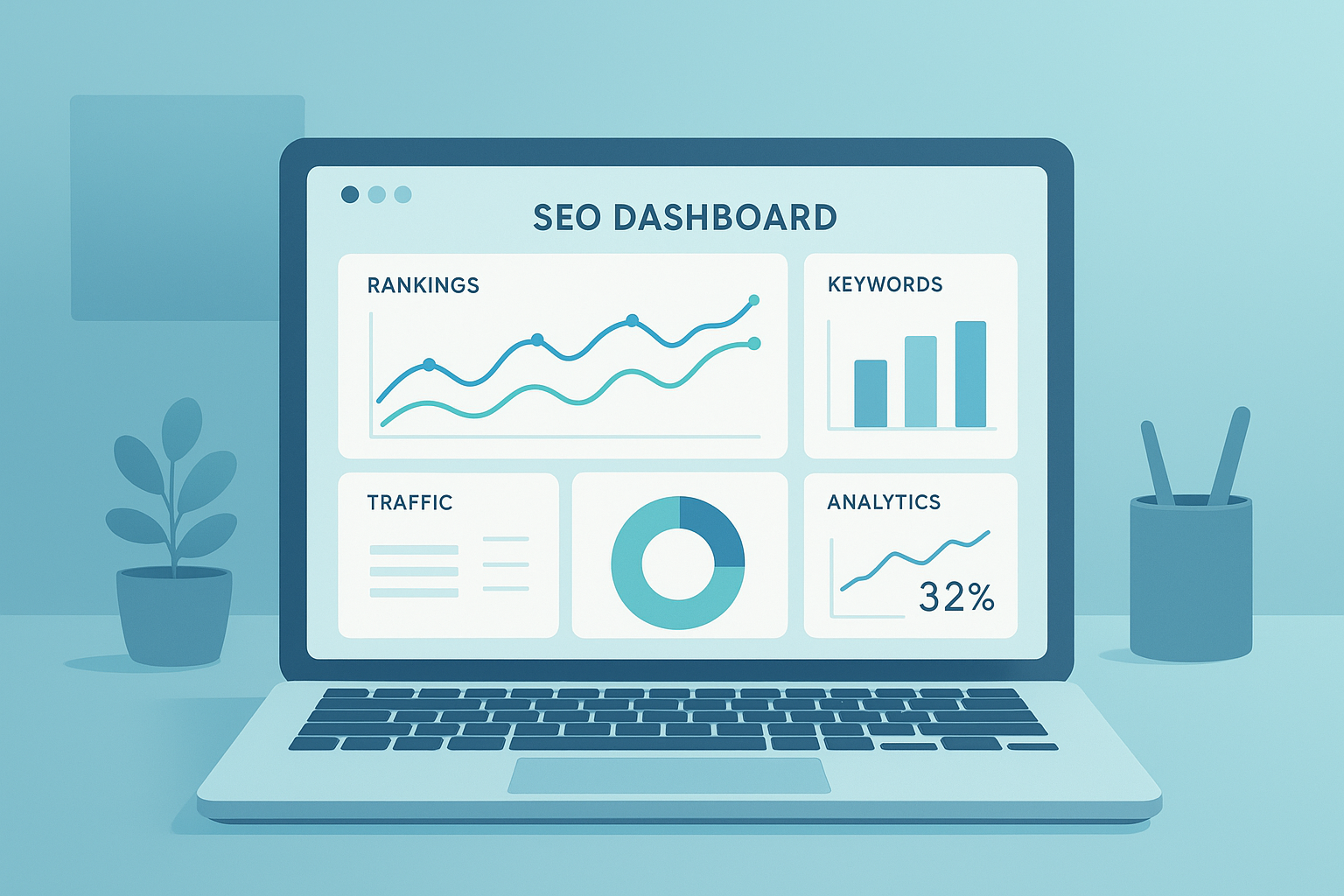
An automated content ranking tool centralizes SEO, GEO, and AEO data in one dashboard.
What Is an Automated Content Ranking Tool?
An automated content ranking tool is a software platform that continuously scans website content, technical structure, and search performance, then applies improvements without a human manually editing every page. Rather than waiting for a consultant to run a monthly report, the tool works in the background around the clock.
These platforms typically combine several functions: technical SEO audits, keyword tracking, competitor comparison, schema markup generation, and — increasingly — visibility tracking across AI answer engines. As a result, businesses get a single system instead of juggling five separate tools. For a broader breakdown of this category, the complete guide to automated search ranking tools covers additional platform categories worth comparing.
How Automated SEO Ranking Software Works
Most automated SEO ranking software follows a similar pattern. First, it crawls your site the way a search engine bot would, checking page speed, mobile usability, broken links, and metadata. Then, it compares those findings against competing pages that already rank well for the same terms.
Once gaps are identified, the software can deploy fixes directly, such as rewriting title tags, generating schema markup, or restructuring internal links. Consequently, the time between diagnosis and improvement shrinks from weeks to hours. According to Google’s own Search Central documentation, structured data and clear technical signals directly influence how content is understood and surfaced in results.
Key Features of AI-Powered Ranking Tools
Not every platform offers the same depth of automation. Above all, look for tools that go beyond basic reporting and actually take action. Common features in modern AI-powered ranking tools include:
- One-click technical and on-page SEO fixes
- Generative Engine Optimization (GEO) artifact pages built for AI citation
- Answer Engine Optimization (AEO) formatting for featured snippets and AI answers
- Automated schema markup generation and deployment
- Competitor page analysis and rewrite recommendations
- AI visibility monitoring across major answer platforms
For example, RankAuthority’s AI-based SEO content tools resource explains how these individual features work together inside a single automated workflow.
Benefits of Using an Automated Ranking Platform
Search behavior itself is changing fast. Search engines now process more than 8.5 billion queries a day, and a growing share of those queries now surface AI-generated summaries rather than a simple list of blue links. In contrast to five years ago, ranking well on Google alone is no longer enough.
Therefore, an automated ranking platform offers three clear advantages: speed, since fixes deploy in hours rather than weeks; consistency, since the tool monitors performance continuously; and broader coverage, since it tracks both traditional rankings and AI citation opportunities. Similarly, teams without in-house SEO expertise gain access to enterprise-level optimization without hiring specialists.

Automation connects technical fixes, schema, and AI visibility into one continuous process.
Automated Content Ranking Tools vs. Manual SEO Audits
Manual audits still have value, particularly for nuanced brand strategy decisions. However, when it comes to repetitive technical work, automation consistently wins on speed and coverage. The table below summarizes the key differences.
| Factor | Manual SEO Audit | Automated Content Ranking Tool |
|---|---|---|
| Time to complete | Days to weeks | Minutes to hours |
| Ongoing monitoring | Periodic, manual check-ins | Continuous, automated |
| AI answer visibility | Rarely tracked | Monitored across AI platforms |
Step-by-Step Process for Automated Content Ranking
Getting started with an automated content ranking tool generally follows the same sequence, regardless of platform. Here’s how the process typically unfolds:
- Run a full site audit to generate a baseline score and identify technical, on-page, and schema gaps affecting current visibility.
- Review competitor gaps by comparing your pages against top-ranking rivals to spot keyword and content weaknesses worth targeting.
- Deploy automated fixes, including one-click technical and on-page corrections such as meta tags, internal links, and page speed improvements.
- Generate schema markup automatically so search engines and AI systems can interpret page content quickly and accurately.
- Build GEO artifact pages formatted specifically for citation by AI answer engines, extending visibility beyond standard search listings.
- Monitor AI visibility continuously to track citations, ranking shifts, and overall progress, then adjust strategy as needed.
If you want to see this process without committing to a paid plan first, you can request a free RA Score audit to see where your site currently stands.
Choosing the Best Automated Ranking Tool for Your Business
When comparing options, focus on how much of the process is truly automated versus how much still requires manual work. Specifically, ask whether the tool deploys fixes directly to your CMS or simply generates a report you must implement yourself.
RankAuthority, for example, integrates directly with WordPress, Shopify, Wix, Webflow, GoDaddy, and GoHighLevel, so fixes publish without manual code edits. Its 1-Click AI AutoPilot handles technical and on-page corrections, while its RankFast feature analyzes and rewrites competitor pages to help you outrank them. In addition, tools like Ranktify focus specifically on rapid ranking improvements, and the guide on the easiest way to automate SEO walks through getting started with minimal setup. You can also explore the platform directly at rankauthority.com to run a free diagnostic scan.
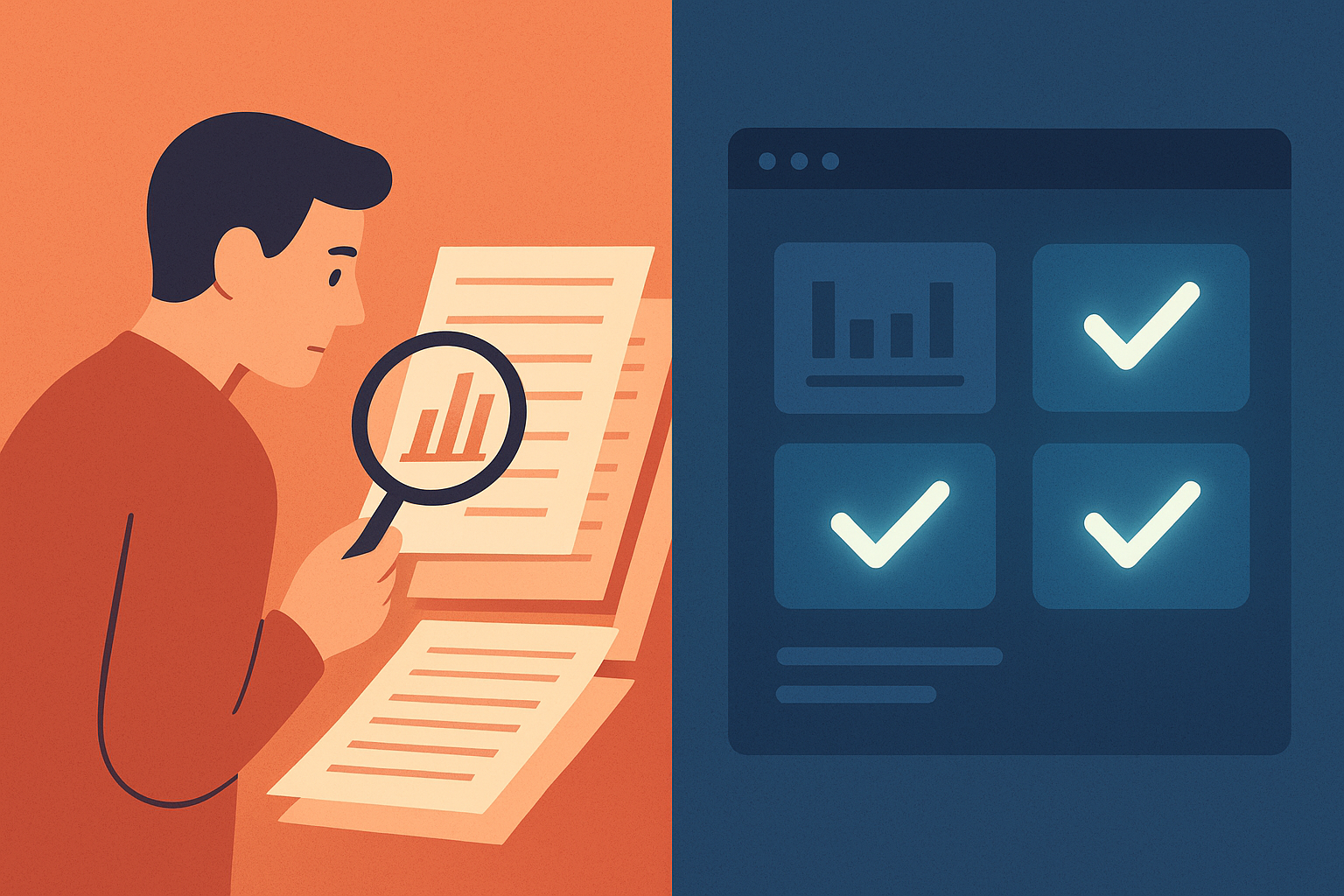
Manual review versus automated ranking analysis, side by side.
Frequently Asked Questions About Automated Content Ranking Tools
What is an automated content ranking tool?
An automated content ranking tool is software that uses AI to analyze web pages, track search visibility, and apply SEO fixes automatically without manual intervention. It monitors rankings across Google, GEO, and AEO answer platforms.
How does an automated content ranking tool improve SEO results?
It scans a website for technical and on-page issues, then applies fixes like schema markup and internal linking automatically. This reduces the time between diagnosis and improvement from weeks to hours.
Why should small businesses use automated ranking software?
Small teams often lack dedicated SEO staff, so automation fills that gap by handling audits, schema, and content optimization continuously. This keeps sites competitive without hiring extra headcount.
How much does an automated content ranking tool cost?
Pricing varies widely, from free diagnostic scans to monthly subscriptions for full automation suites. Many platforms, including RankAuthority, offer a free scan before requiring a paid plan.
How long does it take to see results from ranking automation?
Technical fixes can show measurable crawl and indexing improvements within days, while ranking position changes typically take four to eight weeks. Results depend on competition and site history.
What’s the difference between an automated content ranking tool and traditional SEO software?
Traditional SEO software mostly reports problems for a human to fix manually. An automated content ranking tool identifies issues and deploys the fix itself, including schema and GEO-formatted content.
What mistakes should businesses avoid when using ranking automation tools?
A common mistake is enabling automation without reviewing content quality, which can produce generic pages. Always pair automation with a quick human review of published output.
Can an automated content ranking tool help with AI search visibility?
Yes, modern tools include Generative Engine Optimization (GEO) features that format content specifically for citation by AI answer engines. This extends visibility beyond traditional blue-link search results.
Is schema markup automation included in ranking tools?
Most modern automated ranking platforms generate and deploy schema markup automatically. This helps search engines and AI systems understand page content faster and more accurately.
What best practices improve results from automated SEO tools?
Run a full site audit first, prioritize high-impact fixes, and monitor AI visibility alongside traditional rankings. Consistent monthly reviews keep automated changes aligned with business goals.
Do automated ranking tools replace human SEO strategists?
No, automation handles repetitive technical work, but strategy, brand voice, and competitive positioning still benefit from human oversight. The best results combine automation with expert direction.
Which platforms integrate with automated content ranking tools?
Leading tools integrate with WordPress, Shopify, Wix, Webflow, GoDaddy, and GoHighLevel for direct deployment. This allows fixes to publish without manual code edits.
How do automated ranking tools track competitors?
They crawl competitor pages, compare keyword gaps, and flag content or technical advantages automatically. This intelligence helps prioritize which pages to rewrite or rebuild first.
Final Thoughts
In summary, an automated content ranking tool takes the repetitive, time-consuming parts of SEO — audits, schema deployment, competitor analysis, and AI visibility tracking — and handles them continuously without manual effort. As search shifts toward AI-generated answers, this kind of automation becomes less of a convenience and more of a necessity for staying visible.
Ultimately, choosing the right automated content ranking tool comes down to how much of the process it truly automates versus how much still lands back on your plate. Platforms like RankAuthority aim to close that gap by combining technical fixes, schema generation, GEO artifact pages, and AI visibility monitoring into a single, ongoing workflow — so your content keeps ranking whether people are searching on Google or asking an AI assistant.