

If you are hunting for a semrush alternative, you are probably staring at a monthly invoice that feels too steep for the value your team actually gets. Semrush is a capable platform, but its pricing, its learning curve, and its limited support for AI-driven search leave real gaps. As a result, marketers now need tools built for GEO, short for Generative Engine Optimization (getting content cited by AI tools like ChatGPT), and AEO, short for Answer Engine Optimization (structuring content for direct AI answers), not just traditional keyword tracking. This guide breaks down what a strong semrush alternative should deliver, compares the leading options, and shows where a platform like Rank Authority fits into the shift toward AI-powered search.
What Is a Semrush Alternative?
A semrush alternative is any SEO, GEO, or AEO platform that replaces Semrush’s keyword research, site auditing, and competitor tracking with comparable, or more automated, functionality. Most alternatives try to match Semrush’s core toolkit while adding something it lacks, such as AI-driven optimization, simpler workflows, or a lower price tag. Some, including Rank Authority, go further by adding automated schema markup and AI citation tracking across major answer engines.
Understanding this definition matters because “alternative” does not always mean “cheaper clone.” In fact, the strongest options in 2025 differentiate themselves by covering ground Semrush was never designed for, particularly around how generative AI systems discover and cite web content. Consequently, evaluating a replacement means looking past the feature checklist and asking whether it solves tomorrow’s search problems, not just today’s.
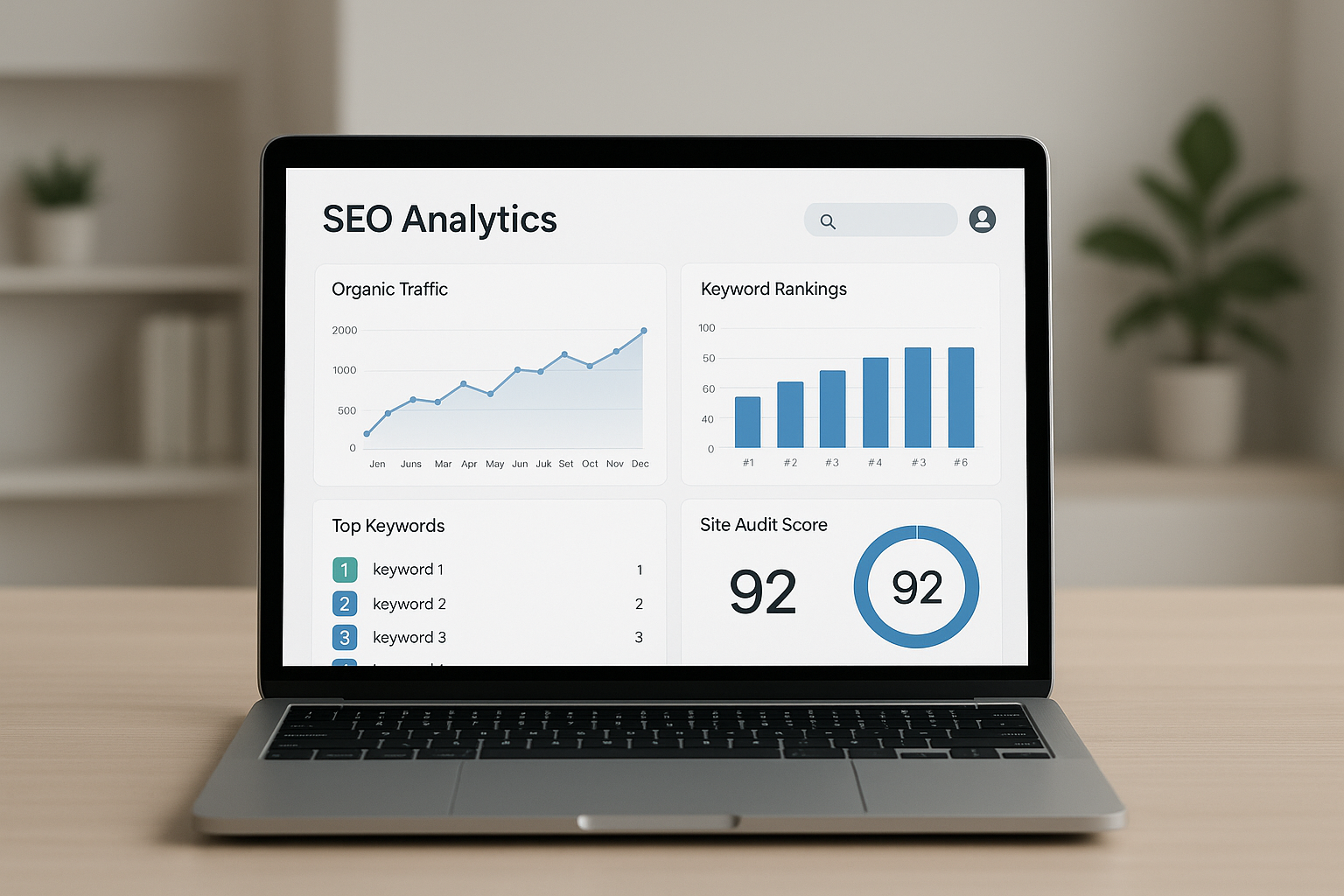
A strong semrush alternative should combine traditional SEO reporting with newer AI search visibility metrics.
Why Marketers Need an Alternative to Semrush in 2025
Search behavior is changing faster than most SEO platforms have adapted. According to a widely cited 2024 Gartner forecast, traditional search engine volume could drop by 25% by 2026 as users shift toward AI chatbots and other virtual agents. That shift alone explains why so many teams are now looking past legacy tools that were built purely for blue-link rankings.
Cost is the second driver. Semrush’s Pro plan starts at roughly $139.95 per month according to its own pricing page, and higher tiers climb well beyond that for agencies managing multiple sites. For a closer look at how those costs stack up feature by feature, our complete Semrush platform guide breaks down every tier in detail. Meanwhile, smaller teams and solo marketers often find that budget alone rules Semrush out before features even enter the conversation.
Key Features to Look for in Semrush Alternatives
Not every replacement tool is built equally, so it helps to know what separates a genuine upgrade from a downgrade in disguise. The following features tend to matter most when comparing options:
- Automated technical fixes that resolve site errors without manual coding.
- GEO-ready content structures designed for citation by AI answer engines.
- Schema markup generation deployed automatically across pages.
- AI visibility tracking across platforms like ChatGPT and Google AI Overviews.
- CMS integrations for WordPress, Shopify, Webflow, and similar builders.
- Transparent pricing without steep jumps between tiers.
How to Choose the Best Semrush Alternative
Choosing the right replacement platform does not need to be complicated if you follow a structured process. Below is a five-step approach that helps narrow the field quickly.
- Audit your current SEO stack. Review which Semrush features your team actually uses each week, such as keyword tracking, site audits, or backlink monitoring, so you know exactly what any replacement must cover.
- Define your GEO and AEO needs. Decide whether your content strategy requires generative engine optimization and answer engine optimization features, since many traditional tools still lack AI citation tracking entirely.
- Compare pricing tiers and hidden costs. Look beyond the advertised monthly price and check for limits on reports, users, or projects that could force an upgrade to a pricier tier later.
- Test automation depth with a free scan. Run a free site audit or AI visibility check to see how much technical work the platform automates versus how much still requires manual configuration from your team.
- Check integration compatibility with your CMS. Confirm the platform deploys directly to your content management system, whether that is WordPress, Shopify, Webflow, or another builder, to avoid manual copy-paste work.
For a broader look at how different platforms handle agency-scale needs specifically, see our comparison of which SEO platform works best for agencies.
A short checklist helps teams evaluate a semrush alternative objectively rather than by price alone.
Top Semrush Alternatives Compared for 2025
Several platforms have carved out strong reputations as Semrush replacements, each with a slightly different focus. Ahrefs remains popular for backlink analysis, Moz continues to serve teams that want simpler reporting, and Surfer SEO focuses heavily on content optimization. However, few of these legacy tools were built from the ground up for AI search visibility.
Rank Authority: Built for the AI Search Era
Rank Authority approaches the problem differently by combining SEO, GEO, and AEO automation in one system. Its 1-Click AI AutoPilot handles technical and on-page fixes automatically, while RankFast analyzes and rewrites competitor pages to help you outrank them directly. RankLink automates internal linking and topical siloing, and the platform’s AI visibility monitoring tracks citations across major answer engines, something Semrush does not currently offer. For teams wanting a detailed head-to-head, our Rank Authority vs Semrush comparison walks through the differences feature by feature.
Other Notable Semrush Alternatives
If budget is the primary concern, it is worth reviewing our roundups of cheaper Semrush alternatives that actually work and alternatives that still deliver results without the premium price tag. Both guides cover tools ranging from lightweight audit checkers to fuller-featured suites, so you can match the option to your budget and goals.
Semrush Alternative Pricing: What You’ll Pay
Pricing across the semrush alternative landscape varies widely, and that range is exactly why comparison shopping pays off. Free diagnostic tools, such as a site audit checker or backlink checker, cost nothing and can quickly reveal whether a paid upgrade is even necessary. Entry-level paid plans on most platforms fall between $29 and $99 per month, while enterprise or agency tiers can exceed $300 monthly depending on the number of projects and users included.
Above all, watch for tiers that cap report volume or restrict AI features to the highest plan only, since that structure often pushes budgets higher than initially advertised. Reading the fine print before committing saves both money and frustration later.
Best Semrush Alternatives for AI Search Visibility
As generative engines take on a bigger share of everyday searches, visibility inside those systems matters just as much as ranking on page one of Google. Platforms built specifically for GEO and AEO track whether AI assistants cite your content at all, a metric traditional rank trackers simply do not measure. According to Wikipedia’s overview of search engine optimization, SEO has always evolved alongside how search engines process information, and the current shift toward generative answers is simply the latest stage of that evolution.
Structured data plays a central role here as well. Google’s own documentation on structured data confirms that properly formatted schema helps search systems understand and surface content more accurately, which is exactly why automated schema deployment has become a core feature among newer platforms. You can run a free scan at Rank Authority to see how your site currently performs on both traditional and AI-driven visibility metrics.

AI search visibility tracking has become a defining feature among modern semrush alternative platforms.
Frequently Asked Questions About Semrush Alternatives
What is a semrush alternative?
A semrush alternative is any SEO, GEO, or AEO platform that replaces Semrush’s keyword research, auditing, and competitor tracking tools with comparable or more automated functionality. Many alternatives add AI-driven optimization or lower pricing that Semrush does not offer.
Is there a free semrush alternative?
Several platforms, including Rank Authority, offer free diagnostic tools such as site audits and AI visibility checkers without a paid subscription. Full automation features, however, usually require a paid plan.
How much does Semrush cost compared to alternatives?
Semrush’s Pro plan starts at roughly $139.95 per month when billed monthly, according to Semrush’s own pricing page. Many alternatives offer comparable feature sets starting well below that price point.
What is the difference between SEO, GEO, and AEO?
SEO focuses on ranking in traditional search results, GEO focuses on getting content cited by AI tools like ChatGPT, and AEO structures content for featured snippets and direct AI answers. Each discipline overlaps but targets a different type of search experience.
Which semrush alternative is best for small businesses?
Small businesses often benefit most from platforms that automate technical fixes and schema markup rather than requiring manual expertise. Tools like Rank Authority’s 1-Click AI AutoPilot are built specifically for teams without a dedicated SEO specialist.
Can I switch from Semrush without losing my rankings?
Yes, switching SEO platforms does not directly affect your search rankings since ranking factors live on your site, not inside the software. Rankings only change if you alter your content, links, or technical setup during the transition.
Do semrush alternatives support AI search optimization?
Not all of them do, which is an important gap to check before switching. Platforms built for GEO and AEO, including Rank Authority, specifically track citations across AI answer engines, a feature Semrush does not natively provide.
How long does it take to switch SEO platforms?
Most teams can migrate core tracking and reporting within a few days to a week. Full automation setup, such as schema deployment across a whole site, can take a few additional weeks depending on site size.
What mistakes should I avoid when choosing an alternative?
The biggest mistake is choosing based on price alone without checking whether the platform supports your CMS or covers GEO and AEO needs. Skipping a trial period is another common error that leads to buyer’s remorse.
Are cheaper Semrush alternatives worth it?
Cheaper alternatives are often worth it when they automate work that previously required manual hours, since that time savings offsets any feature gaps. Consequently, evaluating automation depth matters more than comparing price tags alone.
Does Rank Authority replace Semrush entirely?
Rank Authority covers technical SEO, schema automation, GEO, and AEO in one platform, which overlaps significantly with Semrush’s core use cases. Some teams still pair it with a dedicated backlink database depending on their specific needs.
How do I know if I need GEO and AEO tools?
If your traffic increasingly comes from AI chatbots, voice assistants, or featured snippets rather than traditional blue links, GEO and AEO tools are worth adding. A quick AI visibility check can confirm whether your content currently gets cited by these systems.
Final Thoughts
Finding the right semrush alternative comes down to matching your budget, your workflow, and your future search strategy to a platform that actually delivers on all three. Traditional keyword tracking still matters, but it is no longer enough on its own now that AI answer engines shape so much of the discovery process. Therefore, teams that prioritize automation, transparent pricing, and native GEO and AEO support tend to see the strongest long-term results. Whether you land on Rank Authority or another option covered here, running a free diagnostic scan first remains the simplest way to confirm the switch is worth making.

