

Automated SEO competitor analysis is quickly becoming the standard way businesses figure out why rivals outrank them. Instead of manually checking dozens of pages every week, marketers now rely on AI-driven tools that scan rankings, keywords, and content gaps around the clock. As a result, even small teams can spot opportunities that once required a full-time analyst to find. This guide was written by the RankAuthority SEO team and was last updated 2026-08-29.
Quick answer: Automated SEO competitor analysis uses AI software to continuously track rival rankings, backlinks, and content, surfacing gaps and opportunities in real time instead of relying on periodic manual audits.
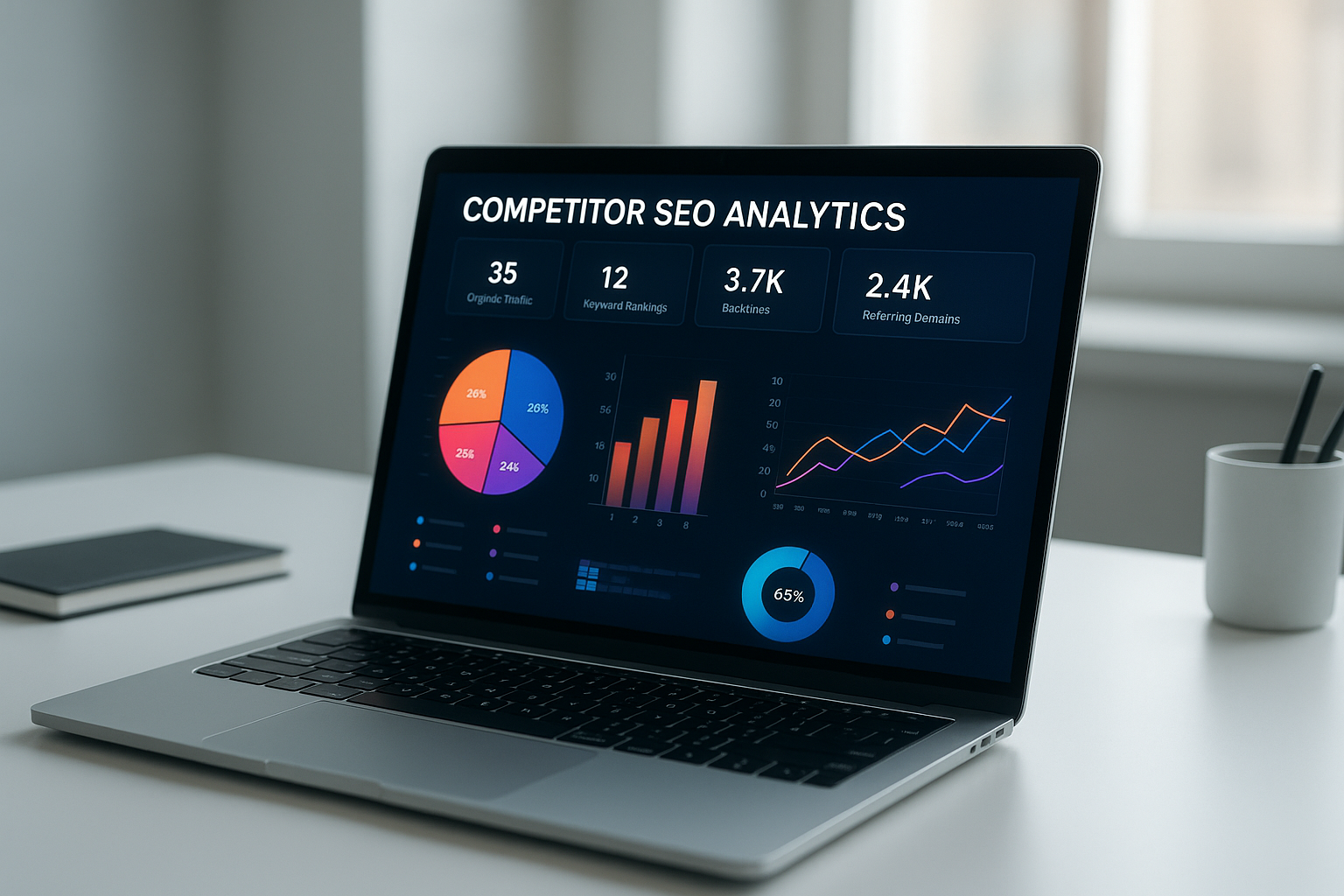
Automated SEO competitor analysis dashboards surface ranking and content data in real time.
What Is Automated SEO Competitor Analysis?
Automated SEO competitor analysis is the process of using software, rather than manual spreadsheets, to track how rival websites perform in search results. In particular, these tools monitor keyword rankings, backlink profiles, content updates, and technical SEO signals continuously.
Because the analysis runs on autopilot, teams no longer need to schedule recurring manual audits. Instead, alerts and dashboards surface meaningful changes, such as a competitor jumping five positions for a valuable keyword, as soon as they happen.
Why Competitive Intelligence Automation Matters in 2025
Search itself is changing fast. According to Wikipedia’s overview of search engine optimization, ranking factors now extend well beyond keywords to include user intent signals and AI-generated summaries. Consequently, competitive intelligence automation has become essential rather than optional.
For example, industry research from Moz’s beginner’s guide to SEO notes that top-ranking pages are frequently updated based on ongoing competitive data, not one-time research. Similarly, businesses that skip automation often miss shifts in AI Overviews and answer engines that traditional rank trackers cannot detect. You can review more current tactics in this guide to AI competitor analysis techniques that win in 2025.
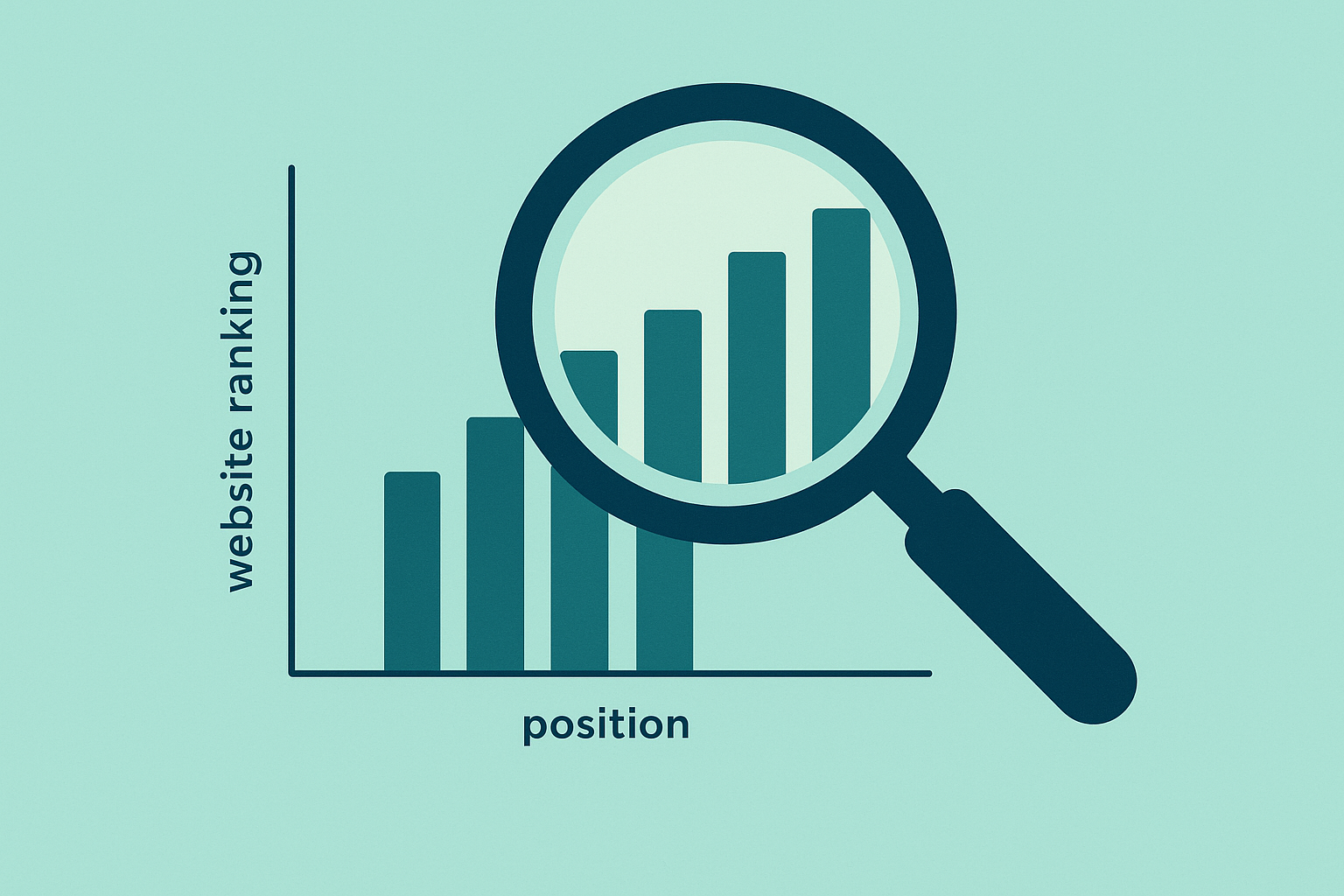
Comparing ranking positions is a core part of any competitor research process.
How Automated Competitor Tracking Works
In practice, automated competitor tracking follows a repeatable sequence. Below is the typical process a platform like RankAuthority’s 1-Click AI AutoPilot follows once it is connected to your site.
- Identify true competitors. The tool cross-references your target keywords with search results to confirm which sites genuinely compete for your audience.
- Connect tracking. Your domain and selected rival URLs are entered so continuous data collection can begin without manual data pulls.
- Review content gaps. The system compares your published pages against competitor content to flag missing topics and keywords.
- Monitor changes. Weekly alerts highlight new backlinks, ranking shifts, and content updates from tracked competitors.
- Apply and measure. Insights get turned into content updates, technical fixes, or link-building targets, then results are tracked over subsequent weeks.
Key Metrics AI Tools Track
Most automated platforms track five core signals: keyword rankings, backlink velocity, content freshness, page experience scores, and visibility in AI-generated answers. Notably, this last metric has grown in importance as more searches resolve directly inside AI Overviews rather than traditional blue links. For a deeper technical breakdown, see this guide on AI-driven competitor tracking.
Manual vs. Automated Competitor Research: What’s the Difference?
Manual competitor research typically involves an analyst manually checking rankings, exporting spreadsheets, and comparing pages by hand. While thorough, this approach is slow and quickly becomes outdated between checks.
| Factor | Manual Research | Automated Analysis |
|---|---|---|
| Update frequency | Weekly or monthly | Continuous |
| Scale | Limited by time | Dozens of competitors at once |
| AI search visibility | Rarely tracked | Included by default |
Therefore, most agencies now combine both: automation handles data collection at scale, while strategists interpret the findings. This balance is explored further in this competitor intelligence dashboard guide.
Choosing the Right Automated SEO Analysis Platform
When evaluating platforms, look for tools that update data daily, detect content gaps automatically, and extend coverage into AI search environments rather than traditional rankings alone. RankAuthority, for instance, applies its 1-Click AI AutoPilot technology to automate both the technical and strategic work of Generative Engine Optimization and Answer Engine Optimization, which removes much of the learning curve for small teams.
Businesses managing multiple client sites often need tools built specifically for scale. RankFast, detailed in this RankFast overview, is one example designed for agencies tracking several properties simultaneously. Additionally, a seven-day free trial, such as the one offered at rankauthority.com, allows teams to confirm fit before committing to a paid plan.

AI algorithms connect ranking, content, and backlink data across multiple competitor sites.
Best Practices for Automated Competitor Monitoring
A 2024 industry survey cited by Search Engine Land found that businesses reviewing competitor data weekly were significantly more likely to improve rankings than those reviewing it quarterly. With that in mind, consider these practices:
- Limit tracking to five to eight direct competitors for focused, actionable insights.
- Review content gap reports monthly and prioritize high-intent keywords first.
- Set alerts for sudden ranking or backlink changes rather than checking manually.
- Track visibility in AI-generated answers alongside traditional rankings.
You can explore the broader advantages of this approach in this overview of the benefits of automated SEO tools.
Frequently Asked Questions
What is automated SEO competitor analysis?
Automated SEO competitor analysis is the use of AI-driven software to continuously monitor rival websites’ rankings, keywords, and content strategies without manual data pulling. It replaces spreadsheets and periodic audits with real-time, ongoing intelligence.
How does automated competitor analysis differ from manual research?
Manual research relies on someone checking rankings and pages one at a time, which is slow and error-prone. Automated tools scan hundreds of data points continuously and flag changes instantly.
Why is competitor tracking important for SEO?
Competitor tracking shows which strategies are actually working in your niche, so effort can be prioritized efficiently. Without it, teams often guess at tactics instead of following proven, data-backed patterns.
What metrics should I monitor in competitor analysis?
Key metrics include keyword rankings, backlink growth, content gaps, page speed, and share of voice in AI search answers. Tracking these together gives a fuller picture than any single metric alone.
How much does automated SEO competitor analysis cost?
Pricing varies widely, from free limited tools to enterprise platforms costing several hundred dollars monthly. Many platforms, including RankAuthority, offer a risk-free seven-day trial before committing.
How often should I run competitor analysis?
Ideally, competitor data should update continuously rather than on a fixed schedule, since algorithms and rival content change constantly. Automated platforms handle this by refreshing data daily or weekly.
Can automated tools replace human SEO strategists?
Automated tools handle data collection and pattern detection far faster than humans, but strategic decisions still benefit from human judgment. The best results usually combine automation with experienced oversight.
What are common mistakes in competitor analysis?
Common mistakes include tracking too many competitors without focus, ignoring content gaps, and reacting to short-term ranking fluctuations. Consistent, focused monitoring avoids wasted effort.
How long does it take to see results from competitor insights?
Some insights, like identifying quick keyword gaps, can be acted on within days. Broader ranking improvements typically take four to twelve weeks depending on competition.
What is the difference between competitor analysis and competitive intelligence?
Competitor analysis usually refers to comparing specific SEO metrics like rankings and backlinks. Competitive intelligence is broader, incorporating market positioning, messaging, and overall business strategy.
Which businesses benefit most from automated competitor tracking?
Small business owners, agencies managing multiple clients, and marketers in competitive niches benefit most, since manual tracking at scale is impractical. Automation levels the playing field against larger rivals.
How do AI tools identify content gaps?
AI tools compare your published content against top-ranking competitor pages to find topics, questions, or keywords you have not covered. This highlights specific opportunities for new or updated content.
Is automated competitor analysis suitable for small businesses?
Yes, automated platforms are often designed to remove the steep learning curve that once required dedicated SEO staff. Small businesses can access the same depth of insight as larger competitors at lower cost.
What should I look for in a competitor analysis tool?
Look for real-time ranking data, content gap detection, backlink monitoring, and ease of use without a steep setup process. A free trial period helps confirm fit before committing.
How does automated SEO competitor analysis support AI search optimization?
Automated SEO competitor analysis increasingly tracks visibility in AI-generated answers, not just traditional rankings. This helps businesses adjust content for Generative Engine Optimization and Answer Engine Optimization as search evolves.
Final Thoughts
Ultimately, automated SEO competitor analysis has moved from a nice-to-have into a practical necessity for anyone serious about search visibility. As AI-driven search environments continue to reshape how people find information, businesses that rely on outdated manual checks risk falling behind faster than ever. In contrast, teams that adopt continuous, automated tracking gain a clearer view of what actually works and can act on it quickly.
In summary, whether you manage one website or dozens of client properties, pairing automated tools with sound strategic judgment offers the most reliable path forward. Platforms like RankAuthority, referenced throughout this guide at rankauthority.com, illustrate how a risk-free trial can make that transition straightforward for businesses of any size.

