
Position Zero Strategy
Featured Snippet Optimization Service: The Complete Guide to Owning Position Zero
“The brands that dominate featured snippets don’t just rank — they answer. Deliberately, precisely, and repeatedly.”
A featured snippet optimization service is one of the highest-leverage investments in modern SEO. It secures your content in Google’s answer box — the prominent result displayed above all other organic listings — by applying precise formatting signals, query-intent alignment, and content architecture that trigger Google’s snippet-selection algorithm. Learn how to set up Google My Business in our Google My Business guide. Furthermore, as voice search and AI-powered assistants increasingly read these answers aloud, position zero has become the single most valuable real estate in organic search. If your business is serious about owning the top of the page, this service is no longer optional.
What Is a Featured Snippet Optimization Service?
A featured snippet optimization service is a targeted SEO solution that identifies which of your pages have the highest potential to win position zero, then systematically restructures those pages to match the formatting patterns Google rewards with snippet selection. Specifically, the service combines query research, content auditing, on-page restructuring, and ongoing performance monitoring into a single, repeatable workflow. Learn more about our Answer Engine Optimization approach to query-driven content.
According to Wikipedia’s overview of featured snippets, these answer boxes appear for a wide range of query types — from simple factual questions to complex how-to instructions. As a result, they are one of the most versatile and high-impact SERP features available to content marketers today. Last updated: 2026-06-10. Author: Rank Authority Editorial Team.
In contrast to general SEO — which focuses on ranking improvements across a broad keyword landscape — snippet optimization zeroes in on the precise structural signals that cause Google to select one answer over every other page on the results page.

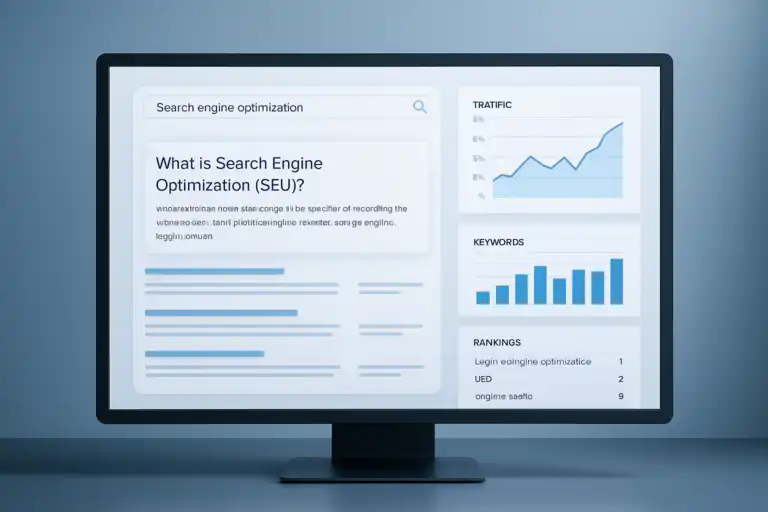
A professional answer engine optimization service uses data dashboards to track position zero wins and identify new snippet opportunities.
Why Position Zero Changes the Economics of SEO
Winning a featured snippet fundamentally changes how users interact with your brand in search. Your content appears above the traditional rank-one result, occupying more visual real estate and carrying an implicit Google endorsement. For voice search queries, Google reads your snippet aloud as the definitive answer. See how to check your Google rankings. The compounding authority effect of consistent snippet ownership, therefore, builds brand trust at scale in a way that standard rankings cannot replicate.
Studies consistently show that pages holding featured snippets receive between 8% and 35% of total clicks for a given query, depending on query type and snippet format. For high-volume informational queries, that translates directly into qualified traffic that no paid advertisement can replicate with the same trust signal. Consequently, snippet ownership has a compounding ROI advantage over both paid search and standard organic rankings.
The Four Types of Featured Snippets — and How to Target Each
Understanding which snippet format Google uses for a given query is, above all, the first step in any optimization strategy. Each format has specific content requirements. Below is a breakdown of all four types.
Paragraph Snippets
Best for definition-style queries. Keep answers between 40 and 60 words. Lead with a direct sentence that restates the query as a statement. Avoid qualifiers in the opening sentence. For schema-focused implementations, see FAQ Schema Optimization Service.
List Snippets
Ideal for how-to and step-by-step queries. Use numbered or bulleted HTML lists with a clear heading that mirrors the search question exactly. Each list item should be a standalone action.
Table Snippets
Triggered by comparison and pricing queries. Use proper HTML table markup with clear column headers and concise cell values. Avoid merged cells — Google prefers clean, scannable rows.
Video Snippets
Earned through well-structured YouTube content with precise timestamps that align with specific query intent moments. Similarly, descriptive titles and chapters that mirror user queries dramatically improve selection rates.
The Step-by-Step Featured Snippet Optimization Workflow
A credible featured snippet optimization service follows a structured, repeatable process. In particular, the workflow must address technical health, content architecture, and competitive positioning simultaneously. Here is exactly what that process looks like in practice. See our ranked SEO guide for complementary ranking and authority strategies.
- Snippet Opportunity Audit: Identifying which existing pages rank between positions one and ten for question-based or instructional queries. These are your highest-probability snippet candidates. Specifically, pages already near the top of page one convert to snippets far faster than new content.
- Competitor Snippet Analysis: Cataloguing every snippet currently held by competitors for your target queries. This reveals what format Google is rewarding, the approximate word count selected, and how your existing content can be restructured to displace the current holder.
- Query Intent Mapping: Categorizing target queries by snippet type — paragraph, list, table, or video — and matching the appropriate content format to each intent signal. For example, a query beginning with “how to” almost always triggers a list or numbered snippet, while “what is” queries favour paragraph snippets.
- Content Restructuring and Rewriting: Rewriting opening paragraphs, adding question-based subheadings, inserting concise answer blocks of 40–60 words, and formatting lists and tables with proper semantic HTML. Consequently, each section becomes self-contained enough for Google to extract cleanly.
- On-Page SEO Element Validation: Confirming that title tags, Automated Meta Description Generator, header hierarchy, and schema markup all reinforce the snippet-targeting strategy. Tools like Rank Authority’s SEO element testing provide a structured way to audit these signals before and after optimization.
- Schema Markup Implementation: Adding structured data — particularly FAQ Schema Optimization Service, HowTo, and Speakable schema — to signal to Google that your content is explicitly designed to answer user questions. Furthermore, schema markup improves eligibility for rich results beyond the featured snippet itself.
- Performance Monitoring and Iteration: Tracking snippet wins, losses, and competitor displacements on an ongoing basis, then iterating on content based on what Google is rewarding in real time. Snippet rankings shift with algorithm updates; therefore, ongoing monitoring is non-negotiable.

Structured content planning is the foundation of any effective snippet optimization workflow — clarity of format drives snippet selection.
How to Optimize Content for Featured Snippets: Formatting Techniques That Work
Knowing the workflow is important. However, the specific formatting techniques applied at the content level are where most optimization wins are actually earned. Each technique below is based on observable patterns in Google’s snippet selection behavior and aligns with multichannel SEO strategies for broader visibility.
Answer-First Paragraph Structure
Place your direct answer in the very first sentence after a question-phrased heading. The answer should be self-contained, factually complete, and between 40 and 60 words. Specifically, do not use the opening sentence for context-setting — Google rewards pages that lead with the answer, not those that build to it. This aligns with our AI overviews optimization recommendations for answer-first formatting.
Question-Phrased Subheadings
Every section targeting a snippet should open with an H2 or H3 that mirrors the exact phrasing a user would type into Google. For example, instead of “Snippet Timing,” use “How Long Does It Take to Win a Featured Snippet?” — because that is the query. As a result, Google can map your heading directly to user intent. Learn best practices for headings in our H2 and H3 tags guide.
Semantic HTML for Lists and Tables
Always use proper HTML markup — <ul>, <ol>, <table> — rather than presenting list or table content as images or styled divs. Google cannot extract content from images for snippet display. Furthermore, each list item should be a discrete, actionable point — not a multi-sentence paragraph.
Snippet-Optimized Definitions
For definition-type queries, structure your answer as: “[Term] is [clear, complete definition in one sentence].” Follow immediately with one to two supporting sentences that add context. In contrast to vague or hedged definitions, clear declarative statements are consistently selected over ambiguous ones.
How Long Does It Take to Win a Featured Snippet?
Pages already ranking on page one of Google can typically see featured snippet wins within 4 to 12 weeks of targeted optimization, depending on query competitiveness and how thoroughly the content restructuring is applied. In contrast, pages not yet on page one require broader organic SEO improvements before snippet targeting becomes viable. Snippet eligibility is, above all, a reward Google gives to pages it already trusts.
This is precisely why pairing snippet optimization with proactive SEO health monitoring accelerates results. When technical issues suppress a page’s ranking potential, no amount of content formatting will secure a snippet. See our local SEO guide for related local ranking signals. Rank Authority’s real-time SEO issue alerts ensure that crawl errors, indexing problems, or Core Web Vitals regressions are caught and resolved before they can undermine your snippet strategy.
What Slows Down Snippet Wins?
Several factors extend the timeline between optimization and snippet selection. Specifically, these include:
- High query competition: Queries with multiple well-optimized competitors already holding snippets require more thorough content differentiation before Google switches selection.
- Infrequent crawl schedules: If Google crawls your page infrequently, reformatted content takes longer to be re-evaluated. Internal linking improvements and XML sitemap updates can accelerate re-crawling.
- Thin supporting content: Pages that cover a topic with a single section may not provide enough topical depth for Google to treat them as authoritative. Consequently, supporting subtopics through related content clusters strengthens snippet candidacy.
- Technical health issues: Page speed regressions, mobile usability failures, or Core Web Vitals drops suppress overall ranking authority — and therefore snippet eligibility — regardless of content quality.
Does Winning a Featured Snippet Always Increase Click-Through Rate?
Not always — and this is one of the most important nuances a professional featured snippet optimization service will address with you upfront. For simple, fully answerable queries (such as “how many ounces in a pound”), a snippet may satisfy user intent entirely on the results page, therefore reducing clicks to your site. For complex, multi-step, or research-driven queries, however, snippets dramatically increase click-through rates because users recognize they need more detail than the snippet provides.
The strategic implication is clear: target snippets for queries where your answer is a gateway, not a destination. Position zero should function as a compelling preview that makes clicking feel inevitable. In addition, owning the snippet builds brand recognition even among users who do not click — a compounding awareness benefit that standard rankings cannot deliver.
Featured Snippets and Voice Search
Voice assistants — including Google Assistant, Siri, and Amazon Alexa — overwhelmingly read featured snippet content as their spoken answer. Consequently, winning a snippet for a voice-intent query means your brand becomes the answer that millions of voice search users hear. This is a form of brand exposure that exists entirely outside the traditional click-based traffic model. Furthermore, as voice search volume continues to grow, snippet ownership will increasingly represent a share of voice rather than simply a share of clicks. See our multichannel SEO strategies for broader voice and AI distribution tactics.
Common Mistakes That Prevent Featured Snippet Selection
Even well-intentioned optimization efforts fail when specific structural errors are present. In particular, these are the most common mistakes that cause Google to select a competitor’s content over yours.
- Burying the answer: Placing the direct response to a query deep in a long paragraph rather than in the opening sentence of a clearly labelled section. Google cannot reliably extract buried answers.
- Ignoring heading structure: Failing to use question-phrased H2 or H3 headings that mirror exactly how users search. As a result, Google has no structural signal connecting the section to the user’s query.
- Wrong answer length: Writing answers that are either too short (under 30 words) or too long (over 80 words) for paragraph snippet selection. The sweet spot is 40 to 60 words.
- Using images instead of text for lists: Presenting list content as an image rather than semantic HTML, which Google cannot extract for snippet display.
- Targeting zero-click queries only: Focusing exclusively on simple factual queries where the snippet fully satisfies user intent. Consequently, traffic gains are minimal even when snippets are won.
- Neglecting technical health: Allowing page speed, mobile usability, or crawlability issues to suppress overall ranking authority, making snippet selection impossible regardless of content quality.
- Ignoring competitor snippet analysis: Optimizing content without first understanding what format and structure Google is already rewarding for the target query. Specifically, you must match or exceed the quality signal of the current snippet holder.
Measuring the Success of Your Featured Snippet Optimization Strategy
A mature featured snippet optimization service tracks success across four key dimensions. These metrics should be reviewed at least monthly, with content updates triggered whenever a snippet is lost or when a high-opportunity query shows a competitor holding a weak snippet your content could displace.
| Metric | What It Measures | Review Frequency |
|---|---|---|
| Snippet Ownership Rate | % of targeted queries where your content holds the snippet | Weekly |
| Click-Through Rate Change | CTR delta for pages before and after snippet wins | Monthly |
| Position Zero Traffic | Organic traffic attributable to snippet-holding pages | Monthly |
| Competitive Displacement | Number of competitor snippets overtaken by your content | Monthly |
Tools Used in Professional Snippet Tracking
Professional featured snippet optimization services use a combination of tools to monitor snippet performance. These typically include: check Google rankings
- Google Search Console: The primary free tool for monitoring impressions, clicks, and average position for snippet-holding pages.
- Semrush and Ahrefs: Provide competitor snippet tracking, keyword-level SERP feature visibility, and historical snippet data.
- Rank Authority’s real-time monitoring: Catches technical regressions that could suppress ranking authority and, consequently, snippet eligibility — before they cause measurable traffic loss.
- SERP scraping tools: Used for granular, query-by-query snapshot tracking across target keyword sets.
Featured Snippet Optimization vs. General SEO: What’s the Difference?
Many businesses assume that general SEO improvements will automatically lead to featured snippet wins. However, that is not how it works. The table below highlights the key differences between a broad SEO strategy and a dedicated featured snippet optimization service.
| Factor | General SEO | Snippet Optimization Service |
|---|---|---|
| Primary Goal | Improve rankings broadly | Win position zero specifically |
| Content Focus | Keyword coverage and volume | Answer-first formatting and structure |
| Time to Results | 3–12 months typically | 4–12 weeks for page-one pages |
| Trust Signal | Standard blue link ranking | Implicit Google endorsement in answer box |
| Voice Search Impact | Minimal | High — snippet is read aloud as the answer |
Frequently Asked Questions About Featured Snippet Optimization
What types of content are most likely to earn featured snippets?
Content structured as direct answers to questions, step-by-step numbered lists, comparison tables, and concise definitions earns featured snippets most frequently. Pages that clearly answer a specific search query within the first 50 to 60 words of a section have the highest selection rates. Furthermore, matching your content format to the dominant snippet type for each query is the single most impactful structural decision you can make.
Can a featured snippet optimization service help with voice search rankings?
Yes — directly. Voice assistants including Google Assistant, Siri, and Amazon Alexa read featured snippet content as their spoken answer. Therefore, winning a snippet for a voice-intent query means your brand becomes the answer millions of voice search users hear. A featured snippet optimization service targeting voice-relevant queries provides brand exposure that exists entirely outside the standard click-based traffic model.
Can a featured snippet optimization service help with real-time SEO monitoring?
Yes. Leading featured snippet optimization services integrate with real-time monitoring tools that alert you when your snippet is won, lost, or displaced by a competitor. Because snippet rankings can shift with algorithm updates or competitor content changes, ongoing monitoring is as important as the initial optimization itself.
Do I need to be ranking on page one before targeting featured snippets?
Yes, in virtually all cases. Google only selects featured snippet content from pages it has already determined are authoritative enough to appear on page one for that query. If your page ranks on page two or lower, the priority should be improving overall organic authority first, then layering in snippet-specific formatting once page-one eligibility is achieved.
How does schema markup help with featured snippet optimization?
Schema markup — specifically FAQ, HowTo, and Speakable schema — provides Google with machine-readable signals that your content is explicitly structured to answer user questions. While schema alone does not guarantee a snippet, it reinforces the intent signals already present in your content formatting. Additionally, schema improves eligibility for rich results beyond the featured snippet itself, multiplying the SERP real estate your content can occupy.
What is the difference between a featured snippet and a rich result?
A featured snippet (position zero) is an algorithmically selected answer box pulled from a webpage’s body content. In contrast, a rich result is a visually enhanced listing — such as star ratings, FAQs, or event dates — generated from schema markup in a page’s structured data. Both improve SERP visibility. However, featured snippets occupy a unique, dominant position above all organic results and are not driven by schema alone.

Effective featured snippet optimization combines strategic planning with precise on-page execution across every target query, including page-level SEO comparison to prioritize high-opportunity pages.
What to Look for When Choosing a Featured Snippet Optimization Service
Not all services deliver the same depth of work. When evaluating providers, specifically look for these capabilities:
- Proven snippet audit methodology: The provider should be able to clearly explain how they identify snippet-eligible pages and prioritize opportunities by traffic potential and competitive difficulty.
- Format-specific content expertise: Different snippet types require different writing and formatting approaches. A generalist content writer will not produce the same results as a specialist trained in answer-first structures.
- Ongoing monitoring and displacement tracking: Snippet rankings change. Consequently, a service that optimizes once and walks away is not delivering full value. Look for ongoing monitoring commitments.
- Technical SEO integration: Because technical health directly affects snippet eligibility, the service should audit and address page speed, mobile usability, and crawlability alongside content restructuring.
- Transparent reporting: Monthly reporting should show snippet ownership rate, CTR changes, traffic impact, and competitive displacement — not just keyword ranking positions.
Conclusion
A professional featured snippet optimization service is one of the highest-leverage investments in your organic search strategy. By systematically identifying snippet-eligible pages, restructuring content to match Google’s selection criteria, implementing schema markup, monitoring competitive displacement in real time, and targeting queries where snippets function as gateways rather than destinations, you can consistently own position zero for the queries that matter most to your business. The result is authority, voice search visibility, qualified traffic, and brand recognition that no other SERP feature can deliver at the same scale — or the same speed.

