

Knowing how to leverage intelligent SEO automation tools is quickly becoming the line between brands that AI search engines cite and brands that quietly disappear from results. Search visibility no longer depends on keyword rankings alone; it increasingly depends on whether your content gets pulled into AI-generated answers, featured snippets, and chat-based assistants. For business owners, marketers, and agencies juggling limited time and SEO expertise, automation software closes that gap. This guide walks through what intelligent SEO automation actually means, how to implement it step by step, and the mistakes that quietly stall results.
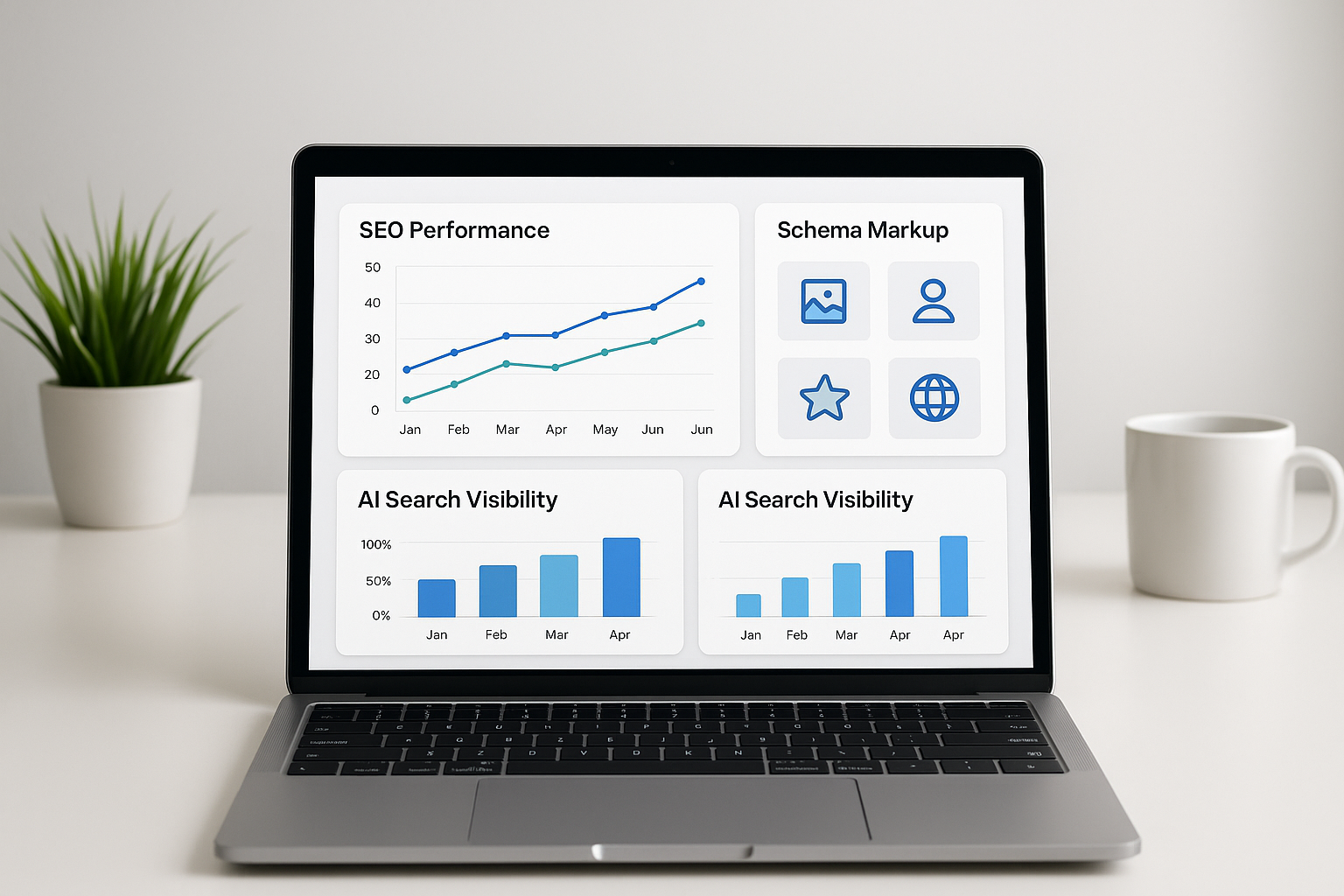
Learning how to leverage intelligent SEO automation tools starts with visibility into your current technical and content performance.
What Is Intelligent SEO Automation?
Intelligent SEO automation is the use of AI-driven software to perform technical audits, content optimization, schema deployment, and indexing tasks that would normally require a dedicated SEO specialist. Rather than manually checking site speed, broken links, or missing structured data one page at a time, the software scans, flags, and often fixes issues automatically.
This same automation layer increasingly extends into two newer disciplines. Generative Engine Optimization (GEO) structures content so AI answer engines such as ChatGPT or Google’s AI Overviews can cite it directly. Answer Engine Optimization (AEO), meanwhile, formats content to win featured snippets and direct answers inside traditional search. Together with traditional SEO automation, these form the backbone of modern AI Visibility.
According to Wikipedia’s overview of search engine optimization, SEO has always involved aligning site structure and content with how a search system interprets relevance. Intelligent automation simply applies that same logic at machine speed, across hundreds of pages at once.
How to Leverage Intelligent SEO Automation Tools Step by Step
Understanding how to leverage intelligent SEO automation tools comes down to sequencing the right actions in the right order. Jumping straight to content creation without first fixing technical issues, for example, wastes effort because search engines may struggle to crawl or trust the site in the first place. The following sequence reflects how most automated platforms, including Rank Authority, structure their workflow.
- Run a full diagnostic audit. Scan the entire site for technical errors, missing schema markup, slow-loading pages, and broken links before making any changes, so fixes are prioritized correctly.
- Apply automated technical fixes. Tools such as 1-Click AI AutoPilot review flagged issues and deploy approved corrections without requiring an in-house developer or SEO team.
- Build GEO-ready content assets. Create or rewrite key pages into clearly structured, citation-friendly formats so AI tools can reference the content accurately inside generated answers.
- Format existing content for AEO. Add direct-answer blocks, FAQ schema, and descriptive headings so both search engines and AI assistants can extract concise, quotable answers.
- Monitor visibility and adjust. Track ranking movement, AI citation appearances, and an overall authority score regularly, then refine based on what the reporting data shows.
Consequently, this is also where platforms like Rank Authority consolidate the workflow, combining audit, GEO, AEO, and monitoring tools into a single dashboard instead of five separate subscriptions. For a broader breakdown of available options, see this guide on tools that help streamline SEO processes.
Why These Tools Matter for AI-Powered Search
AI search is no longer a niche feature. Google has publicly stated that its AI Overviews feature reaches well over one billion users monthly across more than 100 countries, which means a growing share of searches now resolve without a traditional click to a website. In contrast, pages that are not structured for citation simply get skipped, regardless of how well they rank in classic blue-link results.
As a result, intelligent SEO automation tools matter because they handle the structural work, such as schema markup and clear answer formatting, that makes content machine-readable at scale. Specifically, structured data standards documented at Schema.org give search and AI systems a consistent way to understand entities, products, and answers on a page. Automating that deployment removes one of the biggest technical bottlenecks small teams face.
Furthermore, Google’s own Search Central starter guide confirms that technical fundamentals, including crawlability and structured data, remain foundational even as AI answer features expand. Automation simply makes those fundamentals easier to maintain continuously rather than as a one-time project.
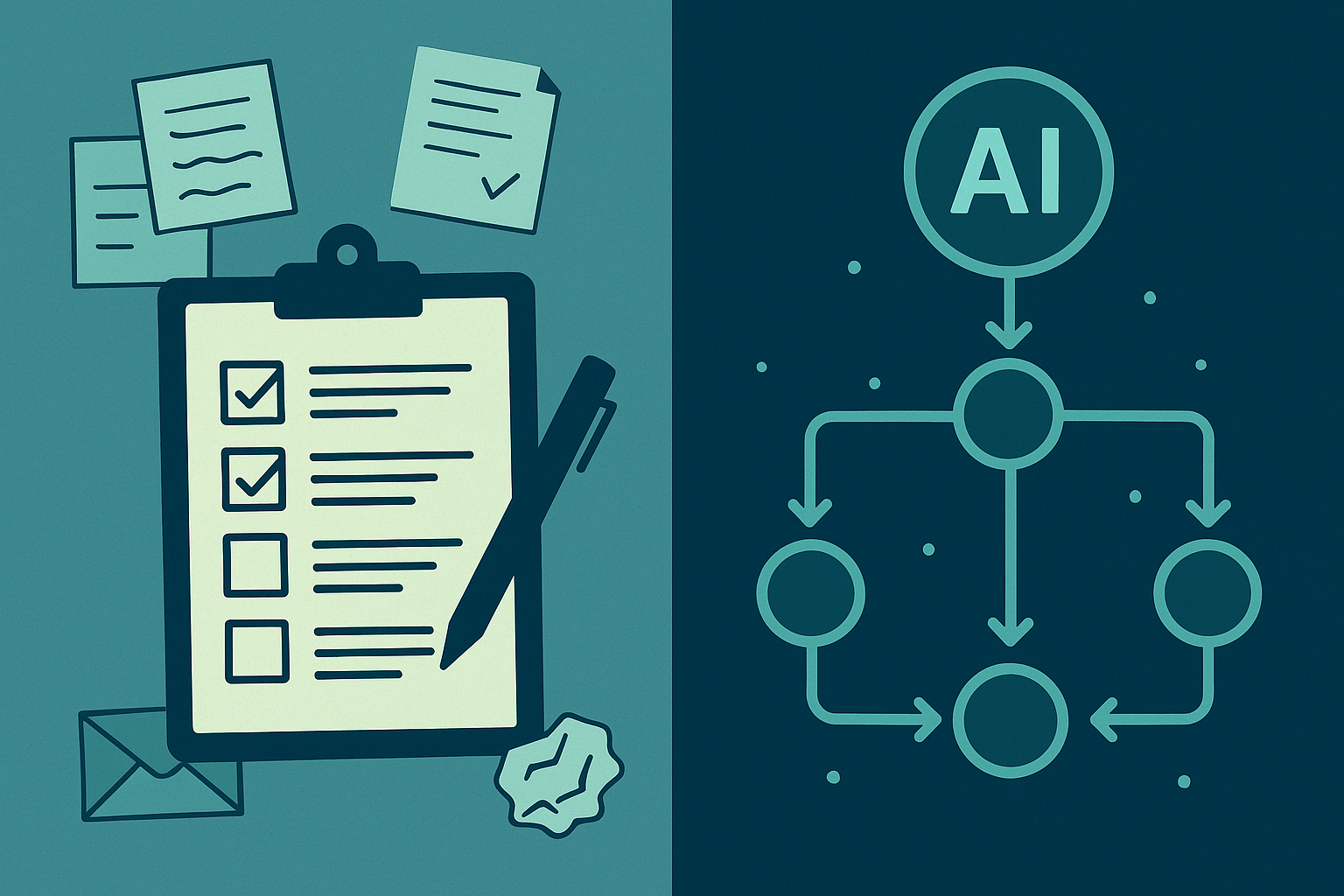
Automated workflows replace scattered manual checklists with a single, continuously running system.
Choosing the Right Automated SEO Tools for Your Business
Not every platform covers the same ground. Above all, look for software that handles technical SEO, GEO, and AEO together rather than forcing you to stitch together separate tools for audits, content, and schema. Rank Authority, for example, bundles all eight tools, including RankFast for rewriting pages to outrank competitors and RankLink for automating topical internal linking, into one subscription.
In addition, agencies managing several client sites should prioritize platforms with multi-site dashboards and clear reporting, such as an RA Score, so performance is easy to communicate to clients without translating raw data manually. For a closer look at agency-specific needs, this resource on SEO automation tools for marketing agencies breaks down what to prioritize when managing multiple properties.
Similarly, business owners with a single site often benefit most from free diagnostic tools before committing to a paid plan. Checking a site’s current standing with an AI Visibility checker or a backlink checker first helps clarify which features actually matter before upgrading.
| Factor | Manual SEO | Automated SEO Platform |
|---|---|---|
| Audit speed | Days to weeks | Minutes to hours |
| Schema deployment | Manual coding required | Automated generation |
| AI citation tracking | Rarely tracked | Built-in monitoring |
Common Mistakes to Avoid When Automating SEO Workflows
Even with strong software, outcomes depend on how the tools get used. Therefore, it helps to recognize a few recurring mistakes early. First, some teams apply every suggested fix without reviewing it, which can create inconsistencies on complex or custom-built sites. Second, automation without quality content rarely performs well; structured data and clean technical signals support good content, but they cannot replace it.
Third, many businesses treat automation as a one-time setup instead of an ongoing process. Search engines and AI systems update constantly, so consistent monitoring matters more than a single optimization push. For a deeper breakdown of effective automation practices, see this guide on automating SEO processes effectively.
How to Measure Results From an SEO Automation Platform
Measuring results starts with a baseline. Specifically, a diagnostic score, such as an RA Score, gives a single number to track improvement over time instead of relying on scattered metrics. From there, tracking organic traffic, keyword rankings, and AI citation appearances side by side paints a fuller picture of visibility.
It is worth noting that automated indexing tools can submit updated pages to search engines more quickly, but Google alone decides whether and when a page is actually indexed. Individual results vary, and any case study or review referenced by a provider reflects individual user experiences rather than guaranteed outcomes for every site.
For businesses comparing providers side by side, exploring a next-generation resource like this complete guide to next-generation SEO automation tools or this overview of how automated tools can boost SEO performance helps set realistic expectations before choosing a plan.

Consistent monitoring turns a one-time optimization into a lasting visibility strategy.
Frequently Asked Questions About How to Leverage Intelligent SEO Automation Tools
What is intelligent SEO automation?
Intelligent SEO automation uses AI-driven software to audit, fix, and optimize a website’s technical and content signals without manual, line-by-line review. It typically covers schema markup, site speed, internal linking, and increasingly GEO and AEO formatting for AI answer engines.
How to leverage intelligent SEO automation tools effectively?
To leverage intelligent SEO automation tools effectively, start with a full diagnostic audit, let the platform apply approved technical fixes, then layer in GEO and AEO formatting for AI visibility. Finally, monitor results consistently and adjust based on the reporting data.
How does SEO automation differ from traditional manual SEO?
Manual SEO relies on a specialist auditing pages individually, which is slow and resource-intensive. Automated platforms scan entire sites at once and deploy fixes in batches, reducing the time and expertise required significantly.
Why should small businesses use automated SEO tools?
Small businesses often lack an in-house SEO team, and automated tools close that gap by handling technical fixes, content optimization, and schema deployment automatically. This lets owners focus on running their business while visibility work happens in the background.
How much does SEO automation software typically cost?
Pricing varies depending on features, site count, and reporting depth, ranging from low-cost single-site plans to higher-tier agency plans covering multiple properties. Many platforms offer a free trial period, such as Rank Authority’s ten-day trial, so businesses can evaluate fit first.
How long does it take to see results from SEO automation?
Technical fixes like schema deployment and speed improvements can show measurable changes within weeks, while rankings and AI citations generally take longer to build. Individual results vary based on site history, competition, and content quality.
What is the difference between GEO, AEO, and traditional SEO automation?
Traditional SEO automation focuses on rankings in classic search results, while Generative Engine Optimization structures content so AI tools can cite it directly, and Answer Engine Optimization formats answers to win featured snippets. Combining all three gives the broadest visibility coverage.
What are common mistakes businesses make when automating SEO?
A common mistake is applying automated fixes without reviewing them, which can create inconsistencies on complex sites. Another is ignoring content quality, since automation works best alongside genuinely useful, well-structured content.
Can SEO automation tools guarantee higher rankings?
No reputable platform can guarantee specific rankings, since search engines weigh many signals beyond on-site optimization. Individual results vary, and reviews or case studies reflect individual user experiences rather than guaranteed outcomes for all users.
Can automation tools help with AI search visibility?
Yes, many platforms now include GEO and AEO features that format content specifically for AI Overviews, chat assistants, and voice answers. This includes structured schema, clear direct-answer formatting, and citation-tracking tools that monitor where a brand appears in AI responses.
What should I look for when choosing an SEO automation platform?
Look for a platform that covers technical SEO, GEO, and AEO together, offers clear reporting such as an authority score, and integrates with your CMS. It also helps to choose a provider with a free trial or diagnostic tools to test results first.
Does automated indexing guarantee faster indexing by Google?
Automated indexing tools can submit pages for indexing more quickly, but Google alone decides whether and when a page is actually indexed. Submission speeds up the request process; it does not guarantee inclusion or timing.
Can agencies use SEO automation tools for multiple clients?
Yes, many automation platforms are built for multi-site management, letting agencies run audits, content builds, and reporting across several client properties from one dashboard. This reduces the manual workload of managing each client’s SEO separately.
Final Thoughts
Ultimately, learning how to leverage intelligent SEO automation tools comes down to sequencing: audit first, automate technical fixes, structure content for GEO and AEO, and monitor consistently. In particular, businesses that treat automation as an ongoing system rather than a one-time fix tend to build steadier visibility across both traditional and AI-powered search. Whether managing one website or dozens of client properties, platforms such as Rank Authority can remove much of the manual workload while giving clear, measurable reporting along the way. As AI search continues to reshape discovery, starting that process now, even with a short trial period, puts a site ahead of competitors still relying on manual methods alone.

