

If you want to improve online search rankings, you need more than a few keyword tweaks — you need a strategy built for both classic search engines and the AI systems now shaping how people find information. Also see our guide to improve online visibility for complementary tactics. In fact, search behavior has changed faster in the last two years than in the previous decade combined. This guide breaks down exactly what works right now, from technical fixes to the newer disciplines of GEO and AEO.
Quick Answer: To improve online search rankings, you typically need to fix technical issues, structure content for direct answers, build topical authority through interlinked pages, and monitor performance continuously. Combining traditional SEO with GEO and AEO tactics gives the best results in 2024’s AI-driven search landscape.
What Does It Mean to Improve Online Search Rankings?
Improve online search rankings is the process of increasing a webpage’s position in search engine and AI answer results for relevant queries. Specifically, it involves optimizing content quality, site structure, and authority signals so algorithms trust the page enough to show it prominently. Consider using competitive SEO tools to prioritize high-impact fixes.
Historically, this only meant competing for spots on Google’s results page. However, with the rise of AI Overviews, chatbots, and voice assistants, ranking improvement now also means getting cited inside generated answers — a discipline often called Generative Engine Optimization, or GEO.
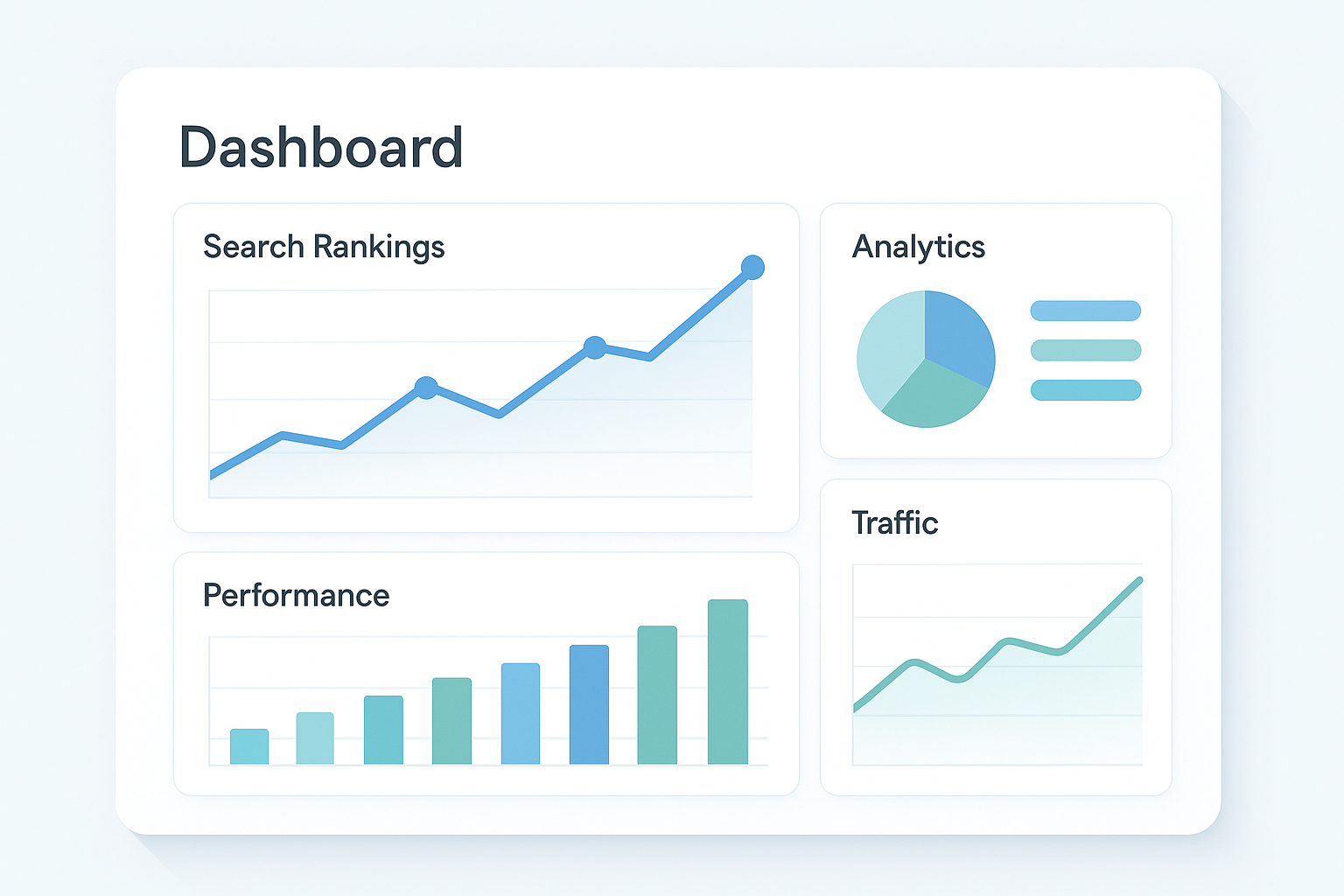
Tracking ranking trends is essential when working to improve online search rankings consistently.
Why Boosting Search Visibility Matters More Than Ever
As a result of AI-powered search tools, roughly 60% of searches now end without a click to an external site, according to industry click-through studies. Consequently, businesses that fail to appear in AI-generated summaries risk losing visibility even if their traditional rankings hold steady.
For example, a well-optimized local business page might rank on page one yet still lose traffic if it isn’t structured for AI extraction. In contrast, sites that combine solid SEO fundamentals with AEO-friendly formatting tend to capture both click traffic and AI citation opportunities.
Therefore, boosting search visibility today requires a dual approach. You can learn more about foundational tactics in this guide to improving your website’s search rankings easily, which pairs well with the AI-focused strategies below.
How to Improve Online Search Rankings: A Step-by-Step Process
Ranking improvement works best as a repeatable process rather than a one-time project. See our best SEO strategy guide for prioritization tactics. Below is a practical sequence that applies to most websites, regardless of industry.
- Audit current performance: Review rankings, traffic, and indexing issues using Google Search Console before making changes.
- Optimize for answer engines: Add clear definitions and question-based headings so AI tools can extract your content accurately.
- Fix technical SEO gaps: Improve page speed, mobile responsiveness, and structured data implementation. Explore AI-driven website optimization for automated technical fixes.
- Build topical authority: Publish interlinked content that thoroughly covers related subtopics.
- Monitor and automate: Track keyword movement continuously and adjust as algorithms evolve.
Notably, this process mirrors the approach outlined in the best way to improve search rankings quickly, which emphasizes prioritizing high-impact fixes first.
Strengthening Search Engine Rank With GEO and AEO
Generative Engine Optimization and Answer Engine Optimization are reshaping how content earns visibility. Unlike traditional SEO, which optimizes for a ranked list of links, GEO focuses on being cited inside AI-generated summaries. Learn more in our AI SEO strategy guide.
Meanwhile, AEO structures content so it directly answers common questions in a format voice assistants and answer boxes can parse. In particular, using short, direct answers followed by supporting detail — much like the structure of this article — tends to perform well.
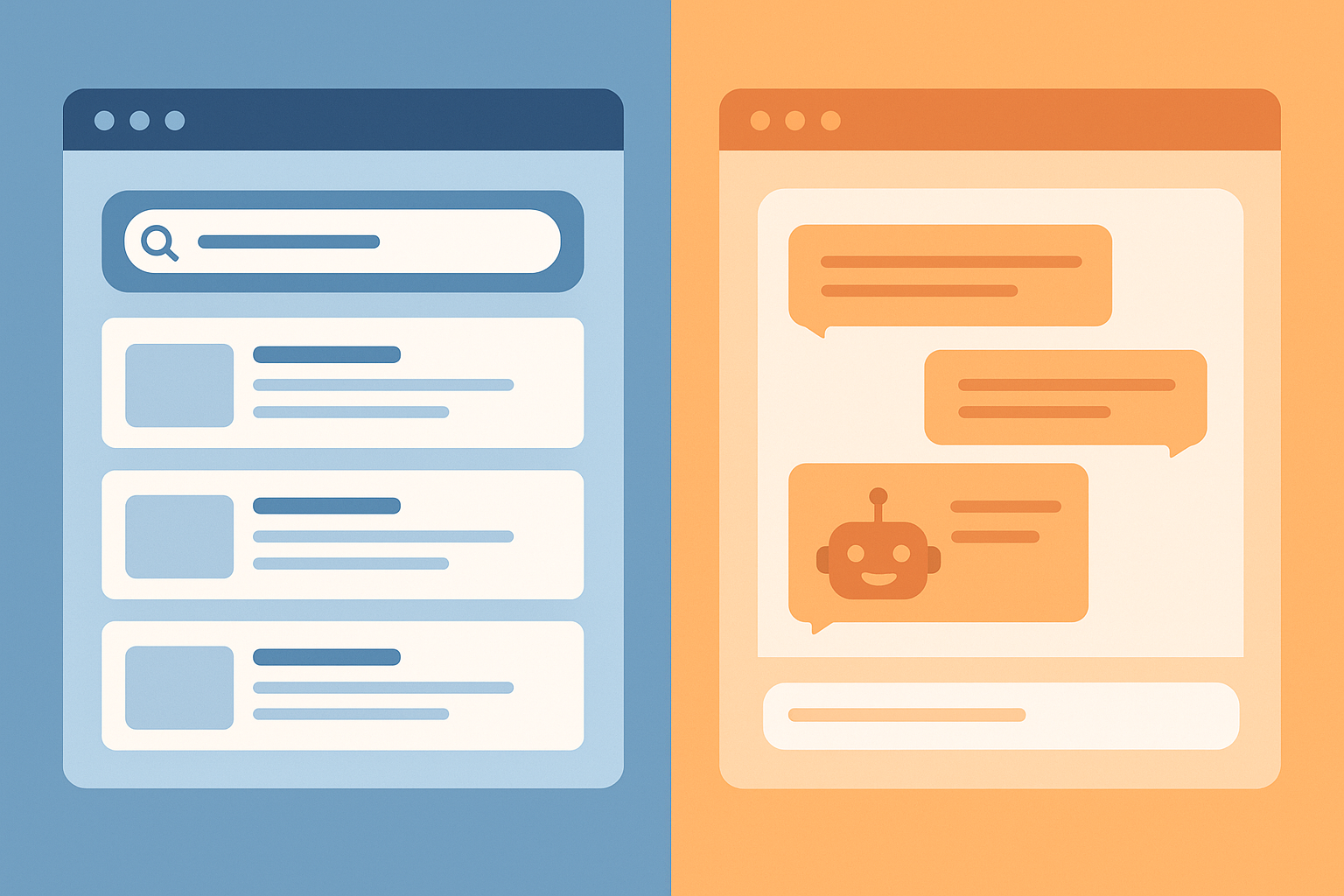
Understanding the difference between SEO, GEO, and AEO helps businesses improve online search rankings across every search surface.
According to Google’s official SEO starter guide, content quality and technical accessibility remain foundational, even as AI features expand. Similarly, the Wikipedia overview of search engine optimization confirms that authority and relevance signals have always driven ranking decisions — AI search simply adds new layers on top.
Common Mistakes That Prevent Search Ranking Improvement
Even well-intentioned optimization efforts can backfire. Below are mistakes that frequently stall progress.
- Keyword stuffing headings and body text unnaturally.
- Ignoring mobile page speed, which the National Institute of Standards and Technology notes is increasingly tied to AI-driven crawling efficiency.
- Publishing thin content with no clear answer to the reader’s question.
- Neglecting internal linking, which weakens topical authority signals.
In addition, many businesses overlook outdated content. Refreshing statistics, examples, and internal links regularly helps maintain relevance, a point covered further in these SEO secrets for business owners.
How Advanced Algorithm Optimization Impacts Rankings
Modern ranking systems rely on advanced algorithms that weigh hundreds of signals simultaneously, including engagement patterns and content structure. As explained in this breakdown of how advanced algorithm optimization impacts search rankings, automation tools like AI-driven website optimization can now test and adjust these signals far faster than manual methods.
For small businesses specifically, this automation matters. Resources like how small businesses can improve their online visibility show that automated platforms often close the gap between limited in-house expertise and enterprise-level optimization.
Choosing a Platform to Improve Online Search Rankings
Selecting the right tool matters just as much as the strategy itself. Platforms like website optimization automation built specifically for AI-era search, such as rankauthority.com, use automated GEO and AEO technology to handle much of the technical and strategic work described above.
Its 1-Click AI AutoPilot feature, for instance, is designed for small business owners, marketers, and agencies who need results without a steep learning curve. Furthermore, a seven-day risk-free trial allows teams to test automation against manual efforts before committing long term. Read about website optimization automation for implementation details.

Automated tools help business owners improve online search rankings without needing deep technical SEO expertise.
Frequently Asked Questions
What does it mean to improve online search rankings?
It means increasing how high a webpage appears in search and AI answer results for relevant queries. This involves optimizing content, structure, and authority signals so systems trust the page as relevant.
How long does it take to improve online search rankings?Most sites see measurable improvement within 3 to 6 months. Technical fixes and AEO structuring often show faster results than link-building alone. Consider automating your SEO process to speed iteration and monitoring.
What is the difference between SEO, GEO, and AEO?
SEO targets traditional results pages, while GEO focuses on AI-generated summaries. AEO structures content for direct answer boxes and voice search.
Why did my search rankings suddenly drop?
Sudden drops usually stem from algorithm updates, technical errors, or lost backlinks. Comparing the drop date against known update rollouts helps identify the cause.
How much does it cost to improve search rankings?
Costs range from free DIY efforts to several thousand dollars monthly for agencies. Automated platforms often offer a more affordable middle ground with trial periods.
Can small businesses improve online visibility without an SEO expert?
Yes, automated tools can handle technical audits and content structuring without deep expertise. Still, understanding basic principles helps evaluate results.
What are the most common mistakes that hurt search rankings?
Common mistakes include keyword stuffing, poor mobile performance, and duplicate content. Neglecting to update outdated content also signals reduced relevance.
Does site speed really affect search rankings?
Yes, site speed is a confirmed ranking factor, especially for mobile results. Core Web Vitals measure loading performance and interactivity directly.
How do backlinks help improve online search rankings?
Backlinks act as trust signals showing other reputable sites vouch for your content. Pages with strong backlink profiles typically rank higher.
Is AI search optimization replacing traditional SEO?
No, it’s expanding it rather than replacing it. Relevance and authority still matter, while GEO and AEO add new layers for AI-generated answers.
What is the best way to track search ranking progress?
Combine Google Search Console data with a dedicated rank tracking tool. Monitoring keyword positions and click-through rates reveals whether efforts are working.
How often should content be updated to maintain rankings?
High-value pages should be refreshed every 6 to 12 months. Time-sensitive topics may need more frequent updates to stay accurate.
Final Thoughts on Improving Online Search Rankings
Ultimately, learning how to improve online search rankings today means blending proven SEO fundamentals with newer GEO and AEO practices built for AI-driven search. From fixing technical issues to structuring content for direct answers, each step compounds over time to build lasting visibility. This guide was written by Bryan Dantonio.
As search continues to evolve, businesses that combine consistent monitoring with the right automation tools will be best positioned to stay visible. Whether you handle optimization manually or use a platform designed for this shift, the goal remains the same: earn trust from both search engines and the AI systems increasingly shaping how people discover information online. To improve discoverability, add internal links from 2–3 related site pages (see competitor-style guides) pointing to this guide using descriptive anchors.

