

Website visibility enhancement is the ongoing practice of making a website easier to find, rank, and reference across Google, Bing, AI Overviews, and chatbot-driven answer engines. For small business owners and in-house marketing teams, however, this goal has grown far more complex than stuffing a page with a handful of keywords. In this guide, we break down exactly what website visibility enhancement means in 2025, why it now matters more than almost any single ranking factor, and how to build a strategy that performs across both classic search results and next-generation AI discovery. Furthermore, we cover the ranking factors, checking methods, and measurement techniques that many other guides skip entirely, so you walk away with a complete, actionable playbook rather than a surface-level overview.
Quick answer: Website visibility enhancement combines technical SEO, quality content, structured data, accessibility, and authoritative backlinks so a site appears prominently in Google results, AI Overviews, and chatbot answers. The fastest path is auditing technical health first, then layering on content quality, schema markup, and link authority — while tracking the results monthly.
What Is Website Visibility Enhancement?
Website visibility enhancement is, put simply, the practice of increasing how often — and how prominently — a website appears wherever people search for information. This includes traditional search engine results pages, but it also extends to AI Overviews, chatbot responses, and voice assistants. As a result, visibility today depends on far more than keyword placement alone.
According to Wikipedia’s overview of search engine optimization, ranking factors have historically centered on relevance and authority signals. However, generative search tools now also weigh how clearly a page answers a specific question, which is why structured, direct answers matter so much for modern visibility strategies. In practice, website visibility enhancement pulls together six overlapping disciplines:
- Technical SEO — crawlability, indexability, and site speed
- Content quality — clear, accurate answers to real search intent
- Structured data — schema markup that helps machines parse a page
- Backlinks and authority — trust signals earned from reputable sites
- Accessibility and UX — usable pages for every visitor and every device
- AI-search readiness — formatting content so answer engines can cite it

Website visibility enhancement blends technical fixes, content quality, and search analytics into one ongoing process.
Why Website Visibility Enhancement Matters in the AI Search Era
Search behavior has shifted dramatically. In particular, a growing share of queries are now answered directly inside AI Overviews or chatbot conversations, without a user ever clicking through to a website. Nearly 68% of online experiences still begin with a search engine, according to BrightEdge research, which means visibility remains the entry point for most digital discovery — even when the final click never happens. Learn how AI formats content for answers in AI-driven content discovery.
Consequently, businesses that neglect website visibility enhancement risk becoming invisible even if their products or services are excellent. Above all, visibility determines whether potential customers ever encounter a brand in the first place, regardless of how strong the offering is once they arrive. In contrast, sites that treat visibility as a continuous discipline tend to compound their gains: every schema update, every fixed crawl error, and every improved page adds up over time rather than resetting to zero.
The Key Ranking Factors Behind Strong Search Visibility
No single fix delivers lasting website visibility enhancement. Instead, five interconnected factors determine whether a page can compete — and each one deserves individual attention.
Technical SEO Foundations
Search engines cannot rank what they cannot crawl. Therefore, confirm that robots.txt is not blocking key pages, that an XML sitemap is submitted, and that internal links guide crawlers to your most important content. In addition, page experience signals like Core Web Vitals — loading speed, interactivity, and visual stability — directly influence how Google evaluates a page, as explained in web.dev’s Core Web Vitals documentation. Slow, unstable pages quietly suppress visibility even when the content itself is excellent.
Content Quality and Search Intent
Content that genuinely answers a searcher’s question outperforms content written only to rank. Specifically, Google’s own guidance on creating helpful, people-first content emphasizes experience, expertise, authoritativeness, and trust — often shortened to E-E-A-T. As a result, pages that demonstrate real firsthand knowledge, cite sources, and answer questions directly tend to earn both higher rankings and more AI citations.
Structured Data and Schema Markup
Structured data, defined by the open vocabulary at schema.org, tells search engines and AI systems exactly what a page contains — an article, a product, a set of instructions, or a list of questions and answers. Consequently, well-tagged pages are more likely to appear in rich results and to be quoted accurately by generative search tools, rather than misread or ignored.
Backlinks and Authority Signals
Links from reputable, topically relevant sites remain one of the strongest trust signals available, as Moz’s guide to backlinks explains in detail. In contrast, low-quality or spammy links can actively harm visibility, so earning citations through original research, expert commentary, or genuinely useful tools tends to outperform shortcuts every time.
Accessibility and User Experience
Accessibility is frequently overlooked, yet it shapes both usability and crawlability. The W3C Web Accessibility Initiative notes that accessible sites — with proper alt text, keyboard navigation, and clear headings — serve more users and are easier for machines to parse as well. For a deeper look at this overlap, see how SEO and accessibility boost rankings and reach more users, or this companion piece on how SEO and accessibility work together. Similarly, pairing accessibility work with broader interface improvements — covered in this guide to improving user experience to boost rankings fast — often produces the fastest visible gains of all five factors.
How to Check Your Website Visibility Score Today
Before improving anything, it helps to establish a baseline. Fortunately, checking current visibility does not require expensive software — a combination of free and paid tools covers nearly every angle.
- Google Search Console: shows impressions, clicks, average position, and indexing errors for free.
- Bing Webmaster Tools: mirrors Search Console for Bing and Copilot-driven results.
- Third-party audit tools: reveal technical issues like broken links, duplicate content, and missing schema.
- Rank tracking software: monitors keyword position changes over time across devices and locations.
- AI citation monitoring: tracks whether a brand is quoted inside AI Overviews or chatbot answers, a newer but increasingly important metric.
Once a baseline exists, therefore, every future improvement can be measured against real numbers rather than guesswork.
How to Improve Online Visibility Step by Step
Improving online visibility does not require guesswork. Instead, it follows a repeatable sequence that works for most websites, regardless of industry. The following numbered process outlines the core steps. See our AI-driven content discovery guide.
- Audit technical health. Check page speed, mobile usability, crawlability, and overall site structure to find issues blocking search engines from indexing content properly.
- Optimize on-page content. Rewrite titles, headings, and body copy so they clearly answer user questions and match real search intent for each page.
- Add structured data. Implement schema markup so search engines and AI answer engines can accurately interpret and cite your content in results.
- Build authoritative links. Earn backlinks and citations from reputable, relevant sites to strengthen domain authority and long-term trust signals.
- Monitor and refine continuously. Track ranking positions and AI citation appearances monthly, then adjust based on what the data reveals.
For a deeper breakdown of these tactics, this guide to proven visibility strategies covers additional on-page techniques worth testing.
Search Visibility Growth for Local Businesses
Local businesses often see the fastest gains from targeted efforts. Specifically, optimizing a Google Business Profile, gathering reviews, and building local citations can noticeably boost search visibility growth within weeks rather than months.
Similarly, location-specific content pages help search engines connect a business with nearby search intent. For a full walkthrough, see this resource on ranking higher in local search results, which pairs well with broader visibility efforts.
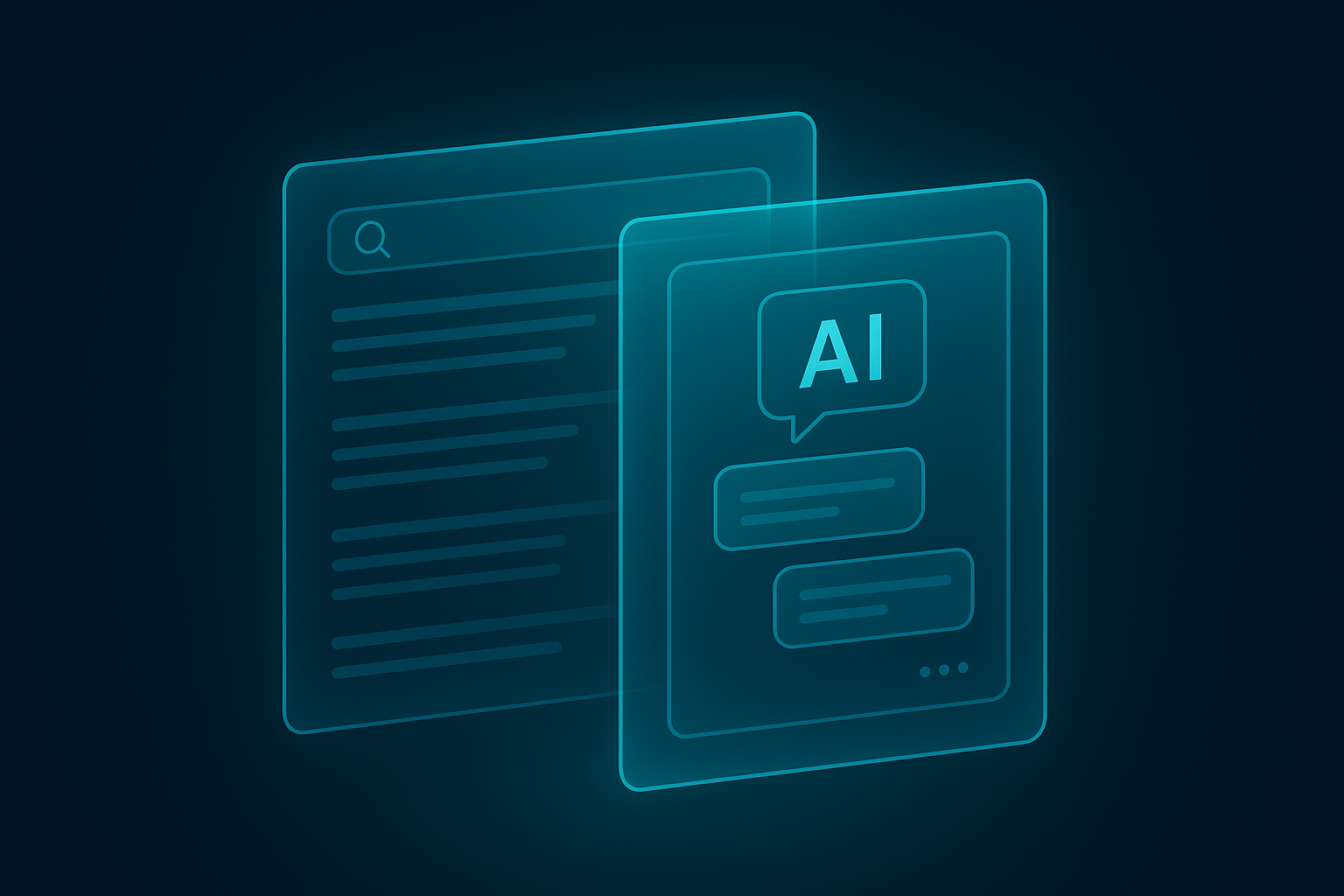
AI answer engines now sit alongside traditional listings, changing how visibility is earned and measured.
Digital Discoverability for Small Businesses and Entrepreneurs
Small businesses often lack dedicated marketing teams, so digital discoverability must be approached efficiently. Therefore, prioritizing high-impact tasks, like fixing technical errors and refreshing outdated content, tends to deliver better returns than chasing every possible tactic at once.
For a more detailed roadmap tailored to smaller teams, this article on how small businesses can improve online visibility offers practical, low-cost starting points.
Tools and Platforms That Support Website Visibility Enhancement
Manual optimization works, but it can be time-consuming, particularly for agencies managing multiple client sites. As a result, many teams now rely on a mix of manual tools and automated platforms to handle repetitive technical and structural work. Learn how to enhance content discoverability.
- Search Console and Bing Webmaster Tools for baseline monitoring, free of charge
- Crawling and audit tools for finding broken links, duplicate content, and missing tags
- Keyword and rank tracking platforms for measuring movement over time
- Automated optimization platforms, such as RankAuthority’s 1-Click AI AutoPilot, for handling schema updates and technical fixes at scale
Specifically, RankAuthority’s 1-Click AI AutoPilot automates common GEO (Generative Engine Optimization) and AEO (Answer Engine Optimization) tasks, including structured data updates and technical fixes, and includes a seven-day free trial for teams testing the approach. In addition, a broader comparison of options is available in this list of tools for improving online visibility.
SEO vs. Website Visibility Enhancement vs. GEO and AEO
These terms overlap, yet they are not identical, and confusing them leads to incomplete strategies. Traditional SEO chiefly targets ranking positions on classic search engine results pages. Website visibility enhancement, in contrast, is broader still — it wraps SEO together with Generative Engine Optimization (GEO) and Answer Engine Optimization (AEO), both of which focus specifically on earning citations inside AI-generated answers rather than blue links.
In other words, a page can rank well in classic search yet still be ignored by an AI Overview if it lacks clear structure or a direct answer near the top. Consequently, a complete website visibility enhancement strategy treats SEO, GEO, and AEO as complementary layers rather than separate projects.
Common Mistakes That Undermine Visibility Efforts
Even well-intentioned strategies can fail due to avoidable errors. The following mistakes quietly suppress rankings more often than any single algorithm update.
- Ignoring page speed and Core Web Vitals scores
- Publishing thin, generic, or duplicate content
- Skipping schema markup on key pages
- Neglecting mobile usability, despite the majority of search traffic now coming from mobile devices according to Google’s official Search Central documentation
- Overlooking accessibility basics, which limits both audience reach and crawlability
Consequently, fixing these foundational issues first often produces the largest visibility gains, well before more advanced tactics are even necessary.
How to Measure and Track Visibility Improvements
Measurement turns website visibility enhancement from a guessing game into a data-driven discipline. Specifically, track these indicators every month rather than relying on a single snapshot.
- Organic impressions and clicks from Search Console, showing overall reach
- Average keyword position across your priority terms
- Click-through rate by page, which flags weak titles and meta descriptions
- Branded search volume, an indirect signal of growing brand recognition
- AI citation frequency, tracked manually or via emerging monitoring tools
Above all, consistency matters more than any single tool. Reviewing these metrics on a fixed schedule reveals genuine trends that a one-off audit simply cannot show.
Sustaining Long-Term Visibility Gains
Visibility improvements are not permanent. Search algorithms and AI models evolve constantly, which means strategies need regular review rather than a one-time setup.
In particular, revisiting content every three to six months and monitoring technical performance monthly helps maintain rankings over time. This related guide on achieving sustained search visibility goes deeper into maintenance routines that prevent ranking decay.
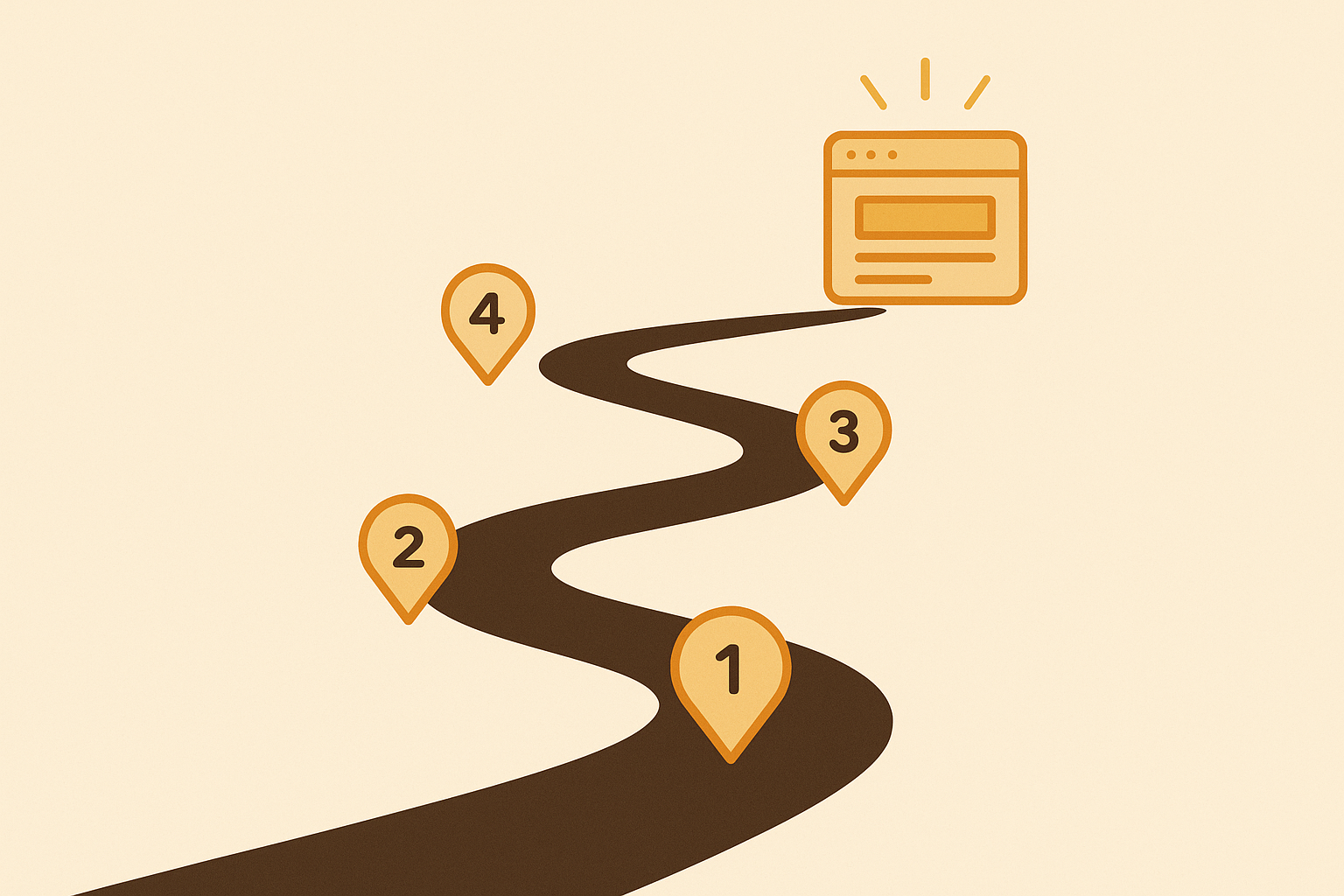
Sustained website visibility enhancement depends on regular review, not a single one-time fix.
Frequently Asked Questions About Website Visibility Enhancement
What is website visibility enhancement?
Website visibility enhancement is the process of improving how easily search engines, AI answer engines, and users can find and trust your site. It combines technical SEO, quality content, and structured data to increase rankings and discoverability.
How long does website visibility enhancement take to show results?
Most sites see measurable movement within 8 to 12 weeks, while stronger authority gains typically take 4 to 6 months. Competitive industries or newer domains may need longer to see consistent improvements.
How much does website visibility enhancement cost?
Costs vary widely, from free on-page fixes to monthly retainers of several thousand dollars for agency-led campaigns. Automated platforms often offer a lower-cost entry point, including free trial periods to test results first.
What is the difference between SEO and website visibility enhancement?
Traditional SEO focuses mainly on ranking in classic search engine results pages. Website visibility enhancement is broader, also covering AI Overviews, chatbot answers, and voice search discoverability.
Why is website visibility enhancement important for small businesses?
Small businesses depend on organic discovery because paid advertising budgets are often limited. Strong visibility means more qualified traffic and better local reach, reducing reliance on paid channels over time.
What are the most common mistakes in visibility optimization?
Common mistakes include ignoring page speed, publishing thin content, skipping structured data, and neglecting mobile usability. As a result, sites lose ranking potential even when other efforts are strong.
How does AI search change website visibility strategy?
AI search tools summarize and cite sources rather than just listing links, so content must be clearly structured, factual, and easy to extract. This means schema markup and direct-answer formatting matter more than ever.
What tools help with website visibility enhancement?
Useful tools include technical auditors, keyword research platforms, and automated optimization systems such as RankAuthority’s 1-Click AI AutoPilot. These tools identify gaps and apply fixes without requiring deep technical expertise.
Can local businesses benefit from website visibility enhancement?
Yes, local businesses often see fast gains by combining on-site optimization with local search signals like reviews and business listings. Local relevance frequently improves visibility faster than broad national campaigns.
What is the best way to measure visibility improvements?
Track organic impressions, keyword ranking positions, and click-through rate using search console data alongside referral traffic from AI tools. Consistent monthly reporting reveals trends more reliably than single snapshots.
Does content quality affect website visibility enhancement?
Content quality is central to visibility because search engines and AI systems prioritize accurate, well-organized information. In contrast, thin or duplicate content actively suppresses rankings.
How often should visibility strategies be updated?
Review technical performance monthly and refresh core content every 3 to 6 months. Search algorithms and AI models change frequently, so ongoing adjustments are necessary to maintain rankings.
Is automation effective for improving search visibility?
Automation can be highly effective for recurring technical tasks, structured data updates, and monitoring, freeing up time for strategy. However, it works best alongside genuine, well-researched content.
What is a website visibility score and how is it calculated?
A website visibility score typically blends keyword rankings, organic traffic estimates, and search share within a niche into a single index. While formulas differ between tools, most weigh top-10 rankings and click-through potential most heavily.
Does website visibility enhancement help with voice search?
Yes, because voice assistants typically pull answers from the same structured, concise content that ranks well in AI Overviews. Therefore, formatting content with clear headings and direct answers improves both text and voice discoverability together.
Final Thoughts on Website Visibility Enhancement
Ultimately, website visibility enhancement is no longer a one-time project; it is an ongoing discipline that spans technical SEO, quality content, structured data, accessibility, and AI-search readiness. As search behavior continues shifting toward AI Overviews and chatbot answers, sites that invest in both traditional and next-generation optimization will maintain a clear advantage over those that don’t.
In summary, start with a technical audit, layer on strong content and schema markup, and monitor results consistently every month. Whether handled manually or supported by automated tools like those available through rankauthority.com, a structured approach to website visibility enhancement remains the most reliable way to stay discoverable as search continues to evolve. Last updated: 2026-08-14. Author: RankAuthority Editorial Team. Add an author byline and short bio with credentials, and link the byline to the site's About page.

