

To check backlinks SEO is to audit every external link pointing to your website and evaluate how those links affect your search engine rankings. Because backlinks remain one of Google’s most powerful ranking signals, understanding your link profile is essential for any serious SEO strategy.
However, not all backlinks help your site. Some links actively damage your authority, while others deliver significant ranking power. Therefore, learning to distinguish between the two — and acting on that knowledge — is what separates average SEO practitioners from effective ones.
Why Backlinks Still Drive Search Rankings
According to Google’s PageRank algorithm, links from other websites act as editorial votes. Each vote tells the search engine that your content is credible and worth surfacing. As a result, pages with more high-quality backlinks consistently outrank pages with weaker link profiles, even when content quality is comparable.
Additionally, backlinks help search engine crawlers discover your pages faster. When an authoritative site links to a new post, Google’s bots follow that link and index the destination more quickly. In practice, this means strong backlinks accelerate both discovery and ranking.
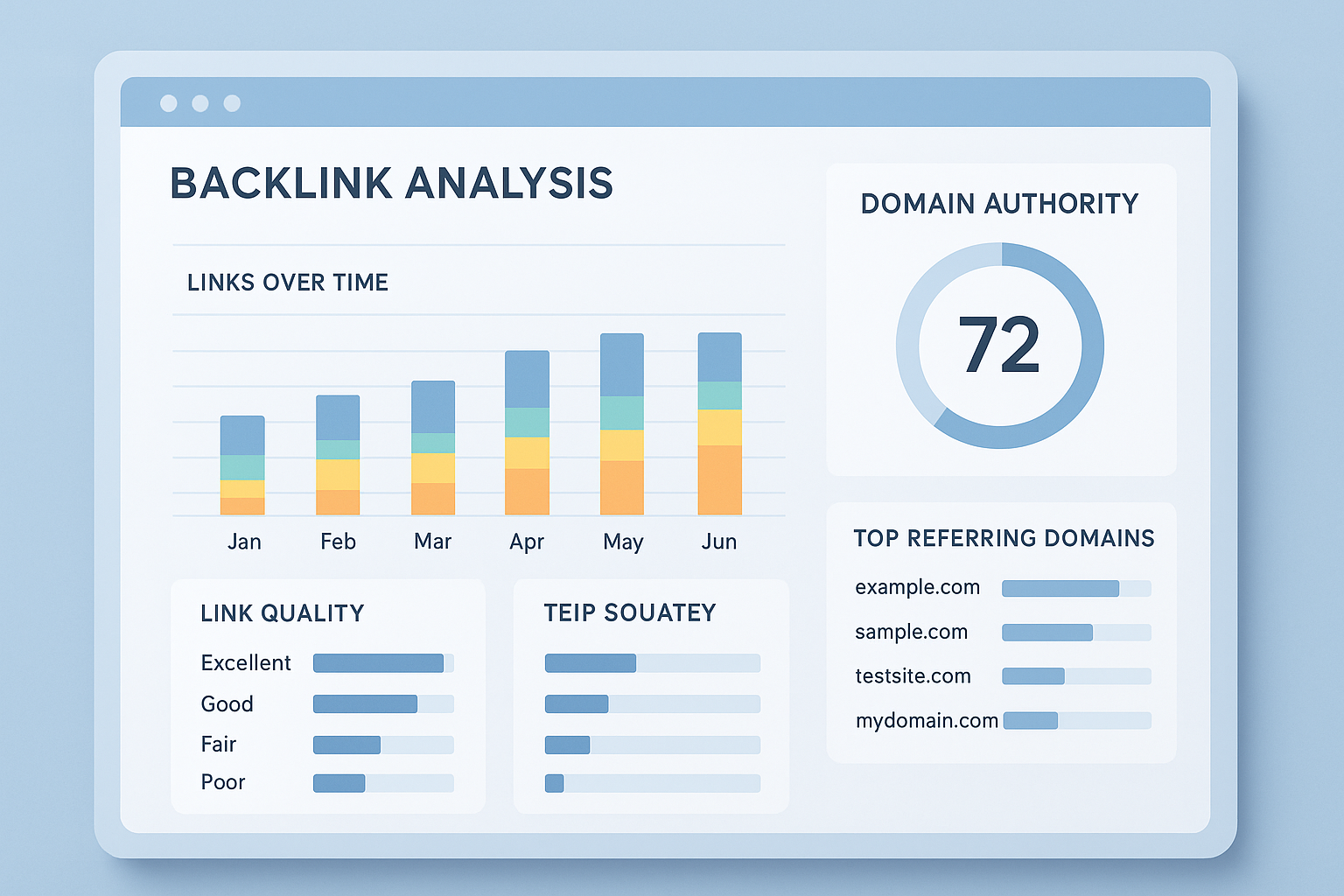
A modern backlink analysis dashboard helps you check backlinks SEO efficiently and identify link quality at a glance.
The Best Tools to Check Your Backlink Profile
Several tools exist for backlink auditing, and each offers a different balance of depth, cost, and ease of use. Choosing the right one depends on your budget and how frequently you plan to audit.
Google Search Console is the best free starting point. It shows all links Google has discovered pointing to your site, organized by referring domain and anchor text. However, its data is limited compared to paid alternatives.
Ahrefs is widely regarded as the most comprehensive paid tool, offering a massive link index, Domain Rating scores, and historical link data. SEMrush similarly provides deep backlink audits alongside competitive intelligence features. Meanwhile, Moz Link Explorer offers a solid free tier for smaller sites just beginning their audits.
For a structured approach to auditing and improving your link profile, resources like RankAuthority provide actionable guidance on evaluating link quality alongside broader SEO strategy.
How to Check Backlinks SEO Step by Step
Following a structured process ensures you don’t miss critical issues in your link profile. Below is a practical six-step workflow you can repeat monthly.
1Choose your backlink audit tool. Start with Google Search Console for free data, then supplement with Ahrefs or SEMrush for deeper analysis.
2Export your full backlink list. Download all referring domains and individual URLs so you can review them systematically.
3Evaluate link quality and relevance. Check each domain’s authority score, content topic, and spam indicators. Flag any that look suspicious.
4Identify and disavow toxic links. Compile a disavow file and submit it through Google Search Console to neutralize harmful links.
5Analyze competitor backlinks for opportunities. Enter rival domains into your tool to find high-authority sites you could target for outreach.
6Monitor your link profile regularly. Set up alerts or schedule monthly audits to track new, lost, and toxic backlinks as your site grows.
Key Metrics to Evaluate During a Backlink Audit
Not every number in a backlink report carries equal weight. Instead, focus on the metrics that most directly influence your ranking potential.
Domain Authority (DA) or Domain Rating (DR) measures the overall strength of a linking site. A link from a DR 80 site is far more valuable than ten links from DR 10 sites. Additionally, anchor text diversity matters enormously. A healthy profile mixes branded anchors, generic phrases, and natural variations rather than repeating exact-match keywords.
Referring domain count is another critical indicator. One hundred links from ten unique domains is weaker than one hundred links from one hundred different domains. Furthermore, the dofollow vs. nofollow ratio reveals how much link equity your profile actually passes. While nofollow links still contribute to a natural profile, dofollow links carry the direct ranking power.
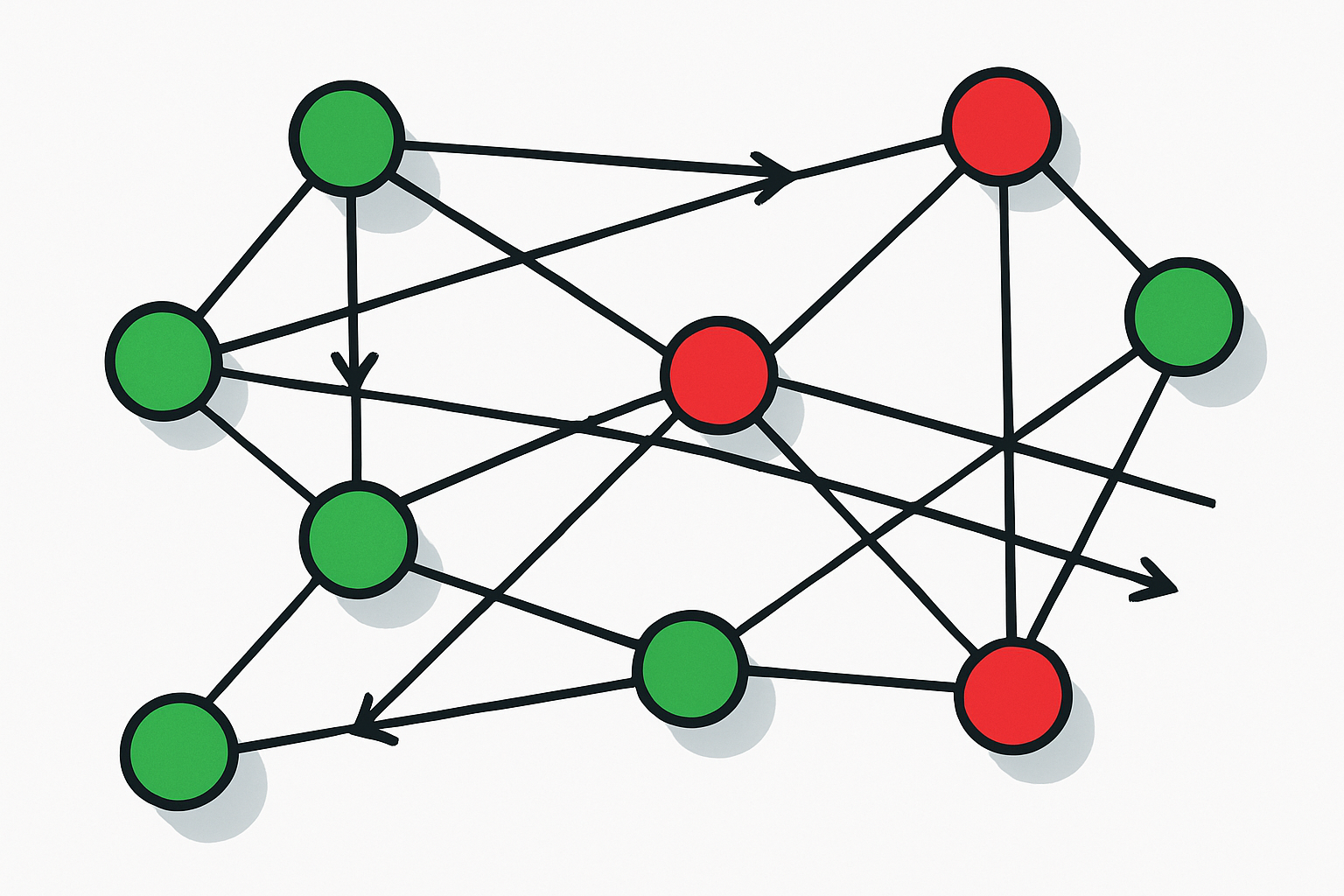
Visualizing your link network helps identify toxic links that need to be disavowed during a backlink audit.
How to Spot and Handle Toxic Backlinks
Toxic backlinks are links from low-quality, spammy, or entirely irrelevant websites. In practice, they often originate from link farms, private blog networks (PBNs), or sites with very low authority scores. Because Google’s algorithms are increasingly sophisticated, these links can trigger manual or algorithmic penalties.
First, look for warning signs such as domains with no real content, foreign-language sites linking to English pages with no logical connection, or sites with a spam score above 30%. Next, attempt to contact the webmaster of the linking site and request removal. Finally, if removal requests are ignored, compile a disavow file and submit it through Google Search Console’s Disavow Tool.
However, use the disavow tool cautiously. Disavowing legitimate links by mistake can harm your rankings. Therefore, only flag links you are highly confident are harmful.
Using Competitor Backlinks to Find Link Opportunities
One of the most underused techniques in link building is competitor backlink analysis. By entering a competitor’s domain into Ahrefs or SEMrush, you can see exactly which sites link to them. As a result, you can identify high-authority domains in your niche that are already open to linking out.
For example, if three competitors all have backlinks from the same industry blog, that blog is clearly receptive to your niche. In that case, reaching out with a relevant guest post pitch or resource suggestion becomes a high-probability outreach target.
Additionally, tools like RankAuthority can help you prioritize which competitor links are worth pursuing based on authority and topical relevance. This approach saves time and focuses your outreach on the opportunities most likely to move the needle.
Common Mistakes When Auditing Your Link Profile
Many site owners make avoidable errors when reviewing their backlinks. Understanding these pitfalls helps you conduct a more accurate and productive audit.
Over-disavowing links is one of the most damaging mistakes. Because disavowing good links removes ranking power, always verify a link’s quality before adding it to your disavow file. Similarly, relying on a single tool gives an incomplete picture. Different crawlers index different portions of the web, so cross-referencing two or more tools produces more reliable data.
Another common error is ignoring lost links. When a valuable backlink disappears — because the linking page was updated, deleted, or redirected — your authority can quietly erode. Therefore, monitoring lost links monthly and reaching out to reclaim them is just as important as building new ones.
How Frequently Should You Audit Your Backlinks?
The right audit frequency depends on your site’s activity level. For most websites, a monthly audit strikes the right balance between thoroughness and efficiency. However, if you are actively running a link-building campaign or have recently experienced a ranking drop, weekly checks are more appropriate.
In contrast, a small blog with minimal link activity may only need quarterly audits. The key principle is consistency: irregular audits allow toxic links to accumulate unnoticed and make it harder to connect ranking changes to specific link events.
Quick Answer: To check backlinks SEO effectively, use Google Search Console for free data, supplement with a paid tool like Ahrefs or SEMrush, evaluate each link’s authority and relevance, disavow toxic links, and repeat the process monthly to maintain a healthy link profile.
Frequently Asked Questions
What does it mean to check backlinks SEO?
To check backlinks SEO means to audit all external websites linking to your domain and evaluate their quality, relevance, and impact on search rankings. This process reveals both the strengths and vulnerabilities of your link profile. Regular audits allow you to take corrective action before problems affect your visibility.
Why are backlinks important for SEO?
Backlinks act as editorial votes that signal trustworthiness and authority to search engines. High-quality backlinks are consistently among Google’s top ranking factors. Additionally, they help search bots discover and index your pages faster.
How often should I check my backlinks?
Most active websites benefit from monthly backlink audits. If you are running a link-building campaign or have experienced a ranking drop, weekly checks are more appropriate. Consistency is more important than frequency.
What is the best free tool to check backlinks?
Google Search Console is the best free option because it surfaces data directly from Google’s index. Pairing it with Moz Link Explorer’s free tier provides a broader view of your link profile without any cost.
What are toxic backlinks and how do they affect SEO?
Toxic backlinks come from spammy, low-quality, or irrelevant sites and can harm your domain’s reputation with search engines. A high concentration of such links may trigger algorithmic or manual penalties, causing ranking drops. Identifying and disavowing them protects your site’s authority.
How do I remove or disavow bad backlinks?
First, contact the linking webmaster and request manual removal. If that fails, compile a disavow file and submit it through Google Search Console’s Disavow Tool. Only disavow links you are confident are harmful, as disavowing good links can reduce your rankings.
What metrics should I look at when checking backlinks?
Focus on Domain Authority or Domain Rating of the linking site, anchor text diversity, number of unique referring domains, topical relevance, and the dofollow vs. nofollow ratio. Together, these metrics give a complete picture of your link profile’s health.
Can checking competitor backlinks help my SEO strategy?
Yes, competitor backlink analysis reveals which authoritative sites in your niche are willing to link out. This intelligence lets you target the same sources with your own outreach, significantly improving your link-building efficiency.
What is anchor text and why does it matter for backlinks?
Anchor text is the visible, clickable text of a hyperlink. A diverse, natural anchor text profile signals authenticity to search engines. In contrast, over-optimized exact-match anchors can trigger spam filters and hurt your rankings.
What is the difference between dofollow and nofollow backlinks?
Dofollow links pass link equity directly to your site and influence rankings, while nofollow links carry an attribute that tells search engines not to pass equity. Both types contribute to a natural-looking profile, but dofollow links carry the primary ranking benefit.
How many backlinks do I need to rank on the first page of Google?
There is no fixed number because it depends on your niche’s competitiveness and the authority of linking domains. A few highly authoritative backlinks can outweigh hundreds of weak ones. Focus on quality over quantity for sustainable rankings.
Does losing backlinks hurt my SEO rankings?
Yes, losing high-quality backlinks can cause noticeable ranking drops, especially if those links were major contributors to your domain authority. Monitoring lost links monthly allows you to reclaim them through targeted outreach before rankings decline significantly.
Final Thoughts on How to Check Backlinks SEO
Knowing how to check backlinks SEO is not a one-time task — it is an ongoing discipline that protects and grows your site’s search authority. By combining free tools like Google Search Console with paid platforms such as Ahrefs or SEMrush, you gain a complete view of who links to you and why.
Additionally, by regularly auditing for toxic links, monitoring lost links, and mining competitor profiles for new opportunities, you build a link strategy that compounds over time. In practice, the sites that consistently rank at the top of Google are those that treat their backlink profile as a living asset — one that requires ongoing attention, not just occasional review.
Start with the six-step process outlined above, revisit it monthly, and your link profile will become one of your most durable competitive advantages in search.

