

AISEO is the AI-powered content and SEO platform that thousands of marketers now use to research keywords, draft optimized content, and climb search rankings faster than manual methods ever allowed. Whether you landed here searching for the specific AISEO tool or the broader practice of AI-driven search optimization, this guide covers both — in far more depth than a simple app listing ever could. Below, you’ll find exactly what AISEO does, how its features work, what it costs, how to set it up step by step, and how it stacks up against alternatives. According to a 2024 BrightEdge study, 68% of marketers already use AI tools somewhere in their SEO workflow — and AISEO is one of the platforms driving that shift.
What Is AISEO? A Complete Definition of AI-Powered SEO
In short, AISEO is an AISEO platform that combines artificial intelligence, natural language processing (NLP — technology that helps computers understand human language), and machine learning to automate the most time-consuming parts of search engine optimization. Instead of manually researching keywords and drafting content from a blank page, users feed AISEO a topic, and it generates outlines, drafts, and SEO-scored copy in minutes.
More broadly, the term also describes the wider discipline of AI-powered SEO — using automated tools of any kind to plan, execute, and scale optimization work. Traditional SEO relies on human researchers analyzing keywords, writing content by hand, and auditing sites manually. AISEO, by contrast, automates those data-heavy tasks and delivers insights at a speed no human team could match alone.
For example, how AISEO works: AISEO can process thousands of competing pages, spot content gaps, and generate a prioritized content plan in minutes. It can also monitor ranking fluctuations in real time and flag when a page needs a refresh. In short, AISEO turns raw data into a repeatable strategy — quickly and accurately.
Quick Answer: What Is AISEO?
AISEO is an AI-powered SEO and content platform that generates keyword-researched, SEO-scored drafts using machine learning and NLP. It also describes the broader practice of automating SEO tasks — keyword research, content creation, and technical audits — with artificial intelligence.

An AISEO-style dashboard consolidates keyword insights, content scores, and technical audit results into one workspace.
Core Features of the AISEO Platform
Unlike a simple app description, here is exactly what you can expect to use once inside the platform. Each feature targets a different bottleneck in the traditional SEO workflow.
AI Content Generator and Templates
At its core, AISEO offers dozens of pre-built templates — blog intros, product descriptions, meta descriptions, ad copy, and long-form articles. Consequently, users rarely start from a blank page. Instead, they select a template, add context, and receive a structured first draft within seconds.
Built-In SEO Scoring and NLP Suggestions
As you write, AISEO scores your content against top-ranking pages for the same keyword. It then recommends related terms, heading structures, and word-count targets. This real-time feedback loop is arguably the platform’s strongest differentiator against generic AI writers that ignore search intent entirely.
AISEO Chat and Real-Time Assistance
A conversational assistant sits alongside the editor, ready to rewrite paragraphs, adjust tone, translate text, or brainstorm headlines on demand. As a result, editing becomes a back-and-forth conversation rather than a manual rewrite process.
Multi-Language Support and Cross-Platform Access
AISEO AI guide supports content generation in more than 25 languages, which is valuable for teams targeting multiple regional markets. In addition, it’s accessible directly through a web browser, a Chrome extension, or as a dedicated desktop app — so you can draft content without switching tabs constantly.
AISEO Pricing and Plans Explained
Pricing is one of the first questions readers ask, yet it’s frequently the weakest part of app-directory listings. Here’s the breakdown you actually need.
- Free trial: Limited word count and templates, ideal for testing the interface before committing.
- Starter plan (roughly $19–$29/month): Suited to solo bloggers and freelancers producing a handful of articles monthly.
- Pro plan (roughly $40–$60/month): Unlocks higher word limits, unlimited SEO scoring, and priority generation speed.
- Team/Agency plan (roughly $80–$150+/month): Adds multi-seat access, shared brand voice settings, and bulk content workflows.
Fortunately, most plans include a free trial, so you can evaluate output quality on your own niche before paying. Above all, match the plan to your actual publishing volume rather than buying the biggest tier available.
How to Get Started With AISEO: Step-by-Step Setup
Building a working AISEO-powered workflow doesn’t have to be complicated. Follow these six steps in order to get from sign-up to published, ranking content and consult our AISEO setup guide for detailed setup tips.
- Create your AISEO account and workspace. Sign up, select your niche and target language, and set your brand voice preferences so every future draft matches your tone automatically.
- Run a baseline keyword and content audit. Use an AI audit feature to crawl your existing site, surfacing technical issues, thin content, and untapped keyword opportunities before you write anything new.
- Generate a content brief and first draft. Enter your target keyword, choose a template, and let AISEO produce a structured outline and draft grounded in top-ranking competitor pages.
- Optimize using the SEO score, then apply human review. Follow the on-screen NLP suggestions to add missing subtopics, then have an editor fact-check claims and adjust tone before anything goes live.
- Install the browser extension or desktop app. Add AISEO to your browser or install it as a standalone desktop application so you can draft directly inside your CMS, email, or documents without switching windows.
- Publish, monitor rankings, and iterate weekly. Track keyword position, organic traffic, and click-through rate, then feed underperforming pages back into AISEO for a refresh based on new ranking data.
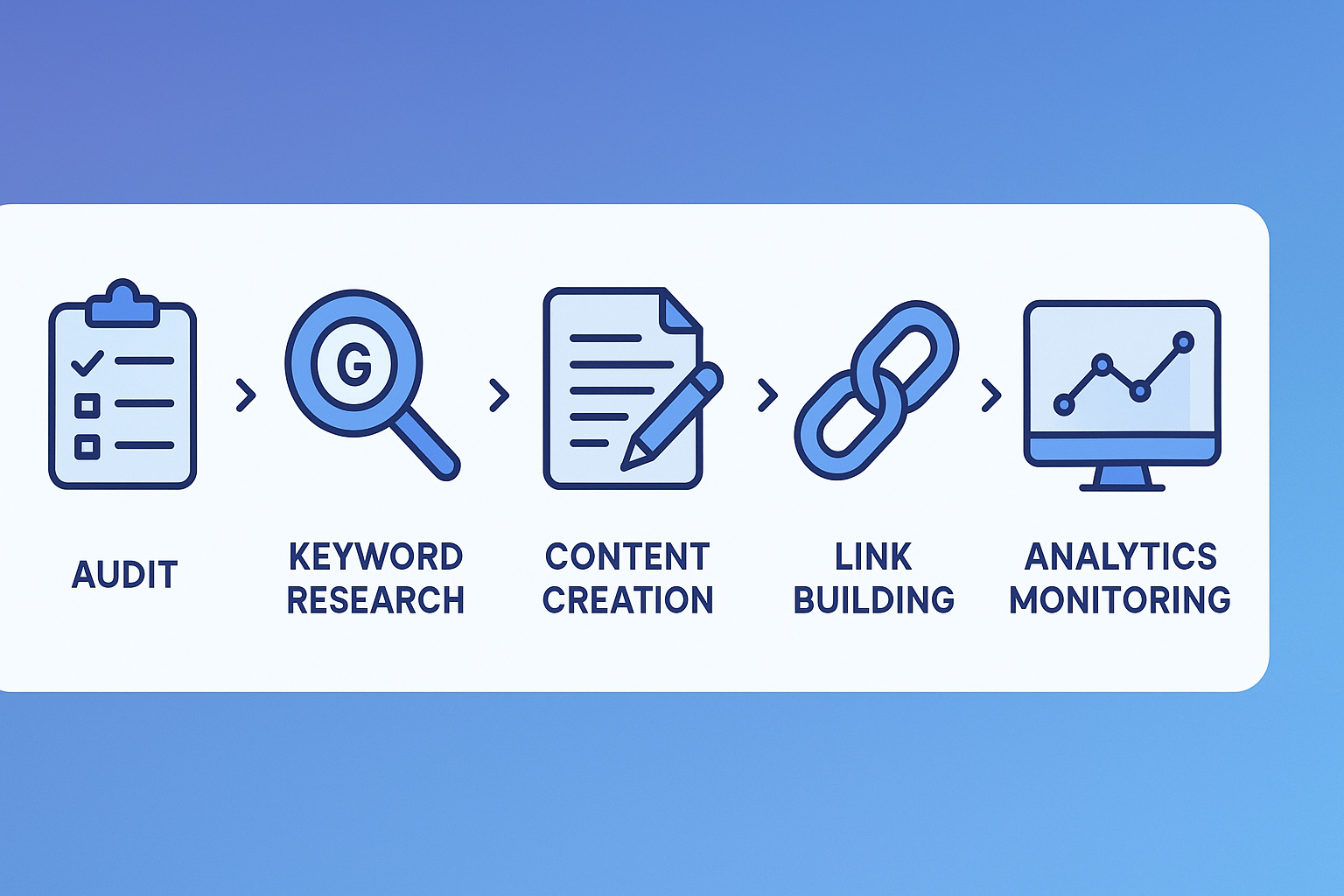
A structured workflow helps teams implement AISEO consistently and measure results at every stage.
How AI Is Reshaping AI-Powered SEO
Search engines themselves have embraced AI deeply. Google’s RankBrain and its successor, the MUM (Multitask Unified Model) algorithm, use machine learning to understand search intent far beyond simple keyword matching. As a result, anyone using AISEO must now optimize for context and topical authority, not just keyword density.
This shift means AI-powered SEO platforms are no longer optional extras. Specifically, tools that map semantic relationships between topics help marketers build content clusters that demonstrate genuine expertise — exactly what modern algorithms reward.
The Role of NLP Inside AISEO’s Writing Engine
Natural language processing powers both search algorithms and AISEO’s own writing engine. When you generate a draft, the platform applies NLP to identify the most relevant terms, headings, and structures for your topic. Consequently, content produced this way tends to align more closely with what search engines already reward.
Moreover, NLP helps detect thin content, duplicate phrasing, and readability issues that a human editor might overlook. This makes review faster and more reliable, especially for teams managing large content libraries across multiple sites.
Key Benefits of Using AISEO
- Faster keyword discovery: Surfaces long-tail and semantic opportunities that manual research often misses.
- Smarter content briefs: Analyzes top-ranking pages and builds outlines covering every relevant subtopic automatically.
- Real-time SEO scoring: Flags missing terms and structural gaps before you hit publish, not after.
- Scalable output: Enables small teams to produce consistent, quality content without hiring a large writing staff.
- Cross-platform flexibility: Works in-browser, as an extension, or as a desktop app, fitting into almost any workflow.
Honest Limitations to Keep in Mind
However, AISEO is not a silver bullet. AI-generated drafts can contain inaccurate facts, generic phrasing, or content that lacks genuine expertise. Therefore, human review and subject-matter knowledge remain essential before anything ships publicly.
In contrast, teams that treat AISEO as an accelerator — rather than a full replacement for editorial judgment — consistently see better long-term results. In addition, per the Google Helpful Content guidelines, AI-assisted pages must still be created primarily for people, not just for algorithms, to earn sustainable rankings.
AISEO vs. Alternatives: How It Compares
The market for AI-driven SEO software has grown rapidly, so choosing the right stack can feel overwhelming. Generally, the smartest approach is matching a tool to your specific workflow gap rather than buying every platform available.
- AISEO vs. Jasper: AISEO leans lighter and more affordable for solo creators; Jasper offers deeper brand-voice training for larger teams.
- AISEO vs. Surfer SEO: Surfer focuses almost entirely on on-page optimization scoring, while AISEO combines writing and scoring in one interface.
- AISEO vs. Copy.ai: Copy.ai leans toward short-form marketing copy; AISEO is more built around long-form, SEO-scored articles.
Similarly, if link building is your priority rather than content, look for a specialized AI outreach tool instead — AISEO is not designed to replace that function. For broader strategy guidance, our internal AI-Driven SEO guide pairs well with any AI writing stack.
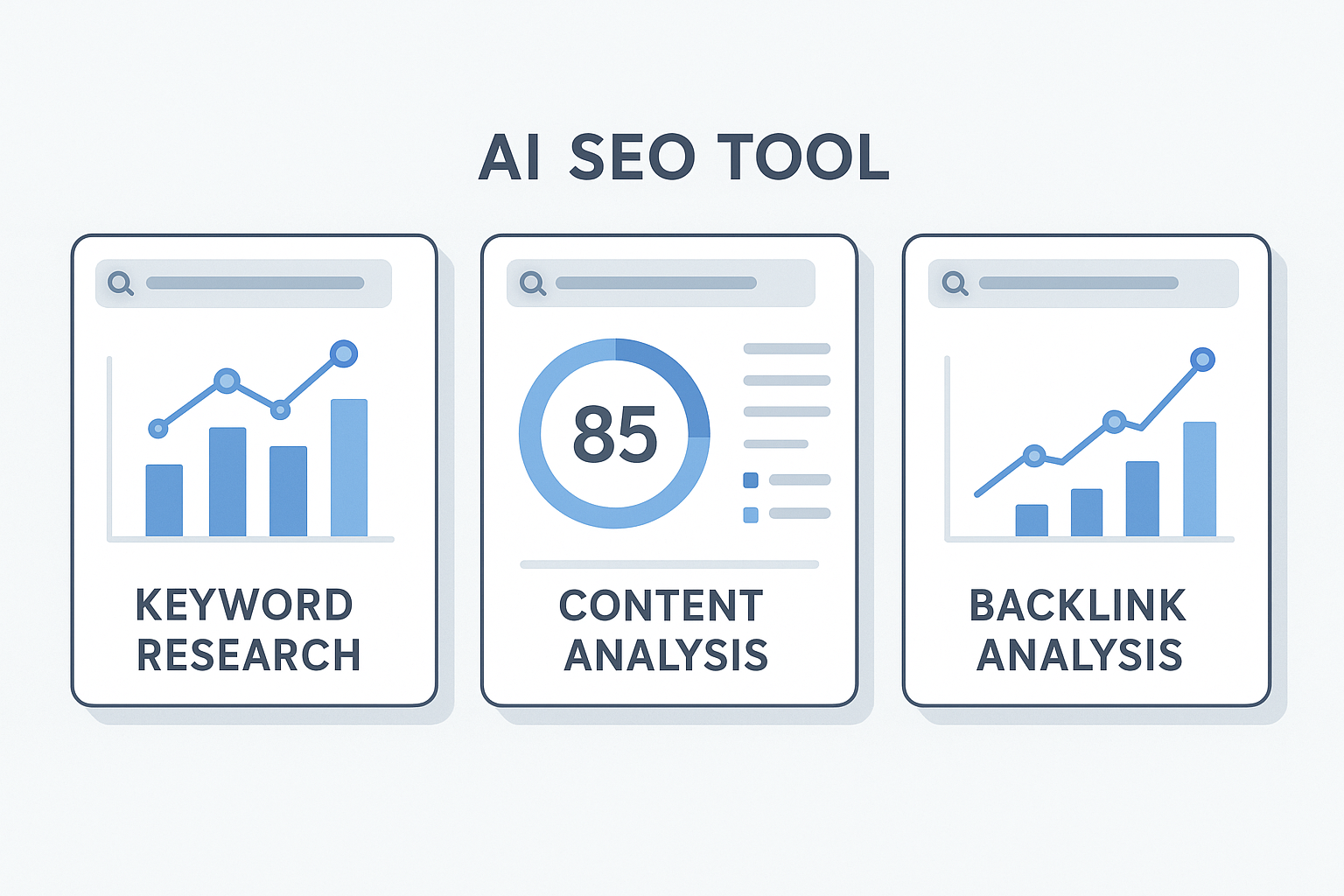
Comparing AISEO against alternative platforms helps teams pick the tool that best fits their exact workflow.
Measuring Success: Metrics That Matter With AISEO
Tracking the right metrics is essential to proving the value of any AISEO investment. Therefore, set a clear measurement framework before launching a campaign and review our article on what AISEO does to match metrics to features.
The most important metrics include organic traffic growth, average keyword ranking position, click-through rate (CTR), time-on-page, and conversion rate from organic visitors. Additionally, track your share of voice — how visible your brand is across a target keyword set compared to competitors. According to guidance from the NIST AI Risk Management Framework, teams using AI tools should also monitor output quality and accuracy over time, not just ranking numbers.
Review these metrics weekly at a high level and monthly in depth. As a result, you will spot trends early and adjust strategy before small declines become significant traffic losses. You can also explore our SEO knowledge hub for deeper tracking frameworks.
Frequently Asked Questions About AISEO
What is AISEO?
AISEO is an AI-powered content and SEO platform that generates keyword-optimized drafts, scores content against top-ranking pages, and automates research tasks using machine learning and NLP.
Is AISEO a free tool, or does it require a paid subscription?
AISEO offers a limited free trial, but full access to unlimited word counts, SEO scoring, and team features requires a paid plan, typically starting around $19–$29 per month.
Can I install AISEO as a desktop app?
Yes. Beyond the standard browser version, AISEO can run as a dedicated desktop application or browser extension, letting you draft content without switching between tabs.
Does AISEO integrate with WordPress and other CMS platforms?
AISEO supports direct export or publishing workflows compatible with WordPress and similar content management systems, reducing the need for manual copy-pasting between tools.
How does AISEO differ from traditional manual SEO methods?
Traditional SEO relies on manual research and human-written content, while AISEO uses machine learning to analyze data at scale and generate optimized drafts in a fraction of the time.
Is content generated by AISEO safe to use under Google’s guidelines?
AI-generated content is acceptable under Google’s guidelines as long as it is helpful and created primarily for people. Using AISEO responsibly, with human review, keeps your site compliant.
What languages does AISEO support for content creation?
AISEO supports content generation in more than 25 languages, making it a practical choice for teams publishing across multiple regional markets simultaneously.
How long does it take to see SEO results after using AISEO?
Most websites see measurable improvements within 60 to 90 days of consistent use. Competitive niches may take 4 to 6 months before significant organic traffic gains appear.
Can small businesses benefit from using AISEO?
Absolutely. Affordable entry-level plans make AISEO accessible to small businesses, giving smaller teams a competitive edge against larger companies with bigger marketing budgets.
What are the main limitations of relying on AISEO?
AI-generated drafts can occasionally include inaccurate facts or generic phrasing. Therefore, human editorial review remains essential to catch errors and preserve brand voice.
How does AISEO compare to alternatives like Jasper or Surfer SEO?
AISEO combines writing and SEO scoring in one interface at a lower price point, while Jasper offers deeper brand training and Surfer focuses purely on on-page scoring.
Which metrics should I track to measure AISEO’s impact?
Track organic traffic growth, keyword ranking positions, click-through rates, time-on-page, and conversion rates from organic search to measure the true ROI of AISEO.
Does AISEO replace the need for a human SEO specialist?
No. AISEO augments a specialist’s capabilities by handling data-heavy tasks, freeing them to focus on strategy, relationship building, and creative decisions AI cannot replicate.
What browser or platform requirements does AISEO have?
AISEO is web-based and works in any modern browser, with additional support through a dedicated browser extension and a downloadable desktop application for Windows and Mac.
What common mistakes should I avoid when using AISEO?
Common mistakes include publishing drafts without human review, over-optimizing for keywords at the expense of readability, and failing to update content as search trends evolve.
Conclusion: Why AISEO Leads the Future of AI-Powered Search Optimization
Ultimately, AISEO represents a fundamental shift in how websites compete for organic visibility — combining AI-driven efficiency with the human judgment that still separates good content from great content. As search engines continue evolving toward intent-based ranking, adopting AISEO is no longer a competitive advantage; it’s quickly becoming a baseline requirement. Start with a solid audit, run keyword-focused content through AISEO, install the extension or desktop app for your workflow, and let the platform accelerate every step from there. Explore more strategy breakdowns on our AI-driven SEO analytics to keep building on what you’ve learned here. Teams that embrace AISEO today will be the ones dominating search results tomorrow.

