

AISEO — short for AI-powered search engine optimization — is the practice of using artificial intelligence and machine learning to plan, execute, and scale SEO strategies more effectively than manual methods alone. In recent years, it has moved from a niche experiment to a mainstream discipline, reshaping how marketers approach content creation, keyword research, and technical auditing. According to a 2024 BrightEdge study, 68% of marketers now use AI tools in at least one part of their SEO workflow. This guide breaks down exactly what AISEO is, how it works, and how you can use it to outrank competitors.
What Is AISEO? A Clear Definition
AISEO is the integration of artificial intelligence — including natural language processing (NLP), machine learning, and predictive analytics — into every stage of the SEO process. Traditional SEO relies on human researchers manually analyzing keywords, writing content, and auditing websites. AISEO, however, automates those data-heavy tasks and delivers insights at a speed and scale no human team could match.
For example, an AI tool can process thousands of competing pages, identify content gaps, and generate a prioritized content plan in minutes. Furthermore, it can monitor ranking fluctuations in real time and alert your team when a page needs updating. In short, AISEO turns raw data into actionable strategy, faster and more accurately than traditional approaches.

An AISEO platform consolidates keyword insights, content scores, and technical audit results into a single intelligent dashboard.
How AI Is Changing the SEO Landscape
Search engines themselves have embraced AI deeply. Google’s RankBrain and its successor, the MUM (Multitask Unified Model) algorithm, use machine learning to understand search intent far beyond simple keyword matching. As a result, SEO practitioners must now optimize for context, topical authority, and user satisfaction — not just keyword density.
This shift means that AI-powered SEO tools are no longer optional luxuries. They are increasingly necessary to keep pace with how search engines evaluate and rank content. Specifically, tools that analyze semantic relationships between topics help marketers build content clusters that demonstrate genuine expertise.
The Role of Natural Language Processing in Modern Search
Natural language processing (NLP) — a branch of AI that helps computers understand human language — powers both search engine algorithms and AISEO writing tools. When you use an AI content tool, it applies NLP to identify the most semantically relevant terms, headings, and structures for a given topic. Consequently, content produced with NLP guidance tends to align more closely with what search engines reward.
Moreover, NLP helps AI tools detect thin content, duplicate phrasing, and readability issues that human editors might miss. This makes the editing process faster and more reliable, especially for teams managing large content libraries.
How to Implement an AISEO Strategy Step by Step
Building a successful AI-driven SEO strategy requires a clear, structured process. Therefore, follow these five steps to get started effectively.
- Audit your current SEO baseline. Use an AI-powered audit tool to crawl your website and identify technical issues, content gaps, and keyword opportunities before making any changes. This gives you a clear picture of where you stand.
- Conduct AI-driven keyword research. Feed your niche and competitor URLs into an AI keyword tool to generate a prioritized list of target keywords ranked by search volume, difficulty, and commercial intent. Focus on clusters, not individual terms.
- Create and optimize content with AI assistance. Use AI writing tools to draft content briefs and initial drafts, then apply human editorial review to ensure accuracy, tone, and brand alignment before publishing. Human oversight is non-negotiable.
- Build internal links using AI suggestions. Let an AI tool analyze your existing content library and recommend internal linking opportunities that distribute page authority and improve crawlability across your site.
- Monitor, measure, and iterate. Track keyword rankings, organic traffic, and engagement metrics weekly using AI-powered dashboards, then refine your content and strategy based on the data insights you collect.
For deeper strategy support, resources like RankAuthority offer expert guidance on combining AI tools with proven SEO frameworks to drive sustainable organic growth.
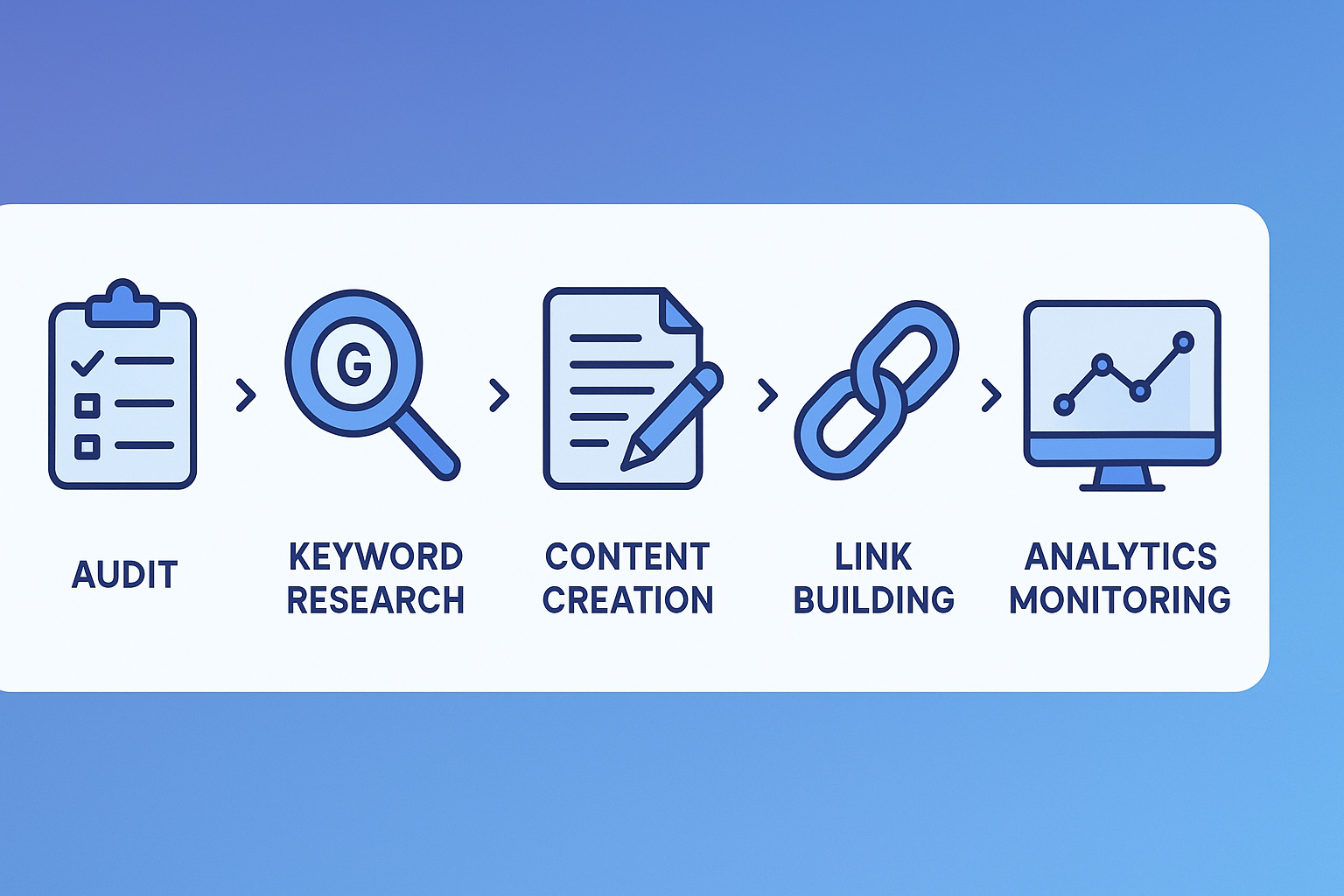
A structured five-step workflow helps teams implement AI-powered SEO consistently and measure results at each stage.
Key Benefits of AI-Powered Search Optimization
The advantages of adopting an AISEO approach go well beyond saving time. Specifically, here are the most impactful benefits practitioners report.
- Faster keyword discovery: AI tools surface long-tail and semantic keyword opportunities that manual research often misses.
- Smarter content briefs: AI analyzes top-ranking pages and generates detailed outlines that cover every relevant subtopic.
- Real-time technical audits: Continuous crawling catches broken links, slow pages, and schema errors before they harm rankings.
- Predictive rank tracking: Machine learning models forecast how algorithm changes may affect your rankings, allowing proactive adjustments.
- Scalable content production: AI drafts enable small teams to produce high volumes of quality content without sacrificing consistency.
Limitations to Keep in Mind
However, AISEO is not a silver bullet. AI tools can produce inaccurate facts, generic phrasing, or content that lacks genuine expertise. Therefore, human review and subject-matter knowledge remain essential. Additionally, over-reliance on AI without a clear editorial strategy can lead to content that ranks briefly but fails to convert or retain readers.
In contrast, teams that treat AI as an accelerator — rather than a replacement for human judgment — consistently see better long-term results. The most effective AISEO strategies combine machine efficiency with human creativity and strategic thinking.
Choosing the Right AI SEO Tools for Your Needs
The market for AI-driven SEO software has grown rapidly. Consequently, choosing the right stack can feel overwhelming. Generally, the best approach is to match tools to your specific workflow gaps rather than buying every platform available.
For example, if your biggest challenge is content production, prioritize an AI writing and optimization tool. If technical SEO is your weak point, invest in an AI crawler and site auditor. Similarly, if link building is your focus, look for tools that use AI to identify and qualify link prospects efficiently.
Pricing varies widely. Most small-to-medium businesses find solid value in mid-tier plans priced between $50 and $150 per month. Enterprise teams with large content operations may need plans costing several hundred dollars monthly. Fortunately, many platforms offer free trials, so you can test before committing. You can also explore guidance at RankAuthority to compare tool recommendations backed by real-world testing.
Evaluating Tool Quality: What to Look For
When evaluating any AI SEO platform, check for transparent data sourcing, integration with Google Search Console and Analytics, and a clear update cadence that keeps pace with algorithm changes. Above all, prioritize tools that explain their recommendations rather than simply generating outputs you cannot verify or understand.
For further reading on how search algorithms evaluate content quality, Google’s Helpful Content guidelines provide authoritative direction that every AISEO practitioner should understand.
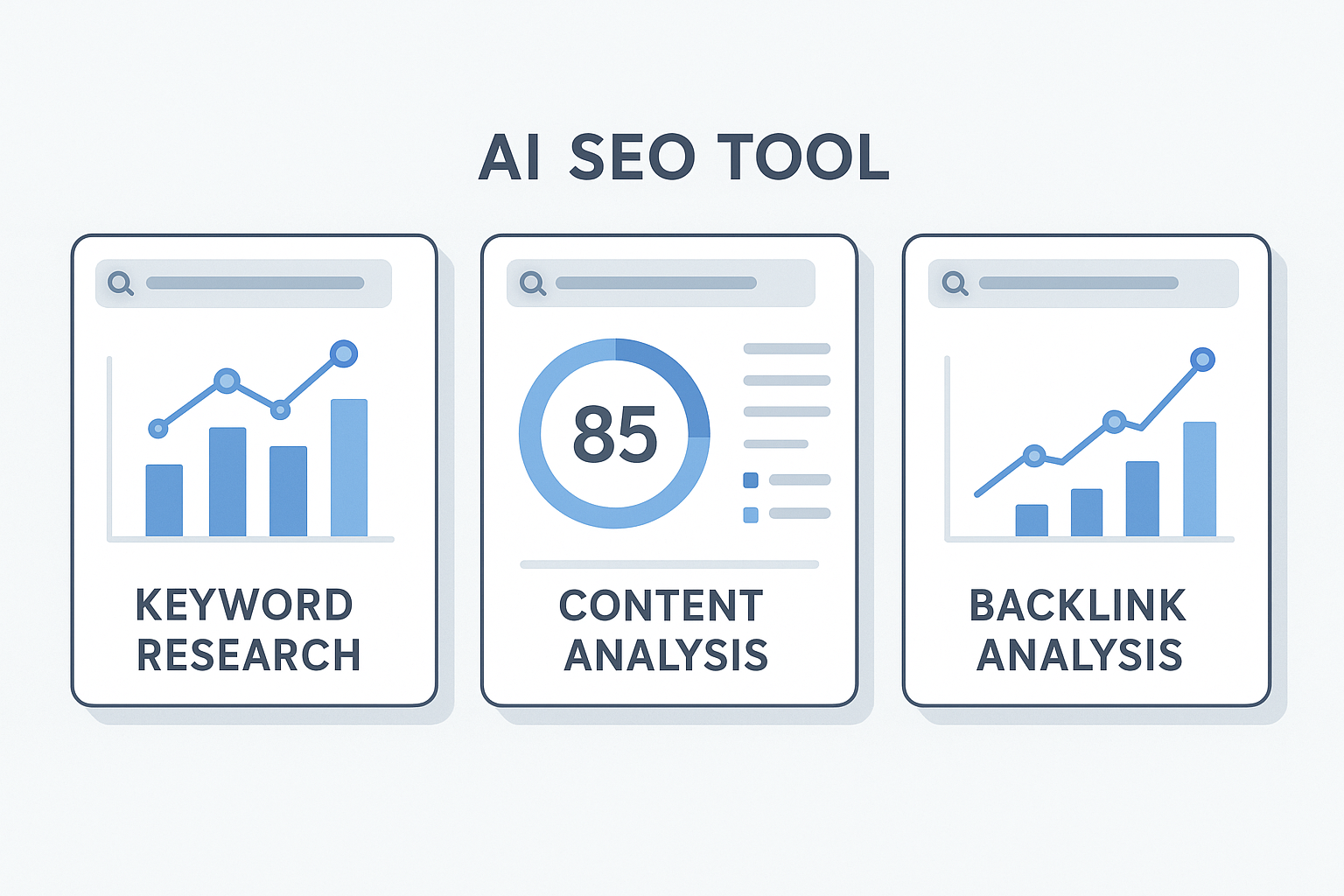
Comparing AI SEO platforms side by side helps teams identify which tool best matches their specific workflow requirements.
Measuring Success: Metrics That Matter in AI-Driven SEO
Tracking the right metrics is essential to proving the value of your AISEO investments. Therefore, establish a clear measurement framework before you launch any campaign.
The most important metrics include organic traffic growth, average keyword ranking position, click-through rate (CTR) from search results, time-on-page, and conversion rate from organic visitors. Additionally, track your share of voice — how visible your brand is across your target keyword set compared to competitors.
Review these metrics weekly at a high level and monthly in depth. As a result, you will spot trends early and adjust your strategy before small declines become significant traffic losses. Also consider checking out our guide on advanced SEO analytics strategies for a deeper dive into performance tracking frameworks.
Quick Answer: What Is AISEO?
AISEO is the use of artificial intelligence — including machine learning and NLP — to automate and enhance search engine optimization. It speeds up keyword research, content creation, and technical auditing while helping websites rank higher in organic search results.
Frequently Asked Questions About AISEO
What is AISEO?
AISEO is the practice of using artificial intelligence tools and machine learning algorithms to automate, enhance, and scale search engine optimization efforts. It combines AI-driven content creation, keyword research, and technical auditing to improve organic rankings faster than traditional methods.
How does AISEO differ from traditional SEO?
Traditional SEO relies heavily on manual research, human-written content, and periodic audits. AISEO, in contrast, uses machine learning to analyze data at scale, predict ranking opportunities, and generate optimized content in a fraction of the time.
Is AISEO safe to use according to Google’s guidelines?
AI-generated content is acceptable under Google’s guidelines as long as it is helpful, accurate, and created primarily for people rather than search engines. Using AISEO responsibly — with human review and editorial oversight — keeps your site compliant.
What are the main benefits of using AISEO tools?
The main benefits include faster keyword research, automated content briefs, real-time technical audits, smarter internal linking, and predictive rank tracking. These advantages save time and help teams focus on strategy rather than repetitive tasks.
How long does it take to see results with AISEO?
Most websites begin to see measurable ranking improvements within 60 to 90 days of implementing an AISEO strategy. Competitive niches may require 4 to 6 months of consistent effort before significant organic traffic gains appear.
Can small businesses use AISEO effectively?
Absolutely. AISEO tools are available at multiple price points, making them accessible to small businesses. Even basic AI keyword and content tools can give smaller sites a competitive edge against larger competitors with bigger marketing budgets.
What types of content does AISEO work best for?
AISEO works especially well for blog posts, product descriptions, FAQ pages, and landing pages where structured, keyword-rich content is important. It is less suited to highly creative or deeply personal narratives that require a strong human voice.
Does AISEO replace human SEO specialists?
No, AISEO does not replace human SEO specialists. Instead, it augments their capabilities by handling data-heavy tasks, freeing specialists to focus on strategy, relationship building, and creative problem-solving that AI cannot replicate.
What are common mistakes when implementing AISEO?
Common mistakes include publishing AI content without human review, over-optimizing for keywords at the expense of readability, ignoring technical SEO fundamentals, and failing to update AI-generated content as search trends evolve.
How much does an AISEO tool typically cost?
AISEO tool pricing ranges widely, from free tiers with limited features to enterprise plans costing several hundred dollars per month. Most small-to-medium businesses find solid value in mid-tier plans priced between $50 and $150 per month.
Which metrics should I track when using AISEO?
Key metrics to track include organic traffic growth, keyword ranking positions, click-through rates, time-on-page, and conversion rates from organic search. Monitoring these regularly helps you measure the true ROI of your AISEO efforts.
How does AI help with link building in an AISEO strategy?
AI tools can identify high-authority link prospects, analyze competitor backlink profiles, and suggest outreach angles based on content gaps. However, the actual relationship-building and outreach still require a human touch for best results.
Conclusion: Why AISEO Is the Future of Search Optimization
AISEO represents a fundamental shift in how websites compete for organic visibility. By combining the analytical power of artificial intelligence with human creativity and strategic judgment, marketers can build SEO programs that are faster, smarter, and more adaptable than ever before. As search engines continue to evolve toward intent-based, AI-driven ranking systems, adopting AISEO practices is no longer a competitive advantage — it is a baseline requirement. Start with a solid audit, build a keyword-focused content strategy, and let AI accelerate every step of the process. The teams that embrace AISEO today will be the ones dominating search results tomorrow.

