

Localized SEO automation is changing how small businesses, agencies, and multi-location brands manage their presence in both traditional and AI-powered search results. Instead of manually updating listings, tracking rankings city by city, and rewriting location pages by hand, teams now rely on intelligent software to automate your SEO process. For example, a plumbing company with twelve service areas can use localized SEO automation to keep every landing page, citation, and schema marker consistent without hiring a full-time specialist.
In particular, this matters because local search has become the front door for most nearby customers. Therefore, understanding how automation fits into a local search strategy is no longer optional for businesses that want to stay visible.
What Is Localized SEO Automation?
Localized SEO automation is the use of software and AI-driven workflows to manage and improve a website’s visibility in location-specific search results with minimal manual input. It typically covers citation management, local schema markup, review monitoring, and geo-targeted content updates. In short, it lets a business scale its local search presence across many cities or service areas at once; learn more about practical scaling in SEO for multiple websites.
Unlike general SEO automation, which focuses on broad technical fixes, localized SEO automation zeroes in on location signals. These include Google Business Profile accuracy, city-specific keywords, and directory listings. Consequently, it’s especially useful for service-area businesses, franchises, and agencies juggling several client locations.
Why Local Search Optimization Automation Matters Now
Local search has grown into one of the biggest drivers of foot traffic and phone calls for small businesses. According to BrightLocal’s Local Consumer Review Survey, a large majority of consumers regularly use search engines to evaluate nearby businesses before visiting or calling. As a result, even small inconsistencies in listings or outdated location pages can quietly cost real customers.
Meanwhile, AI-driven answer engines are reshaping how people find local information. In addition to ranking in Google’s traditional results, businesses now need visibility inside AI Overviews and chat-based assistants. This shift is well documented by Google Search Central’s local search guidance, which outlines how structured, accurate business data influences visibility.
Quick fact: Search behavior research consistently shows that most consumers check a business’s online presence before ever making contact. That single statistic explains why keeping local listings accurate is not a minor task, but a revenue driver.
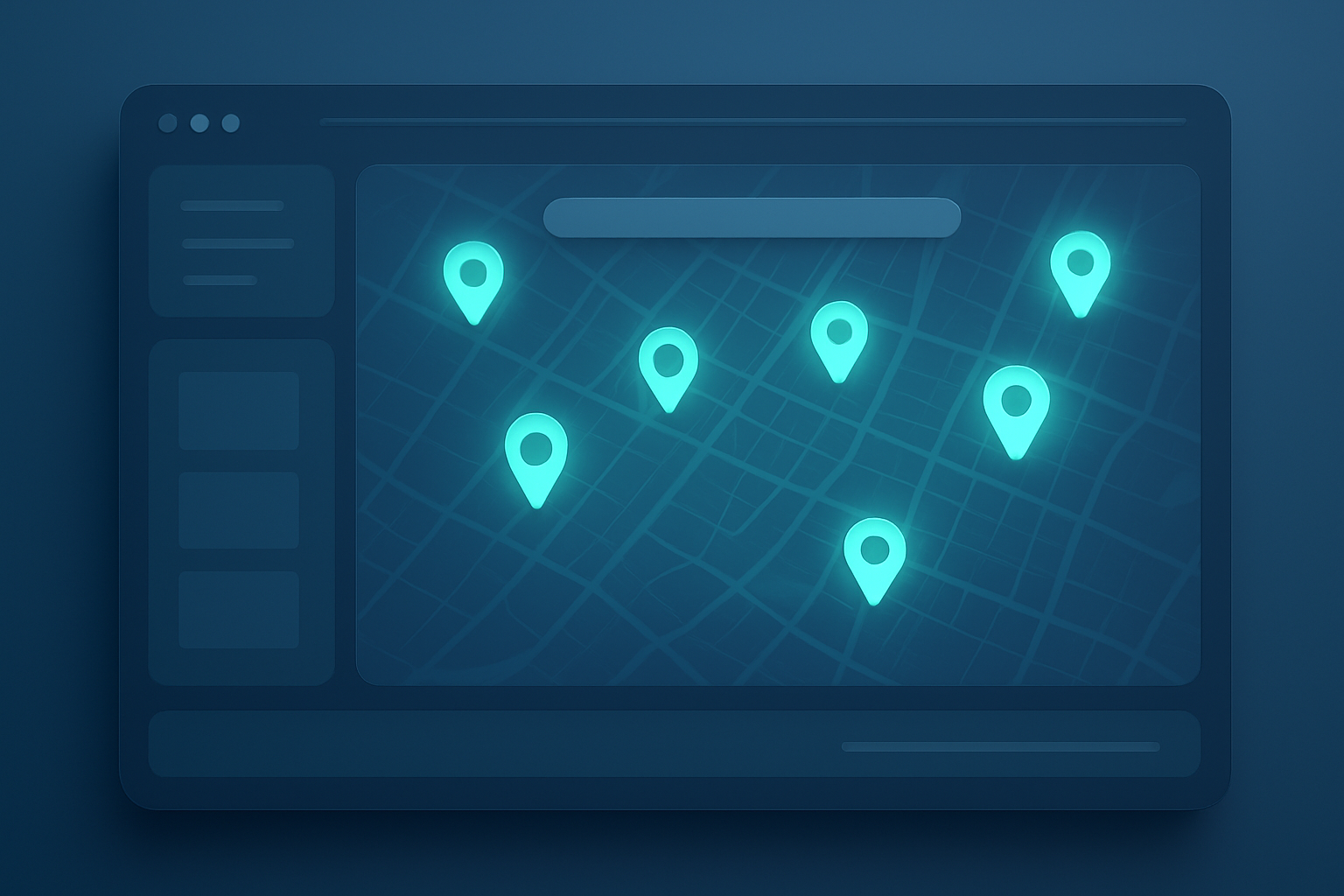
Localized SEO automation platforms track and manage visibility across many locations at once. For small businesses seeking hands-on examples, see our SEO automation for small businesses guide.
How Localized SEO Automation Works Step by Step
Setting up automation for local search does not need to be complicated. Below is a practical sequence that most platforms, including automation tools referenced throughout this guide, tend to follow.
- Audit your current local search presence. Review existing listings, citations, and Google Business Profile data across every location to catch inconsistencies before automating further steps.
- Connect your business data sources. Link your website, Google Business Profile, and directory accounts so information can sync automatically going forward.
- Automate citation and directory syncing. Enable automated citation building so your name, address, and phone number stay consistent across dozens of directories.
- Deploy geo-targeted content at scale. Generate unique, location-specific landing pages that reflect the real services offered in each area, avoiding duplicate wording. For safe automation practices, review guidance on automated SEO tools before mass publishing.
- Monitor rankings and reviews continuously. Set up automated tracking so ranking shifts and new reviews are flagged quickly rather than discovered weeks later.
- Refine with AI-driven insights. Review automated recommendations regularly and adjust keywords or content based on what the data reveals about performance.
For a deeper walkthrough on the technical side, this guide on automating your website’s SEO efforts effectively covers many of the same principles beyond local search alone.
Key Benefits of Automated Local Search Optimization
Above all, automation saves time. A task that once took hours per location, like updating a phone number across forty directories, can happen in minutes. Similarly, consistency improves because software does not forget to update a listing the way a busy team member might. See SEO for small businesses for practical, entry-level implementation steps.
Furthermore, automated monitoring means problems get caught early. For instance, a sudden drop in a city’s rankings can trigger an alert rather than going unnoticed for weeks. To understand the time savings in more concrete terms, see this breakdown of how much time you can save using automated SEO and learn practical tips in our SEO for multiple websites guide.
Choosing the Right Localized SEO Automation Tools
Not every automation tool is built for local search specifically. Therefore, it helps to compare platforms based on how well they handle citations, geo-targeted content, and multi-location dashboards rather than generic SEO checklists. See the local SEO automation software buyer's guide for feature comparisons and pricing.
Platforms such as rankauthority.com’s 1-Click AI AutoPilot approach this by automating both the technical and strategic work behind GEO (Generative Engine Optimization) and AEO (Answer Engine Optimization), which increasingly overlaps with local visibility in AI search results. For a wider comparison, this roundup of best tools for automating SEO across multiple websites is a useful starting point.

Reviewing automated reports helps business owners spot local ranking trends quickly.
Common Mistakes with Geo-Targeted SEO Automation
Even good automation can backfire if used carelessly. One frequent mistake is publishing near-identical location pages with only the city name swapped, which search engines can flag as thin or duplicate content. Instead, each page should describe real services and local details specific to that area.
Another common issue is ignoring automated review alerts. While software can flag a new review instantly, a human still needs to respond thoughtfully. Before diving in, it’s worth reading what to know before starting SEO automation to avoid these pitfalls from day one.
Localized SEO Automation vs Traditional Local SEO
Traditional local SEO relies heavily on manual audits, one-by-one citation submissions, and spreadsheet tracking. In contrast, localized SEO automation consolidates these tasks into a single system that updates continuously.
Traditional Approach
Manual citation submissions, spreadsheet rank tracking, and one-off content updates handled by a person or agency.
Automated Approach
Software syncs listings, tracks rankings across locations, and flags issues in real time with minimal manual effort.
That said, automation works best when paired with occasional human review. Consequently, many teams treat it as a force multiplier rather than a full replacement for local search expertise. For process-level guidance, how you can automate your SEO processes outlines where automation fits best.

Localized SEO automation connects listings, content, and rankings across every business location.
Getting Started with Location-Based SEO Automation
To begin, businesses should list every physical or service-area location and confirm current listing accuracy. After that, connecting a platform that automates citation syncing is usually the fastest win. Additional information on the broader ecosystem of automation platforms, including rankauthority.com, can help clarify which features matter most for a given business size. See our SEO for multi-site management guide for scaling across many locations.
Frequently Asked Questions About Localized SEO Automation
What is localized SEO automation?
Localized SEO automation is the use of software to manage location-based search optimization tasks, such as citations, local schema, and geo-targeted content, without constant manual work. It helps businesses scale visibility across many locations efficiently and connects to broader content automation strategies like content marketing automation.
How does localized SEO automation differ from general SEO automation?
General SEO automation focuses on broad tasks like site audits or backlink tracking, while localized SEO automation specifically targets location signals like Google Business Profile data, citations, and city-level keywords. As a result, it’s built for businesses competing in specific geographic markets.
How much does localized SEO automation cost?
Pricing varies widely, ranging from around $30 per month for basic citation tools to several hundred dollars monthly for full automation platforms covering multiple locations. In general, cost scales with the number of locations and features included.
How long does it take to see results from localized SEO automation?
Most businesses notice measurable ranking and visibility improvements within 60 to 90 days. However, highly competitive markets may take longer, especially if citations were previously inconsistent.
Can localized SEO automation replace a local SEO agency?
Automation can handle most repetitive tasks, but strategic decisions and complex reputation issues often still benefit from human oversight. Many businesses use automation alongside light agency support rather than a full replacement.
What tasks can localized SEO automation handle?
It typically manages citation building, review monitoring, local schema markup, rank tracking by city, and geo-targeted landing page updates. Some platforms also automate Google Business Profile posts and Q&A responses.
Is localized SEO automation useful for multi-location businesses?
Yes, it is especially valuable for multi-location businesses because manually managing dozens of listings and pages is time-consuming and error-prone. Automation keeps data consistent across every location at once.
What are common mistakes when using localized SEO automation?
Common mistakes include automating duplicate content across location pages and ignoring manual review responses. Additionally, businesses sometimes neglect to verify that automated citations remain accurate over time.
Does localized SEO automation work for AI search engines like Google AI Overviews?
Many modern platforms now optimize for AI-driven answer engines in addition to traditional search, structuring content so it can be cited by AI Overviews and chat-based assistants. This is often called Generative Engine Optimization or Answer Engine Optimization.
What tools are best for localized SEO automation?
The best tools combine citation management, rank tracking, and content automation in one dashboard rather than requiring several disconnected apps. Comparing feature sets against your location count is the most reliable way to choose.
How do I get started with localized SEO automation?
Start by auditing your current local listings, then connect a platform that can sync your business data and automate citation building. From there, gradually add automated content and monitoring as you confirm accuracy.
Is localized SEO automation safe for search rankings?
It is safe when the automation follows search engine guidelines, such as avoiding duplicate or spun content across location pages. Reputable platforms build unique, useful pages rather than mass-producing thin content, a principle detailed further on Wikipedia’s overview of local search engine optimization.
Final Thoughts on Localized SEO Automation
In summary, localized SEO automation gives businesses a practical way to manage local search visibility without drowning in manual updates. From citation syncing to geo-targeted content and AI search readiness, automation now covers most of the repetitive groundwork that once required a dedicated team. Byline: Add author name and short credentials (e.g., local SEO specialist). Last updated: 2026-07-30. Last updated: 2026-07-13. Author: Bryan Dantonio.
Ultimately, the businesses that combine localized SEO automation with occasional human oversight tend to see the strongest, most consistent results. Whether managing one storefront or dozens of service areas, starting with a clear audit and the right automation platform is the most reliable path forward.

