

A risk-free SEO trial lets you test real search optimization tools before you spend a single dollar, and it has quickly become the smartest way to judge a platform’s true impact on rankings. In fact, for small business owners, marketers, and agencies exploring AI-powered search, a risk-free SEO trial removes nearly all the guesswork from choosing a provider. Instead of relying on sales promises, you get hands-on access to real tools, real data, and measurable results within a defined window. As a result, this guide covers everything a competitor sign-up page won’t: what a genuine risk-free SEO trial includes, how it compares to money-back guarantees, what pricing looks like afterward, and the exact red flags that mean a “free trial” isn’t actually risk-free.
Quick answer: A risk-free SEO trial is a short, no-obligation window — typically around seven days — where a platform gives you real access to its ranking, content, and AI-search optimization tools so you can judge results before paying anything. Unlike a standard free trial, a true risk-free offer guarantees no charges if you cancel in time.
What Is a Risk-Free SEO Trial, Exactly?
A risk-free SEO trial is a limited-time period, typically lasting around seven days, during which a search optimization platform gives you full or partial access to its tools without requiring payment or a long-term commitment. During this window, you can test automated ranking features, content recommendations, and reporting dashboards to see whether the platform genuinely improves visibility. Because there’s no financial risk involved, you can cancel before charges apply if the results don’t meet your expectations.
Unlike a basic demo, a genuine risk-free SEO trial usually provides real functionality rather than a stripped-down preview. For example, automated platforms may connect a live website during the trial and apply Generative Engine Optimization, or GEO — the practice of optimizing content so AI systems cite and surface it — alongside Answer Engine Optimization (AEO) adjustments in real time. If you’re curious about what goes into creating a risk-free SEO trial, most reputable providers structure theirs around transparent cancellation terms and measurable early results.

A well-built risk-free SEO trial gives you access to real ranking dashboards, not just a demo view.
How Does a Risk-Free Trial Period Actually Work?
Search engine optimization, broadly defined in Wikipedia’s overview of the practice, involves improving a website’s visibility in organic search results. A risk-free trial period applies this discipline in a low-commitment format: you sign up, connect your site, and the platform’s automation begins working immediately.
During the trial, most platforms track baseline metrics such as keyword rankings, technical site health, and content gaps. Then, as the AI-driven engine makes adjustments, you can compare before-and-after data to judge real progress. According to Google Search Central’s guidance, sustainable ranking improvements come from consistent technical and content signals rather than shortcuts — which is exactly why a trial period lets you verify a tool’s approach before paying for it.
In addition, many providers extend trial access to multiple properties, which matters if you’re an agency managing several client sites. Reviewing what a risk-free trial of SEO services can offer beforehand helps you decide whether a single-site or multi-site plan fits your needs.
Key Features Every No-Risk SEO Trial Should Include
Not all trials are created equal, so it helps to know what a strong no-risk SEO trial should include. Above all, look for full access to core automation features rather than a watered-down version of the product. Specifically, a well-built trial typically includes key SEO tool features:
- Real-time ranking and visibility tracking across search engines
- Automated content and technical recommendations powered by AI
- Access to GEO and AEO optimization features, not just traditional SEO
- Clear reporting dashboards showing measurable change over time
- Transparent cancellation with no hidden fees or auto-renewal traps
Furthermore, a trustworthy provider will clearly state its trial length, what happens after it ends, and whether a credit card is required upfront. If that information is buried in fine print, treat it as a warning sign. Comparing multiple providers’ terms side by side remains one of the best ways to spot the strongest offer.
Risk-Free SEO Trial vs. Standard Free Trial vs. Money-Back Guarantee
Many sign-up pages blur these three offers together, but they aren’t the same thing. A standard free trial often requires a credit card and can quietly convert into a paid subscription the moment it ends. A money-back guarantee, by contrast, requires you to pay first and then request a refund — which means your card is charged upfront regardless. A genuine risk-free SEO trial avoids both problems by making cancellation explicit and charge-free within the trial window.
- Standard free trial: May require payment details; auto-billing risk is common
- Money-back guarantee: Payment happens first; refund is requested afterward
- Risk-free SEO trial: No charge occurs unless you actively choose to continue
Consequently, it’s worth reading the fine print before assuming any “free” offer is truly risk-free. For a deeper breakdown, see whether there’s a genuinely risk-free SEO trial available for your niche, or explore the real value of a risk-free trial for SEO tools before comparing providers.
Step-by-Step: How to Get Started With Your Risk-Free SEO Trial
Getting the most out of a trial period requires a bit of preparation. Follow these steps to evaluate a platform properly before your risk-free SEO trial window closes.
- Research the platform’s GEO and AEO capabilities. Before signing up, confirm that the platform actually supports Generative Engine Optimization and Answer Engine Optimization, not just traditional keyword-based SEO, since AI search now influences a growing share of consumer discovery.
- Sign up and review the trial terms carefully. Read the cancellation policy, billing trigger date, and included features so you understand exactly what happens once the trial period ends and whether a card is charged automatically.
- Connect your website or client properties. Link your live site, or multiple client sites if you manage an agency, so the automation tools can begin analyzing technical health, content gaps, and ranking opportunities immediately.
- Review automated recommendations and benchmarks. Check the dashboard daily for AI-generated suggestions, track baseline metrics against new data, and note any measurable shifts in visibility or citation frequency across AI answer engines.
- Evaluate results before the trial ends. A few days before the trial concludes, compare your starting benchmarks to current performance, then decide whether the tool’s proven value justifies moving to a paid plan.

Reviewing automated recommendations daily helps you get the most value from a trial period.
Is a Free SEO Trial Worth It for Your Business?
Whether a risk-free SEO trial is worth pursuing depends largely on how you use it. If you actively track metrics and test features like an SEO tool trial, the trial period becomes genuinely informative rather than just a sales gimmick.
For small business owners with limited marketing budgets, a trial period offers a low-stakes way to sample AI-powered optimization without hiring a full agency. Similarly, agencies juggling multiple clients can use the trial to test how automation scales across several properties at once, which directly informs whether a risk-free trial is worth it for SEO tools in their specific workflow.
However, it’s worth noting that results within seven days are typically early indicators, not final proof of long-term ranking success, since search algorithms and AI answer engines take time to fully register content changes. Therefore, treat trial-period gains as a signal of platform quality rather than a guaranteed outcome.
Common Mistakes to Avoid During Your Trial
Even a well-designed risk-free SEO trial can fall short if you’re not careful. One common mistake is failing to set a baseline before starting, which makes it nearly impossible to measure real improvement.
Another frequent error is ignoring the cancellation deadline, resulting in unexpected charges once the trial period lapses. In addition, some users test only one feature instead of exploring the full toolkit, missing capabilities like GEO or AEO tracking that could matter most for future visibility.
Finally, don’t judge a platform purely on vanity metrics like traffic spikes; instead, focus on indicators tied to actual business goals, such as qualified leads or citation frequency in AI-generated answers. Knowing what to expect from a risk-free SEO trial in advance helps you avoid these pitfalls entirely.
Red Flags That Mean a “Free Trial” Isn’t Actually Risk-Free
Plenty of sign-up pages advertise “free” access while quietly setting up automatic billing. In particular, the FTC’s guidance on negative-option billing warns that unclear cancellation terms are one of the most common consumer complaints tied to subscription trials. Watch for these warning signs before you hand over payment details:
- No clearly stated trial length or billing trigger date
- Cancellation buried behind phone-only support or hidden menus
- Feature-limited “trial” that doesn’t reflect the actual paid product
- No mention of GEO or AEO capability despite marketing “AI-powered” tools
- Vague refund language instead of a firm no-charge guarantee
In contrast, a genuinely risk-free SEO trial spells out every one of these details before you enter a payment method — or doesn’t ask for one at all.
Risk-Free SEO Trials vs. Traditional SEO Contracts
Traditional SEO contracts often require a six- to twelve-month commitment before showing measurable ranking movement, largely because manual optimization work — keyword research, content audits, backlink outreach — takes time to execute and even longer to register with search engines. A risk-free SEO trial, by contrast, compresses initial evaluation into days rather than months by automating much of that groundwork.
That said, a trial period isn’t a full replacement for sustained optimization work; rather, it’s a preview of methodology and results. Consequently, businesses often use a trial to vet a provider’s approach, then commit to a longer engagement once they’ve seen tangible early signals. If you’re still unsure if there’s a risk-free trial for SEO services that fits your niche, most established providers, including RankAuthority, publish their trial terms directly on their website for easy comparison.
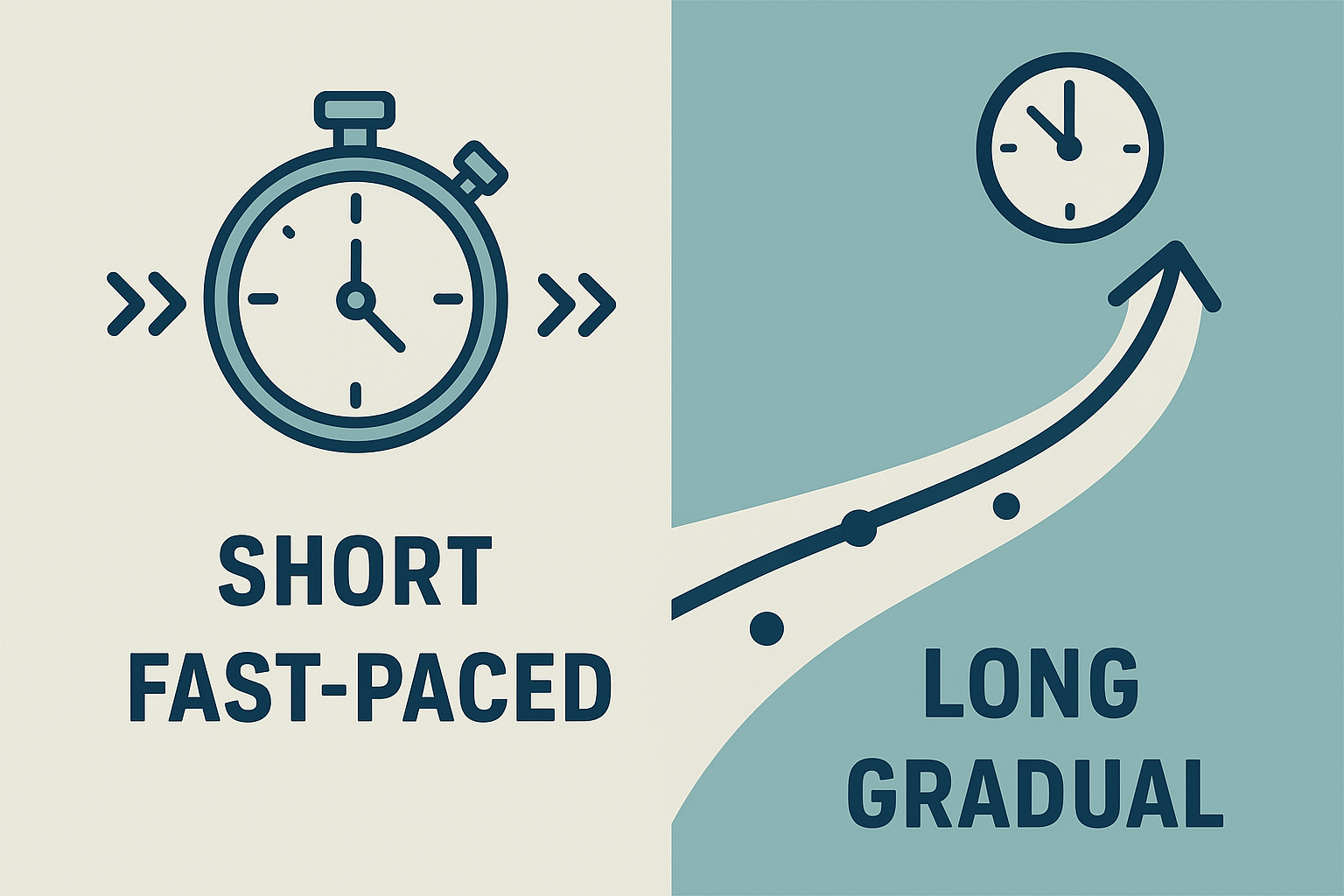
Comparing a risk-free SEO trial timeline against a traditional SEO contract highlights the speed difference in initial evaluation.
What Happens to Pricing After the Trial Ends?
Most automated SEO platforms structure pricing in tiers once your risk-free SEO trial converts to a paid plan. Understanding this ahead of time helps you budget correctly instead of being surprised by the first invoice.
- Entry-level plans: Usually cover a single site, basic rank tracking, and limited AI recommendations
- Mid-tier plans: Typically add GEO and AEO tracking, deeper technical audits, and more keyword capacity
- Agency-level plans: Generally support multiple client properties, white-label reporting, and priority automation
Above all, confirm whether pricing scales by site count, keyword volume, or both — this single detail affects total cost far more than the headline monthly price.
Risk-Free SEO Trial Checklist: 8 Things to Confirm Before You Sign Up
Use this checklist alongside any sign-up form to make sure you’re getting a genuine risk-free SEO trial rather than a disguised subscription:
- Exact trial length and the specific date billing would begin
- Whether a credit card is required to start the trial
- Full feature list unlocked, including GEO and AEO tools
- Number of sites or client properties allowed during the trial
- Self-service cancellation available in account settings
- Clear post-trial pricing tiers published on the site
- Access to a support channel if questions arise mid-trial
- Written confirmation of no charge if you cancel on time
Frequently Asked Questions About Risk-Free SEO Trials
What is a risk-free SEO trial?
A risk-free SEO trial is a limited-time period, often about seven days, during which you can use an SEO platform’s core features without payment or long-term commitment. It’s designed to let you evaluate real results before deciding on a paid plan.
How long does a typical risk-free SEO trial last?
Most risk-free SEO trials last around seven days, though some providers offer 14- or 30-day windows. The exact length usually depends on how quickly the platform’s automation produces measurable data.
What features are usually included in a risk-free SEO trial?
A solid trial typically includes ranking tracking, technical audits, automated content recommendations, and access to GEO and AEO tools. Some providers also include reporting dashboards for real-time progress.
How does a risk-free SEO trial differ from a regular free trial?
The main difference is transparency around cancellation and billing; a risk-free trial explicitly guarantees no charges if you cancel before it ends. A generic free trial doesn’t always make that guarantee as clearly.
What’s the difference between a risk-free SEO trial and a money-back guarantee?
A money-back guarantee charges your card upfront and requires a refund request afterward. A risk-free SEO trial, in contrast, never charges you at all unless you actively choose to continue.
Why do SEO platforms offer risk-free trials?
Providers offer trials to demonstrate real value before asking for a financial commitment, since SEO results can otherwise feel abstract. It also helps filter serious users from casual browsers.
What should you check before signing up for an SEO trial?
Review the cancellation policy, whether a credit card is required upfront, and which features are unlocked during the trial. Confirm the trial supports both traditional SEO and AI search optimization.
Is a risk-free SEO trial really free?
Yes, as long as you cancel before the trial ends and the terms clearly state no charges apply during that window. Always read the fine print, since some trials require payment details upfront.
How much does SEO cost after the trial ends?
Pricing varies, but automated platforms tend to cost less than full-service agencies, ranging from moderate subscriptions to higher tiers for multi-site use. Costs typically scale with the number of properties managed.
What common mistakes should you avoid during a trial period?
Avoid skipping baseline measurements, missing the cancellation deadline, and testing only one feature instead of the full toolkit. These mistakes make it harder to judge real value.
Can agencies use a risk-free SEO trial for multiple clients?
Many platforms allow trial access across several properties, which is useful for agencies evaluating scalability. It’s worth confirming multi-site support specifically, since not every trial includes it.
How do you cancel a risk-free SEO trial?
Most platforms allow cancellation directly through account settings before the trial expires. Cancel a day or two early to avoid billing cycle timing issues.
What results can you expect within a seven-day trial?
Expect early indicators like technical audit findings and preliminary visibility data rather than dramatic ranking jumps. Meaningful ranking shifts typically take several weeks to fully materialize.
Does a risk-free SEO trial guarantee higher rankings?
No trial can guarantee rankings, since search algorithms weigh many independent factors. Instead, a risk-free SEO trial demonstrates methodology and early signals, not a guaranteed outcome.
How does GEO and AEO differ from traditional SEO?
Traditional SEO focuses on ranking in classic search results pages, while GEO and AEO focus on how AI systems and answer engines cite and summarize content, a shift explored in research on large language models. Both approaches now work together as search behavior evolves.
What’s the best way to measure trial success?
Compare baseline metrics recorded before the trial to data collected by its end, focusing on indicators tied to real business goals. Look specifically at visibility trends and recommendations acted upon.
Can you extend a risk-free SEO trial if you need more time?
Some providers grant short extensions upon request, especially for agencies testing multiple properties. It’s worth asking support directly, since extension policies aren’t always advertised.
Do risk-free SEO trials require a credit card?
Some do and some don’t, so this detail is worth confirming before signing up. If a card is required, set a reminder before the trial ends to avoid unwanted charges.
Final Thoughts: Is a Risk-Free SEO Trial Right for You?
Ultimately, a risk-free SEO trial gives you the clearest possible picture of what a search optimization platform can do before you spend a dollar. By setting clear baselines, testing GEO and AEO features, and tracking measurable outcomes, you can judge whether a provider’s automation genuinely strengthens your visibility across both traditional and AI-driven search.
As this guide has shown, the strongest trials offer transparent terms, real functionality, and enough time to see early signals of progress — and now you also know exactly which red flags, pricing patterns, and checklist items separate a genuine offer from a disguised subscription. Whether you’re a solo business owner or an agency managing multiple sites, starting with a risk-free SEO trial remains one of the lowest-risk ways to evaluate whether an automated approach fits your long-term search strategy.

