

AI-based search tools are fundamentally changing how websites earn visibility online, moving far beyond the outdated keyword-stuffing tactics that dominated SEO a decade ago. Put simply, AI-based search tools are software platforms that use artificial intelligence, machine learning, and natural language processing (a branch of AI that helps computers understand human language) to help websites rank higher across search engines, AI chatbots, and answer engines like ChatGPT and Perplexity. Unlike older SEO software, AI-based search tools continuously analyze content, technical structure, and language patterns to predict how systems such as Google’s AI Overviews will surface information. As a result, understanding how these tools work has become essential for any serious search strategy heading into 2025 and beyond.
Quick Answer: AI-based search tools automate content optimization, technical audits, and answer-engine visibility using AI models. The strongest platforms pair automation with human oversight, helping brands rank in traditional search, AI Overviews, and chat-based assistants such as ChatGPT or Perplexity. Author: RankAuthority editorial team. Last updated: 2026-07-30. Below, we break down exactly how they work, what to look for, how much they cost, and how to pick the right one for your business.
What Are AI-Based Search Tools?
At their core, AI-based search tools are digital platforms that apply machine learning and natural language processing to analyze, optimize, and predict how content performs across search engines and AI-driven answer engines. Instead of relying purely on manual keyword research, these tools automatically identify content gaps, adjust technical signals, and forecast how large language models might reference a page.
In practical terms, an AI-based search tool acts like a tireless digital strategist. For example, RankAuthority applies automated Generative Engine Optimization (GEO), the practice of shaping content so generative AI systems are more likely to cite it, and Answer Engine Optimization (AEO), a process described in more detail on rankauthority.com. Similarly, the concept of natural language processing, which powers many of these tools, is explained further on Wikipedia’s overview of NLP.

AI-based search tools continuously scan content and technical signals to forecast search visibility. See the Search Ecosystem Automation guide.
How AI-Based Search Tools Are Reshaping Search Visibility
Search itself has changed shape. Google’s AI Overviews, along with assistants like ChatGPT and Perplexity, now answer many queries directly, often without a traditional click-through. Consequently, AI search tools have evolved to optimize not just for ranking position, but for being cited or summarized inside these AI-generated answers.
For instance, Google’s own documentation on AI features in Search confirms that generative summaries are appearing across a growing share of queries, which directly affects how publishers should structure content (see Google Search Central’s AI features guidance). In short, visibility today depends on being both readable to humans and legible to machine summarizers.
The Rise of Answer Engines and Generative Search
Answer engines, unlike classic search engines, aim to resolve a question in one response rather than presenting ten blue links. As a result, content that is clearly structured, factually specific, and easy to extract tends to perform better. This is precisely the gap that modern AI-based search tools are built to close, and you can read a deeper strategy breakdown in this 2025 AI-powered search strategy guide.
The New SERP Reality: Zero-Click Results and AI Overviews
Furthermore, zero-click searches, meaning searches where the user gets an answer without leaving the results page, are steadily rising. Therefore, brands that measure success only by click-through rate are missing a large slice of the picture. Instead, forward-thinking teams now track brand mentions, citations, and summary appearances alongside traditional rankings. This is exactly where AI tools for search marketing that actually work in 2025 earn their keep, since they surface this data automatically instead of requiring manual monitoring across a dozen chatbots.
Key Features to Look for in AI Search Optimization Software
Not every platform labeled “AI-powered” delivers the same value. Therefore, it helps to know which features actually move the needle before choosing a tool. A full breakdown of which features actually improve AI search optimization tools is worth reviewing before you commit to any single vendor.
- Automated technical audits that flag crawlability, speed, and structured data issues before they hurt rankings.
- GEO and AEO support for optimizing content toward AI Overviews and chat-based answers, not just classic organic results.
- Continuous monitoring that adjusts recommendations automatically as search algorithms and AI models shift.
- Clear reporting dashboards that translate raw data into plain-language next steps anyone on the team can act on.
- Multi-site management for agencies overseeing several client properties from one login.
- Citation and mention tracking across AI assistants, so you can see where and how often your brand is actually referenced.
To see a broader comparison of platform categories, this guide to digital optimization tools for AI-powered search is a useful next read.

Reviewing dashboard data is still valuable even when AI-based search tools automate the heavy lifting.
Categories of AI-Based Search Tools: A Practical Comparison
Rather than treating every platform as interchangeable, it helps to understand the four broad categories these tools fall into. In particular, knowing which category matches your goals prevents you from paying for capabilities you will never use.
| Category | Primary Focus | Best For | Example Capability |
|---|---|---|---|
| All-in-one GEO/AEO platforms | Technical SEO, content, and answer-engine visibility in one dashboard | Teams that want a single system of record | Predicting AI Overview citation likelihood |
| Technical audit tools | Crawlability, site speed, structured data | Teams with a content plan already in place | Automated schema markup validation |
| Content optimization tools | NLP-driven content scoring and topic gap analysis | Content teams scaling output | Semantic keyword clustering |
| Answer engine monitoring tools | Tracks brand mentions inside AI chat responses | Brands prioritizing AEO and GEO | Citation tracking across ChatGPT and Perplexity |
In addition, teams focused on long-term visibility rather than a single ranking spike should review this guide to search authority building tools that help you rank faster, since authority signals increasingly influence whether AI systems trust a source enough to cite it.
How to Choose AI-Based Search Tools for Your Business
Choosing among AI-based search tools can feel overwhelming given how many platforms now claim AI capabilities. However, breaking the decision into clear steps makes the process manageable.
- Define your search visibility goals. Decide whether your priority is classic organic rankings, AI Overview visibility, or both, since this shapes which tool fits best for your specific situation.
- Audit your current content and technical SEO. Review existing pages for technical issues and content gaps before layering on automation, so you know exactly what the tool needs to fix first.
- Compare GEO and AEO capabilities. Confirm the platform optimizes for generative and answer engines, not only traditional keyword tracking, since this is where most legacy tools fall short.
- Test with a trial period. A short, low-risk trial reveals real performance on your specific website before any long-term commitment, which protects your budget from underperforming platforms.
- Monitor results and refine strategy. Track rankings, AI Overview mentions, and traffic weekly, then adjust based on the data so your strategy keeps pace with algorithm changes.
If you want a walkthrough of expected outcomes at each stage, this resource on what results to expect from AI search tools sets realistic timelines.
What Do AI-Based Search Tools Cost?
Pricing varies widely, and understanding the range helps you budget realistically. Specifically, most platforms fall into one of three tiers:
- Free or freemium tools that offer limited scans or basic keyword tracking, ideal for testing the waters before investing further.
- Mid-tier subscriptions, typically ranging from $50 to $300 per month, that add GEO and AEO features plus reporting dashboards.
- Enterprise platforms, often several hundred dollars per month or custom-priced, built for agencies managing multiple client sites at once.
Meanwhile, if budget is the main constraint, it is worth exploring free AI search engine tools and how they work before upgrading to a paid plan. In most cases, free tiers are enough to validate whether AI-driven optimization suits your workflow before you commit financially.
Benefits of AI-Powered Search Optimization Platforms
The biggest advantage of AI-powered search optimization platforms is time savings. Tasks that once took a specialist days, such as technical audits or content gap analysis, can now run automatically in the background. In addition, these platforms often catch patterns humans miss, since machine learning models can process far larger data sets.
Furthermore, smaller businesses gain access to strategies once reserved for enterprise budgets. A practical example of this shift is outlined in this piece on improving search performance using AI, which shows how automation narrows the gap between small teams and large agencies.
Common Mistakes to Avoid With AI Search Tools
Even with strong automation, mistakes happen. Above all, avoid letting a tool publish content without any human review, since brand voice and factual accuracy still matter. Similarly, ignoring core technical SEO fundamentals while chasing AI features often backfires, because search engines still crawl and index sites the traditional way first. Additionally, teams sometimes forget to reset benchmarks after a major algorithm update, which skews performance reporting for weeks.
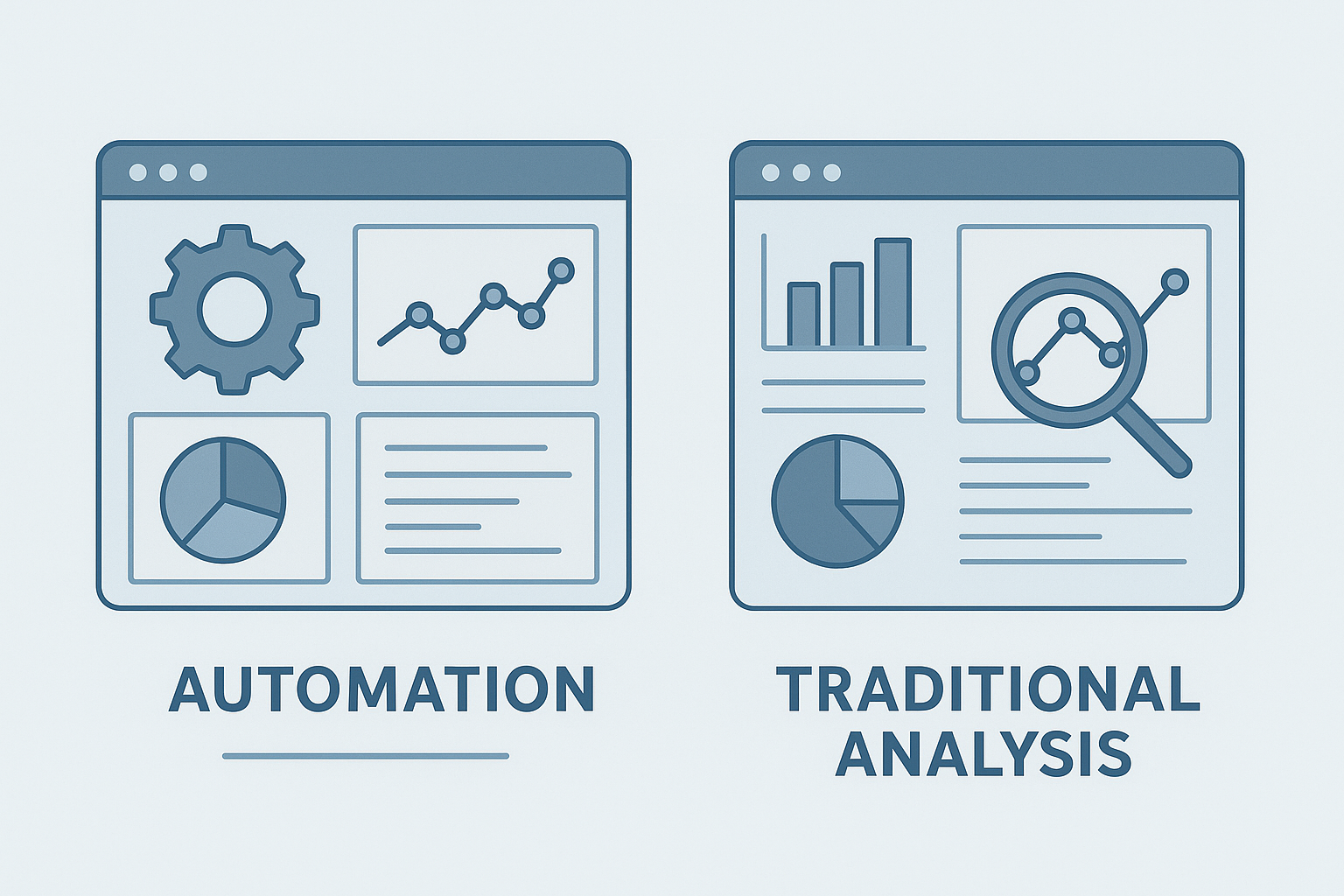
AI-based search tools automate work that traditional SEO software typically leaves to manual review.
AI-Based Search Tools vs. Traditional SEO Software
Traditional SEO software generally focuses on keyword tracking, backlink counts, and basic on-page checklists. In contrast, AI-based search tools extend that scope to include generative engines, answer boxes, and conversational assistants. As a result, businesses relying only on legacy software risk missing an entire layer of modern search traffic, one that grows every quarter as more users turn to AI chat interfaces for answers.
According to guidance from the National Institute of Standards and Technology (NIST), AI systems are increasingly embedded in everyday digital infrastructure, which includes the search tools businesses depend on daily. Consequently, staying current with AI-native optimization is becoming less optional and more foundational. For a direct answer on whether these tools genuinely move rankings, see can AI help improve website search rankings.
Frequently Asked Questions About AI-Based Search Tools
What are AI-based search tools?
AI-based search tools are software platforms that use artificial intelligence, machine learning, and natural language processing to optimize content for search engines and AI answer engines. They automate tasks like keyword analysis, technical audits, and content structuring.
How do AI-based search tools work?
They scan website content, technical structure, and competitor data, then use AI models to predict how search engines and generative AI systems will interpret and rank that content. Most tools then generate automated recommendations or apply direct changes.
Why are AI-based search tools important in 2025?
They matter because search has expanded beyond traditional results to include AI Overviews, chatbots, and voice assistants. Without optimizing for these channels, businesses risk losing visibility even if traditional SEO scores look strong.
How much do AI-based search tools cost?
Pricing ranges from free basic tools to enterprise platforms costing several hundred dollars per month. Many providers, including RankAuthority, offer a risk-free trial period so businesses can evaluate results before committing.
How long does it take to see results from AI-based search tools?
Most businesses notice measurable improvement within four to eight weeks. However, full authority-building results across AI Overviews and traditional search usually take three to six months.
What is the difference between AI-based search tools and traditional SEO software?
Traditional SEO software mainly tracks keywords and backlinks for classic search engines. AI-based search tools go further by optimizing for generative and answer engines, often automating the technical work involved.
Can AI-based search tools replace human SEO strategists?
They can automate much of the repetitive technical work, but human oversight still adds value for brand voice and judgment calls. The most effective approach combines automation with periodic human review.
What common mistakes should I avoid when using AI-based search tools?
A frequent mistake is publishing automated output without reviewing it for accuracy or tone. Another is chasing AI features while ignoring core technical SEO fundamentals.
What features should I look for in AI-based search tools?
Look for automated technical audits, GEO and AEO support, and clear reporting dashboards. It also helps if the platform updates recommendations continuously as algorithms change.
Are AI-based search tools suitable for small businesses?
Yes, many are designed to remove the steep learning curve of traditional SEO, making them accessible without a dedicated marketing team. Platforms often scale from a single website to multiple client properties.
Do AI-based search tools help with Google’s AI Overviews?
Many AI-based search tools specifically optimize content structure and clarity to increase the chances of being referenced in AI Overviews. This process is often called Generative Engine Optimization, or GEO.
How do I get started with AI-based search tools?
Start by auditing current site performance, then choose a platform matching your automation and reporting needs. A short trial period is a practical way to test an AI SEO strategy and evaluate realistic outcomes before committing longer term.
Do AI-based search tools work for agencies managing multiple clients?
Yes, many are built to handle multiple websites at once, which makes them practical for digital marketing agencies. Centralized dashboards let agencies monitor performance across several client properties simultaneously.
Do AI-based search tools raise any data privacy concerns?
Some platforms process customer or site data through third-party AI models, so it is worth checking a vendor’s data retention policy. Reputable providers disclose exactly how content and analytics data are stored and used.
Can AI-based search tools support local SEO campaigns?
Yes, many platforms include location-based tracking and Google Business Profile signals alongside their broader GEO and AEO features. This helps local businesses appear in both map results and AI-generated local recommendations.
Final Thoughts on AI-Based Search Tools
In summary, AI-based search tools have shifted from a nice-to-have to a practical necessity as search itself becomes more conversational and AI-driven. They automate technical audits, content optimization, and visibility tracking across both traditional search and emerging answer engines. Above all, businesses that adapt early, whether through a platform like RankAuthority or another best SEO tools, tend to secure a durable edge as generative search continues to expand. Ultimately, the goal is not choosing the flashiest tool but the one that matches your goals, budget, and the pace at which your team can act on its recommendations.

