

AEO, or Answer Engine Optimization, is the practice of structuring web content so that AI-powered platforms — like Google AI Overviews, ChatGPT, and Perplexity AI — can extract and present it as a direct answer to user questions. As AI search reshapes how people find information, AEO has become one of the most critical strategies for digital visibility in 2025.
According to a 2024 SparkToro study, roughly 58.5% of Google searches in the US now end without a click — meaning the answer appears directly on the results page. Therefore, if your content isn’t optimized for answer engines, you’re invisible to more than half of all searchers.
What Is AEO and Why Does It Matter?
AEO is the evolution of SEO for the age of generative AI. Specifically, it focuses on making content machine-readable, question-answering, and citation-worthy. Traditional SEO helps pages rank in a list. AEO, in contrast, helps content get quoted, cited, or read aloud by an AI engine — often without any click at all.
Furthermore, the rise of platforms like Perplexity AI and ChatGPT Search means users now expect a single, authoritative answer — not ten blue links. Consequently, brands that invest in AEO earn visibility and trust even when users never visit their website.
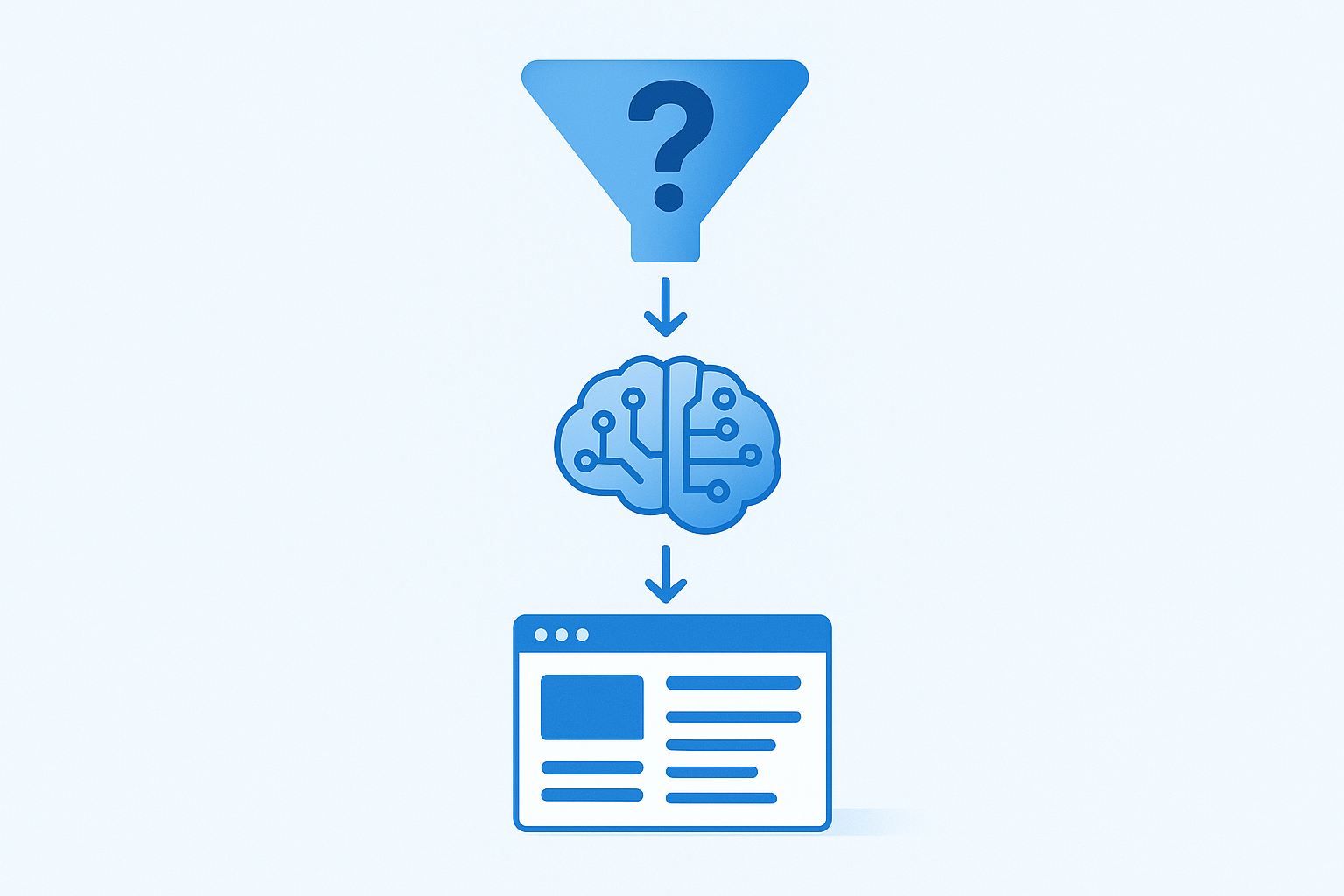
AEO bridges the gap between a user’s question and the AI engine’s structured answer.
How AEO Differs from Traditional SEO and GEO
It helps to understand the three overlapping disciplines shaping modern search strategy:
- SEO (Search Engine Optimization) — ranks pages in traditional search results using links, keywords, and technical signals.
- GEO (Generative Engine Optimization) — optimizes content to be cited or referenced inside AI-generated summaries and overviews.
- AEO (Answer Engine Optimization) — specifically targets direct-answer surfaces, including voice search, featured snippets, and AI chatbot responses.
In practice, AEO and GEO overlap significantly. However, AEO places extra emphasis on question-and-answer formatting, schema markup, and concise, extractable responses. For a deeper look at how these strategies interconnect, Rank Authority provides a comprehensive breakdown of modern AI search optimization frameworks.
How to Optimize Your Content for AEO
Implementing AEO doesn’t require rebuilding your entire website. Instead, follow this structured process to make existing and new content answer-engine ready:
- Identify question-based queries. Research the exact questions your audience types into Google, ChatGPT, or voice assistants. Tools like Google’s “People Also Ask” and AnswerThePublic are excellent starting points.
- Write a direct answer at the top of each section. Place a 1 to 3 sentence response immediately below every question-based heading. This format makes it easy for AI engines to extract your answer cleanly.
- Add structured schema markup. Implement FAQPage, HowTo, and Article schema using JSON-LD. Schema gives AI models machine-readable signals about your content’s intent and structure.
- Use clear headings and short paragraphs. Break content into short, scannable sections with descriptive H2 and H3 headings. Keep paragraphs to 2 to 4 sentences maximum.
- Build E-E-A-T signals. Cite authoritative sources, demonstrate expertise, and include verifiable data points. AI engines prioritize trustworthy, well-sourced content when selecting answers.
The Role of Schema Markup in Answer Engine Optimization
Schema markup is structured data — a standardized vocabulary defined by Schema.org — that you add to your HTML to help machines understand your content. For AEO, the most powerful schema types are FAQPage, HowTo, and Article.
For example, an FAQPage schema tells Google and AI engines exactly which questions your page answers and what those answers say. As a result, your content becomes far more likely to appear in AI Overviews, voice search results, and chatbot citations.
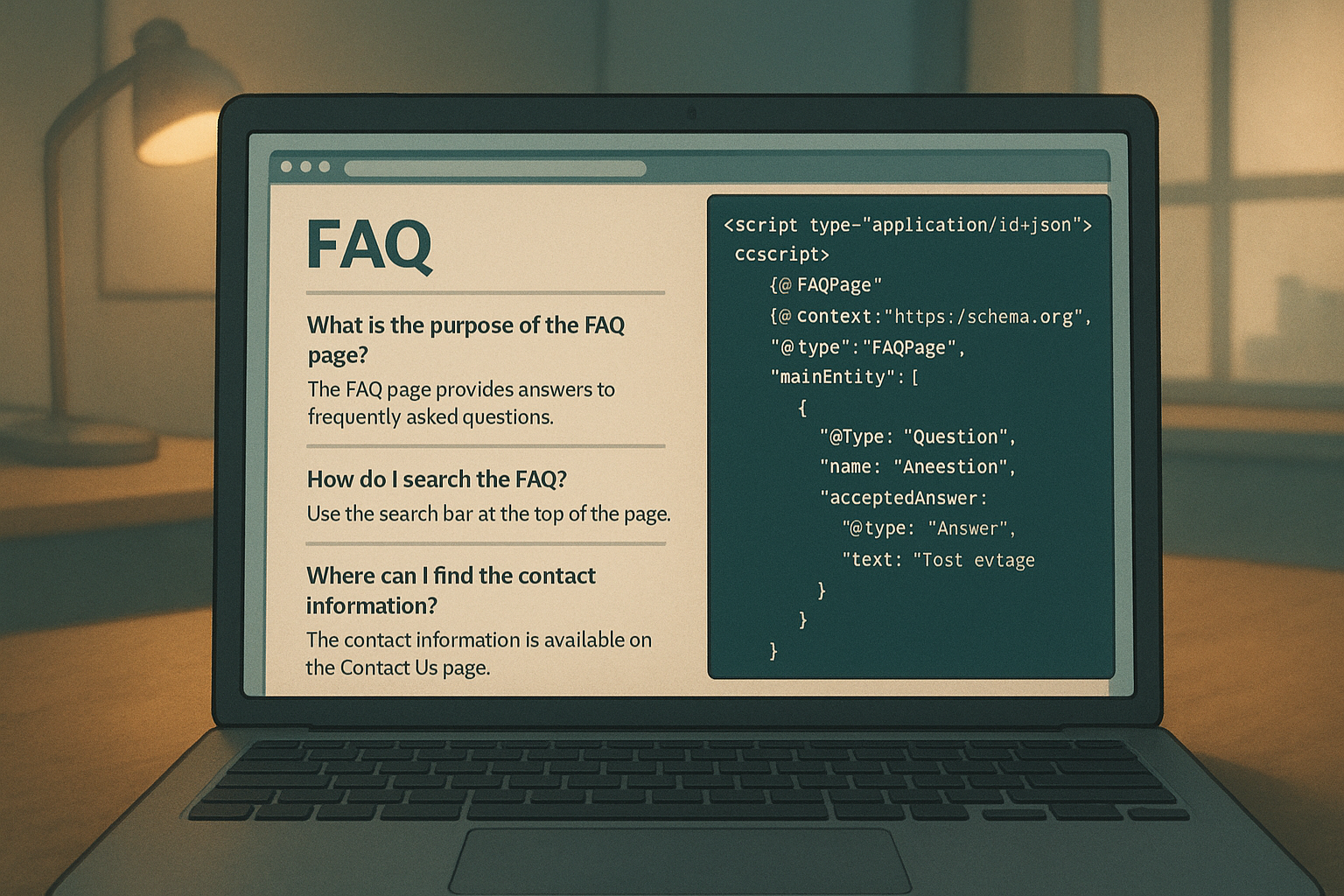
Structured schema markup is one of the most direct signals you can send to AI-powered answer engines.
Key Ranking Signals for AI Answer Engines
Understanding what AI engines look for helps you prioritize your AEO efforts. Specifically, the following signals consistently influence whether content gets surfaced as an answer:
- Conciseness: Direct answers of 40 to 60 words outperform long-winded explanations in featured snippets and AI overviews.
- Topical authority: Pages that cover a subject comprehensively — not just superficially — earn higher citation rates from AI models.
- Source credibility: Outbound links to authoritative sources and inbound links from trusted domains signal reliability to AI engines.
- Freshness: Regularly updated content is more likely to be selected by AI engines that prioritize current, accurate information.
- Readability: Content written at a clear, accessible level (Flesch Reading Ease 60+) is easier for AI to parse and extract.
Voice Search and AEO: A Natural Partnership
Voice search is one of the oldest forms of answer-engine interaction. When someone asks Siri or Alexa a question, the assistant reads a single answer aloud — not a list of links. Therefore, AEO principles apply directly to voice search optimization.
Similarly, conversational AI tools like ChatGPT respond in the same way: one clear answer, drawn from trusted sources. Consequently, content written in natural, question-answering language performs better across both voice and generative AI platforms.
AEO Best Practices: A Quick Reference
In addition to the step-by-step process above, these best practices will strengthen your overall answer engine strategy:
- Use question-based H2 and H3 headings throughout your content.
- Define every key term on first use with a plain-language explanation.
- Include a dedicated FAQ section with 10 or more unique questions.
- Link to authoritative external sources like Wikipedia, .gov sites, or recognized industry publications.
- Refresh content regularly to maintain accuracy and freshness signals.
- Use internal links to connect related content and build topical depth. For example, explore our guide on SEO content strategy fundamentals to complement your AEO efforts.
Furthermore, resources like Rank Authority offer up-to-date guidance on how AEO intersects with broader search authority strategies — a valuable reference as AI search continues to evolve rapidly.
Frequently Asked Questions About AEO
What is AEO (Answer Engine Optimization)?
AEO is the practice of structuring web content so that AI-powered answer engines — like Google AI Overviews, ChatGPT, and Perplexity AI — can extract and surface it as a direct response to user queries. It is a critical evolution of traditional SEO for the generative AI era.
How is AEO different from traditional SEO?
Traditional SEO focuses on ranking pages in a list of search results. AEO, in contrast, focuses on making content answer-ready so AI engines can cite or quote it directly, often without the user clicking through to your website.
Why is AEO important in 2025?
AI-generated answers now appear at the top of Google, Bing, and standalone AI tools used by hundreds of millions daily. Optimizing for AEO ensures your brand remains visible even as zero-click searches continue to rise.
Which platforms does AEO target?
AEO targets any platform that generates AI-powered answers, including Google AI Overviews, Microsoft Copilot, ChatGPT, Perplexity AI, Claude, and voice assistants like Siri and Alexa.
What types of content work best for AEO?
Content that answers specific questions directly, uses structured headings, includes FAQ sections, numbered lists, and concise definitions performs best. Schema markup further increases eligibility for AI citation.
Does AEO replace SEO?
No. AEO extends and complements traditional SEO by adding optimization aimed at AI and voice-based answer surfaces. Both strategies work together for maximum visibility across all search channels.
How does schema markup help with AEO?
Schema markup provides machine-readable context about your content, helping AI engines understand entities, relationships, and answers. FAQPage, HowTo, and Article schema are especially effective for AEO success.
What is a zero-click search and how does it relate to AEO?
A zero-click search is one where the user gets their answer directly on the results page without clicking any link. AEO helps your content become the source of those answers, building brand authority even without a click-through.
How long does it take to see results from AEO?
AEO results can appear faster than traditional SEO because AI engines re-crawl and update frequently. However, consistent structured content and authority signals typically take 4 to 12 weeks to show measurable impact.
What are common mistakes to avoid in AEO?
Common mistakes include writing vague answers, omitting FAQ sections, neglecting schema markup, using overly complex language, and failing to cite credible sources. Thin or duplicate content is also penalized by AI engines.
Is AEO suitable for small businesses?
Yes, absolutely. Because AEO rewards clear, authoritative answers rather than domain authority alone, smaller sites can compete effectively by producing well-structured, expert content on niche topics.
What role does E-E-A-T play in AEO?
E-E-A-T — Experience, Expertise, Authoritativeness, Trustworthiness — is a core signal for both Google’s ranking systems and AI answer selection. Content demonstrating real expertise and citing credible sources is far more likely to be surfaced by answer engines.
Conclusion: AEO Is the Future of Search Visibility
AEO — Answer Engine Optimization — is no longer optional for brands that want to stay visible in an AI-first search landscape. As generative AI tools handle more queries than ever before, the content that wins is clear, structured, trustworthy, and designed to be extracted as a direct answer. By combining question-based headings, schema markup, concise responses, and strong E-E-A-T signals, you give your content the best possible chance of being cited by the AI engines your audience already relies on. Start applying these AEO principles today, and position your brand at the center of the answer economy.

