

AI marketing solutions are transforming the way businesses plan, execute, and measure their campaigns — delivering smarter automation and deeper personalization at scale. In 2025, these tools have moved from experimental to essential, giving marketers a genuine competitive edge when used strategically.
However, not every platform delivers equal value, and choosing the wrong tool can waste both budget and time. Therefore, understanding what these solutions actually do — and how to implement them correctly — is critical before committing to any platform.
What Are AI Marketing Solutions?
AI marketing solutions is a broad term referring to software platforms and tools that use artificial intelligence, machine learning, and predictive analytics to automate and optimize marketing activities. In essence, they replace guesswork with data-driven decisions, allowing teams to act faster and more precisely than ever before.
These platforms typically cover several core capabilities: audience segmentation, content generation, campaign automation, predictive lead scoring, and real-time performance analytics. As a result, a single AI-powered platform can replace multiple disconnected point solutions that previously required separate subscriptions and manual coordination.
The direct answer: AI marketing solutions use machine learning models trained on customer data to automatically personalize experiences, predict outcomes, and optimize spend — all without requiring constant manual input from marketing teams.
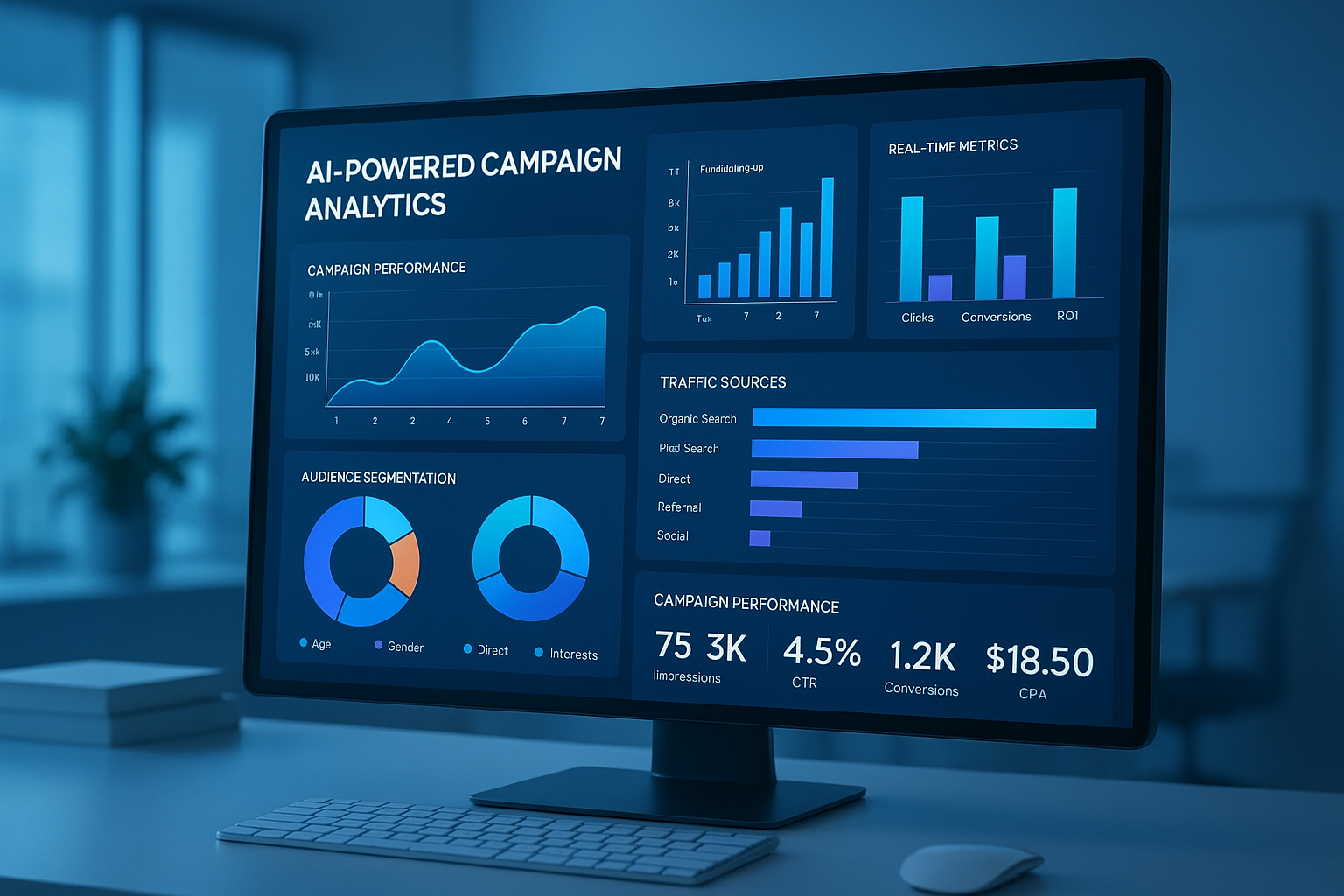
AI marketing solutions consolidate campaign data, audience insights, and performance metrics into a single intelligent dashboard.
Core Capabilities That Drive Real Results
Modern AI marketing platforms deliver value across several interconnected areas. First, predictive audience targeting uses behavioral signals to identify which prospects are most likely to convert, allowing marketers to concentrate spend where it matters most.
Second, AI-generated content tools can produce first drafts of emails, ad copy, landing pages, and social posts at speed. Although human review remains essential for brand accuracy, AI dramatically reduces the time from brief to published asset.
Third, real-time personalization engines dynamically adjust the content a visitor sees based on their browsing history, location, and engagement patterns. For example, an e-commerce visitor who previously viewed running shoes will see different homepage content than a first-time visitor arriving from a paid ad.
Automation and Campaign Orchestration
Beyond content, AI tools excel at orchestrating multi-channel campaigns without manual intervention. They can automatically adjust bidding strategies in paid media, reschedule email sends based on predicted open-time windows, and route leads to the appropriate sales rep based on score thresholds.
Meanwhile, platforms like HubSpot and Salesforce Einstein embed AI directly into CRM workflows, meaning sales and marketing teams share a unified, continuously updated view of each contact’s journey. This alignment significantly reduces lead leakage and shortens sales cycles.
How to Implement AI Marketing Solutions Step by Step
Successfully adopting AI marketing tools requires a structured approach. Following these five steps will help you avoid common pitfalls and accelerate time to value.
1Audit your existing marketing data. Before selecting any platform, review the quality and completeness of your CRM records, campaign analytics, and customer data. AI tools are only as good as the data they learn from, so cleaning your data first is non-negotiable.
2Define clear, measurable marketing goals. For example, aim to increase email open rates by 20% or reduce cost-per-click by 15%. Specific goals guide your platform selection and give you benchmarks for measuring success.
3Select the right AI marketing platform. Evaluate tools based on your goals, budget, and technical capabilities. Additionally, prioritize platforms that integrate natively with your existing CRM, analytics stack, and ad channels.
4Integrate and configure the platform. Connect the AI tool to your data sources, define audience segments, and set up personalization rules and automation workflows. Involve both marketing and IT teams during this phase to avoid integration bottlenecks.
5Monitor, test, and optimize continuously. Review AI-generated insights weekly, run A/B tests on recommendations, and refine your strategy based on real performance data. Because AI models improve over time, consistent monitoring compounds your results.

Implementing AI marketing tools effectively requires structured planning, clean data, and continuous performance review.
Choosing the Right Platform for Your Business
The market for AI marketing tools is crowded, so narrowing your options requires honest self-assessment. Small businesses with limited budgets should start with all-in-one platforms that bundle CRM, email automation, and basic AI features under a single subscription. In contrast, enterprise teams with complex multi-channel needs benefit more from modular, API-first platforms that can be deeply customized.
For businesses focused on growing organic search traffic, Rank Authority offers AI-powered SEO and content marketing solutions specifically designed to improve search visibility and drive qualified traffic. This kind of specialized tool complements broader marketing automation platforms by addressing the organic channel directly.
Additionally, always verify that any platform you consider complies with data privacy regulations such as GDPR and CCPA. Non-compliant data practices can expose your business to significant legal and reputational risk, regardless of how effective the AI features are.
Mistakes That Undermine AI Marketing Success
Many businesses invest in AI marketing platforms but fail to see meaningful results because of avoidable mistakes. The most common error is treating AI as a set-and-forget solution. In reality, these tools require ongoing human oversight to remain aligned with brand strategy and market conditions.
Another frequent mistake is neglecting data quality before implementation. Because AI models learn from historical data, dirty or incomplete records produce inaccurate predictions and poorly targeted campaigns. Therefore, a data audit should always precede platform selection — not follow it.
Finally, some marketers over-automate customer communications, resulting in messages that feel robotic and impersonal. The most effective AI marketing strategies combine automated efficiency with deliberate human creativity, ensuring every touchpoint still reflects genuine brand personality.
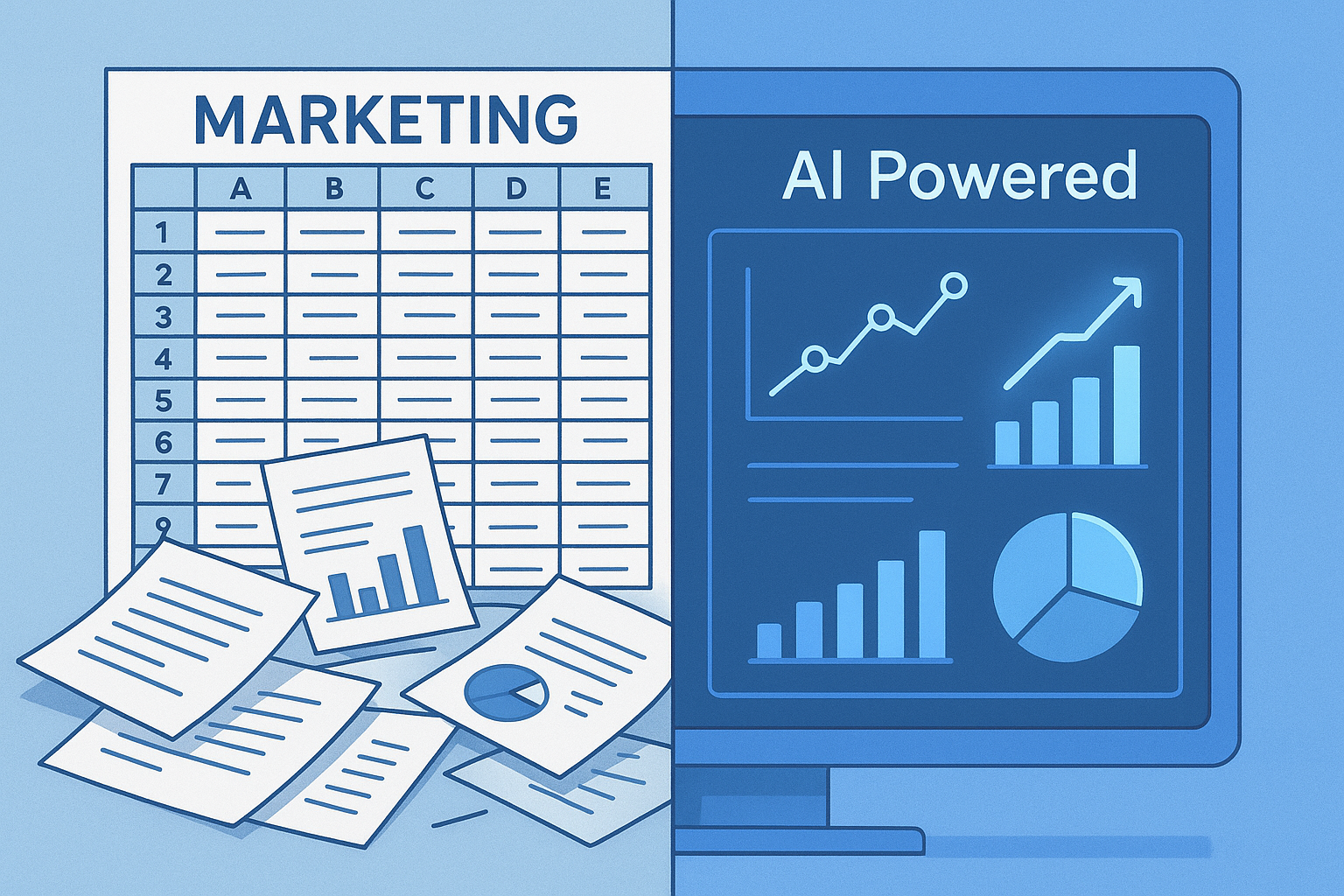
The contrast between manual marketing workflows and AI-driven automation illustrates why adoption is accelerating across industries.
Measuring ROI From AI-Driven Campaigns
Measuring return on investment from AI marketing tools requires tracking the right metrics from day one. Beyond standard KPIs like conversion rate and cost-per-acquisition, AI platforms introduce additional measurable dimensions such as prediction accuracy, model confidence scores, and personalization lift.
For example, personalization lift measures the percentage improvement in conversions attributable specifically to AI-driven content variations compared to a generic control. This metric directly quantifies the value the AI layer is adding, separate from other campaign optimizations.
Moreover, integrating AI marketing data with a tool like Google Analytics allows you to connect AI-driven engagement signals to downstream revenue outcomes. This full-funnel view is essential for justifying continued investment and scaling what works. Resources like Rank Authority can help businesses build the measurement frameworks needed to track AI-influenced organic growth alongside paid and owned channels.
The Future of AI in Marketing
Looking ahead, AI marketing solutions will become even more deeply embedded in every stage of the customer journey. Generative AI will increasingly handle not just first drafts but fully produced creative assets, while autonomous AI agents will manage entire campaign cycles with minimal human input.
However, human judgment will remain irreplaceable for setting strategic direction, interpreting nuanced customer sentiment, and maintaining ethical standards in targeting. The marketers who thrive will be those who treat AI as a powerful collaborator rather than a replacement for strategic thinking.
In practice, the businesses seeing the greatest gains today are those that started experimenting early, built clean data foundations, and iterated continuously. Because the learning curve shortens with experience, starting now — even with a modest tool — is far better than waiting for the perfect solution.
Conclusion: Making AI Marketing Solutions Work for You
AI marketing solutions represent one of the most significant shifts in how businesses attract, engage, and retain customers. When implemented thoughtfully — with clean data, clear goals, and consistent human oversight — they deliver measurable improvements in efficiency, personalization, and revenue. Therefore, the question is no longer whether to adopt AI marketing tools, but how quickly and strategically you can integrate them into your existing marketing operations.
Quick Takeaway: Start with a data audit, define specific goals, choose a platform that integrates with your existing stack, and commit to regular performance reviews. AI rewards consistency and iteration above all else.
Frequently Asked Questions About AI Marketing Solutions
What are AI marketing solutions?
AI marketing solutions are software platforms that use artificial intelligence, machine learning, and data analytics to automate, personalize, and optimize marketing campaigns. They help businesses target the right audience, generate content, and measure performance more efficiently than traditional methods.
How do AI marketing solutions improve campaign performance?
They analyze large datasets in real time to identify patterns and predict customer behavior. As a result, marketers can deliver personalized messages at the right moment, reducing wasted ad spend and increasing conversion rates significantly.
Are AI marketing solutions suitable for small businesses?
Yes, many platforms offer scalable pricing tiers accessible to small businesses. Tools like HubSpot provide entry-level AI features that help smaller teams compete without requiring a dedicated data science team.
What is the difference between AI marketing and traditional marketing automation?
Traditional automation follows pre-set rules, whereas AI marketing solutions learn from data and adapt dynamically. AI can predict outcomes, generate content, and make real-time decisions that rule-based systems cannot replicate.
How much do AI marketing solutions typically cost?
Entry-level tools start at approximately $50 to $200 per month, while enterprise platforms may cost thousands monthly. Many providers offer free trials or freemium tiers so you can test before committing.
Which industries benefit most from AI marketing tools?
E-commerce, financial services, healthcare, and SaaS companies benefit significantly because they handle large customer data volumes. However, virtually any industry with a digital presence can gain measurable advantages from AI-driven personalization.
Can AI marketing tools help with SEO?
Yes, AI tools can identify keyword opportunities, generate optimized content, analyze competitors, and predict search trends. Specialized platforms like Rank Authority leverage AI specifically to enhance search visibility and organic traffic growth.
What are the biggest risks of using AI in marketing?
Key risks include over-automation leading to impersonal messaging, data privacy concerns, and algorithmic bias in targeting. Regular audits and strict compliance with regulations like GDPR help mitigate these risks effectively.
How long does it take to see results from AI marketing platforms?
Most businesses see measurable improvements within 30 to 90 days as the system collects and processes data. Full performance gains typically emerge after three to six months of continuous learning and optimization.
Do I need technical skills to use AI marketing solutions?
Most platforms are designed for non-technical users with intuitive dashboards and guided workflows. However, advanced features like custom model training or API integrations may require developer support.
What common mistakes should marketers avoid when adopting AI tools?
The most common mistakes are neglecting data quality before implementation, treating AI as set-and-forget, and failing to align AI outputs with brand voice. Successful adoption requires ongoing oversight, regular reviews, and clear goal-setting from the outset.
How does AI personalization work in email marketing?
AI analyzes subscriber behavior, purchase history, and engagement patterns to dynamically tailor subject lines, content, and send times for each individual. This approach typically results in significantly higher open and click-through rates compared to generic batch email campaigns.

